


Frame supply-chain questions
Define an AI-assisted task with its business context, source records, constraints, intended audience and required human checks.
AI for Supply Chain and Procurement is a proposed practical course for Malaysian manufacturing teams that want to explore AI-assisted demand, supplier, purchasing, inventory and logistics workflows. Learners use fictional or sanitised records to structure analysis, draft reviewable recommendations and keep commercial, quality and operational decisions with authorised people.
Proposed course outline; tools, dates, format, duration and fees must be confirmed with AIGreen Plus.

AI supply chain training Malaysia can help procurement, planning, warehouse and operations teams use AI to organise demand signals, supplier information, purchase requests, inventory exceptions and logistics updates. This proposed course emphasises prompt design, data quality, scenario review, confidentiality and human approval; it does not replace buyers, planners, QA/QC owners, finance controls or authorised supply-chain decisions.
This is a proposed training outline, not a confirmed schedule or a promise of commercial results. Use fictional or approved examples and keep decisions with the responsible people.
Learning objectives describe practice, not guaranteed business results.
Define an AI-assisted task with its business context, source records, constraints, intended audience and required human checks.
Organise supplier comparisons, demand signals, purchase requirements and stock exceptions while labelling missing data, assumptions and validation needs.
Prepare working drafts such as purchase briefs, planning updates, warehouse action lists and supplier follow-ups for review by the responsible owners.
Protect sensitive information, record source and version details, assign reviewers and evaluate a low-risk use case without promising savings or guaranteed results.
Prompt → Check → Revise → Review
Use AI to support suitable tasks. Manufacturing, quality, safety and business decisions remain with the people responsible.
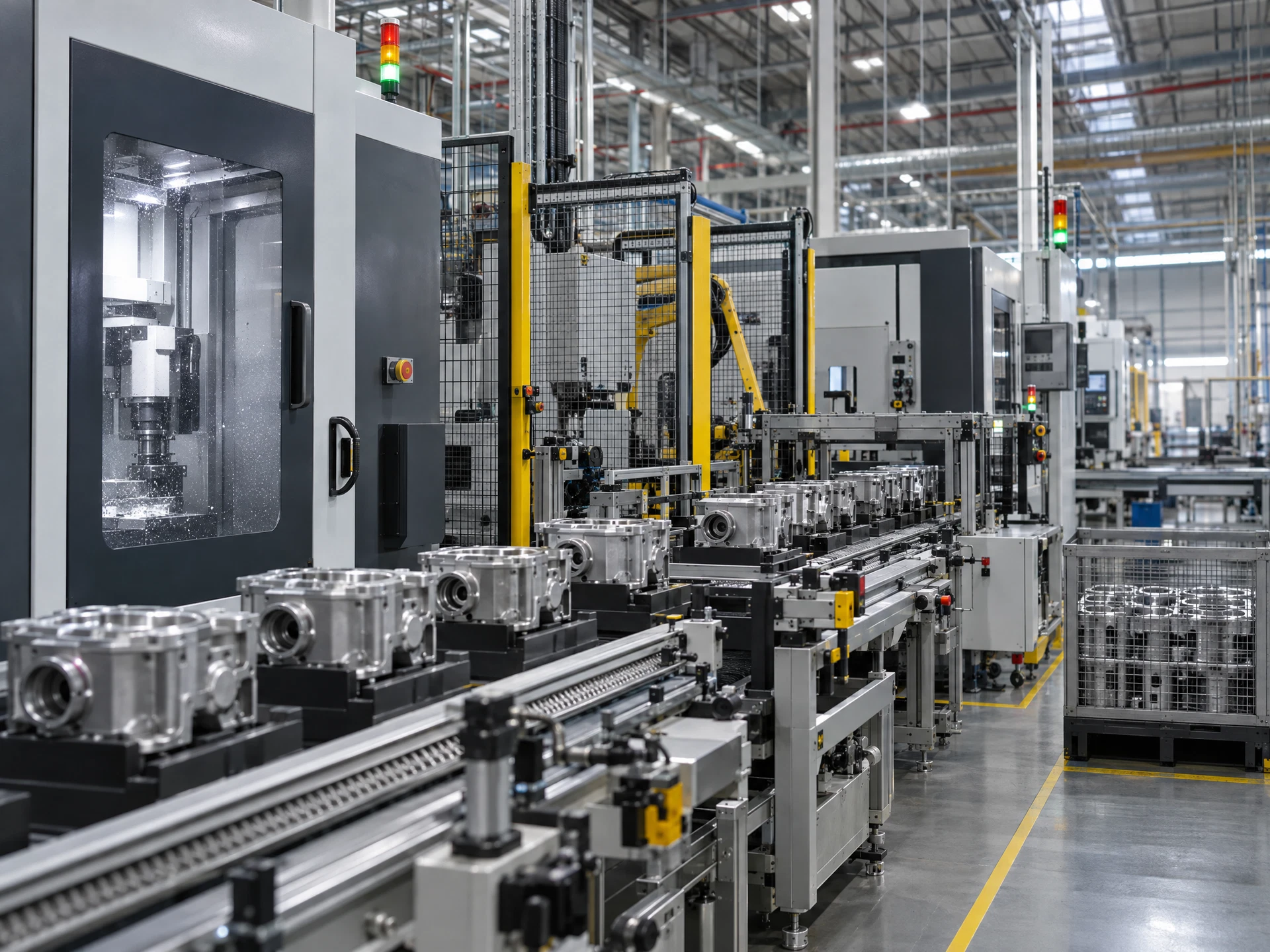
Course visuals are AI-created fictional scenes; people and facilities do not depict actual AIGreen Plus staff, learners or client events.
A buyer uses three fictional, sanitised quotes to structure a comparison of supplied price, lead time, minimum order and quality information. AI drafts the table and missing-data questions; procurement retains supplier selection, negotiation and approval.
A planner combines mock demand notes, production priorities and inventory exceptions to prepare a risk view for review. The team verifies item codes, dates and quantities against approved records before any schedule or purchasing action.
Warehouse and logistics staff use a fictional receiving discrepancy and delivery update to draft an evidence-linked action list for operations, QA/QC and procurement. Traceability, acceptance and escalation decisions remain with authorised people.
Examples are fictional or sanitised proposals, not AIGreen Plus client case studies or verified results.
This is AIGreen Plus's proposed approach for this course, not an independent competitor comparison or a claim that other providers lack similar content. Confirm the syllabus, tools, delivery details and availability with AIGreen Plus.
| Potential point of difference | AIGreen Plus's approach | Why it may matter to a factory |
|---|---|---|
| Manufacturing supply-chain context | The proposed outline connects procurement, production planning, warehouse, logistics, QA/QC and office coordination scenarios. | Teams can practise on familiar handoffs rather than treating supply-chain AI as a purely generic office topic. |
| End-to-end workflow thinking | Exercises follow information from source records through analysis, communication, review and approval across Malaysian manufacturing roles. | Participants can identify where an AI draft may help and where process owners must intervene. |
| Reviewable outputs over autonomous decisions | The proposed course uses evidence-linked briefs, exception lists and questions, with human verification before operational or commercial action. | Buyers, planners, warehouse supervisors and authorised managers retain accountability for decisions. |
| Responsible data and compliance framing | The outline uses fictitious or sanitised data and treats quality, safety, ESG and compliance topics as documentation or analysis support only. | Teams are prompted to consult current official sources and authorised owners instead of treating AI output as certification or professional judgement. |
On small screens, scroll horizontally inside the table to compare all three columns.
Eight proposed modules are shown in a structured table for easy review. Confirm the final syllabus, depth, tools, duration and delivery format with AIGreen Plus.
On small screens, scroll horizontally inside the course outline table to see every column.
| Module | Focus | Key points | Practice exercise |
|---|---|---|---|
| 01Supply-Chain AI Foundations and Responsible Use | Understand where AI can support supply-chain work and where commercial, quality, safety and operational judgement stays with authorised people. |
| Using fictional notes about a material shortage and supplier delay, classify facts, assumptions and restricted data before writing a prompt for a reviewable issue brief. |
| 02Supply-Chain Data Readiness and Process Mapping | Map procurement-to-pay and plan-to-deliver workflows, checking data quality before asking AI to interpret records. |
| From a sanitised item, supplier and order table, create a source map, mark anomalies and write validation questions for a planner and procurement owner. |
| 03Demand Signals and Material Planning Support | Use AI to organise demand signals, production plans and material-risk questions without treating generated estimates as approved forecasts. |
| Given fictional monthly demand notes and a production plan, ask AI to prepare a scenario table with assumptions and planner checks, then correct unsupported quantities. |
| 04Procurement Requests, Quotes and Supplier Communication | Support request preparation, quote comparison, supplier follow-up and purchase justification while preserving approval and segregation controls. |
| Compare three fictional supplier quotes on the provided price, lead time, minimum order and quality fields, flag missing information and prepare a buyer-review brief. |
| 05Inventory, Warehouse and Logistics Exceptions | Structure receiving, stock, aging, dispatch and delivery exceptions for investigation and cross-functional coordination. |
| Turn a fictional receiving discrepancy and transport update into an action list with evidence links, owners and next checks, then verify every quantity and location. |
| 06Supplier Performance, Quality and Sustainability Signals | Use AI to organise supplier performance, nonconformance and sustainability information as analysis support, not as proof of compliance or certification. |
| Review a sanitised supplier scorecard and corrective-action note, generate evidence-gap questions and have QA/QC and sustainability owners approve the review list. |
| 07Cross-Functional Supply-Chain Decision Briefs | Turn reviewed supply-chain information into concise briefs for planning meetings, procurement reviews and management discussion without inventing certainty. |
| For a fictional materials shortage, prepare a one-page brief with three response options, evidence and questions for S&OP or management review; do not approve an option. |
| 08Governance, Controls and Pilot Planning | Set safe operating rules and outline a small, reviewable pilot for an AI-assisted supply-chain task. |
| Draft a pilot brief for supplier follow-up or stock-exception triage with scope, safeguards, a responsible reviewer, human checks and evaluation questions to confirm with AIGreen Plus. |
It is a proposed course on using AI to organise supply-chain information, procurement tasks, planning questions, inventory exceptions and supplier communication, with source checks and human approval throughout.
It is intended for Malaysian manufacturing procurement, planning, warehouse, logistics, operations, QA/QC, finance and sustainability teams. Basic workplace-document or spreadsheet familiarity is useful; advanced AI knowledge is not assumed.
The proposed syllabus covers purchase-request drafting, supplied quote comparison, supplier follow-up, purchase justification and review controls. It does not authorise AI to select suppliers, negotiate terms or approve purchases.
No. AI may help structure evidence and questions, but authorised buyers, managers, finance and quality owners must verify records and make commercial, technical and approval decisions.
Yes. Learners organise demand signals, production priorities, material risks and stock exceptions using fictional or sanitised records. Generated estimates are not approved forecasts, inventory balances or schedule commitments.
Exercises use mock receiving, stock, dispatch and delivery exceptions to create evidence-linked action lists. Participants verify item codes, quantities and locations, while traceability and escalation remain with responsible staff.
Do not enter confidential pricing, contracts, personal data, customer details or proprietary records into an AI tool unless organisational policy explicitly approves it. Practise with fictitious or sanitised data and follow access controls.
The tools, account arrangements and available features are not fixed in this proposed record. Confirm current vendor access, organisational approval, data-handling terms and technical requirements with AIGreen Plus before delivery.
AI can support documentation and analysis, but it does not prove compliance, certification or supplier conformance. Consult current official sources and obtain decisions from authorised QA/QC, safety, ESG or compliance owners.
No. This is a proposed course record. Ask AIGreen Plus to confirm the final syllabus, tools, availability, delivery format, duration, fees, certificate arrangements and any HRD Corp eligibility before planning.
How can a Malaysian manufacturing team pilot AI to organise a supplier quote comparison, material-risk view or warehouse delivery exception without handing decisions to AI?
AI supply chain training Malaysia can guide procurement, planning, warehouse and logistics teams to structure demand, supplier, inventory and delivery information with fictional or sanitised records. The course emphasises prompt design, data quality, traceability, confidentiality and human review; it does not replace authorised commercial, quality, safety, finance or operational decisions.
A practical course proposal. Select approved tools and sample data under your organisation's policy; keep operational, safety, quality and other authorised decisions with the responsible people.
Choose a low-risk task with clear human oversight.

Define minimum inputs, handling rules and approval boundaries.

Configure evidence-linked drafts without implying certainty or approval.

Test traceability and controls against known record exceptions.

Pilot with oversight, measure evidence and decide responsibly.
Use the materials with a competent workplace owner and the appropriate approvals.
The five-stage flow uses AI-created fictional scenes; the people, equipment, interfaces and facilities are not actual AIGreen Plus staff, learners, clients or factories. Course images are category-specific examples. Pending assets are labelled in progress; unavailable artwork is suppressed rather than replaced with unrelated imagery.
Share the course title, participant roles and learning priorities. AIGreen Plus will confirm syllabus, tools, availability, delivery language, format and quotation.
Do not send confidential production data, account details or personal information in an enquiry.
