


Scope a useful maintenance question
Define an asset-focused question, decision owner, operating context and review boundary instead of treating AI as an unattended fault predictor.
AI for Predictive Maintenance is a proposed course for Malaysian manufacturing and industrial teams learning how to turn maintenance records, asset context and condition signals into reviewable maintenance insights. Learners practise with fictional or sanitised plant scenarios while authorised people retain safety, maintenance and production decisions.
Proposed course outline; tools, dates, format, duration and fees must be confirmed with AIGreen Plus.

AI for Predictive Maintenance teaches manufacturing teams how to scope useful maintenance questions, prepare asset and failure data, interpret condition trends and create reviewable maintenance recommendations. The proposed course covers pumps, motors, compressors, conveyors and similar assets in Malaysian plant contexts, with human verification, approved records and escalation controls required before any maintenance or safety action.
This is a proposed training outline, not a confirmed schedule or a promise of commercial results. Use fictional or approved examples and keep decisions with the responsible people.
Learning objectives describe practice, not guaranteed business results.
Define an asset-focused question, decision owner, operating context and review boundary instead of treating AI as an unattended fault predictor.
Organise sanitised asset hierarchies, work-order histories, failure descriptions and condition signals while identifying gaps, inconsistent labels and missing context.
Draft anomaly summaries, failure-mode hypotheses, inspection questions and maintenance priorities with uncertainty clearly marked for authorised technicians, engineers and managers.
Set reviewer roles, escalation rules, data safeguards and practical evaluation questions for a limited predictive-maintenance use case without promising savings or autonomous decisions.
Prompt → Check → Revise → Review
Use AI to support suitable tasks. Manufacturing, quality, safety and business decisions remain with the people responsible.
Course visuals are AI-created fictional scenes; people and facilities do not depict actual AIGreen Plus staff, learners or client events.
A maintenance team reviews fictional vibration, temperature, pressure and work-order extracts for a pump and compressor. AI-assisted drafting helps organise trends, alternative explanations and inspection questions; a qualified maintenance owner verifies the records and approves any next step.
Operations, maintenance and planning staff use sanitised notes from a fictional conveyor or packaging line to prepare a shift handover, inspection request and shutdown discussion. Dates, quantities, asset identifiers and production decisions remain subject to source checking and authorised approval.
A fictional gearbox concern is used to coordinate maintenance, procurement and warehouse questions about part identity, availability and inspection timing. The exercise does not infer stock truth or purchase decisions; teams validate records with the responsible owners before acting.
Examples are fictional or sanitised proposals, not AIGreen Plus client case studies or verified results.
This is AIGreen Plus's proposed approach for this course, not an independent competitor comparison or a claim about other providers. Confirm the syllabus, tools, availability, delivery scope and organisational fit with AIGreen Plus before making a decision.
| Potential point of difference | AIGreen Plus's approach | Why it may matter to a factory |
|---|---|---|
| Maintenance-first learning design | The proposed syllabus starts with asset context, failure modes, condition signals and maintenance decisions rather than generic AI demonstrations. | Malaysian plant teams can discuss familiar pumps, motors, compressors, conveyors, utilities and production-line constraints using sanitised examples. |
| Evidence and uncertainty are explicit | Exercises require learners to separate source records, assumptions, anomaly hypotheses, inspection questions and approved actions. | Technicians, reliability staff and managers can review why an insight was raised without treating generated text as a diagnosis or guarantee. |
| Cross-functional workflow emphasis | The proposed approach connects maintenance review with production planning, QA/QC context, procurement, warehouse readiness and office handovers. | Teams can examine the people, records and approval points needed before a maintenance recommendation affects plant work. |
| Governed pilot before wider use | The course includes bounded pilot planning, human review, data safeguards, escalation and evaluation questions instead of promising autonomous decisions or results. | An organisation can ask AIGreen Plus to confirm a suitable scope and controls before considering any broader use. |
On small screens, scroll horizontally inside the table to compare all three columns.
Eight proposed modules are shown in a structured table for easy review. Confirm the final syllabus, depth, tools, duration and delivery format with AIGreen Plus.
On small screens, scroll horizontally inside the course outline table to see every column.
| Module | Focus | Key points | Practice exercise |
|---|---|---|---|
| 01Predictive maintenance foundations and use-case scope | Understand where AI-assisted analysis can support maintenance planning and where engineering, safety and production judgement must remain with authorised people. |
| Using a fictional Malaysian plant with pumps, compressors and conveyors, select one maintenance question, name its decision owner and mark which proposed outputs require technician, engineer or EHS approval. |
| 02Asset hierarchy, failure modes and data readiness | Prepare the minimum context needed to interpret maintenance information without confusing equipment labels, symptoms, causes or work-order outcomes. |
| Clean a sanitised asset register and breakdown log for a fictional packaging line, then flag duplicate asset names, ambiguous failure terms and records that need maintenance-owner confirmation. |
| 03Condition signals and operating context | Read sensor trends and maintenance observations as context-dependent signals rather than proof of a fault or remaining useful life. |
| Review fictional weekly trend extracts for a motor and chilled-water pump, annotate plausible operating-context changes and list the checks needed before calling either trend an anomaly. |
| 04Risk prioritisation and failure-mode reasoning | Combine asset criticality, failure modes, consequence and evidence quality to prioritise review without presenting a generated score as a formal engineering decision. |
| For three fictional compressor and conveyor cases, rank review urgency using a transparent rubric, document alternative explanations and ask an authorised reliability owner to challenge the ranking. |
| 05AI-assisted anomaly and maintenance insight drafting | Turn approved records and condition observations into concise, traceable drafts for inspection planning and maintenance discussion. |
| Use a fictional pump trend, previous work orders and operator notes to draft an anomaly brief with citations to the supplied records, open questions and a technician-review decision gate. |
| 06Maintenance planning, spares and cross-team coordination | Translate reviewable maintenance insights into coordinated planning conversations across technicians, production, procurement, warehouse and QA/QC. |
| From a sanitised fictional gearbox concern, create an inspection request, a spare-part clarification list and a production-planning handover; verify every quantity, date and priority against the supplied records. |
| 07Pilot design, review controls and evaluation | Plan a small, bounded predictive-maintenance pilot with human review, transparent measures and safeguards against false alarms or missed issues. |
| Draft a fictional pilot brief for one non-critical asset family, including data boundaries, reviewer checkpoints, sample evaluation questions and a stop-or-revise rule for unreliable outputs. |
| 08Governance and continuous improvement for scale | Establish practical ownership for data quality, model or prompt changes, version control and ongoing review before extending use across a plant. |
| Create a fictional governance checklist for expanding from one pump family to several lines, covering change review, access approval, audit notes, technician feedback and rollback conditions. |
It is a proposed course on using AI-assisted analysis to organise asset records, condition signals and failure evidence into reviewable maintenance insights. It does not replace technicians, reliability engineers, EHS owners or authorised maintenance decisions.
The proposed syllabus suits maintenance and reliability teams, production and engineering managers, planners, QA/QC or EHS stakeholders, and procurement or warehouse staff supporting industrial assets in Malaysia.
No. Learners practise framing questions, checking data quality, identifying possible anomalies and drafting inspection questions. Any diagnosis, safety response, repair, release or operating change requires authorised human verification and approval.
Examples can cover common industrial assets such as pumps, motors, compressors, conveyors, chillers and packaging equipment. The exact syllabus and examples are proposed and should be confirmed with AIGreen Plus for the organisation's context.
Useful practice inputs may include a sanitised asset hierarchy, maintenance and breakdown history, operator observations, condition trends, operating state and failure-mode notes. Participants should not use confidential or restricted records unless their organisation explicitly approves it.
No connection or vendor access is promised in this record. Tool availability, current vendor features, data access, account arrangements and organisational approval must be verified with AIGreen Plus and the relevant system owner before delivery.
AI is treated as documentation and analysis support only. Current official requirements, site procedures and authorised EHS, engineering or quality owners remain the source for safety, compliance, inspection and operational decisions.
No. This proposed course does not promise savings, uptime, fewer failures or any other business outcome. It helps teams define reviewable use cases and evaluation questions; any result depends on the organisation's data, controls and implementation.
No claim of customer evidence is made. Exercises use fictional or sanitised information, and human verification and approval are required before any AI-assisted content is shared or used in operations.
Ask AIGreen Plus to confirm the proposed modules, exercise data requirements, approved tools, delivery arrangements and availability for your roles. Do not send confidential factory information in an enquiry.
How can Malaysian manufacturing teams pilot AI-assisted predictive-maintenance reviews for a pump, compressor, conveyor or similar asset without handing safety or maintenance decisions to AI?
Use a bounded, review-only maintenance question, then prepare sanitised asset, work-order and condition records with operating context. Configure an approved analysis template, test anomaly summaries and failure-mode hypotheses against source records, and have a qualified maintenance owner verify them before a measured pilot is continued, revised or stopped.
A practical course proposal. Select approved tools and sample data under your organisation's policy; keep operational, safety, quality and other authorised decisions with the responsible people.
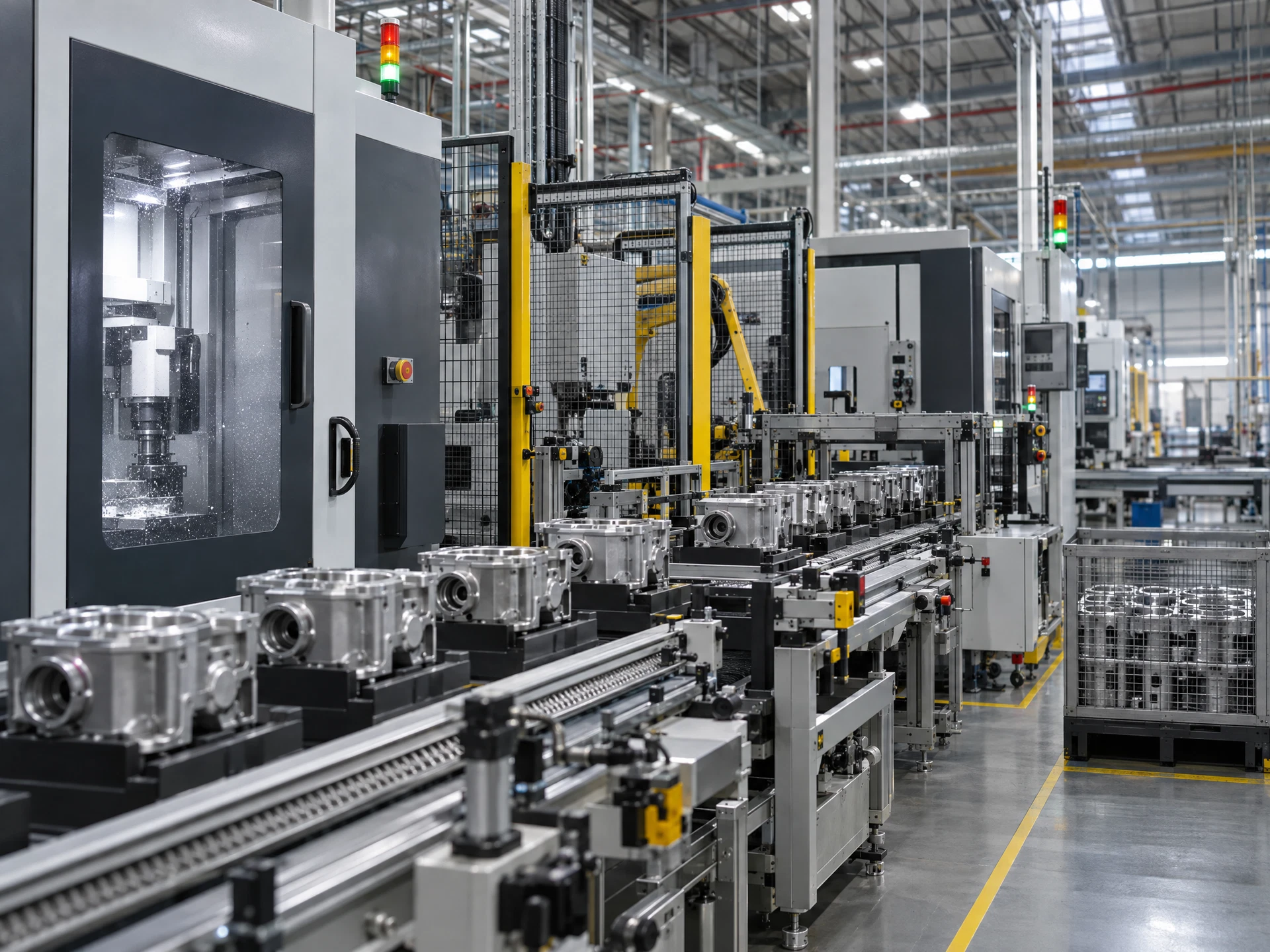
Bound maintenance reviews while retaining authorised human decision-making

Prepare traceable, sanitised evidence with interpretable asset context

Combine criticality, failure modes and uncertainty in reviewable drafts
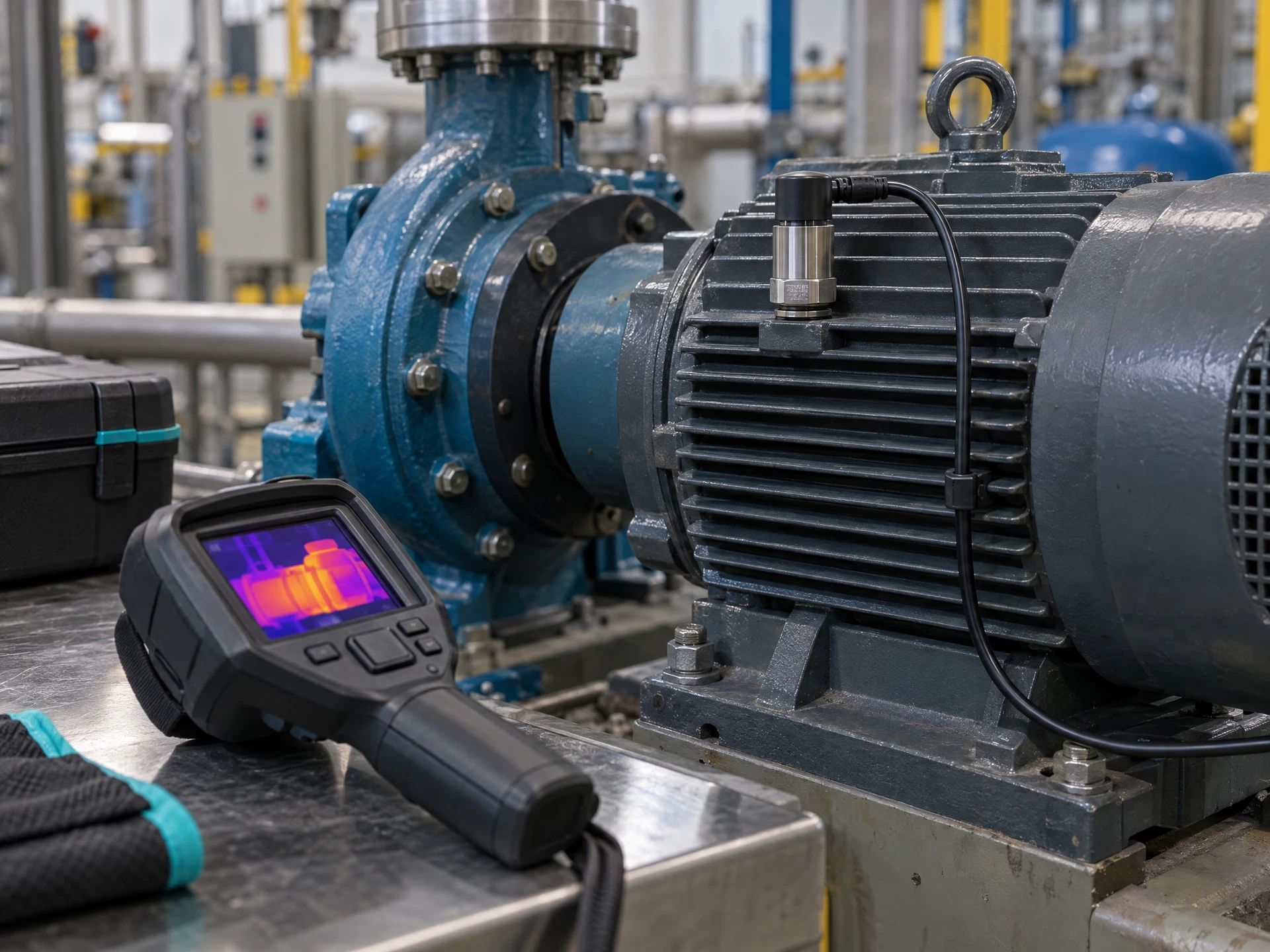
Verify drafts through source checks and competent human challenge

Evaluate a governed pilot before continuing, revising or stopping
Use the materials with a competent workplace owner and the appropriate approvals.
The five-stage flow uses AI-created fictional scenes; the people, equipment, interfaces and facilities are not actual AIGreen Plus staff, learners, clients or factories. Course images are category-specific examples. Pending assets are labelled in progress; unavailable artwork is suppressed rather than replaced with unrelated imagery.
Share the course title, participant roles and learning priorities. AIGreen Plus will confirm syllabus, tools, availability, delivery language, format and quotation.
Do not send confidential production data, account details or personal information in an enquiry.
