


Map smart manufacturing use cases
Relate equipment signals, production events and business questions to feasible AI and IoT use cases across a Malaysian plant, with clear owners and boundaries.
This proposed course helps Malaysian manufacturing teams connect practical IoT data use with responsible AI analysis across production, maintenance, QA/QC and planning. Learners work with fictional or sanitised factory records to shape use cases, review data quality and design a human-approved smart manufacturing pilot.
Proposed course outline; tools, dates, format, duration and fees must be confirmed with AIGreen Plus.

AI IoT training Malaysia can help factory teams understand how connected-equipment data may support production monitoring, maintenance planning and quality analysis. This proposed course covers data readiness, AI-assisted interpretation and pilot design. Machine control, safety, quality release and operational decisions remain with authorised people; confirm tools, scope and access with AIGreen Plus.
This is a proposed training outline, not a confirmed schedule or a promise of commercial results. Use fictional or approved examples and keep decisions with the responsible people.
Learning objectives describe practice, not guaranteed business results.
Relate equipment signals, production events and business questions to feasible AI and IoT use cases across a Malaysian plant, with clear owners and boundaries.
Review signal quality, context, timestamps, missing values, ownership and access conditions before treating connected-factory data as suitable for analysis.
Use AI-assisted methods to structure anomaly, maintenance, process and quality questions while separating evidence from hypotheses and keeping authorised teams in control.
Draft a small, reviewable smart manufacturing pilot with safeguards, evaluation questions, escalation routes and approval points rather than promising savings or autonomous decisions.
Prompt → Check → Revise → Review
Use AI to support suitable tasks. Manufacturing, quality, safety and business decisions remain with the people responsible.
Course visuals are AI-created fictional scenes; people and facilities do not depict actual AIGreen Plus staff, learners or client events.
A maintenance team reviews fictional vibration, temperature and runtime records for a machine with intermittent stoppages. AI helps organise patterns and questions, but technicians verify the evidence and authorised staff decide inspection, repair and production actions.
QA/QC and process engineers compare a sanitised batch record, selected process signals and mock inspection observations to structure possible causes and evidence gaps. The exercise does not issue a pass/fail, release or compliance conclusion; the responsible quality owner reviews the source records.
A fictional line interruption is reviewed alongside mock material and stock-location notes to prepare a cross-functional action list. Production, warehouse and procurement owners validate quantities, timing and commitments before any operational change or communication.
Examples are fictional or sanitised proposals, not AIGreen Plus client case studies or verified results.
These points describe AIGreen Plus's proposed approach for this course, not an independent competitor comparison or a claim that other providers do not offer similar content. Confirm the final syllabus, tools, delivery details and availability with AIGreen Plus.
| Potential point of difference | AIGreen Plus's approach | Why it may matter to a factory |
|---|---|---|
| Factory data before model enthusiasm | The proposed sequence starts with use-case ownership, sensor context, data quality and OT/IT boundaries before discussing AI-assisted analysis. | Teams can identify whether a real operational question has suitable evidence and accountable owners. |
| One view across plant and office roles | Examples connect production, maintenance, QA/QC, warehouse, procurement and management communication rather than treating IoT as an isolated technical topic. | Participants can discuss handoffs, escalation and approval across the people who use or validate factory information. |
| Pilot design without vendor lock-in | The proposed activities use vendor-neutral concepts and fictional records; any named software, account, integration or current feature must be checked and approved separately. | A manufacturer can clarify its own technical constraints before selecting tools or asking for a confirmed implementation scope. |
| Human-controlled operational use | AI outputs are treated as reviewable analysis support, with explicit owners for safety, maintenance, quality, production and data governance decisions. | The emphasis is responsible adoption and traceable review, not autonomous machine control or guaranteed business outcomes. |
On small screens, scroll horizontally inside the table to compare all three columns.
Eight proposed modules are shown in a structured table for easy review. Confirm the final syllabus, depth, tools, duration and delivery format with AIGreen Plus.
On small screens, scroll horizontally inside the course outline table to see every column.
| Module | Focus | Key points | Practice exercise |
|---|---|---|---|
| 01Smart Manufacturing Foundations: AI, IoT and OT/IT Context | Build a shared picture of how connected equipment data and AI-assisted analysis can support factory work without replacing accountable operational judgement. |
| Map a fictional Malaysian production line from sensor events to a management question, then label data owners, decision owners and points requiring human approval. |
| 02Sensor Data Readiness and Context | Check whether equipment and process data is understandable, trustworthy and sufficiently contextualised for a proposed use case. |
| Audit a sanitised sensor table from a fictional line, mark data-quality concerns and create a short list of questions for the maintenance and production owners. |
| 03Connected-Factory Data Flows and Security Boundaries | Understand the practical path from shop-floor signals to analysis while recognising that connectivity, access and security need local technical approval. |
| Sketch a fictional line's data flow from a machine signal to a review dashboard, annotate where access is approved and flag every connection that needs an OT or IT owner. |
| 04AI-Assisted Production Monitoring and Anomaly Review | Use structured analysis to explore patterns in production signals while distinguishing an unusual observation from a confirmed cause or required intervention. |
| Review a fictional time-series extract with a production supervisor, ask for an anomaly summary and verify every flagged event against the supplied shift notes. |
| 05Predictive Maintenance Questions and Work-Order Context | Frame maintenance use cases around failure modes, leading indicators and service records without presenting AI output as a diagnosis or automatic work order. |
| Prioritise follow-up questions for three fictional assets using sanitised readings and work-order notes, then have a maintenance owner approve the next investigation step. |
| 06Process Quality, Traceability and Root-Cause Support | Explore how connected process records can help QA/QC and engineering teams investigate variation while leaving inspection, disposition and release decisions to authorised personnel. |
| Analyse a fictional batch record and sensor summary, build a cause-and-evidence table, and mark which questions QA/QC must verify before any decision. |
| 07From Alerts to Cross-Functional Operations | Turn reviewed signals into coordinated actions for production, maintenance, warehouse, procurement and office teams without creating unattended automation. |
| Using a fictional line delay and material discrepancy, design an action board for production, warehouse and procurement, then verify each action against the source records. |
| 08Pilot Governance, Evaluation and Responsible Adoption | Design a bounded smart manufacturing pilot that can be reviewed by process owners, technical teams and management before wider use. |
| Write a one-page fictional pilot brief for an equipment-monitoring use case, including safeguards, review checkpoints, evaluation indicators and an owner sign-off list. |
The proposed syllabus covers smart manufacturing foundations, sensor-data readiness, connected-factory data flows, production monitoring, maintenance questions, QA/QC analysis, cross-functional operations and pilot governance. Final syllabus, tools and availability should be confirmed with AIGreen Plus.
IoT can provide time-stamped equipment or process observations, while AI can help organise, compare or question those records. The course treats both as support for human review; it does not assume that AI can control machines or determine the correct action by itself.
Yes, it is proposed for Malaysian manufacturing and industrial teams, with examples involving production lines, maintenance, QA/QC, warehouse, procurement and management coordination. Local processes, language needs, tools and delivery arrangements should be scoped with AIGreen Plus.
Advanced programming is not required for this proposed outline. Participants should understand their work process and be comfortable reviewing simple tables or charts; technical implementation questions still require the organisation's approved IT, OT or engineering owners.
Exercises use fictional or sanitised sensor, production, maintenance, quality, inventory and work-order records. Do not upload confidential, personal, customer, proprietary or restricted information unless the organisation has explicitly approved that use and the relevant controls are in place.
It introduces how to frame predictive-maintenance questions around asset signals, failure modes and work-order context. AI output remains an analysis aid, not a diagnosis or automatic work order; technicians and authorised maintenance owners verify evidence and decide actions.
No. The proposed course keeps inspection, product disposition, safety controls, machine changes and operational approvals with authorised people. AI may help structure records or questions, but it does not replace professional, regulated or site-specific judgment.
No particular vendor, plan feature or account access is promised. Current software capabilities, connectivity, security controls and organisational approval can change, so confirm any required tools and access with AIGreen Plus and the relevant internal owners before delivery.
It can help a team draft a bounded use case, data-readiness checklist, reviewer map and evaluation plan. It does not promise integration, savings, compliance or implementation results; pilot scope, feasibility, resources and approvals need separate confirmation.
They are not specified in this proposed record. Confirm duration, fees, delivery format, certificate arrangements and any current HRD Corp eligibility directly with AIGreen Plus before making a training or funding decision.
How can a Malaysian manufacturing team pilot AI and IoT analysis for a production asset without handing safety, quality release or operational control to an AI tool?
Start with a fictional or sanitised production asset case, define the signal and business question, and document data, access, security and approval boundaries. Configure a review method for anomaly, maintenance, quality or coordination analysis; have competent technicians, QA/QC and process owners verify evidence, then measure a bounded pilot before continuing, revising or stopping.
A practical course proposal. Select approved tools and sample data under your organisation's policy; keep operational, safety, quality and other authorised decisions with the responsible people.
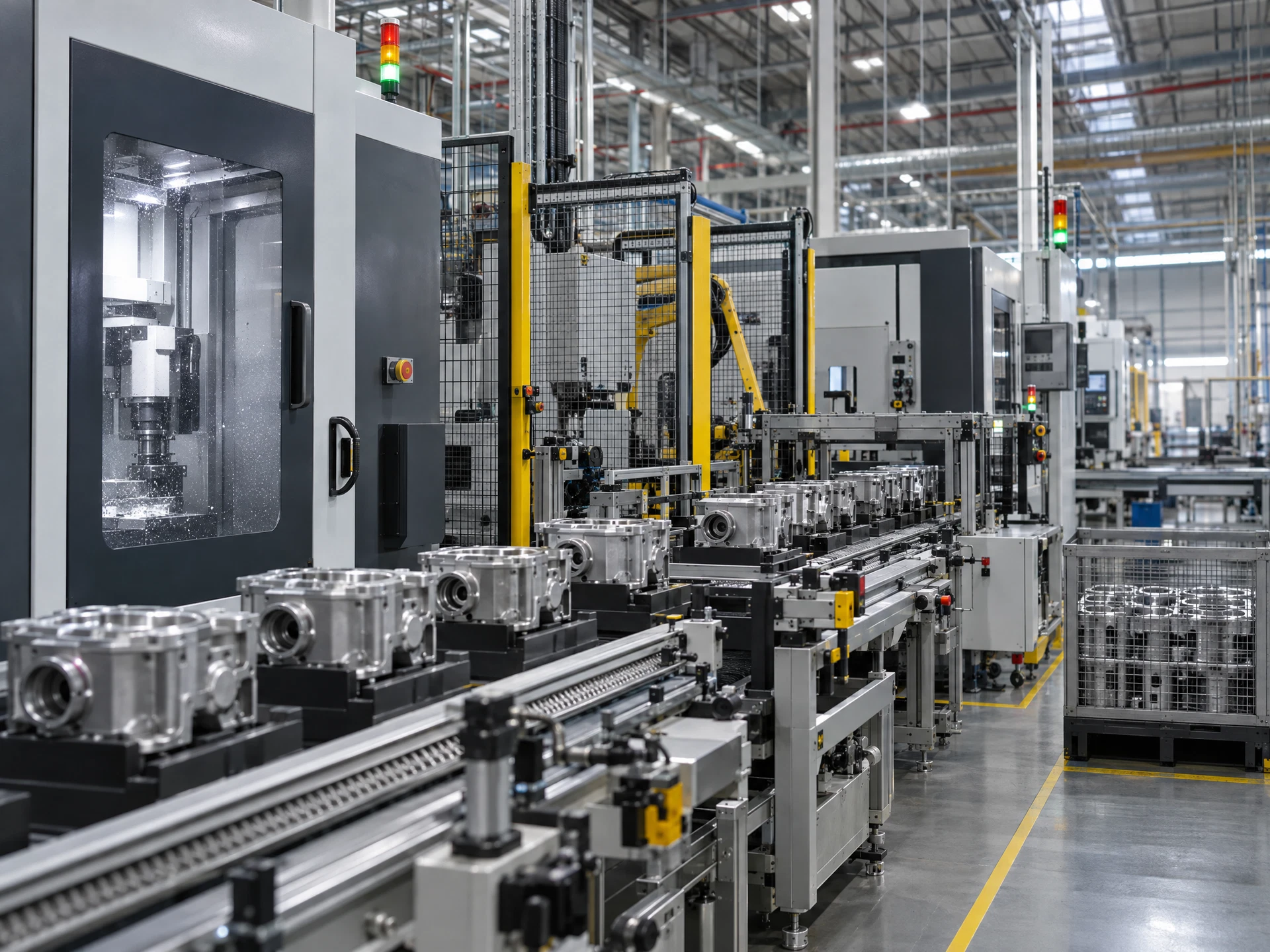
Choose an accountable factory question, excluding autonomous control and release.

Define data boundaries, access, security, and human decision authority.

Prepare traceable AI-assisted observations, never diagnoses or instructions.
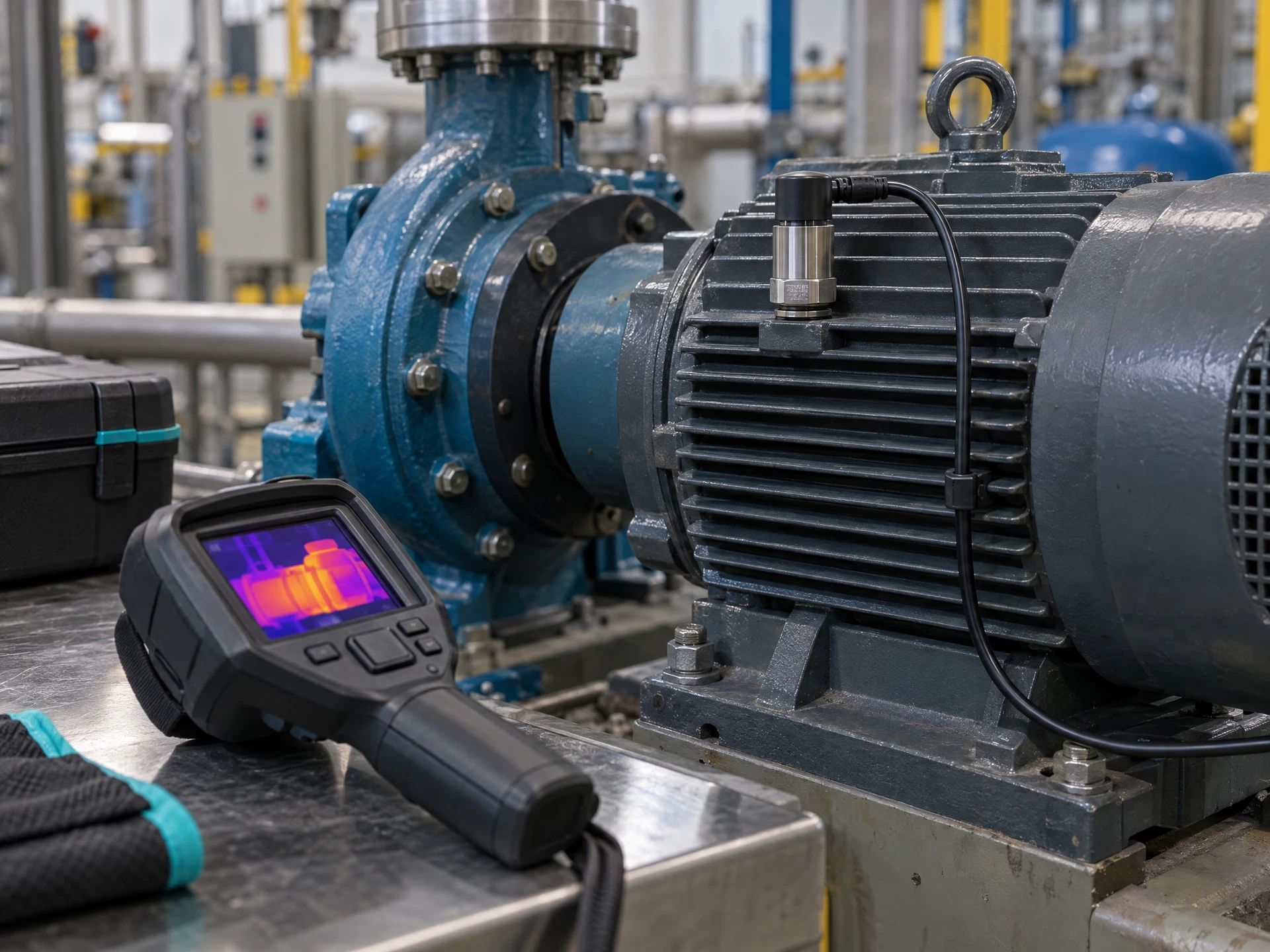
Validate bounded findings against records and competent factory judgement.

Measure a supervised pilot before deciding the next gate.
Use the materials with a competent workplace owner and the appropriate approvals.
The five-stage flow uses AI-created fictional scenes; the people, equipment, interfaces and facilities are not actual AIGreen Plus staff, learners, clients or factories. Course images are category-specific examples. Pending assets are labelled in progress; unavailable artwork is suppressed rather than replaced with unrelated imagery.
Share the course title, participant roles and learning priorities. AIGreen Plus will confirm syllabus, tools, availability, delivery language, format and quotation.
Do not send confidential production data, account details or personal information in an enquiry.
