


Plan an AI-assisted writing task
Define the document purpose, audience, source boundaries, terminology and reviewer responsibilities before asking an AI tool to draft or revise manufacturing content.
This proposed course helps Malaysian manufacturing teams use AI as a careful drafting and review aid for SOPs, work instructions and technical documents. Participants practise turning approved process knowledge into clearer, audience-specific drafts while preserving human ownership of quality, safety, change control and approval decisions.
Proposed course outline; tools, dates, format, duration and fees must be confirmed with AIGreen Plus.

AI SOP writing training in Malaysia can help production, QA/QC, engineering and office teams structure source information, draft clearer SOPs and work instructions, and identify ambiguity for review. This proposed course uses fictional or sanitised manufacturing examples, with AI treated as documentation support only; authorised process owners must verify technical accuracy, safety requirements, revisions and final approval before use.
This is a proposed training outline, not a confirmed schedule or a promise of commercial results. Use fictional or approved examples and keep decisions with the responsible people.
Learning objectives describe practice, not guaranteed business results.
Define the document purpose, audience, source boundaries, terminology and reviewer responsibilities before asking an AI tool to draft or revise manufacturing content.
Create structured drafts with ordered steps, prerequisites, inputs, outputs, cautions and verification points while preserving the approved process rather than inventing requirements.
Use AI to identify ambiguous wording, inconsistent terms, missing context and audience needs in fictional or sanitised technical documents for operators, engineers and support teams.
Build a review trail that checks facts, safety information, revisions, responsibilities and approval status before an AI-assisted document is released, trained or used operationally.
Prompt → Check → Revise → Review
Use AI to support suitable tasks. Manufacturing, quality, safety and business decisions remain with the people responsible.
Course visuals are AI-created fictional scenes; people and facilities do not depict actual AIGreen Plus staff, learners or client events.
A production team uses a sanitised changeover checklist and approved process notes to create a clearer operator-facing draft. The AI output is checked for sequence, tools, quantities, cautions and verification points; a process owner approves any released version.
A QA/QC group asks an AI tool to identify ambiguous wording and missing context in a fictional sampling instruction. The exercise supports document review only: sampling decisions, product disposition and quality-system interpretation remain with authorised personnel and current official or internal sources.
Engineering staff structure a fictional equipment fault log into symptoms, checks and escalation questions for a draft technical aid. Qualified personnel verify model details, settings and safety steps before the aid is considered for controlled use.
Examples are fictional or sanitised proposals, not AIGreen Plus client case studies or verified results.
This is AIGreen Plus's proposed approach for this course, not an independent competitor comparison or a claim that other providers lack similar content. Confirm the syllabus, tools, delivery details and availability with AIGreen Plus before relying on them.
| Potential point of difference | AIGreen Plus's approach | Why it may matter to a factory |
|---|---|---|
| Document-type specificity | The proposed learning path separates SOPs, operator work instructions and technical troubleshooting documents rather than treating all writing as one generic prompt task. | Participants can practise choosing structure, terminology and review questions that fit the document's audience and operational purpose. |
| Manufacturing role coverage | Exercises connect production, QA/QC, engineering, maintenance and warehouse or office coordination contexts using fictional or sanitised information. | Teams can discuss how an AI-assisted writing workflow may fit real handoffs while keeping sensitive factory records out of practice activities. |
| Controlled-document discipline | The proposed approach treats AI output as an unapproved draft and builds in source checks, revision comparison, ownership, escalation and sign-off. | Learners are prompted to protect document control and human judgement instead of assuming generated text is ready for release. |
| Practical pilot orientation | The final module asks teams to define a small, low-risk writing pilot with review criteria rather than promising savings, compliance or automatic adoption. | An organisation can evaluate usefulness against its own policies, authorised tools and document owners before expanding the use case. |
On small screens, scroll horizontally inside the table to compare all three columns.
Eight proposed modules are shown in a structured table for easy review. Confirm the final syllabus, depth, tools, duration and delivery format with AIGreen Plus.
On small screens, scroll horizontally inside the course outline table to see every column.
| Module | Focus | Key points | Practice exercise |
|---|---|---|---|
| 01Responsible AI for controlled manufacturing writing | Set the boundaries for using AI as a drafting and analysis aid without transferring process, safety or approval authority to the tool. |
| Review a fictional machine-operation note and label source facts, assumptions, restricted details and questions that require an authorised process owner. |
| 02Source analysis and prompt design for SOP tasks | Prepare reliable source material and prompts that tell an AI tool what to write, for whom, from which evidence and with what limits. |
| Convert a vague request about a fictional line changeover into a structured prompt, then compare the generated outline with the supplied source and mark omissions. |
| 03SOP architecture and process-to-step mapping | Turn process knowledge into a readable SOP structure that connects scope, responsibilities, prerequisites, steps, records and escalation points. |
| Build a draft outline from a sanitised production-process map, then ask an AI tool to flag missing handoffs and compare the flags with a supervisor's review notes. |
| 04Operator work instructions and standardised steps | Write concise, observable instructions that help an intended operator perform a defined task without changing the approved method. |
| Rewrite a fictional packaging-line work instruction for operators, then check every action, quantity placeholder and warning against the approved mock source. |
| 05Technical procedures and troubleshooting content | Develop reviewable technical explanations for engineering, maintenance and support teams while keeping diagnosis and intervention decisions with qualified owners. |
| Use a fictional equipment fault log to draft a troubleshooting decision aid, then remove unsupported causes and have a technical owner confirm each proposed check. |
| 06Clarity review for QA/QC and operational use | Use structured review to find ambiguity, inconsistent terminology and missing evidence without making inspection, release or safety decisions through AI. |
| Run a clarity review on a sanitised inspection-related instruction, classify each issue as wording, source, quality or safety, and assign it to the correct human reviewer. |
| 07Revision control and change communication | Integrate AI-assisted drafting into a controlled revision process that preserves history, approvals, affected roles and implementation checks. |
| Compare two fictional SOP versions, ask for a change summary, then verify every difference manually and produce a draft briefing for production, QA/QC and training owners. |
| 08Pilot, approval and continuous improvement plan | Design a small, reviewable pilot for AI-assisted technical writing with safeguards, feedback measures and clear boundaries for wider adoption. |
| Draft a pilot brief for one fictional warehouse or production instruction, including data safeguards, reviewer sign-off, feedback questions and stop conditions. |
It is training on using AI to organise source material and draft or review SOPs, work instructions and technical documents for Malaysian workplace contexts. This proposed course keeps technical verification, approval, safety and operational decisions with authorised people.
The course treats an SOP as a broader controlled procedure with scope, roles, sequence and records, while a work instruction gives more detailed task-level guidance for a defined role. The exact document hierarchy must follow each organisation's approved system.
No. AI may help create a draft, outline, clarity review or change summary, but an authorised process owner must verify the source, technical content, safety information, revision status and approval before controlled use.
Participants practise mapping processes, writing action-led steps, defining prerequisites and expected results, managing terminology, structuring troubleshooting content and identifying ambiguity for engineering, production and QA/QC review.
Practice should use fictional or sanitised information unless the organisation has explicitly approved the data handling. Do not provide confidential, personal, customer, proprietary or restricted content to an AI tool without authorised approval.
It can discuss documentation support and review boundaries, but it does not claim compliance or certification. Use current official sources and authorised quality, food-safety, ESG or safety owners for regulated interpretation and approval.
The proposed syllabus does not guarantee access to a particular vendor or plan. Confirm the current tool, features, data terms, account access and organisational approval with AIGreen Plus and your organisation before delivery.
The document owner and relevant authorised reviewers should check process facts, terminology, safety, quality, revision control and usability. Engineering, QA/QC, production or safety specialists should be involved when their responsibilities are affected.
Duration, fees, delivery format, language options and availability are not specified here. They are proposed course details and should be confirmed directly with AIGreen Plus before planning.
Certification arrangements and HRD Corp eligibility are not confirmed in this record. Verify any current recognition, eligibility or supporting documentation directly with AIGreen Plus before making a training claim.
How can a Malaysian manufacturing team use AI to draft an SOP or work instruction without changing the approved process?
For AI SOP writing training in Malaysia, use AI only as a documentation aid: select a fictional or sanitised task, define approved sources, audience, terminology, data limits and reviewers, then request a structured draft. A qualified process owner must check sequence, safety, technical facts, revision history and approval status before release, training or operational use.
A practical course proposal. Select approved tools and sample data under your organisation's policy; keep operational, safety, quality and other authorised decisions with the responsible people.

Choose bounded, low-risk drafting without delegating operational decisions.
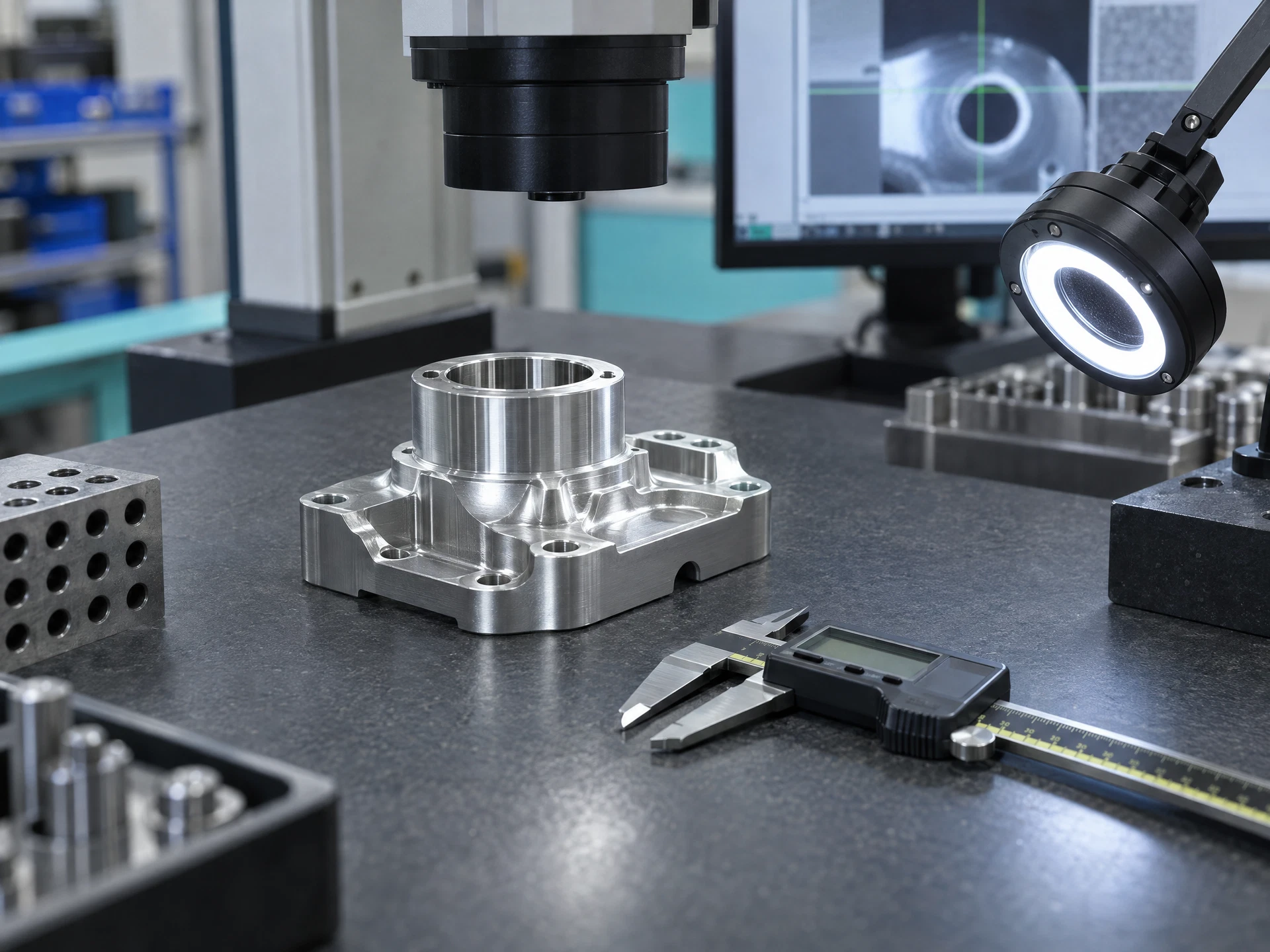
Define evidence boundaries and retain technical and quality approvals.

Structure controlled drafts for operators, engineers and support.
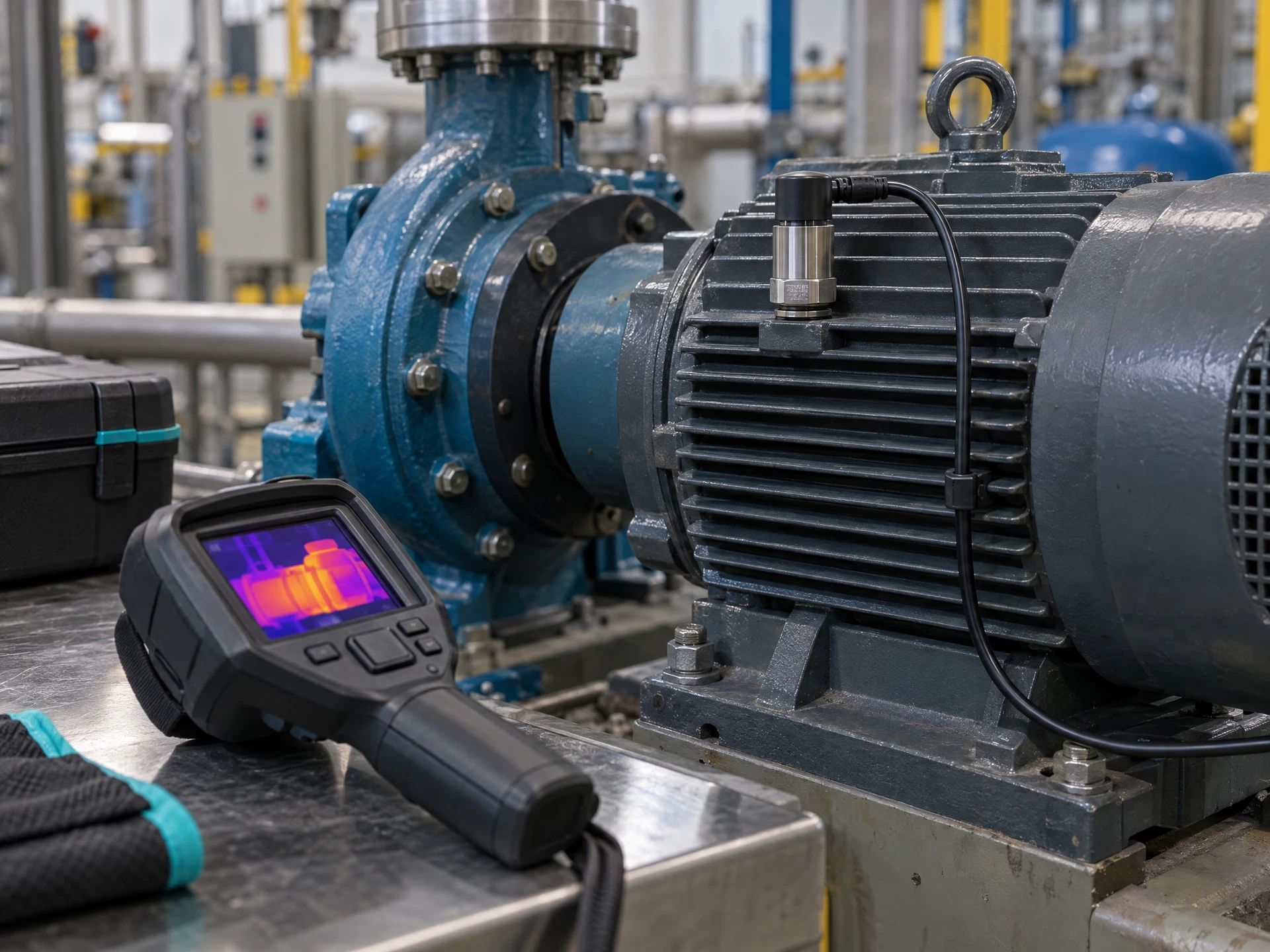
Have competent humans verify accuracy, clarity and safety decisions.

Pilot under change control and determine the next step.
Use the materials with a competent workplace owner and the appropriate approvals.
The five-stage flow uses AI-created fictional scenes; the people, equipment, interfaces and facilities are not actual AIGreen Plus staff, learners, clients or factories. Course images are category-specific examples. Pending assets are labelled in progress; unavailable artwork is suppressed rather than replaced with unrelated imagery.
Share the course title, participant roles and learning priorities. AIGreen Plus will confirm syllabus, tools, availability, delivery language, format and quotation.
Do not send confidential production data, account details or personal information in an enquiry.
