


Frame safe quality-control use cases
Identify suitable AI-assisted tasks in inspection, reporting and quality coordination while setting boundaries for confidential data, human review and authorised decisions.
This proposed course helps Malaysian manufacturing QA/QC and operations teams use AI to organise inspection evidence, analyse recurring quality issues and prepare reviewable documentation. It emphasises traceability, data protection and authorised human approval rather than automated acceptance, release or compliance decisions.
Proposed course outline; tools, dates, format, duration and fees must be confirmed with AIGreen Plus.

AI for Quality Control and Quality Assurance is a proposed course for Malaysian manufacturers that want practical AI support for inspection notes, defect trends, nonconformance records and corrective-action preparation. Participants learn to structure prompts, protect sensitive data and verify every output against approved evidence, while authorised quality owners retain pass/fail, release, safety, audit and compliance decisions.
This is a proposed training outline, not a confirmed schedule or a promise of commercial results. Use fictional or approved examples and keep decisions with the responsible people.
Learning objectives describe practice, not guaranteed business results.
Identify suitable AI-assisted tasks in inspection, reporting and quality coordination while setting boundaries for confidential data, human review and authorised decisions.
Turn fictional or sanitised observations into organised summaries, defect categories and follow-up questions without inventing measurements, causes or acceptance results.
Use AI to prepare reviewable drafts for NCR, CAPA and recurring-defect analysis, keeping source links, assumptions, version control and approval responsibilities visible.
Define a low-risk pilot, reviewer checks, escalation points and evaluation questions so an authorised quality owner can approve or reject the proposed workflow.
Prompt → Check → Revise → Review
Use AI to support suitable tasks. Manufacturing, quality, safety and business decisions remain with the people responsible.
Course visuals are AI-created fictional scenes; people and facilities do not depict actual AIGreen Plus staff, learners or client events.
A QA inspector uses a fictional inspection sheet to organise observations, evidence references and follow-up questions. The inspector checks every generated label and measurement against the source; an authorised quality owner approves the final record.
A production and quality team supplies sanitised monthly defect data to produce a neutral trend summary and investigation questions. Process owners verify counts, causes and proposed actions before any CAPA or process change is accepted.
A quality-system coordinator uses a mock document set to organise evidence by internal checklist topic and flag missing records. The exercise is documentation and analysis support only; current official requirements and compliance conclusions remain with authorised owners.
Examples are fictional or sanitised proposals, not AIGreen Plus client case studies or verified results.
These points describe AIGreen Plus's proposed course approach, not an independent competitor comparison or a claim that other providers do not offer similar content. Confirm the syllabus, tools, availability, delivery details and fit with AIGreen Plus.
| Potential point of difference | AIGreen Plus's approach | Why it may matter to a factory |
|---|---|---|
| Quality-workflow specificity | The proposed outline follows inspection evidence, defect classification, NCR, CAPA, trend review and audit-document preparation. | QA/QC and production teams can discuss concrete Malaysian manufacturing workflows rather than only general AI concepts. |
| Traceability before convenience | Exercises require source checking, uncertainty flags, version awareness and visible human approval for quality records. | Participants practise keeping AI assistance reviewable and preventing unsupported text from becoming an operational record. |
| Responsible boundaries for regulated work | The proposed course treats AI as documentation and analysis support for ISO, HACCP, FSSC, ESG, safety and compliance topics. | Authorised owners retain inspection, release, audit, safety and compliance judgment, with current official sources checked separately. |
| Pilot-ready team discussion | The closing module turns a selected low-risk quality use case into a governed pilot brief with reviewers and escalation points. | Leaders can decide what to confirm, restrict or test without assuming savings, integrations or tool access. |
On small screens, scroll horizontally inside the table to compare all three columns.
Eight proposed modules are shown in a structured table for easy review. Confirm the final syllabus, depth, tools, duration and delivery format with AIGreen Plus.
On small screens, scroll horizontally inside the course outline table to see every column.
| Module | Focus | Key points | Practice exercise |
|---|---|---|---|
| 01AI foundations for quality teams | Understand how AI can assist quality documentation and analysis, and where inspection, release and compliance judgment must remain with authorised people. |
| Review a fictional inspection summary, mark facts versus assumptions, and create a human-review checklist before asking an AI tool for a draft. |
| 02Quality data preparation and prompt design | Create clear, traceable prompts using structured inspection context, defined terminology, approved source material and a specified output format. |
| Convert a vague request about a fictional dimensional inspection into a structured prompt, then compare the response with the sanitised source sheet. |
| 03Inspection records and defect classification | Use AI to organise inspection observations and suggest consistent categories without allowing it to make pass/fail, rejection or product-release decisions. |
| Classify a fictional set of visual and dimensional observations with an approved mock taxonomy, then have an inspector verify every label and unresolved item. |
| 04Root-cause and corrective-action support | Prepare evidence-led questions and draft analysis for recurring defects while avoiding unsupported causal claims or unattended corrective-action approval. |
| Use a sanitised fictional defect trend to draft 5-Why-style questions and candidate CAPA actions, then ask the process owner to validate the evidence and disposition. |
| 05Nonconformance and document control | Make NCR, deviation and quality-record drafting more consistent while preserving traceability, controlled wording, version history and formal approval steps. |
| Prepare a review draft from a fictional NCR and compare each field with the source log, highlighting missing evidence and changes that cannot be auto-approved. |
| 06Quality metrics and recurring-defect trends | Use AI to summarise approved quality data and frame trend questions without treating generated patterns as statistically validated conclusions. |
| Analyse a fictional monthly defect table, ask for a neutral trend summary, and reconcile every count and conclusion against the supplied data before presenting it. |
| 07Audit, food-safety and compliance documentation support | Explore responsible AI assistance for audit preparation and evidence organisation while keeping official requirements and regulated judgment with authorised owners. |
| Organise a fictional audit-evidence index for a mock quality process, then have the authorised owner verify source currency, scope, gaps and any compliance wording. |
| 08Quality-data review and controlled-pilot sign-off | Design a small, reviewable AI quality pilot with clear roles, safeguards, evaluation questions and an approval path for Malaysian manufacturing operations. |
| Draft a pilot brief for fictional inspection-summary support, including scope, prohibited uses, reviewer checks, exception handling and an approval decision gate. |
The proposed syllabus covers AI foundations, prompt and data preparation, inspection records, defect classification, CAPA and NCR support, quality trends, audit documentation and governed pilot planning. Confirm the final scope with AIGreen Plus.
AI may help organise inspection notes, classify records using an approved taxonomy, summarise verified trends and draft follow-up questions. It should support—not replace—measurement, inspection, acceptance, release and escalation controls.
No. In this proposed course, AI output is a draft or analysis aid. Authorised inspectors and quality owners must verify evidence and make pass/fail, rejection, release, safety and disposition decisions.
Yes, as support for organising evidence, separating symptoms from hypotheses and drafting investigation questions. Process and quality owners must verify causes, approve actions and confirm effectiveness using authorised procedures.
It may help index supplied records or draft neutral summaries, but it does not establish compliance or certification. Use current official sources and controlled procedures, and leave interpretations and conclusions to authorised owners.
Use fictional or sanitised inspection sheets, defect logs and quality records. Do not enter confidential, personal, customer, proprietary or restricted data unless the organisation has explicitly approved that use and the tool arrangement.
It suits QA/QC managers and inspectors, production supervisors, quality-system or CAPA owners and manufacturing SME leaders. Basic familiarity with inspection or quality records is helpful; advanced AI knowledge is not assumed.
The tools and account requirements are proposed and should be confirmed with AIGreen Plus. Verify current vendor access, plan features, privacy terms and organisational approval before using any named or shared AI service.
No. The course does not promise compliance, certification, savings, rankings or business results. It provides a proposed learning framework for responsible quality-workflow experimentation subject to human verification and approval.
Ask AIGreen Plus to confirm the proposed syllabus, tools, delivery format, language, availability and commercial details. Share participant roles and learning priorities, but do not send confidential factory or customer information.
How can a Malaysian manufacturing QA team pilot AI for inspection records, defect trends and CAPA drafts without handing over quality decisions?
AI quality control training Malaysia teams can use this course to organise inspection evidence, classify defects, prepare nonconformance and CAPA drafts, and frame neutral trend questions. Participants use fictional or sanitised data, retain source links and version history, and leave pass/fail, release, safety, audit and compliance decisions to authorised quality owners.
A practical course proposal. Select approved tools and sample data under your organisation's policy; keep operational, safety, quality and other authorised decisions with the responsible people.
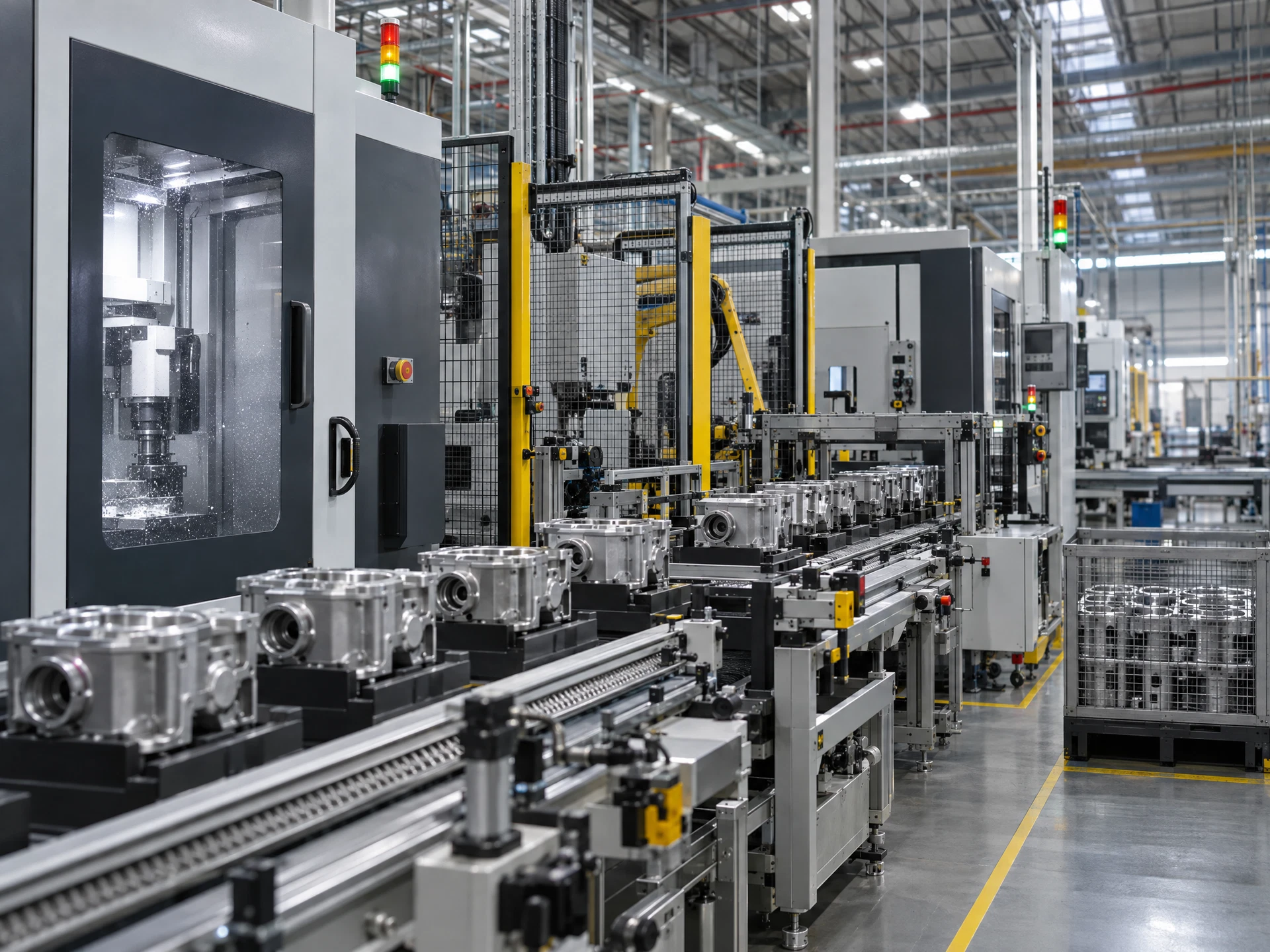
Choose bounded documentation support without delegating quality decisions.

Define evidence, data protections and human approval boundaries.

Build traceable drafts without inventing measurements or conclusions.
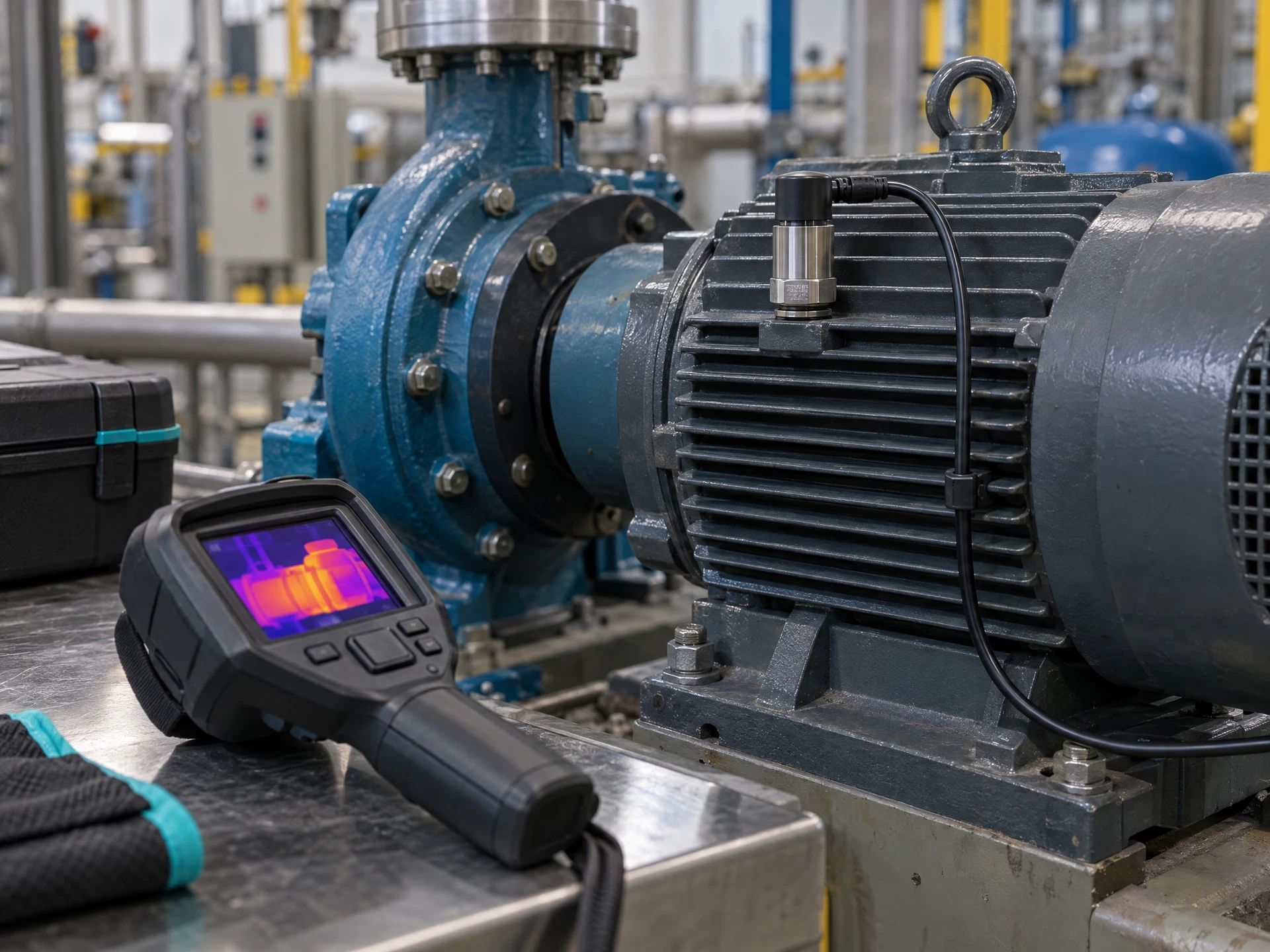
Verify fidelity, classifications and controlled wording before piloting.

Pilot cautiously, measure quality and decide next steps.
Use the materials with a competent workplace owner and the appropriate approvals.
The five-stage flow uses AI-created fictional scenes; the people, equipment, interfaces and facilities are not actual AIGreen Plus staff, learners, clients or factories. Course images are category-specific examples. Pending assets are labelled in progress; unavailable artwork is suppressed rather than replaced with unrelated imagery.
Share the course title, participant roles and learning priorities. AIGreen Plus will confirm syllabus, tools, availability, delivery language, format and quotation.
Do not send confidential production data, account details or personal information in an enquiry.
