


Frame production-management questions
Translate operational issues into clear AI-assisted tasks, identify the source records required and separate reported facts from assumptions or recommendations.
This proposed course helps Malaysian manufacturing teams explore AI-assisted production planning, shop-floor communication, quality analysis, materials coordination and improvement work. Activities use fictional or sanitised information, with human verification and approval; the syllabus, tools and availability should be confirmed with AIGreen Plus.
Proposed course outline; tools, dates, format, duration and fees must be confirmed with AIGreen Plus.
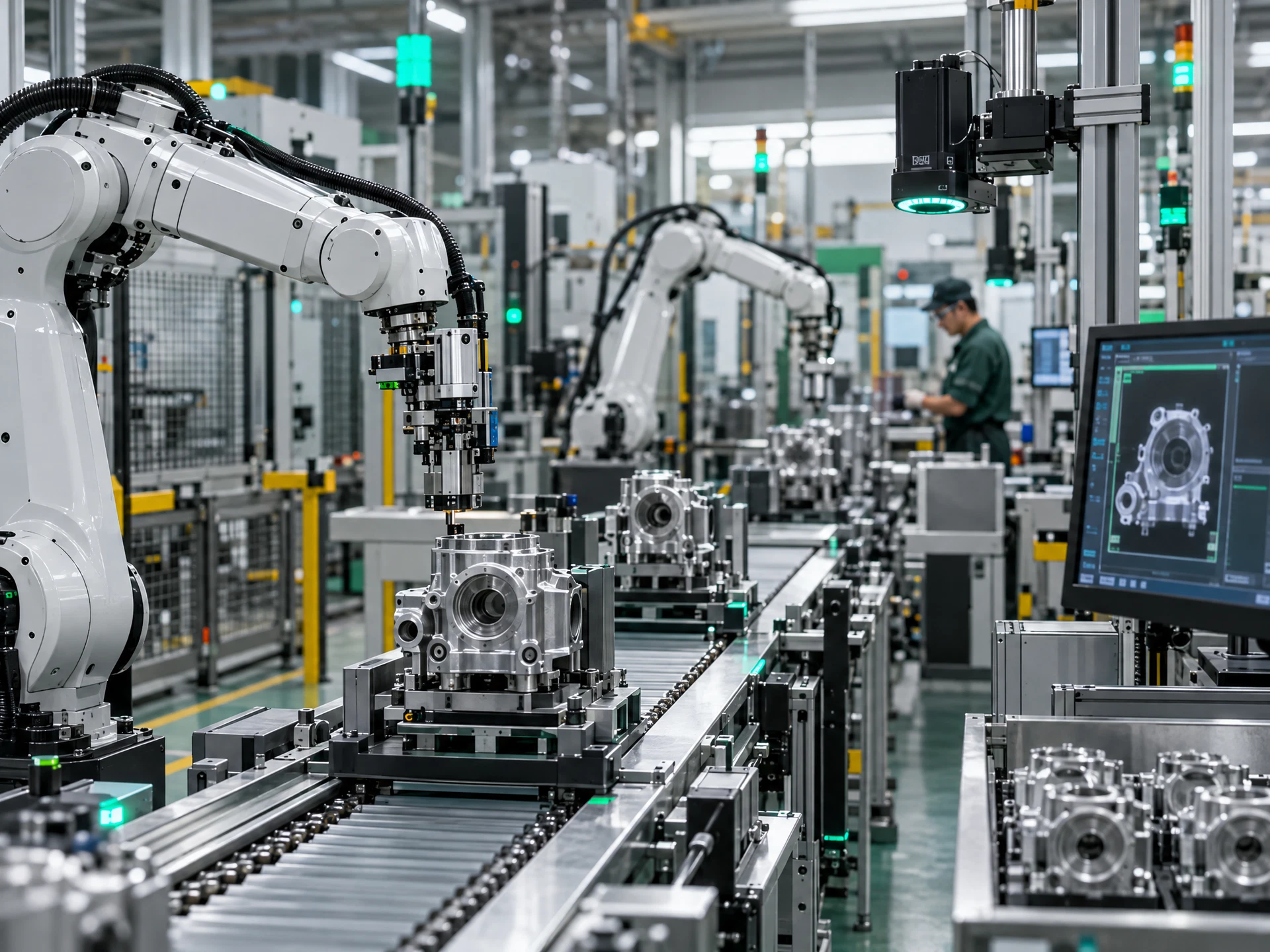
AI for Manufacturing and Production Management is a proposed practical course for Malaysian production managers, planners, supervisors and support teams. It shows how AI can help structure production data, draft schedules and handovers, analyse quality or downtime records, and coordinate warehouse or procurement follow-up, while authorised people retain decisions, verify outputs and approve operational action.
This is a proposed training outline, not a confirmed schedule or a promise of commercial results. Use fictional or approved examples and keep decisions with the responsible people.
Learning objectives describe practice, not guaranteed business results.
Translate operational issues into clear AI-assisted tasks, identify the source records required and separate reported facts from assumptions or recommendations.
Create reviewable drafts for capacity discussions, schedule constraints, shift handovers, escalation notes and daily production communication without delegating accountable decisions to AI.
Structure fictional or sanitised QA/QC observations, downtime narratives, warehouse exceptions and procurement follow-up so responsible teams can investigate and act from approved records.
Define data boundaries, reviewer roles, approval points and pilot questions for a low-risk manufacturing use case, with human verification and no promise of a particular business result.
Prompt → Check → Revise → Review
Use AI to support suitable tasks. Manufacturing, quality, safety and business decisions remain with the people responsible.
Course visuals are AI-created fictional scenes; people and facilities do not depict actual AIGreen Plus staff, learners or client events.
A production planner uses a sanitised order list, changeover assumptions and a mock maintenance constraint to ask AI for clearly labelled planning options. The team checks feasibility against approved records; the responsible planner retains the schedule decision.
A supervisor supplies fictional shift notes and downtime narratives to create a concise production review pack for operations and maintenance. Participants check line references, times, quantities and action owners before any brief is circulated.
QA/QC, warehouse and procurement staff organise a mock defect observation, receiving discrepancy and material-shortage note into separate investigation questions and actions. Outputs remain drafts, and authorised personnel verify quality, purchasing and inventory decisions.
Examples are fictional or sanitised proposals, not AIGreen Plus client case studies or verified results.
This is AIGreen Plus's proposed approach for this course, not an independent competitor comparison or a claim that other providers lack similar content. Confirm the final syllabus, tools, delivery scope and availability with AIGreen Plus.
| Potential point of difference | AIGreen Plus's approach | Why it may matter to a factory |
|---|---|---|
| Production-management sequence | The proposed learning path moves from data and problem framing through planning, shop-floor control, quality, maintenance, materials and pilot governance. | Teams can connect AI practice to the handoffs that shape daily production work rather than treating AI as an isolated office topic. |
| Cross-functional Malaysian context | Exercises use fictional or sanitised scenarios familiar to production, QA/QC, warehouse, procurement, maintenance and office support roles in Malaysian manufacturing. | Participants can discuss local workflow realities while keeping confidential factory records out of practice activities. |
| Human-owned controls | Every proposed use includes source checking, reviewer ownership, approval points and escalation for quality, safety, inventory or commercial decisions. | AI is positioned as assistance for analysis and documentation, not as an unattended scheduler, inspector, buyer or compliance authority. |
| Pilot before wider adoption | The course ends with a bounded, low-risk pilot brief and evaluation questions instead of a promise of savings, integration or guaranteed outcomes. | An organisation can confirm its own policy, tools, data boundaries and process-owner approval before deciding whether to proceed. |
On small screens, scroll horizontally inside the table to compare all three columns.
Eight proposed modules are shown in a structured table for easy review. Confirm the final syllabus, depth, tools, duration and delivery format with AIGreen Plus.
On small screens, scroll horizontally inside the course outline table to see every column.
| Module | Focus | Key points | Practice exercise |
|---|---|---|---|
| 01AI Foundations for Production Management | Understand where AI can assist manufacturing coordination and where operational, quality, safety and commercial judgment must remain with authorised people. |
| Review a fictional factory-day scenario, map possible AI support tasks, and label each proposed output with its source, reviewer and approval requirement. |
| 02Production Data and Problem Framing | Turn operational records into precise questions that an AI tool can help organise without obscuring data quality or context. |
| Use a sanitised production log to write a structured analysis prompt, then compare the resulting summary against every supplied record and mark gaps. |
| 03Planning, Scheduling and Capacity Support | Use AI to structure planning inputs and alternatives while keeping feasibility checks and schedule commitments with the production team. |
| Build two draft responses to a fictional capacity constraint, then have planners verify material availability, changeover assumptions and ownership before selecting a discussion option. |
| 04Shift Handover and Daily Production Control | Improve the clarity of shop-floor updates, escalation notes and daily management discussions without adding unsupported operational detail. |
| Turn fictional shift notes into a handover and escalation brief, then conduct a line-by-line check for invented facts, unclear owners and missing approvals. |
| 05QA/QC Analysis and Corrective-Action Support | Structure quality observations and investigation questions while treating AI as documentation and analysis support only, not as an inspector or release authority. |
| Analyse a fictional defect log into evidence, hypotheses and verification questions, then have QA/QC personnel remove any unsupported cause or disposition. |
| 06Downtime, Maintenance and Reliability Workflows | Use AI to make downtime narratives, maintenance notes and follow-up actions easier to review, without claiming predictive capability or replacing engineering judgment. |
| Group a fictional downtime record into review themes and draft a maintenance meeting agenda, then verify each theme against the original notes and equipment owner input. |
| 07Materials, Warehouse and Procurement Coordination | Connect production needs with material, inventory and supplier communication drafts while preserving stock, purchasing and supplier-approval controls. |
| From a mock shortage and receiving discrepancy, prepare an action tracker for planning, warehouse and procurement, then reconcile every quantity and commitment with the source. |
| 08Production-management pilot review and ownership handover | Design a controlled first use for manufacturing AI with clear safeguards, evaluation questions and ownership rather than promises of savings or automatic transformation. |
| Draft a fictional pilot brief for shift-handover support, including scope, excluded decisions, review checks, approval steps and questions for the process owner. |
It is a proposed course on using AI to organise production data, planning inputs, shift communication, quality observations, downtime notes and materials follow-up. AI outputs remain drafts that authorised staff verify and approve.
It suits production managers, supervisors, planners, industrial engineers, QA/QC, maintenance, warehouse, procurement and continuous-improvement staff who coordinate manufacturing work or its supporting reports.
The proposed examples reflect Malaysian manufacturing team contexts such as shift handovers, capacity constraints, QA/QC follow-up, warehouse discrepancies, supplier coordination and management reporting, using fictional or sanitised information.
Practice covers problem framing, production summaries, schedule-option drafts, shift handovers, daily control notes, downtime reviews, material exceptions and cross-functional action lists.
No. AI may help structure constraints or draft alternatives, but planners and authorised production managers must verify capacity, materials, priorities, safety and commitments before approving a schedule.
AI is treated as documentation and analysis support only. It does not replace inspection, release, safety assessment, compliance review or professional judgment; current official sources and authorised owners remain necessary.
Use fictional or sanitised logs, schedules, downtime notes, defect observations and inventory examples. Do not enter confidential, personal, customer or proprietary information unless the organisation has explicitly approved that use.
Tools, account access and any integration work are not guaranteed in this proposed record. Confirm current vendor features, organisational approval, data terms and delivery requirements with AIGreen Plus before the course.
It can help a team draft a bounded pilot brief with a process owner, safeguards, review steps and evaluation questions. Any pilot scope, tools, availability and success criteria require organisational approval and confirmation with AIGreen Plus.
No. Duration, fees, certificate arrangements and HRD Corp eligibility are not specified here. Ask AIGreen Plus to confirm current commercial and administrative details before planning participation.
How can a Malaysian manufacturing team pilot AI for production management without handing over operational decisions?
Choose a low-risk task such as drafting a shift brief, structuring sanitised downtime notes or comparing capacity options. Define data and approval limits, configure a reviewable template, test outputs against approved records with a competent human, then run a small pilot and decide whether to continue, revise or stop.
A practical course proposal. Select approved tools and sample data under your organisation's policy; keep operational, safety, quality and other authorised decisions with the responsible people.
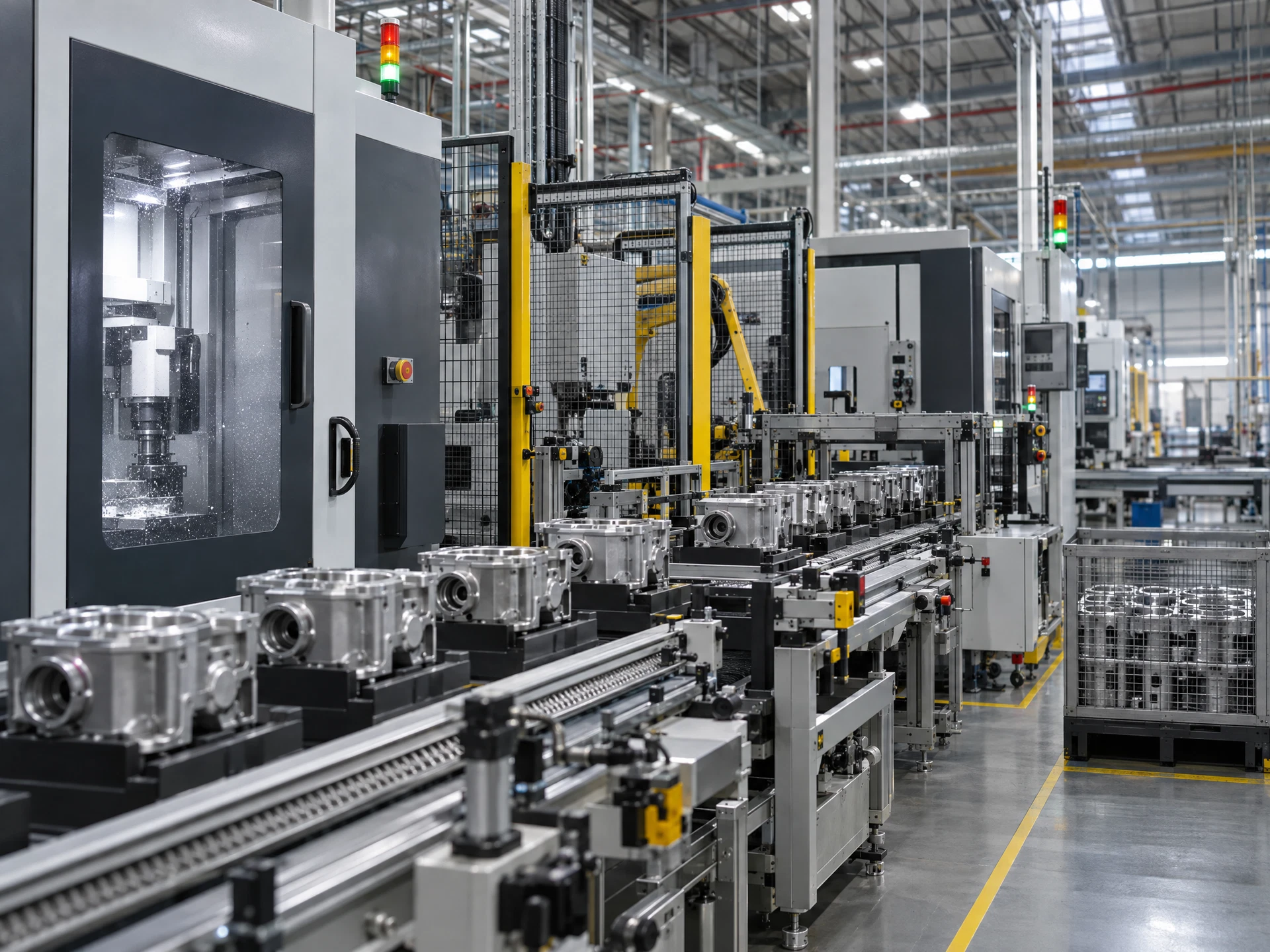
Select low-risk drafting while humans retain decision authority.

Control inputs and reviews through named human approvals.

Create repeatable templates for clearly labelled manufacturing drafts.

Verify source facts and draft usability before circulation.

Assess clarity, reviewability and suitability through limited piloting.
Use the materials with a competent workplace owner and the appropriate approvals.
The five-stage flow uses AI-created fictional scenes; the people, equipment, interfaces and facilities are not actual AIGreen Plus staff, learners, clients or factories. Course images are category-specific examples. Pending assets are labelled in progress; unavailable artwork is suppressed rather than replaced with unrelated imagery.
Share the course title, participant roles and learning priorities. AIGreen Plus will confirm syllabus, tools, availability, delivery language, format and quotation.
Do not send confidential production data, account details or personal information in an enquiry.
