


Map responsible AI opportunities
Map inventory and warehouse workflows to identify suitable low-risk AI assistance while keeping stock, purchasing, quality-status and operational decisions with authorised owners.
Explore a proposed AI for inventory and warehouse management course for Malaysian manufacturing teams, from demand signals and reorder review to receiving, storage, picking, cycle counts and exception communication. Practise with fictional or sanitised records while authorised staff verify data, policies and decisions.
Proposed course outline; tools, dates, format, duration and fees must be confirmed with AIGreen Plus.
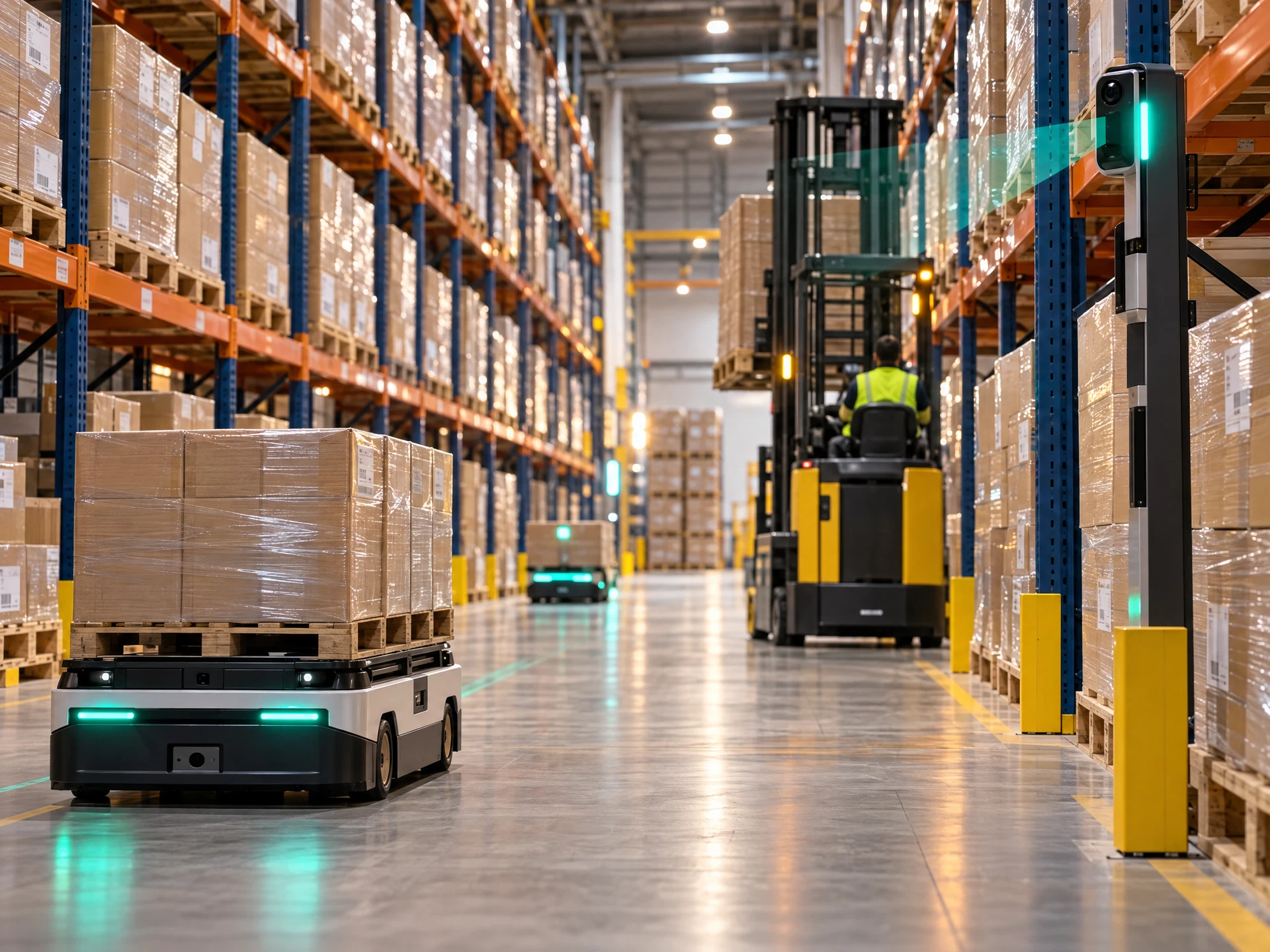
AI for Inventory and Warehouse Management is a proposed course that shows Malaysian manufacturing teams how to use AI for structured inventory analysis, replenishment review, warehouse communication and exception follow-up. It keeps purchasing, stock adjustment, quality status, safety and operational decisions with authorised people, using fictional or sanitised examples and human verification throughout.
This is a proposed training outline, not a confirmed schedule or a promise of commercial results. Use fictional or approved examples and keep decisions with the responsible people.
Learning objectives describe practice, not guaranteed business results.
Map inventory and warehouse workflows to identify suitable low-risk AI assistance while keeping stock, purchasing, quality-status and operational decisions with authorised owners.
Prepare clear prompts, templates and review tables for SKU data, units of measure, locations, open orders, receipts and warehouse exceptions.
Use fictional or sanitised records to organise demand, replenishment, receiving and cycle-count signals, then flag assumptions and questions instead of treating AI output as a final decision.
Define reviewer roles, data boundaries, approval steps, escalation routes and simple evaluation questions for a proposed inventory or warehouse AI pilot.
Prompt → Check → Revise → Review
Use AI to support suitable tasks. Manufacturing, quality, safety and business decisions remain with the people responsible.
Course visuals are AI-created fictional scenes; people and facilities do not depict actual AIGreen Plus staff, learners or client events.
A materials planner uses fictional weekly usage, open purchase orders and supplier lead-time notes for a Malaysian manufacturing cell. AI organises a proposed exception list and questions; the planner checks source records and keeps reorder approval with the authorised procurement owner.
A warehouse team works from sanitised purchase-order, delivery-note and pallet-label examples to draft a discrepancy note and put-away questions. Storekeeping and relevant quality owners verify quantities, status, lot information and locations before any stock action.
Operations and finance review a fictional bin-count extract with movement notes and ageing categories. AI helps structure a neutral variance brief and action list, while authorised staff confirm recounts, adjustments, traceability and follow-up ownership.
Examples are fictional or sanitised proposals, not AIGreen Plus client case studies or verified results.
These points describe AIGreen Plus's proposed approach for this course, not an independent competitor comparison or a claim that other providers do not offer similar content. Confirm the syllabus, tools, availability and delivery scope with AIGreen Plus.
| Potential point of difference | AIGreen Plus's approach | Why it may matter to a factory |
|---|---|---|
| Inventory-to-warehouse workflow coverage | The proposed sequence follows data foundations, replenishment, receiving, put-away, picking, counting, reporting and governance. | Learners can connect AI practice to the hand-offs that affect production material availability and stock accuracy. |
| Manufacturing role-based practice | Exercises use fictional or sanitised scenarios for planners, procurement, storekeepers, operations, QA/QC and finance. | Teams can discuss shared responsibilities and review points across Malaysian manufacturing workflows without exposing live records. |
| Control-aware analysis | AI output is treated as a draft for checking; source records, segregation of duties, approval limits and authorised decisions remain central. | The course supports careful review rather than unattended stock adjustments, purchasing, release or dispatch decisions. |
| Pilot planning with practical safeguards | The proposed final module turns one low-risk use case into a scoped pilot brief with data boundaries, reviewers, escalation and evaluation questions. | A team can discuss responsible next steps without promises of savings, integration, rankings or guaranteed business outcomes. |
On small screens, scroll horizontally inside the table to compare all three columns.
Eight proposed modules are shown in a structured table for easy review. Confirm the final syllabus, depth, tools, duration and delivery format with AIGreen Plus.
On small screens, scroll horizontally inside the course outline table to see every column.
| Module | Focus | Key points | Practice exercise |
|---|---|---|---|
| 01Responsible AI for Inventory and Warehouse Control | Understand where AI can assist inventory work and where established controls, authorised owners and source records remain essential. |
| Map a fictional Malaysian factory warehouse flow from purchase order to dispatch, marking suitable AI support, restricted data and every decision that needs an authorised reviewer. |
| 02Inventory Data and Master-Record Foundations | Create a reliable review structure for items, units, locations and stock statuses before asking AI to summarise or analyse information. |
| Clean a sanitised stock-list extract with fictional SKUs and bin codes, then produce a data-quality issue list without changing the source record. |
| 03Demand Signals and Replenishment Review | Organise usage, open orders and lead-time assumptions into a reviewable replenishment discussion without authorising automatic purchasing. |
| Use fictional weekly usage, open purchase orders and supplier lead-time notes to build an exception review table, then have the planner verify each assumption. |
| 04Receiving, Put-Away and Location Accuracy | Support clearer receiving and put-away communication while preserving quantity, lot, condition and location traceability. |
| Review a fictional delivery with quantity and label mismatches, draft a receiving discrepancy note and compare every statement with the mock documents before supervisor approval. |
| 05Picking, Packing and Dispatch Exceptions | Create reviewable pick and dispatch information while authorised warehouse staff control allocation, substitutions and shipment release. |
| From a sanitised fictional pick list and bin report, draft an exception queue for a warehouse supervisor and verify each quantity and location against the supplied records. |
| 06Cycle Counts, Variance and Root-Cause Review | Analyse mock count differences and organise investigation questions without altering a stock ledger or assigning blame automatically. |
| Analyse a fictional cycle-count variance across several bins, produce a neutral investigation brief and mark which findings require recount, document review or owner confirmation. |
| 07Warehouse KPIs, Alerts and Team Communication | Turn inventory and warehouse records into concise role-based summaries while defining metrics and alert thresholds carefully. |
| Build a fictional weekly warehouse review with stock-accuracy, ageing and open-exception indicators, then check definitions, source fields and escalation wording with the team. |
| 08Inventory exception-pilot review and escalation controls | Plan a small, reviewable AI use case with clear responsibilities, data boundaries, feedback and change-control expectations. |
| Draft a pilot brief for an inventory-exception review task, including scope, safeguards, reviewer approval, evaluation questions and conditions for stopping or revising the pilot. |
It is a proposed course on using AI to organise inventory data, review replenishment signals, support warehouse communication and investigate exceptions, while authorised people retain transaction, purchasing, quality-status and operational decisions.
The proposed syllabus covers inventory data foundations, demand and reorder review, receiving, put-away, picking, dispatch exceptions, cycle counts, warehouse indicators, governance and a small pilot plan for Malaysian manufacturing teams.
AI can organise usage history, open orders, lead-time notes and questions for planner review. It should not automatically place orders or override approval limits; procurement owners must verify data and authorise any action.
Yes. Exercises use fictional or sanitised receipt, label, quantity and location records to draft discrepancy notes and follow-up questions. Warehouse, QA/QC and other authorised owners verify the source before stock status or records change.
Yes. The course shows how to structure mock physical-count differences, group possible causes and prepare a neutral investigation brief. Recounts, ledger adjustments, traceability checks and approvals remain with authorised personnel.
It is suitable for inventory planners, materials and procurement staff, warehouse supervisors, storekeepers, receiving or dispatch teams, operations managers, QA/QC reviewers and finance or administration staff involved in inventory records.
Use fictional or sanitised SKUs, quantities, locations, suppliers and transaction examples. Do not submit confidential, personal, customer, proprietary or otherwise restricted information unless the organisation has explicitly approved that use.
No particular vendor, plan or account access is promised in this draft. Confirm current tool availability, vendor terms, organisational approval and any data-handling requirements with AIGreen Plus before delivery.
No. AI is presented as documentation and analysis support only. Approved procedures, source records, physical checks, quality decisions, safety requirements and authorised professional judgment remain controlling.
No. Duration, fees, certificate arrangements and HRD Corp eligibility are not specified here. Syllabus, tools, availability and commercial or recognition details should be confirmed directly with AIGreen Plus.
How can a Malaysian manufacturing warehouse team pilot AI for replenishment and exception review without transferring control of purchasing, stock or shipment decisions?
AI for Inventory and Warehouse Management is a proposed course for Malaysian manufacturing teams. It demonstrates how to structure fictional or sanitised inventory records, replenishment signals, receiving and put-away notes, dispatch exceptions, cycle-count variances and KPI summaries for review, while authorised staff retain control of purchasing, stock adjustments, quality status, safety and shipment release.
A practical course proposal. Select approved tools and sample data under your organisation's policy; keep operational, safety, quality and other authorised decisions with the responsible people.
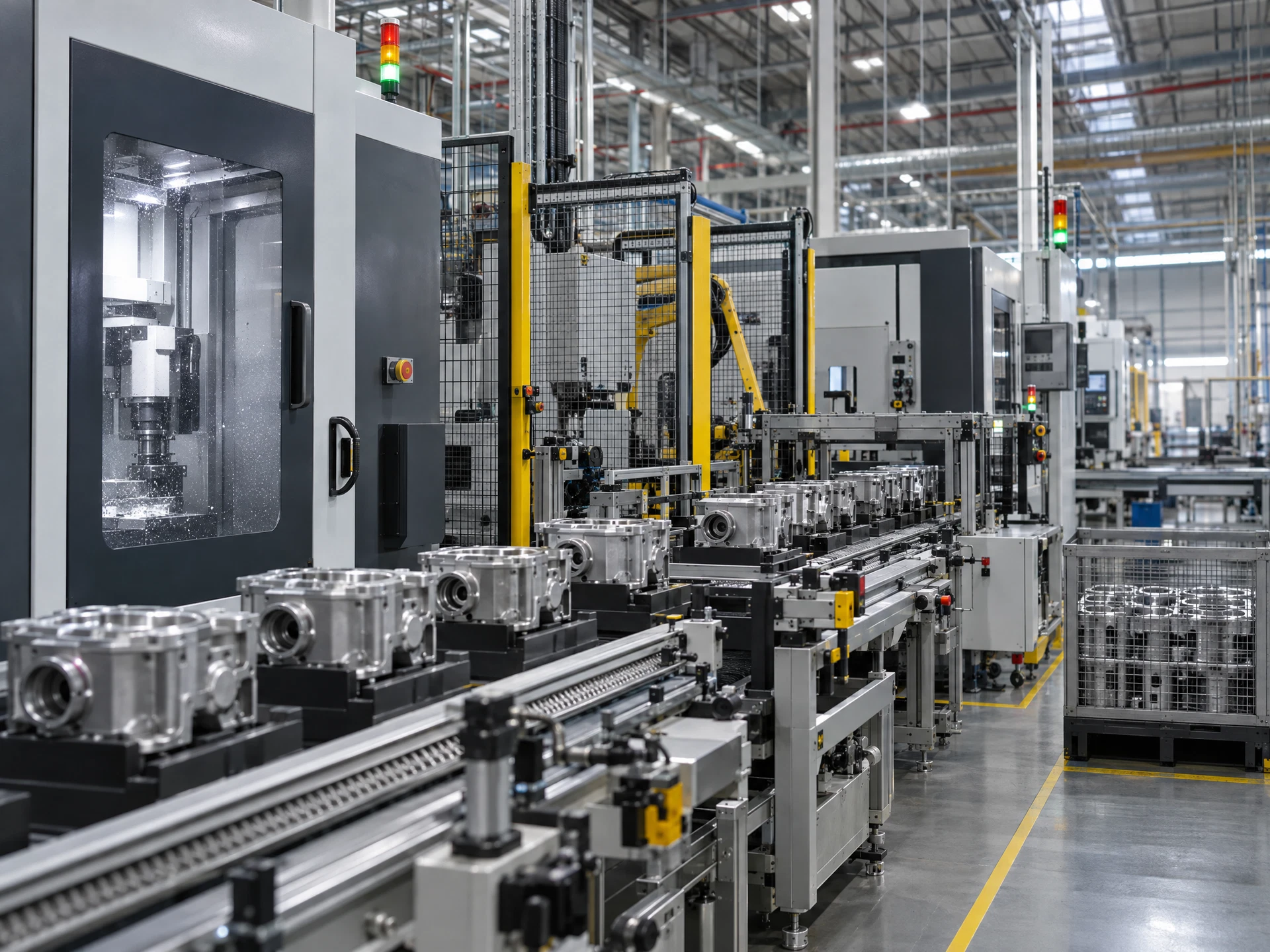
Choose a low-risk, review-only workflow using fictional or sanitised records.

Define sanitised records, boundaries and named human approval gates.

Create a sanitised method producing traceable questions and exceptions.
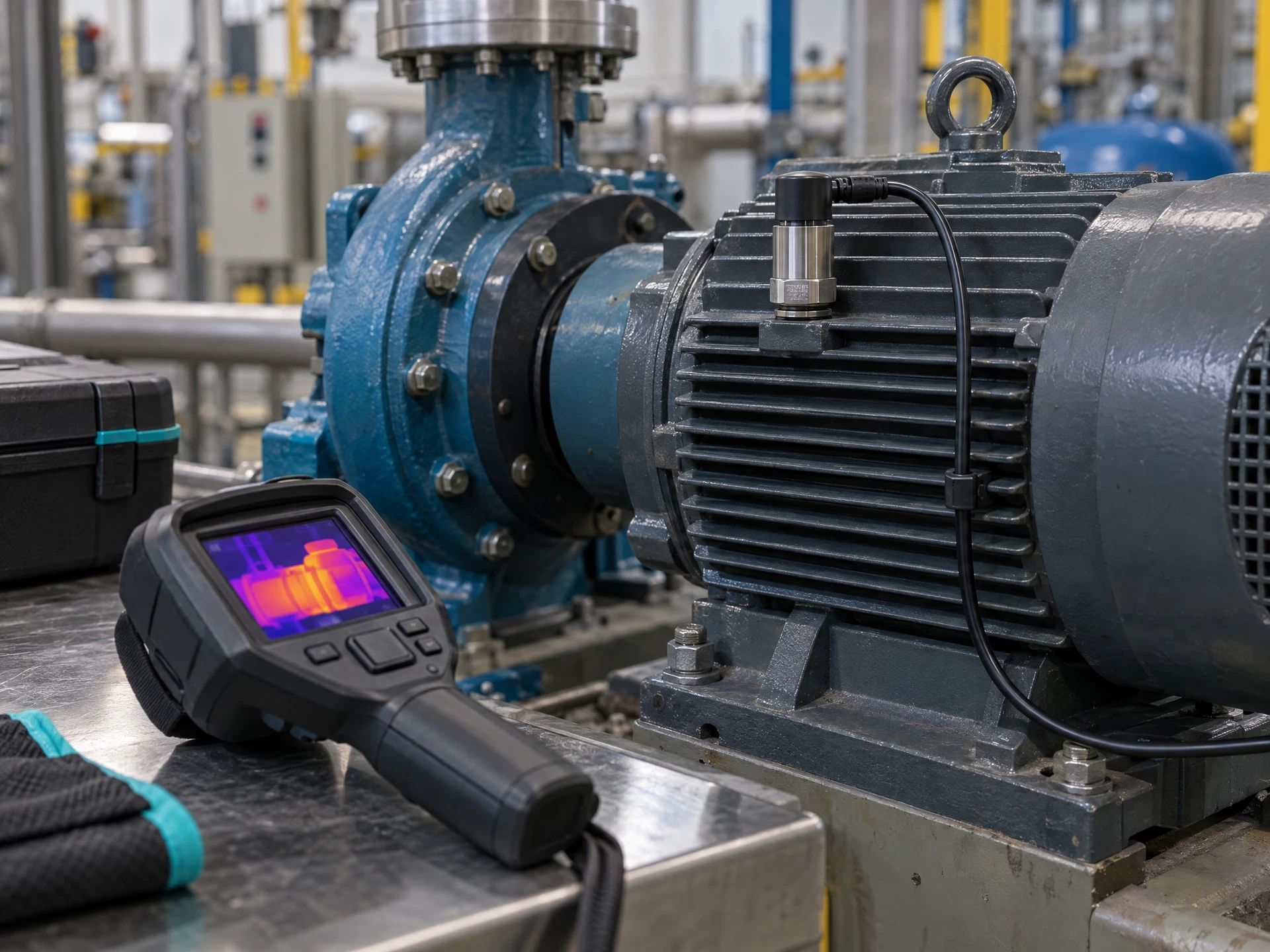
Verify signal accuracy, uncertainty and boundaries with competent reviewers.

Pilot review-only work; measure outcomes and decide next steps.
Use the materials with a competent workplace owner and the appropriate approvals.
The five-stage flow uses AI-created fictional scenes; the people, equipment, interfaces and facilities are not actual AIGreen Plus staff, learners, clients or factories. Course images are category-specific examples. Pending assets are labelled in progress; unavailable artwork is suppressed rather than replaced with unrelated imagery.
Share the course title, participant roles and learning priorities. AIGreen Plus will confirm syllabus, tools, availability, delivery language, format and quotation.
Do not send confidential production data, account details or personal information in an enquiry.
