


Select a workable no-code AI use case
Describe a bounded business problem, its users, source information, expected output and human owner before choosing a prototype approach.
This proposed course helps Malaysian business and manufacturing teams plan, prototype and review simple AI-enabled applications without traditional programming. Learners work with fictional or sanitised operations, QA/QC, warehouse, procurement and office scenarios while keeping data protection and approval responsibilities with authorised people.
Proposed course outline; tools, dates, format, duration and fees must be confirmed with AIGreen Plus.
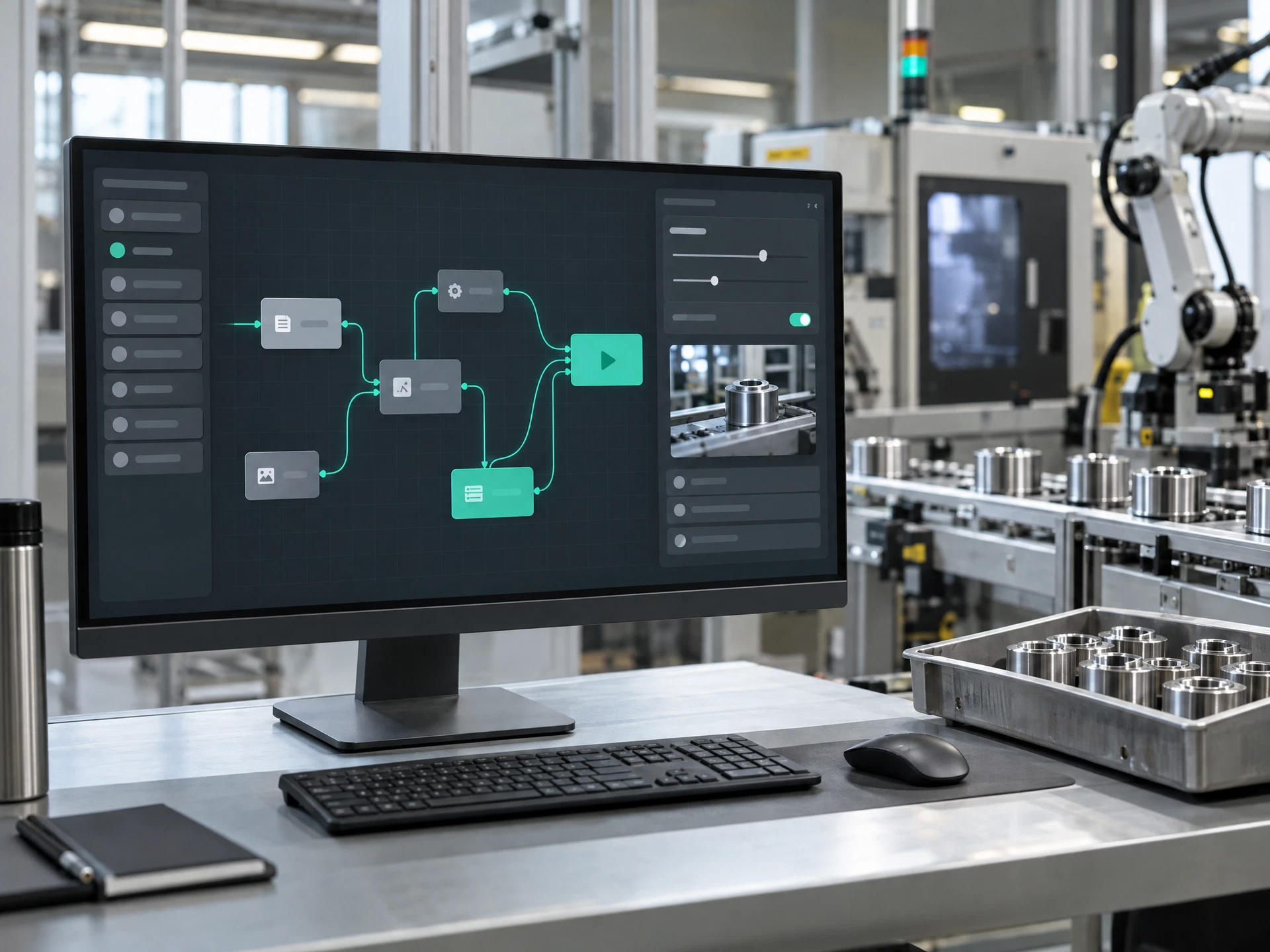
Building AI Applications Without Coding is a proposed No-code AI development course Malaysia teams can use to learn how to scope, prototype, test and govern simple AI-enabled applications without traditional programming. It uses fictional or sanitised manufacturing examples, such as QA/QC queries, warehouse exception intake and procurement follow-up, while keeping data protection, human verification and operational approval with the organisation.
This is a proposed training outline, not a confirmed schedule or a promise of commercial results. Use fictional or approved examples and keep decisions with the responsible people.
Learning objectives describe practice, not guaranteed business results.
Describe a bounded business problem, its users, source information, expected output and human owner before choosing a prototype approach.
Map inputs, instructions, decision points, exception paths and outputs for a simple AI-assisted workflow without relying on traditional programming.
Use fictional or sanitised manufacturing test cases to check accuracy, missing information, inconsistent outputs and escalation needs against an agreed checklist.
Document data boundaries, reviewer roles, approval gates, user guidance and follow-up measures for a small proposed pilot, without treating the prototype as an autonomous decision-maker.
Prompt → Check → Revise → Review
Use AI to support suitable tasks. Manufacturing, quality, safety and business decisions remain with the people responsible.
Course visuals are AI-created fictional scenes; people and facilities do not depict actual AIGreen Plus staff, learners or client events.
A proposed no-code flow receives fictional inspection observations, asks for missing context and prepares a neutral follow-up summary. It does not make pass/fail, release, root-cause or corrective-action decisions; authorised QA/QC personnel verify and approve any usable draft.
Using sanitised mock receiving records, a prototype can organise item references, reported quantities, locations and questions for a supervisor. Each quantity and stock action is checked against the source record, and inventory control remains with the responsible warehouse team.
A fictional supplier-questionnaire workflow can sort supplied evidence into review categories and flag gaps for procurement or sustainability staff. It does not establish ESG, GHG or other compliance status; authorised owners verify current official requirements and approve any conclusion.
Examples are fictional or sanitised proposals, not AIGreen Plus client case studies or verified results.
These points describe AIGreen Plus's proposed approach for this course, not an independent competitor comparison or a claim that other providers do not offer similar content. Confirm the final syllabus, tools, delivery scope and availability with AIGreen Plus.
| Potential point of difference | AIGreen Plus's approach | Why it may matter to a factory |
|---|---|---|
| Manufacturing workflow context | The proposed learning path uses operations, QA/QC, warehouse, procurement, sustainability and office scenarios rather than generic app ideas alone. | Participants can connect no-code concepts to familiar Malaysian business-team processes while practising with fictional or sanitised information. |
| Problem-first tool selection | Learners define users, data boundaries, outputs and approval points before considering an organisation-approved no-code environment. | Teams can evaluate whether a proposed tool and workflow fit their needs instead of assuming a particular vendor or feature set. |
| Testing before reliance | The course proposes normal, incomplete, ambiguous and conflicting test cases with explicit source checking and escalation. | A prototype's limitations become visible before it is considered for a wider workplace pilot. |
| Human-owned governance | Data boundaries, reviewer roles, approval gates, version notes and stop conditions are built into the proposed application plan. | AI remains documentation and analysis support, while authorised people retain operational, quality, safety and compliance judgment. |
On small screens, scroll horizontally inside the table to compare all three columns.
Eight proposed modules are shown in a structured table for easy review. Confirm the final syllabus, depth, tools, duration and delivery format with AIGreen Plus.
On small screens, scroll horizontally inside the course outline table to see every column.
| Module | Focus | Key points | Practice exercise |
|---|---|---|---|
| 01Foundations of no-code AI application design | Understand the building blocks of an AI-enabled application and the boundaries that keep people responsible for business decisions. |
| Map a fictional factory request from user input to reviewed output, labelling the data boundary, responsible person and point where approval is required. |
| 02Use-case discovery and process mapping | Turn a recurring team frustration into a bounded application brief connected to a real process owner and a clear user need. |
| Create a one-page brief for a fictional production handover or procurement follow-up workflow, including users, steps, exceptions and an approval owner. |
| 03Data preparation and knowledge boundaries | Prepare trustworthy, appropriately limited information for a prototype without implying that an AI application knows more than its approved sources. |
| Clean a sanitised warehouse discrepancy set by defining fields, removing unnecessary personal details and listing questions that cannot be answered from the supplied records. |
| 04Instructions, prompts and output design | Specify how an application should interpret a task, ask for missing information and present an output that a person can check. |
| Draft and revise instructions for a fictional QA/QC observation assistant, then compare two outputs and highlight every unsupported statement or missing escalation. |
| 05No-code prototype assembly | Arrange a simple proposed application flow in an organisation-approved no-code environment while checking that the selected tool supports the intended design. |
| Build or storyboard a fictional intake-to-review flow for a warehouse exception, documenting each screen or step and noting any feature that must be confirmed with the tool vendor or AIGreen Plus. |
| 06Manufacturing workflow testing | Test a prototype against realistic but sanitised operations, QA/QC, warehouse and procurement cases before anyone relies on it. |
| Run a fictional set of production-delay, inspection-observation and receiving-discrepancy cases through a proposed workflow, then record pass criteria, failures and required human checks. |
| 07Governance, security and human approval | Define practical safeguards so an AI application supports work without replacing authorised judgment, controlled records or regulated responsibilities. |
| Review a fictional pilot proposal and add data-handling rules, reviewer sign-off, exception handling and a stop condition for unsafe or unreliable outputs. |
| 08Pilot planning and ongoing improvement | Prepare a small, reviewable adoption plan with user guidance, evaluation questions and a process for updating the application as needs change. |
| Draft a proposed pilot brief for an office or warehouse workflow, including safeguards, reviewer responsibilities, evaluation questions and a decision log for the next review. |
It is a proposed practical course on scoping, designing, testing and governing simple AI-enabled applications with no traditional programming. The outline uses role-based Malaysian manufacturing and business examples, subject to confirmation with AIGreen Plus.
Yes, the proposed syllabus is designed for Malaysian teams that want to explore no-code AI prototypes for bounded workflows. Final tools, exercises, delivery arrangements and availability should be confirmed with AIGreen Plus.
No programming background is assumed. Participants should understand at least one workplace process and be ready to describe inputs, outputs, exceptions, data boundaries and human approval requirements.
Examples include a QA/QC observation follow-up assistant, a warehouse discrepancy intake flow, a production coordination aid and a procurement or sustainability evidence organiser. All examples are fictional or sanitised.
It can guide a proposed prototype or storyboard for a bounded use case, but a production-ready build, implementation scope and tool availability are not promised. Confirm organisational approval, vendor access and support requirements with AIGreen Plus.
The final tool choice is not fixed in this record. Use only an organisation-approved environment, and verify current vendor access, plan features, data terms and account requirements with AIGreen Plus before delivery.
Exercises use fictional or sanitised information. Participants define data boundaries and review rules, and should not submit confidential, personal, customer or proprietary data unless their organisation has explicitly approved that use.
No. It may support documentation, triage or analysis, but authorised owners must verify outputs and make QA/QC, safety, ISO, HACCP, FSSC, ESG, GHG and other regulated decisions using current official sources and professional judgment.
Learners compare outputs with approved or sanitised source records, test incomplete and ambiguous cases, log unsupported claims and require a named human reviewer before sharing or acting on a draft.
They are not specified in this proposed content record. Confirm duration, fees, delivery format, certificate arrangements and any HRD Corp eligibility directly with AIGreen Plus before planning participation.
How can a Malaysian manufacturing team scope, prototype and pilot a no-code AI application without coding while retaining human control of data, quality and approval?
Use a bounded workflow: select one recurring task, define approved inputs and human approval gates, prepare fictional or sanitised examples, configure an organisation-approved no-code prototype, test outputs with a competent reviewer, then run a small measured pilot. Continue, revise or stop based on evidence; never delegate safety, release, inventory or compliance judgments to AI.
A practical course proposal. Select approved tools and sample data under your organisation's policy; keep operational, safety, quality and other authorised decisions with the responsible people.

Choose a recurring task for drafts, not decisions.

Define permitted inputs, exceptions and human approval boundaries.

Build a source-grounded prototype using the no-code course method.

Verify draft accuracy, escalation and competent reviewer controls.
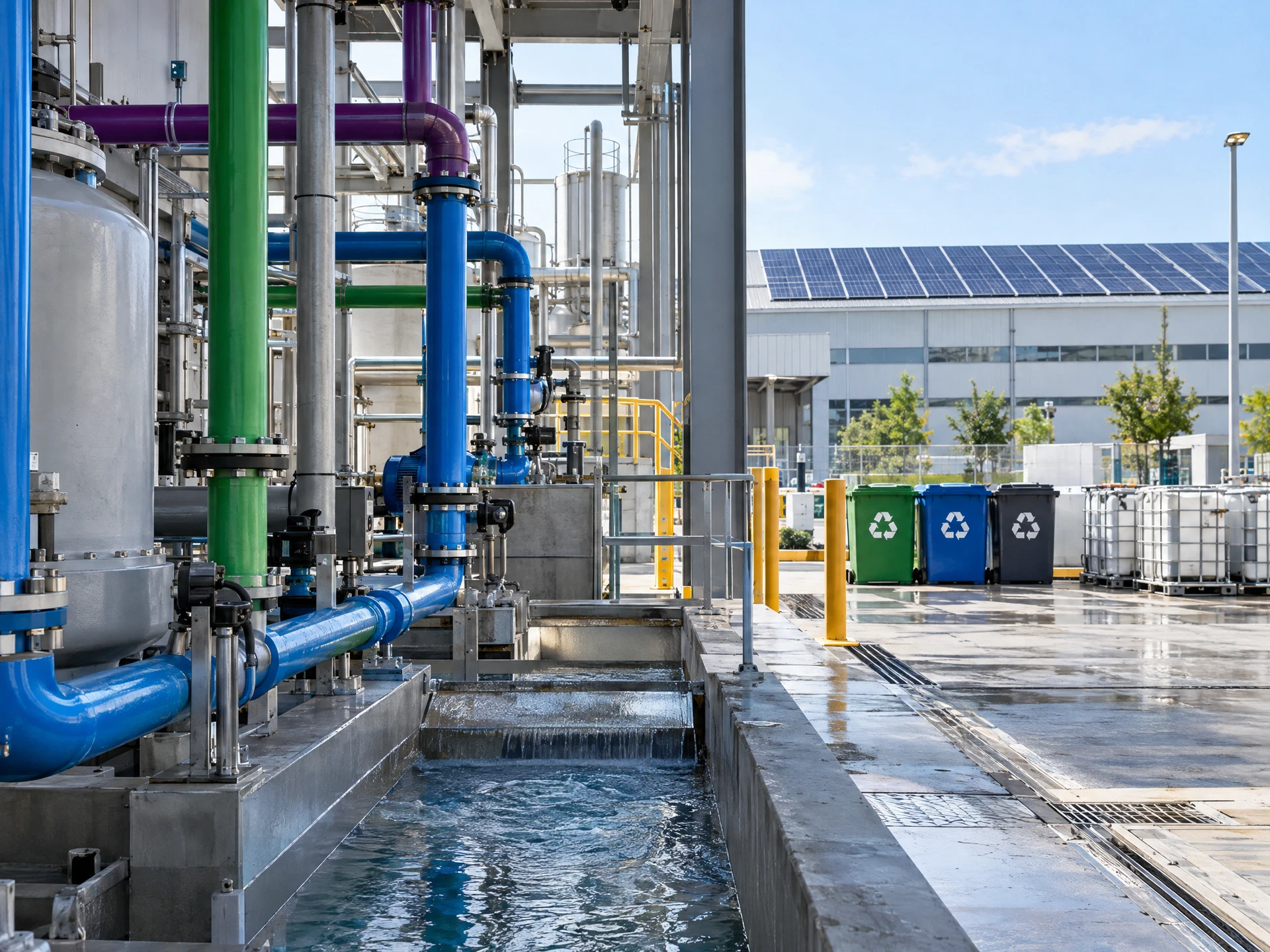
Pilot with human review before deciding next steps.
Use the materials with a competent workplace owner and the appropriate approvals.
The five-stage flow uses AI-created fictional scenes; the people, equipment, interfaces and facilities are not actual AIGreen Plus staff, learners, clients or factories. Course images are category-specific examples. Pending assets are labelled in progress; unavailable artwork is suppressed rather than replaced with unrelated imagery.
Share the course title, participant roles and learning priorities. AIGreen Plus will confirm syllabus, tools, availability, delivery language, format and quotation.
Do not send confidential production data, account details or personal information in an enquiry.
