


Map emissions data to an inventory structure
Organise fictional manufacturing, facilities, procurement and logistics records into activity-data categories and identify missing owners, periods, units and evidence.
This proposed course shows Malaysian manufacturing and business teams how AI can support sustainability data preparation, GHG emissions analysis and reviewable reporting workflows. Exercises use fictional or sanitised operations, procurement, utilities and logistics information; syllabus, tools and availability should be confirmed with AIGreen Plus.
Proposed course outline; tools, dates, format, duration and fees must be confirmed with AIGreen Plus.
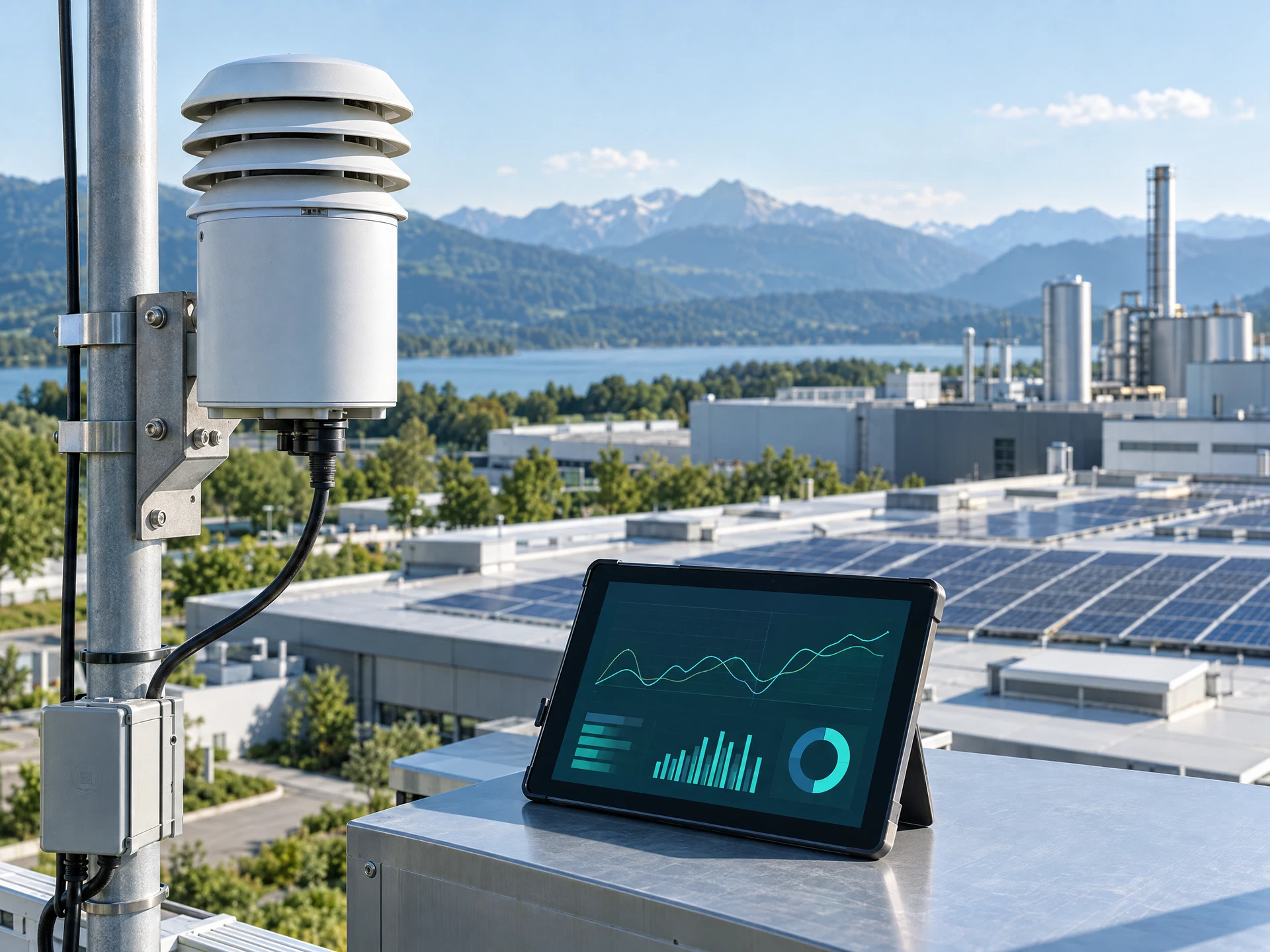
AI for Sustainability and GHG Emissions Analysis is a proposed practical course on using AI as documentation and analysis support for carbon accounting. Participants learn to organise activity data, examine Scope 1, Scope 2 and selected Scope 3 information, document assumptions and prepare reviewable outputs while authorised owners verify sources, emission factors, calculations and reporting decisions.
This is a proposed training outline, not a confirmed schedule or a promise of commercial results. Use fictional or approved examples and keep decisions with the responsible people.
Learning objectives describe practice, not guaranteed business results.
Organise fictional manufacturing, facilities, procurement and logistics records into activity-data categories and identify missing owners, periods, units and evidence.
Design prompts and review steps that help classify records, surface anomalies, compare assumptions and draft explanations without treating AI output as an approved calculation.
Prepare structured working papers for direct fuel and refrigerant sources, purchased energy and relevant value-chain categories while checking boundaries and source quality with authorised owners.
Create a reviewable analysis brief that records data gaps, uncertainty, source references, controls and approval points for sustainability, operations and management discussions.
Prompt → Check → Revise → Review
Use AI to support suitable tasks. Manufacturing, quality, safety and business decisions remain with the people responsible.
Course visuals are AI-created fictional scenes; people and facilities do not depict actual AIGreen Plus staff, learners or client events.
A fictional Malaysian plant combines sanitised electricity invoices, meter readings, diesel records and maintenance notes. AI helps organise the data and draft anomaly questions, while facilities and sustainability owners verify units, periods, factors and final interpretations.
A procurement team uses a mock supplier-spend and freight extract to identify candidate value-chain categories and missing evidence. The AI-generated grouping remains a working draft; procurement, finance and sustainability owners approve the categorisation and assumptions.
An operations and ESG team turns a sanitised inventory workbook into a concise review brief with source notes, data gaps, uncertainty and questions for decision-makers. Human reviewers approve what can be shared, and no output is treated as a compliance conclusion or certified inventory.
Examples are fictional or sanitised proposals, not AIGreen Plus client case studies or verified results.
These are features of AIGreen Plus's proposed course approach, not an independent competitor comparison or a claim that other providers do not offer similar content. Confirm the syllabus, tools, delivery details and availability with AIGreen Plus.
| Potential point of difference | AIGreen Plus's approach | Why it may matter to a factory |
|---|---|---|
| Manufacturing-linked carbon data practice | Exercises connect utilities, fuel, maintenance, procurement, warehouse and logistics records to sustainability analysis. | Teams can test concepts against familiar Malaysian business workflows using fictional or sanitised information. |
| AI with evidence and review controls | The proposed activities use AI for organisation, classification, anomaly questions and drafting, followed by source checks and owner approval. | Participants practise traceability rather than treating generated text or calculations as authoritative. |
| Cross-functional ownership | The outline brings sustainability, operations, facilities, procurement, finance, QA/QC and management review roles into one workflow. | Data gaps and assumptions can be assigned to the people who can verify them, subject to the organisation's governance. |
| Responsible pilot orientation | The proposed course ends with a bounded pilot brief covering privacy, source quality, version control, escalation and evaluation questions. | A team can discuss a safe next step without promises about rankings, savings, compliance or business results. |
On small screens, scroll horizontally inside the table to compare all three columns.
Eight proposed modules are shown in a structured table for easy review. Confirm the final syllabus, depth, tools, duration and delivery format with AIGreen Plus.
On small screens, scroll horizontally inside the course outline table to see every column.
| Module | Focus | Key points | Practice exercise |
|---|---|---|---|
| 01Sustainability and GHG accounting foundations | Build a shared understanding of organisational boundaries, activity data, emissions sources and the role of AI in sustainability analysis. |
| Use a fictional Malaysian factory profile to map boilers, forklifts, purchased electricity, packaging purchases and outbound logistics to an initial inventory map, then mark each classification that needs owner confirmation. |
| 02Data boundaries, ownership and source mapping | Turn dispersed operational records into a controlled data map that shows what is available, who owns it and what still needs checking. |
| Create a source-and-owner register from sanitised utility invoices, fuel logs, maintenance notes and purchasing extracts; use AI to draft missing-data questions and validate every question against the supplied records. |
| 03Scope 1 activity data and source analysis | Support analysis of direct emissions data from stationary combustion, mobile equipment and relevant process or fugitive sources without replacing technical review. |
| Analyse a fictional monthly fuel and refrigerant log with an approved AI tool, ask it to identify anomalies and open questions, then reconcile each flag to the original log without accepting an unsupported cause. |
| 04Scope 2 purchased energy review | Prepare a transparent working analysis for purchased electricity and other energy inputs while documenting the method and data limitations for review. |
| Given sanitised electricity invoices and meter readings for two facilities, prompt AI to produce a reconciliation table and questions; a human reviewer checks totals, site labels and the proposed factor source before approval. |
| 05Scope 3 screening for value-chain activities | Use structured analysis to screen relevant upstream and downstream activities such as purchased goods, transport, business travel and waste. |
| Review a fictional procurement and logistics extract, ask AI to group records into candidate Scope 3 categories, and have procurement and sustainability owners approve the grouping and data-gap list. |
| 06AI-assisted classification, calculation checks and uncertainty | Apply AI to repeatable analysis tasks while building controls for traceability, hallucinated details, inconsistent units and uncertainty. |
| Give AI a sanitised activity-data table containing unit and category errors; compare its proposed corrections with a reviewer checklist, retain only verified changes and document the rejected suggestions. |
| 07Evidence, reporting drafts and governance | Turn working analysis into reviewable sustainability communication with clear evidence trails, controls and responsible approvals. |
| Prepare a fictional GHG analysis brief for an operations review, including evidence links, limitations and approval questions; quality and sustainability reviewers mark unsupported statements before circulation. |
| 08Pilot planning for responsible sustainability workflows | Design a small, reviewable AI-assisted pilot for carbon-data work without promising savings, compliance or unattended reporting. |
| Draft a pilot charter for reviewing monthly electricity and fuel records, specifying scope, safeguards, human approvals, evidence retention and stop conditions for an authorised management review. |
It is a proposed practical syllabus covering GHG concepts, data boundaries, Scope 1, Scope 2, selected Scope 3 screening, AI-assisted analysis, uncertainty, evidence and responsible pilot planning. Confirm the final syllabus and scope with AIGreen Plus.
AI is used as documentation and analysis support for tasks such as classifying records, spotting questions, organising evidence and drafting explanations. Authorised owners must verify sources, factors, calculations and reporting decisions.
Yes. The proposed modules cover direct fuel and relevant refrigerant or process data, purchased energy review, and screening of selected value-chain activities such as procurement, logistics, travel and waste.
This proposed outline does not prescribe one universal GHG framework. Confirm the organisation’s chosen method, boundaries, activity data, factors and reporting obligations against current official sources with authorised sustainability, finance, legal or assurance owners before analysis or disclosure.
No. AI may help organise data and identify review questions, but it can misclassify records or invent details. Human reviewers must reconcile evidence, assess uncertainty and approve any inventory or report.
Examples reflect factory utilities, fuel, facilities, maintenance, procurement, warehouse and logistics workflows common in Malaysian businesses. Scenarios remain fictional or sanitised and should be adapted to each organisation's approved data and policies.
Use mock or sanitised utility, fuel, procurement, transport, waste or maintenance records. Do not bring confidential, personal, customer, supplier or proprietary information unless the organisation has explicitly approved its use.
The syllabus and tool arrangements are proposed. Any AI platform, spreadsheet or data system must have current vendor access and organisational approval; verify account requirements, plan features, privacy terms and availability with AIGreen Plus before delivery.
No compliance or certification outcome is promised. AI is treated as analysis support only; use current official sources and authorised sustainability, legal, technical or regulated owners for applicable requirements and professional judgement.
Duration, fees, delivery format, language and availability are not specified in this proposed record. Ask AIGreen Plus to confirm the current syllabus, commercial details and any participation documentation before planning.
How can a Malaysian manufacturing or business team use AI to prepare a reviewable GHG analysis without delegating calculation or approval?
Use AI as documentation and analysis support for carbon accounting: organise sanitised activity data, examine Scope 1, Scope 2 and selected Scope 3 sources, record assumptions and draft reviewable outputs. Authorised facilities, procurement, finance and sustainability owners must verify sources, factors, calculations, boundaries and reporting decisions; outputs are not compliance conclusions or certified inventories.
A practical course proposal. Select approved tools and sample data under your organisation's policy; keep operational, safety, quality and other authorised decisions with the responsible people.

Choose a bounded GHG task with named reviewers.

Define controlled boundaries, evidence requirements and human approval gates.

Separate traceable AI analysis from deterministic calculations and evidence.

Test accuracy while preserving competent human GHG review.
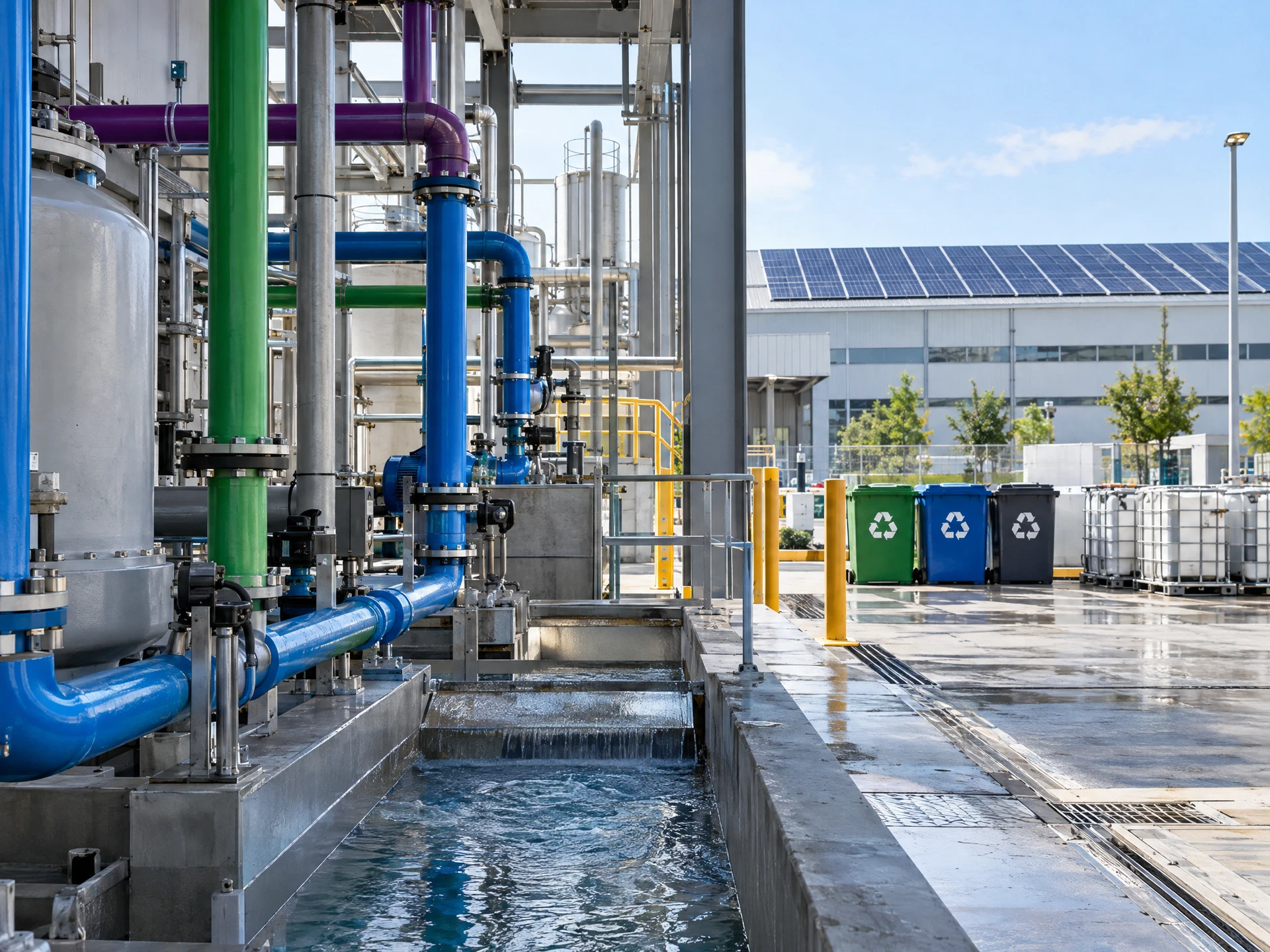
Pilot a controlled workflow and assess review burden.
Use the materials with a competent workplace owner and the appropriate approvals.
The five-stage flow uses AI-created fictional scenes; the people, equipment, interfaces and facilities are not actual AIGreen Plus staff, learners, clients or factories. Course images are category-specific examples. Pending assets are labelled in progress; unavailable artwork is suppressed rather than replaced with unrelated imagery.
Share the course title, participant roles and learning priorities. AIGreen Plus will confirm syllabus, tools, availability, delivery language, format and quotation.
Do not send confidential production data, account details or personal information in an enquiry.
