


Build audience-led video briefs
Define a target audience, business purpose, key message, call to action and evidence boundaries for a marketing video serving a Malaysian manufacturing or business context.
This proposed course helps Malaysian manufacturing and business teams plan, create and review AI-assisted marketing videos for products, processes and workplace stories. Learners practise with fictional or sanitised information, apply brand and approval checks, and confirm current tools and availability with AIGreen Plus.
Proposed course outline; tools, dates, format, duration and fees must be confirmed with AIGreen Plus.
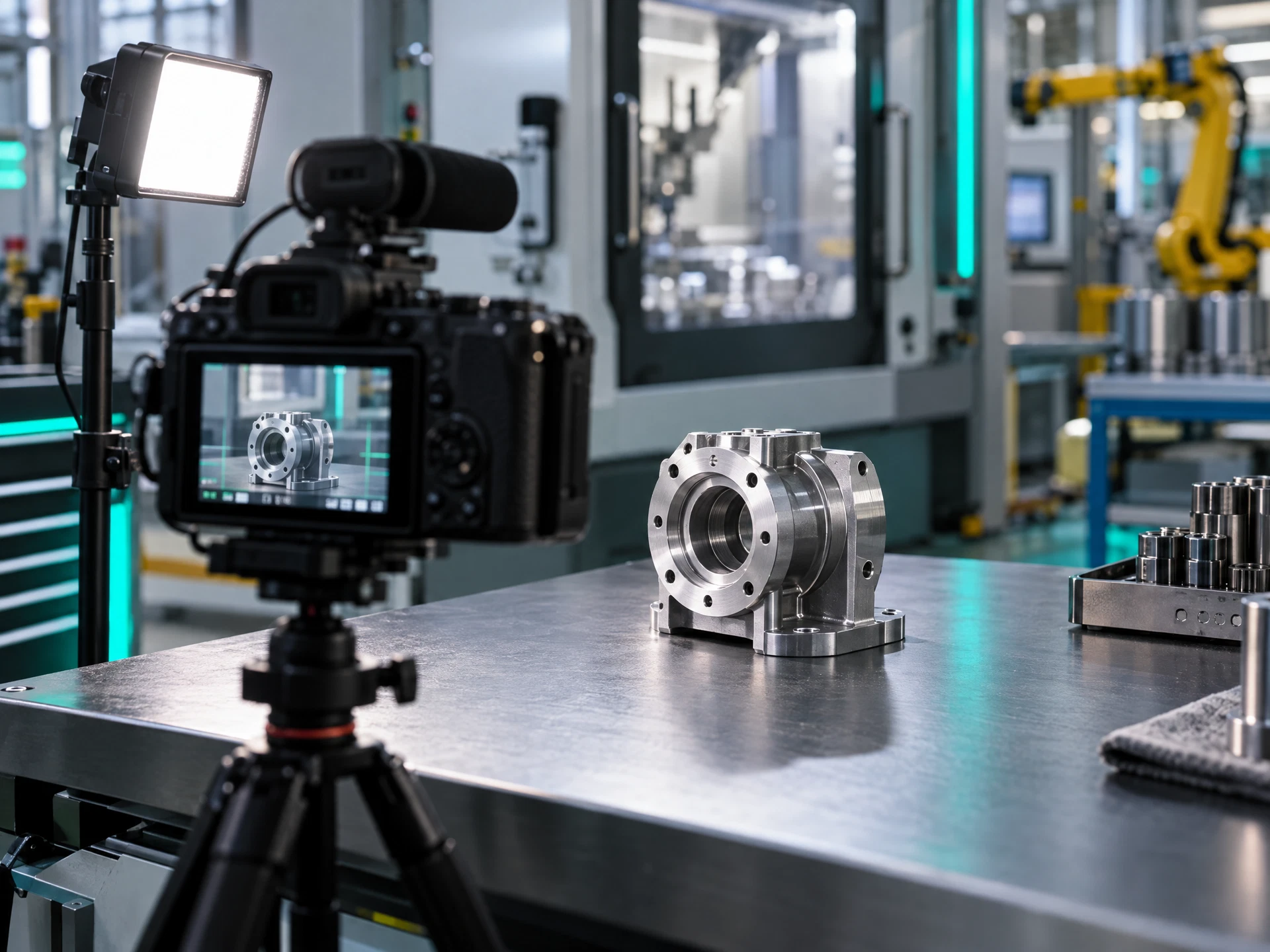
AI Video Creation and Marketing Content is a proposed course for Malaysian manufacturing and business teams that want to plan, produce and review AI-assisted marketing videos responsibly. It covers audience briefs, factory-safe visual storytelling, prompt-led asset creation, editing, captions, channel adaptations and measurement, while requiring fictional or sanitised examples, human verification, organisational approval and confirmation of current tools and availability with AIGreen Plus.
This is a proposed training outline, not a confirmed schedule or a promise of commercial results. Use fictional or approved examples and keep decisions with the responsible people.
Learning objectives describe practice, not guaranteed business results.
Define a target audience, business purpose, key message, call to action and evidence boundaries for a marketing video serving a Malaysian manufacturing or business context.
Use structured prompts and approved source material to develop visual concepts, motion directions, captions and draft edits without inventing product, safety or performance claims.
Prepare reviewable variations for web, social, sales follow-up or internal communications while checking aspect ratio, readability, accessibility, language and brand consistency.
Set rights, privacy, disclosure, technical-review, version-control and human-approval checkpoints before AI-assisted content is published or shared externally.
Prompt → Check → Revise → Review
Use AI to support suitable tasks. Manufacturing, quality, safety and business decisions remain with the people responsible.
Course visuals are AI-created fictional scenes; people and facilities do not depict actual AIGreen Plus staff, learners or client events.
A marketing team turns sanitised notes about a manufacturing process into a concise capability concept. Operations and QA/QC reviewers check terminology, restricted details and unsupported performance claims before approval.
A business-development team prepares an AI-assisted product and dispatch sequence from fictional procurement and warehouse records. The team verifies quantities, product identifiers, customer references and visual permissions before sharing a draft.
An HR and office team develops a fictional workplace introduction using approved role descriptions and sanitised facility information. People shown or represented are handled with consent and the final content receives brand and management approval.
Examples are fictional or sanitised proposals, not AIGreen Plus client case studies or verified results.
These are AIGreen Plus's proposed approach points for this course, not an independent competitor comparison or a claim about other providers. Confirm the final syllabus, tools, delivery scope and availability with AIGreen Plus.
| Potential point of difference | AIGreen Plus's approach | Why it may matter to a factory |
|---|---|---|
| Manufacturing-first content practice | The proposed exercises use operations, QA/QC, warehouse, procurement and office scenarios rather than generic creator examples. | Teams can explore marketing content that reflects real role questions while using fictional or sanitised information. |
| Message-to-approval workflow | The proposed course links audience briefs, visual planning, AI-assisted production, channel adaptation and named review gates. | Participants can see how a draft moves from business purpose to a reviewable publication candidate. |
| Technical and brand accountability | AI output remains an assistive draft, with technical owners, brand owners and authorised people checking claims, rights, privacy and safety-sensitive details. | Manufacturing teams can reduce avoidable ambiguity without delegating regulated, operational or reputational judgment to a model. |
| Channel-ready practical exercises | The proposed practice includes website, social, sales-follow-up and workplace communication variants with accessibility and version-control checks. | Learners can discuss a repeatable content process and pilot questions without any promise of rankings, reach or commercial results. |
On small screens, scroll horizontally inside the table to compare all three columns.
Eight proposed modules are shown in a structured table for easy review. Confirm the final syllabus, depth, tools, duration and delivery format with AIGreen Plus.
On small screens, scroll horizontally inside the course outline table to see every column.
| Module | Focus | Key points | Practice exercise |
|---|---|---|---|
| 01AI Video Foundations and Responsible Use | Understand how AI can support video ideation and assembly while keeping creative, technical, legal and operational decisions with accountable people. |
| Review a fictional factory-marketing brief, label safe inputs and unsupported claims, then create a human-review checklist before any asset is generated. |
| 02Audience, Purpose and Message Design | Turn a business objective into a focused content brief for buyers, distributors, employees or other clearly defined audiences. |
| Convert sanitised notes about a fictional Malaysian component supplier into two briefs: one for a procurement audience and one for an employer-brand audience. |
| 03Visual Planning for Products and Processes | Plan credible visuals for products, production areas and workplace stories without exposing restricted details or misrepresenting real operations. |
| Create a shot plan from a fictional production-line description, flag restricted areas and compare every proposed visual with the approved source notes. |
| 04Prompting for AI-Assisted Motion and Imagery | Write reusable prompts for controlled visual concepts and motion while reducing ambiguity, unwanted details and unsupported representations. |
| Test prompt variations for a fictional warehouse walkthrough, then score outputs for accuracy, continuity, brand fit and the need for human correction. |
| 05Brand-Safe Assembly, Captions and Audio | Combine approved visuals, on-screen text, captions and audio elements into a coherent draft that remains accessible and reviewable. |
| Assemble a short fictional product introduction from supplied assets, then annotate every text and audio element with its source, reviewer and correction status. |
| 06Manufacturing and SME Marketing Applications | Apply the workflow to product explainers, process capability stories, procurement outreach and responsible employer-brand content. |
| Develop a fictional campaign concept for a Malaysian manufacturer with one product clip, one process clip and one workplace clip, each with a different review owner. |
| 07Channel Adaptation and Accessibility Checks | Prepare content variants for owned, social and sales contexts while preserving meaning, accessibility and approval status. |
| Adapt one sanitised factory-capability draft into website, vertical-social and sales-follow-up versions, then run a channel and accessibility checklist. |
| 08Video-output review, release controls and pilot measures | Create a small, reviewable content pilot with responsible measurement rather than promising rankings, reach, savings or business results. |
| Draft a pilot brief for a fictional product video, including scope, safeguards, reviewer roles, approval gates and evaluation questions that avoid guaranteed outcomes. |
The proposed syllabus covers audience briefs, visual planning, AI-assisted imagery and motion, brand-safe assembly, captions, channel adaptation, manufacturing examples, governance and pilot measurement. Confirm the final scope with AIGreen Plus.
It is designed for Malaysian marketing, business-development, manufacturing, QA/QC, procurement, warehouse, HR and office teams that need reviewable content for products, processes or workplace communications.
Exercises use fictional or sanitised information by default. Any real factory, product, employee, customer or supplier material requires organisational permission, appropriate rights and human review before use.
No. AI can assist with concepts and drafts, but operations, QA/QC, safety, technical and brand owners must verify every relevant detail and approve the final content.
AI is treated as documentation and content support only. Claims about quality, safety, ESG, certifications or performance must be checked against current official sources and approved by the authorised owner.
Specific tools, account access and current vendor features are not fixed in this draft. Confirm available tools, organisational approval, privacy terms and any access requirements with AIGreen Plus before delivery.
Do not upload confidential, personal, customer, proprietary or restricted material unless explicitly approved. Practise with fictional or sanitised data and follow the organisation's privacy, security and retention rules.
Yes. Their role is to supply and review accurate product, process, stock, supplier and technical information, not to let AI make inspection, release, purchasing or inventory decisions.
No. It teaches a structured, reviewable content workflow and evaluation questions; audience response, rankings, reach and business outcomes depend on many factors and are not guaranteed.
They are not specified here. Confirm the proposed syllabus, delivery format, language, duration, fees, certificate arrangements, HRD Corp position and tool availability directly with AIGreen Plus.
How can a Malaysian manufacturing or SME team implement AI-assisted video creation for a product, process or workplace story without exposing restricted details or releasing unverified claims?
AI Video Creation and Marketing Content is a proposed course for Malaysian manufacturing and SME teams. It shows how to select a bounded marketing use case, brief the audience, work from fictional or sanitised material, configure an approved workflow, obtain technical and management review, adapt accessible variants, and pilot measures without promising reach, savings or business results.
A practical course proposal. Select approved tools and sample data under your organisation's policy; keep operational, safety, quality and other authorised decisions with the responsible people.

Choose an audience-led task without restricted details or unsupported claims.

Establish safe inputs, permissions, reviewers, and controlled release boundaries.
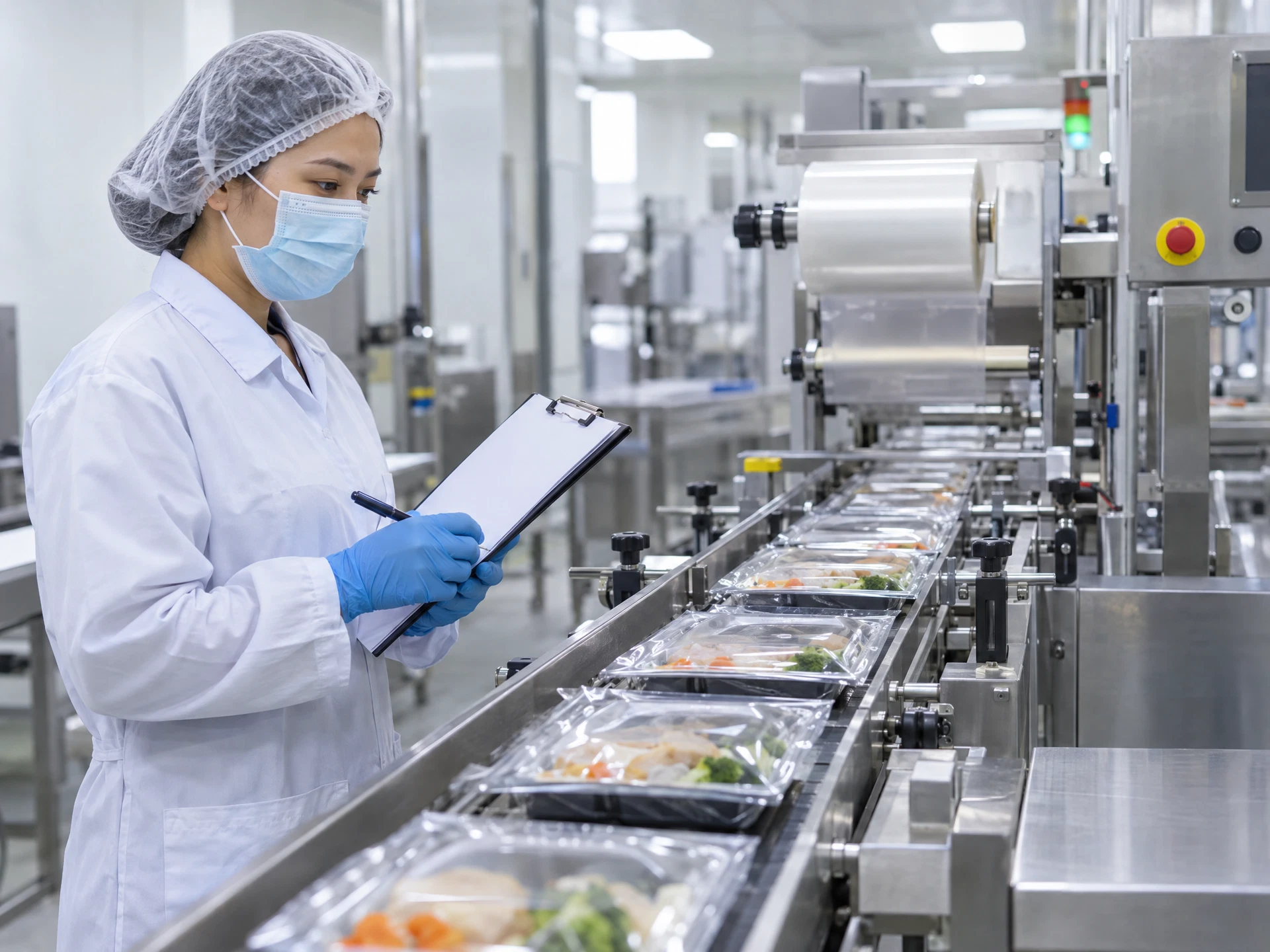
Build traceable production materials for credible, controlled video storytelling.

Verify factual, technical, rights, accessibility, and brand readiness before sharing.
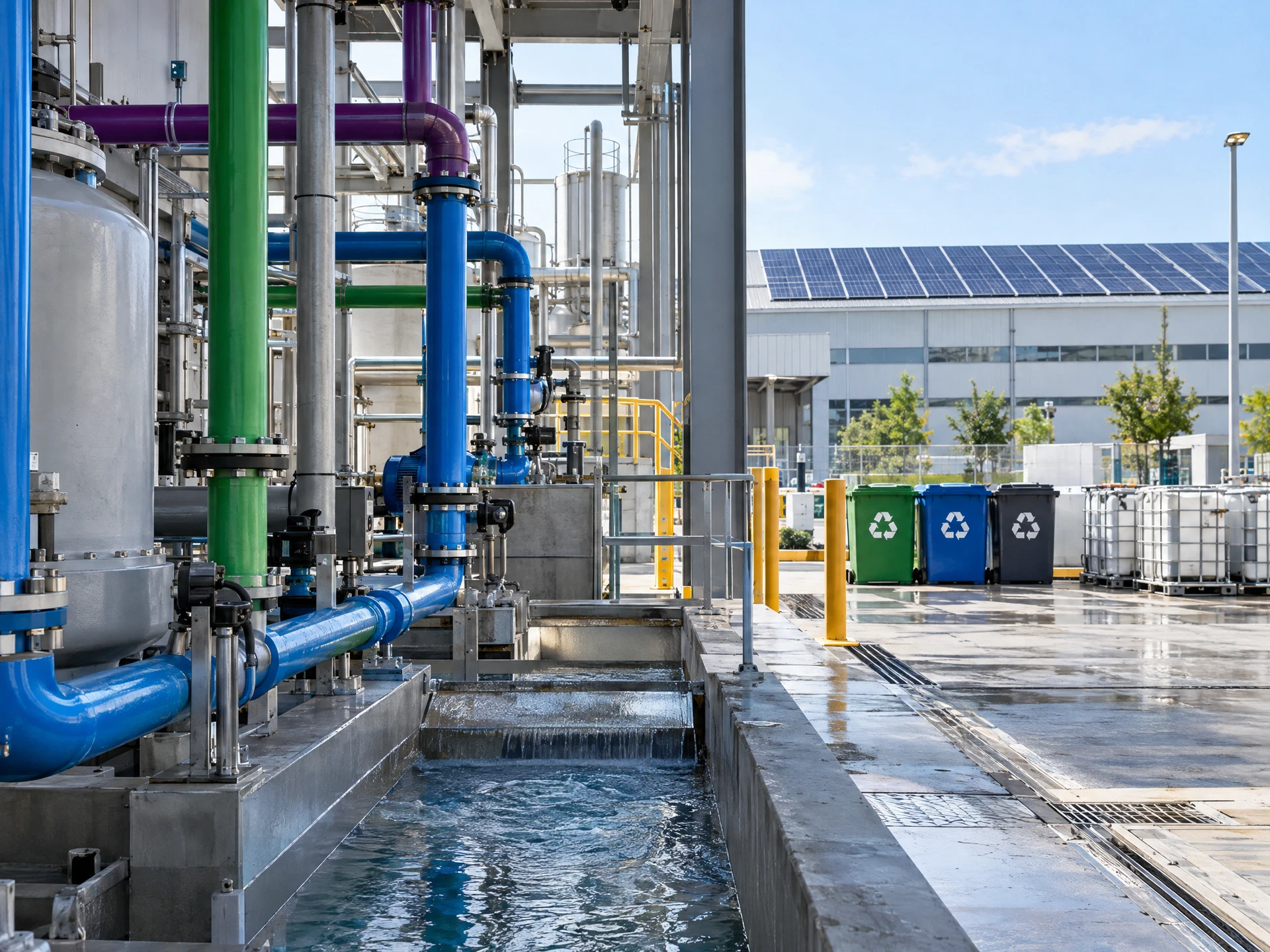
Use bounded pilot evidence to continue, revise, or stop.
Use the materials with a competent workplace owner and the appropriate approvals.
The five-stage flow uses AI-created fictional scenes; the people, equipment, interfaces and facilities are not actual AIGreen Plus staff, learners, clients or factories. Course images are category-specific examples. Pending assets are labelled in progress; unavailable artwork is suppressed rather than replaced with unrelated imagery.
Share the course title, participant roles and learning priorities. AIGreen Plus will confirm syllabus, tools, availability, delivery language, format and quotation.
Do not send confidential production data, account details or personal information in an enquiry.
