


Map ESG and carbon reporting responsibilities
Create a practical view of reporting boundaries, material topics, data owners, evidence sources and review points for a Malaysian manufacturing context.
A proposed practical course for Malaysian manufacturing and business teams using AI as documentation and analysis support for ESG and carbon reporting workflows. Participants work with fictional or sanitised operations, energy, procurement and supplier data while authorised owners verify sources, calculations and disclosures.
Proposed course outline; tools, dates, format, duration and fees must be confirmed with AIGreen Plus.
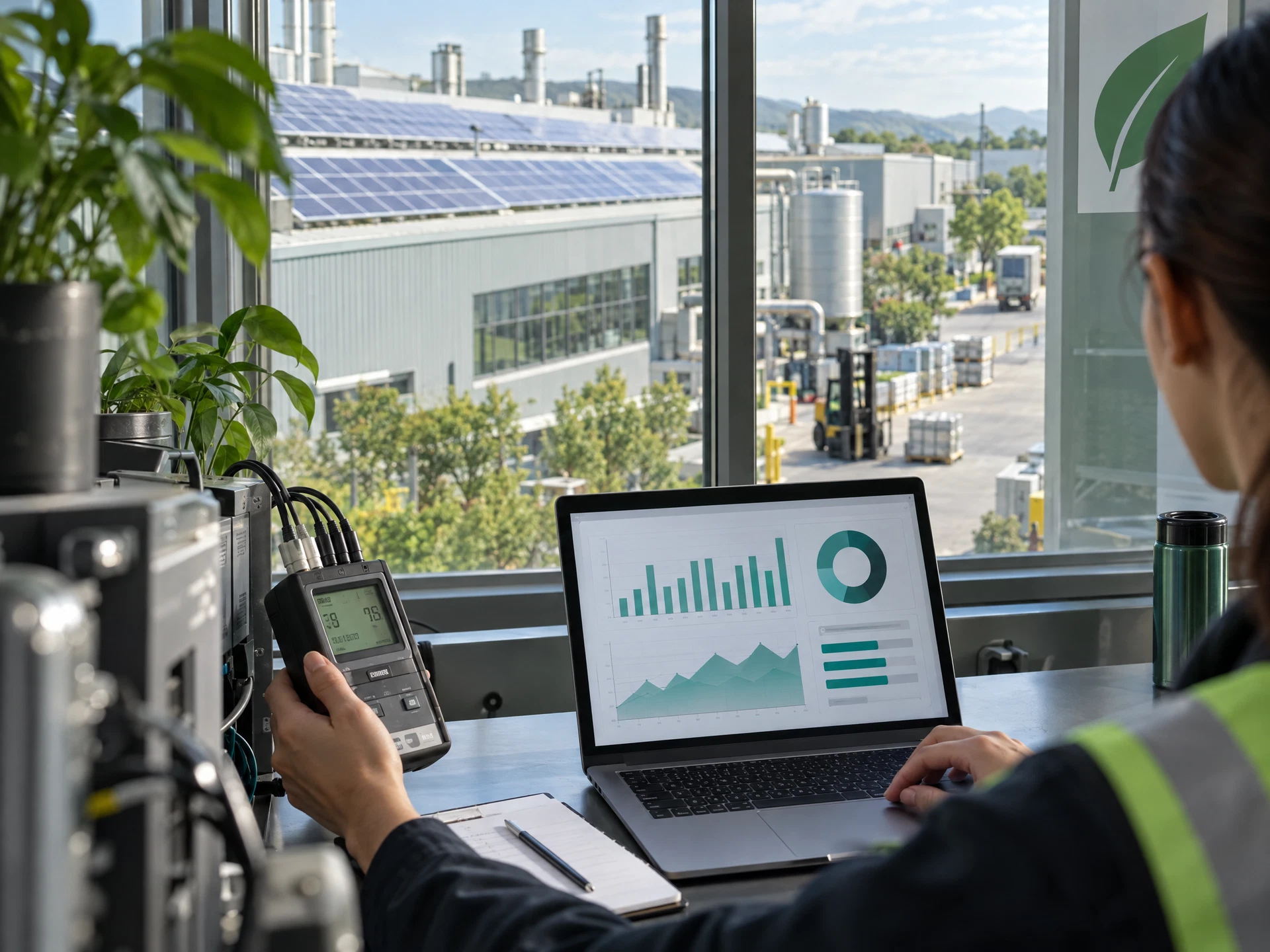
AI for ESG and Carbon Reporting is a proposed course that shows Malaysian manufacturing teams how to organise ESG evidence, map carbon activity data and draft reviewable reporting content with AI assistance. It treats AI as documentation and analysis support only: people verify data, apply current official guidance and retain responsibility for boundaries, calculations, disclosures and compliance decisions.
This is a proposed training outline, not a confirmed schedule or a promise of commercial results. Use fictional or approved examples and keep decisions with the responsible people.
Learning objectives describe practice, not guaranteed business results.
Create a practical view of reporting boundaries, material topics, data owners, evidence sources and review points for a Malaysian manufacturing context.
Organise fictional or sanitised energy, fuel, production, waste, procurement and supplier inputs while recording units, periods, assumptions and missing information.
Design prompts that help classify evidence, identify anomalies and draft ESG or carbon-reporting text without treating generated content as a verified calculation or disclosure.
Apply source checks, version control, approval gates and escalation questions so authorised owners can review data quality, methods, claims and current official requirements.
Prompt → Check → Revise → Review
Use AI to support suitable tasks. Manufacturing, quality, safety and business decisions remain with the people responsible.
Course visuals are AI-created fictional scenes; people and facilities do not depict actual AIGreen Plus staff, learners or client events.
A manufacturing team uses sanitised meter, fuel and production records to organise activity data and draft a traceable workpaper. AI may flag gaps or help explain a calculation, while facilities, finance and sustainability owners verify methods, figures and approvals.
Procurement and sustainability staff use a fictional supplier dataset to identify missing units, periods and supporting evidence, then draft neutral follow-up questions. Supplier claims remain unverified until the organisation's authorised reviewers assess the source and method.
A business team turns a sanitised set of verified environmental, workforce and governance inputs into a reviewable management-summary draft. Human reviewers check definitions, evidence, limitations and current official requirements before any internal or external use.
Examples are fictional or sanitised proposals, not AIGreen Plus client case studies or verified results.
This is AIGreen Plus's proposed approach for this course, not an independent competitor comparison or a claim that other providers lack similar coverage. Confirm the final syllabus, delivery details, tools, availability and scope with AIGreen Plus.
| Potential point of difference | AIGreen Plus's approach | Why it may matter to a factory |
|---|---|---|
| Manufacturing data context | The proposed exercises connect ESG and carbon-reporting tasks to operations, facilities, QA/QC, warehouse, procurement and office records. | Participants can relate reporting controls to the source data and handoffs they encounter in Malaysian manufacturing teams. |
| Evidence before narrative | The course starts with boundaries, owners, units, source references and evidence trails before asking AI to assist with summaries or draft language. | Teams can surface missing records and assumptions before a statement is circulated for management review. |
| AI kept in a support role | AI is positioned as documentation and analysis support; authorised people retain responsibility for methods, calculations, disclosures and compliance judgement. | Learners practise useful assistance without treating generated text or calculations as assurance, certification or an approved report. |
| Governance and practical pilot planning | The proposed final module addresses permitted data, review gates, current official sources, escalation and a limited workflow pilot. | Organisations can discuss a controlled next step with relevant owners instead of assuming a tool, integration or outcome is already available. |
On small screens, scroll horizontally inside the table to compare all three columns.
Eight proposed modules are shown in a structured table for easy review. Confirm the final syllabus, depth, tools, duration and delivery format with AIGreen Plus.
On small screens, scroll horizontally inside the course outline table to see every column.
| Module | Focus | Key points | Practice exercise |
|---|---|---|---|
| 01ESG and carbon reporting foundations | Establish a shared vocabulary for ESG, emissions data and reporting tasks in a Malaysian manufacturing and business setting. |
| Using a fictional factory profile, sort sample energy, safety, workforce, procurement and governance records into reporting themes, then mark each item as source evidence, an open question or a claim requiring owner approval. |
| 02Reporting boundaries, materiality and data ownership | Turn reporting expectations into a clear map of entities, sites, activities, material topics and accountable data owners. |
| Build a fictional multi-site manufacturer's reporting map covering production, warehouse, office and outsourced activities, then have participants flag boundary questions for the sustainability lead and authorised owners. |
| 03GHG inventory concepts and emissions scopes | Organise carbon-reporting inputs by source and scope without presenting AI output as a final inventory or assurance conclusion. |
| Classify a sanitised fictional dataset containing natural gas, purchased electricity, logistics, purchased materials and waste records, documenting the rationale and every item needing authorised confirmation. |
| 04Collecting and cleaning operational activity data | Create a repeatable intake and quality-check workflow for records from operations, facilities, QA/QC, warehouse and procurement. |
| Use fictional meter extracts, fuel invoices, production records and purchase logs to create a data-quality queue; compare AI-suggested flags with the source files and route unresolved items to named owners. |
| 05AI-assisted analysis and calculation checks | Use AI to structure calculations, explain assumptions and surface questions while keeping methods, factors and approval with competent owners. |
| Give an AI tool a small fictional activity-data table and an approved reference method, request a labelled working calculation, then reconcile units and assumptions manually before an owner reviews it. |
| 06Evidence trails, controls and reporting workpapers | Make ESG and carbon workpapers easier to trace from a reported statement back to records, assumptions, reviewers and approvals. |
| Create a fictional evidence register for an energy-intensity statement, linking source records, a calculation sheet, AI-assisted draft text, reviewer comments and the final approval status. |
| 07Reporting narratives, supplier data and stakeholder responses | Draft clear, qualified ESG content and supplier follow-up materials from verified inputs without overstating progress or certainty. |
| Turn a fictional verified metric set and supplier questionnaire responses into a draft management summary and follow-up email, then remove unsupported claims and obtain review points from procurement and sustainability owners. |
| 08Governance, review and a responsible reporting pilot | Plan a small, reviewable AI-assisted reporting workflow with controls, escalation and confirmation of current requirements. |
| Draft a fictional pilot brief for quarterly energy and emissions data, including scope, safeguards, review gates, escalation contacts, evidence checks and questions for AIGreen Plus to confirm syllabus, tools and availability. |
It is a proposed syllabus covering ESG concepts, reporting boundaries, GHG activity data, data quality, evidence trails, AI-assisted analysis, supplier information, narrative drafting and governance. Final scope should be confirmed with AIGreen Plus.
It is intended for sustainability, EHS, operations, facilities, finance, procurement, supply-chain, QA/QC and management staff who contribute to or review ESG and carbon-reporting information in Malaysian organisations.
A proposed module uses fictional records to classify direct, purchased-energy and value-chain activity, capture units and sources, and flag boundary or method questions. Authorised owners must confirm the organisation's inventory approach and current official guidance.
AI may help organise inputs, show working and identify questions, but it is not treated as an automatic or final emissions calculation. People must verify activity data, factors, methods, assumptions and approvals using authorised sources.
It can support a reviewable draft workflow using fictional or sanitised examples. It does not promise a compliant disclosure, assurance outcome or certification; current official sources and authorised ESG, finance, legal or regulatory owners must review any report.
Proposed examples include factory electricity and fuel, production and intensity records, warehouse and logistics information, waste, purchased materials, supplier questionnaires and management summaries. Examples use fictional or sanitised information.
Do not place confidential, personal, customer, supplier or commercially sensitive records into an AI tool unless organisational policy explicitly approves it. Use fictional or sanitised data and follow access, retention and review controls.
No named framework is selected in this proposed record. Frameworks, reporting obligations, boundaries, methods and factors vary; confirm the organisation’s chosen scope against current official sources with authorised ESG, finance, legal or assurance owners before delivery or reporting.
No particular vendor access or integration is promised. Tools, account requirements, current vendor features, organisational approval and availability should be verified with AIGreen Plus and the relevant IT or data owner before delivery.
Ask AIGreen Plus to confirm the proposed syllabus, tools, delivery format and language, availability, duration, fees, account arrangements, recognition or eligibility claims and the roles needed for data and compliance review.
How should a Malaysian manufacturing team pilot AI for ESG and carbon reporting without treating it as the reporting authority?
A Malaysian manufacturing team can use AI to organise sanitised activity data, classify evidence, flag missing units or periods, explain assumptions and draft qualified ESG text. Authorised sustainability, facilities, finance and procurement owners must verify sources, factors, calculations, boundaries, disclosures and current official requirements before any internal or external use.
A practical course proposal. Select approved tools and sample data under your organisation's policy; keep operational, safety, quality and other authorised decisions with the responsible people.
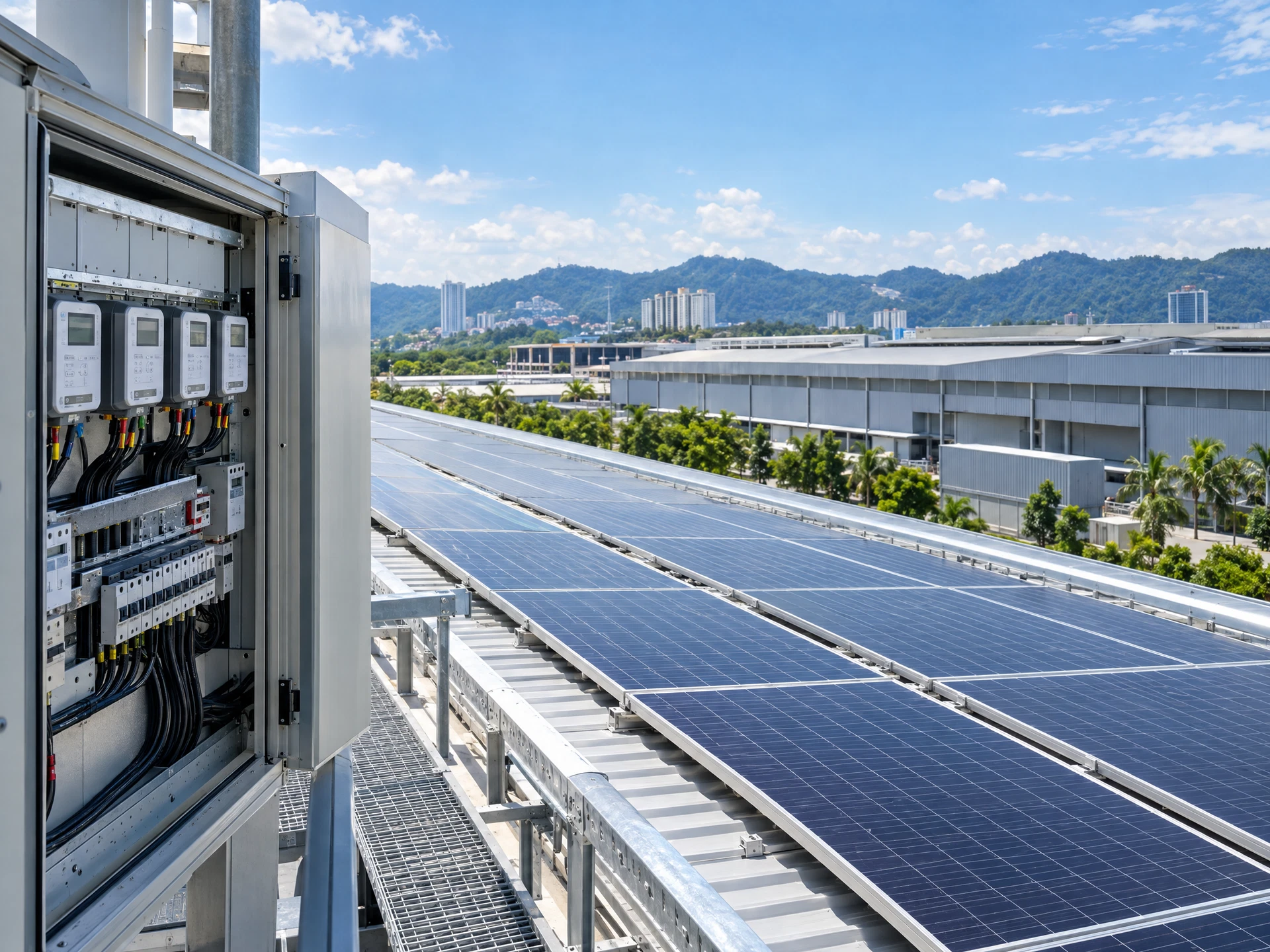
Select a bounded, reviewable factory ESG or GHG workpaper.

Define reporting boundaries, materiality, GHG scopes and data ownership.

Prepare an approved, auditable workpaper without replacing human verification.
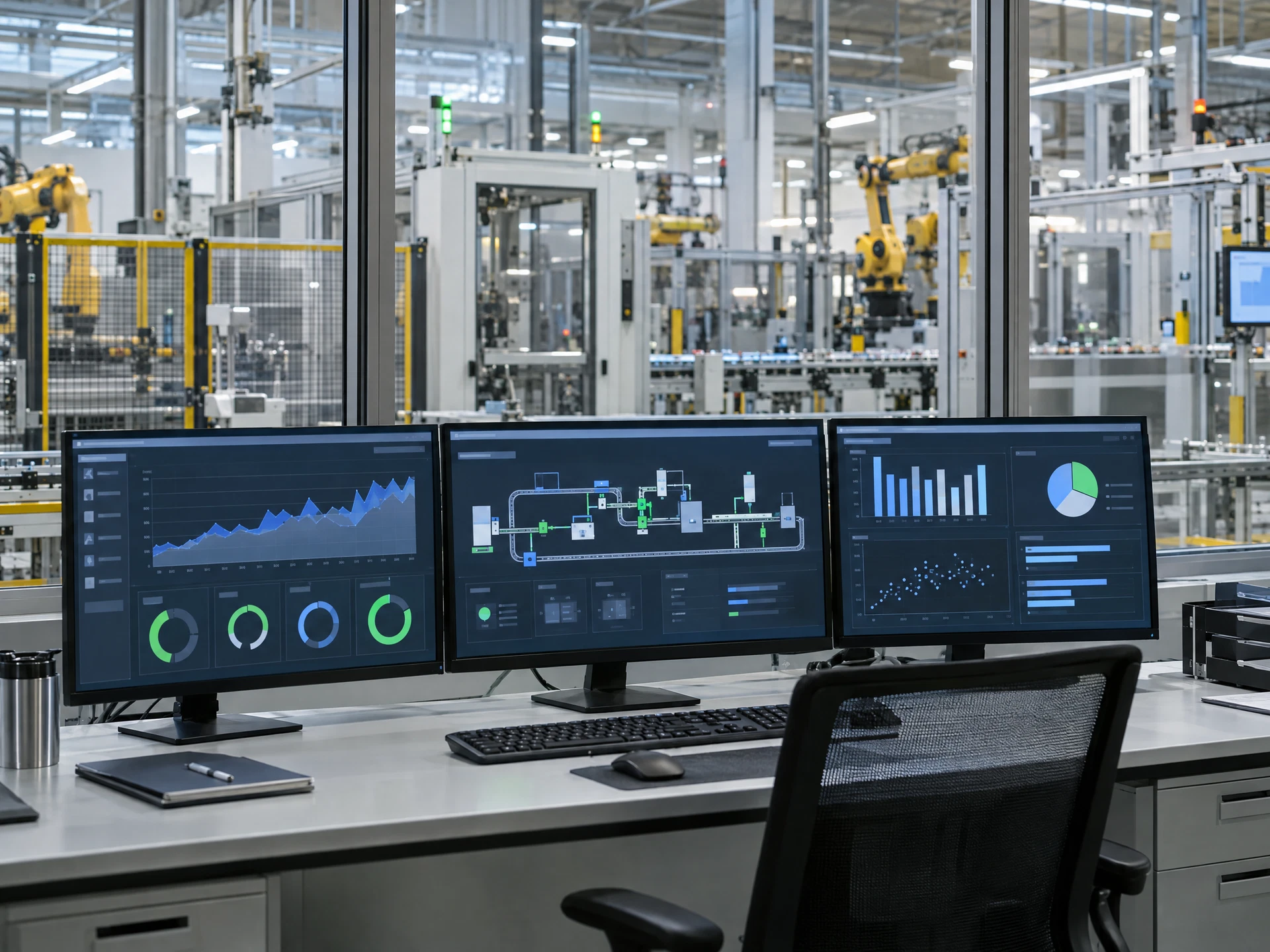
Test samples with human reviewers for errors and unsupported claims.
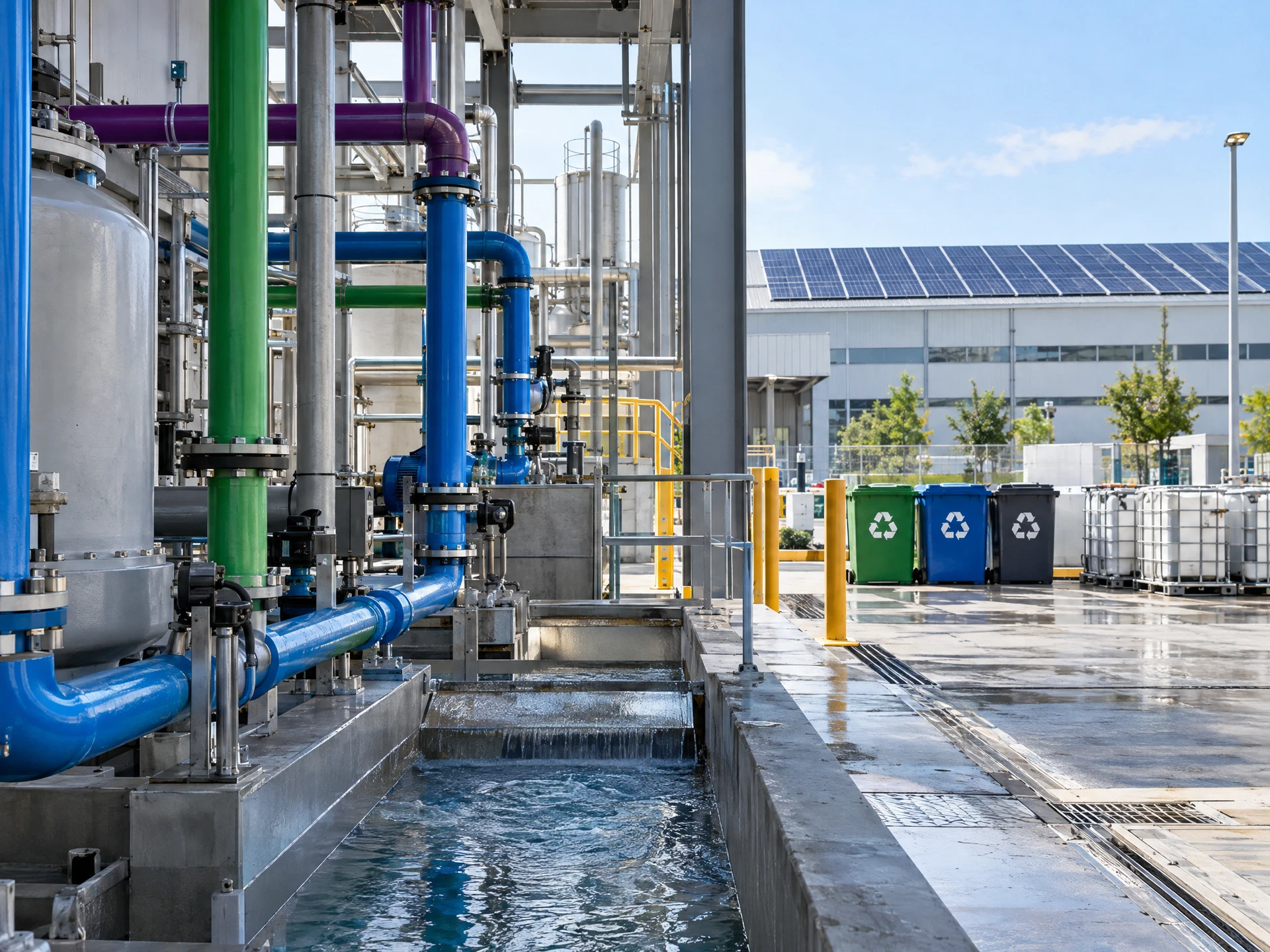
Pilot control quality before deciding whether to proceed.
Use the materials with a competent workplace owner and the appropriate approvals.
The five-stage flow uses AI-created fictional scenes; the people, equipment, interfaces and facilities are not actual AIGreen Plus staff, learners, clients or factories. Course images are category-specific examples. Pending assets are labelled in progress; unavailable artwork is suppressed rather than replaced with unrelated imagery.
Share the course title, participant roles and learning priorities. AIGreen Plus will confirm syllabus, tools, availability, delivery language, format and quotation.
Do not send confidential production data, account details or personal information in an enquiry.
