


Prepare analysis-ready data
Use guided Python workflows to inspect columns, correct common data-quality issues, document assumptions and create a traceable working dataset from fictional or sanitised records.
AI for Data Analysis Using Python is a proposed, practical course for Malaysian teams that want to explore AI-assisted analysis of operational data with Python. Participants work through fictional or sanitised manufacturing, QA/QC, warehouse, procurement and office datasets while keeping verification, approval and data governance with responsible people.
Proposed course outline; tools, dates, format, duration and fees must be confirmed with AIGreen Plus.
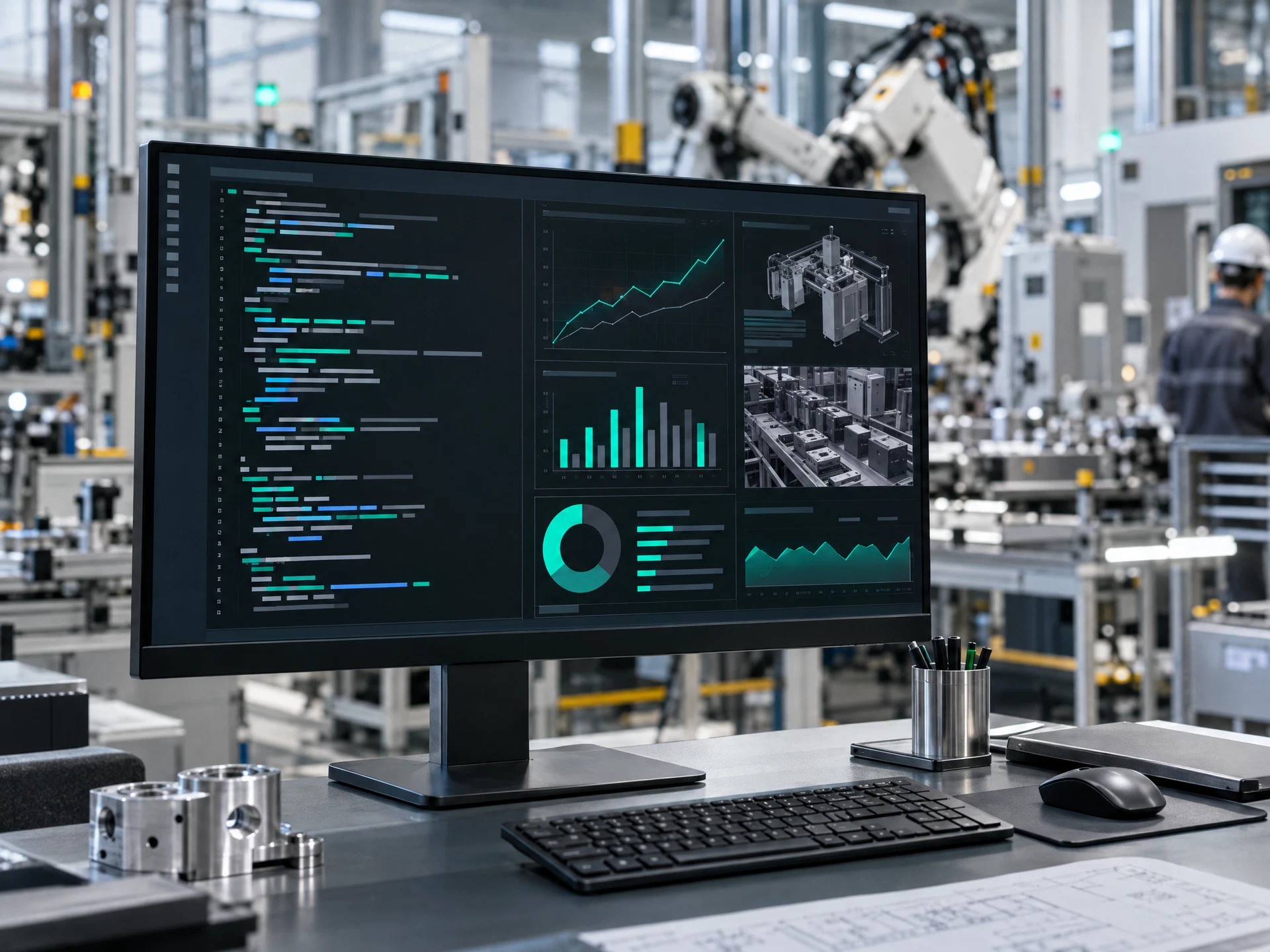
AI for Data Analysis Using Python is a proposed course that shows Malaysian business and manufacturing teams how to use Python with AI assistance to clean, explore, visualise and explain data. It covers production, QA/QC, warehouse, procurement and office examples, while treating generated code and findings as drafts requiring source checks, human review, organisational approval and confirmation with AIGreen Plus.
This is a proposed training outline, not a confirmed schedule or a promise of commercial results. Use fictional or approved examples and keep decisions with the responsible people.
Learning objectives describe practice, not guaranteed business results.
Use guided Python workflows to inspect columns, correct common data-quality issues, document assumptions and create a traceable working dataset from fictional or sanitised records.
Generate useful summaries, grouped comparisons and visualisations for production, QA/QC, warehouse, procurement or office questions without treating patterns as conclusions by themselves.
Ask an AI tool for draft Python code, explanations and review questions, then test the output, check source data and record limitations before sharing an analysis.
Turn a small analysis into a clear table, chart or briefing that separates evidence, assumptions, unanswered questions and recommended human follow-up.
Prompt → Check → Revise → Review
Use AI to support suitable tasks. Manufacturing, quality, safety and business decisions remain with the people responsible.
Course visuals are AI-created fictional scenes; people and facilities do not depict actual AIGreen Plus staff, learners or client events.
Participants use a fictional line-and-shift table to clean records, compare output with planned quantities and visualise downtime categories. The analysis is a discussion aid; production owners verify source records and decide what follow-up is appropriate.
A sanitised dataset is used to find missing fields, repeated categories and unusual inspection or stock-movement entries. Learners draft neutral questions for QA/QC and warehouse owners rather than making acceptance, release, inventory or root-cause decisions.
A fictional purchase-order table supports a simple Python summary, a cautious comparison of supplier lead-time groups and a short management briefing. Participants document assumptions, protect supplier information and obtain approval before any operational use.
Examples are fictional or sanitised proposals, not AIGreen Plus client case studies or verified results.
This is AIGreen Plus's proposed approach for this course, not an independent competitor comparison or a claim about other providers. Confirm the syllabus, tools, delivery arrangements and availability with AIGreen Plus before planning delivery.
| Potential point of difference | AIGreen Plus's approach | Why it may matter to a factory |
|---|---|---|
| AI assistance paired with Python practice | The proposed learning path combines prompt design, draft code, testing, data inspection and plain-language interpretation rather than treating AI output as finished analysis. | Learners practise both technical steps and the review habits needed for workplace reporting. |
| Manufacturing and business-team context | Exercises use fictional or sanitised examples from production, QA/QC, warehouse, procurement and office reporting workflows. | Participants can connect Python concepts to questions they may recognise while avoiding live sensitive records. |
| Traceability before presentation | The proposed approach asks learners to retain source checks, assumptions, code notes, limitations and reviewer ownership for each analysis. | Managers receive a clearer distinction between evidence, interpretation and items needing confirmation. |
| Small, reviewable adoption steps | The final module proposes a bounded pilot with privacy controls, human approval and evaluation questions instead of an unattended deployment promise. | Teams can discuss fit and governance with responsible owners before considering wider use. |
On small screens, scroll horizontally inside the table to compare all three columns.
Eight proposed modules are shown in a structured table for easy review. Confirm the final syllabus, depth, tools, duration and delivery format with AIGreen Plus.
On small screens, scroll horizontally inside the course outline table to see every column.
| Module | Focus | Key points | Practice exercise |
|---|---|---|---|
| 01Foundations of AI-assisted Python analysis | Understand the role of Python and AI assistance in a data workflow, including appropriate task framing, limitations and responsible use. |
| Using a fictional Malaysian factory output table, turn a vague question about missed production targets into an analysis brief with fields, assumptions, checks and a human approver. |
| 02Importing, inspecting and cleaning workplace data | Build a reliable starting dataset from spreadsheet-style records while making data types, missing values and corrections visible. |
| Clean a sanitised production-and-shift dataset containing inconsistent line names, blank fields and duplicate rows, then compare the original and working versions. |
| 03Exploratory analysis for operations and QA/QC | Use descriptive Python analysis to compare groups, identify patterns and ask better follow-up questions about operational records. |
| Analyse a fictional production and inspection table by shift and product, produce three grounded observations, and list checks needed before a manager acts on them. |
| 04Visualising data for clear business communication | Choose readable charts and tables that help Malaysian manufacturing and office teams understand evidence without overstating precision. |
| Create a small fictional dashboard page for a weekly operations meeting with a trend chart, category comparison and written caveat, then check every label against the source table. |
| 05Exceptions, anomalies and data-quality review | Use Python and AI-generated review ideas to investigate unusual records while leaving QA/QC, inventory and operational decisions to authorised owners. |
| Review a sanitised QA/QC and warehouse discrepancy dataset, flag unusual values, trace each flag to evidence and draft neutral questions for the responsible owner. |
| 06AI-assisted modelling for business questions | Introduce cautious use of simple predictive or grouping techniques to explore patterns, with validation and communication of uncertainty. |
| With a fictional order-and-lead-time dataset, ask AI for draft Python steps to compare simple groupings, test the code on held-out rows and write a limitations note for procurement review. |
| 07Reusable analysis notebooks and reporting workflows | Turn a one-off analysis into a reviewable workflow with clear inputs, repeatable steps, documented outputs and role-appropriate reporting. |
| Refactor a fictional monthly warehouse analysis into a reusable notebook or script outline, add three validation checks and produce a manager-ready summary marked as draft pending approval. |
| 08Governance, human review and pilot planning | Set practical safeguards for AI-assisted analysis and design a small, reviewable pilot that fits organisational ownership and approval processes. |
| Draft a pilot brief for a sanitised production or procurement analysis, including scope, privacy boundary, reviewer sign-off, verification steps and a decision to continue, revise or stop. |
It is a proposed practical course on using Python with AI assistance to clean, explore, visualise and explain workplace data. The course uses Malaysian manufacturing and business-team scenarios, with human verification and approval required for any real operational use.
It is intended for operations, production planning, QA/QC, warehouse, procurement, managers, analysts and office teams who work with tables or reports. Basic spreadsheet familiarity is more important than advanced programming or machine-learning experience.
Advanced experience is not assumed. Participants should be comfortable with tables and willing to follow guided Python examples, read simple code and check every generated step against a known source.
AI may help draft code, explain errors, suggest questions or propose a visualisation. Those suggestions are not evidence: participants must test the code, inspect the data, verify outputs and obtain an accountable person's approval.
Proposed examples include production output and downtime, QA/QC observations, warehouse discrepancies, procurement lead times and office reporting. Scenarios are fictional or sanitised and can be confirmed or refined with AIGreen Plus.
No. AI and Python analysis can support summaries, checks and questions, but authorised personnel retain inspection, release, inventory, supplier and operational decisions. Findings must be reviewed against approved records.
Use the fictional or sanitised datasets supplied or approved for practice. Do not enter confidential, personal, customer, supplier, proprietary or otherwise restricted information into Python files or AI tools without explicit organisational approval.
The syllabus and tool arrangement are proposed. Confirm the current Python environment, AI tool access, vendor terms, organisational approval and any account requirements with AIGreen Plus before delivery; do not assume a particular plan or feature.
Learners compare results with source records, review code and assumptions, record limitations, ask the relevant subject-matter owner to verify the interpretation and obtain approval before sharing or acting on an analysis.
They are not specified in this proposed record. Confirm duration, fees, delivery format, certificate arrangements and any HRD Corp eligibility directly with AIGreen Plus; do not assume availability or recognition.
How can a Malaysian team pilot AI-assisted Python analysis of operational data without turning generated code or patterns into an unauthorised decision?
Use a fictional or sanitised workplace dataset to frame one bounded production, QA/QC, warehouse, procurement or office question; build a traceable Python notebook; use AI assistance only for draft code, explanations or review prompts; then have a competent analyst and authorised process owner verify the evidence before a time-boxed pilot and a documented continue, revise or stop decision.
A practical course proposal. Select approved tools and sample data under your organisation's policy; keep operational, safety, quality and other authorised decisions with the responsible people.
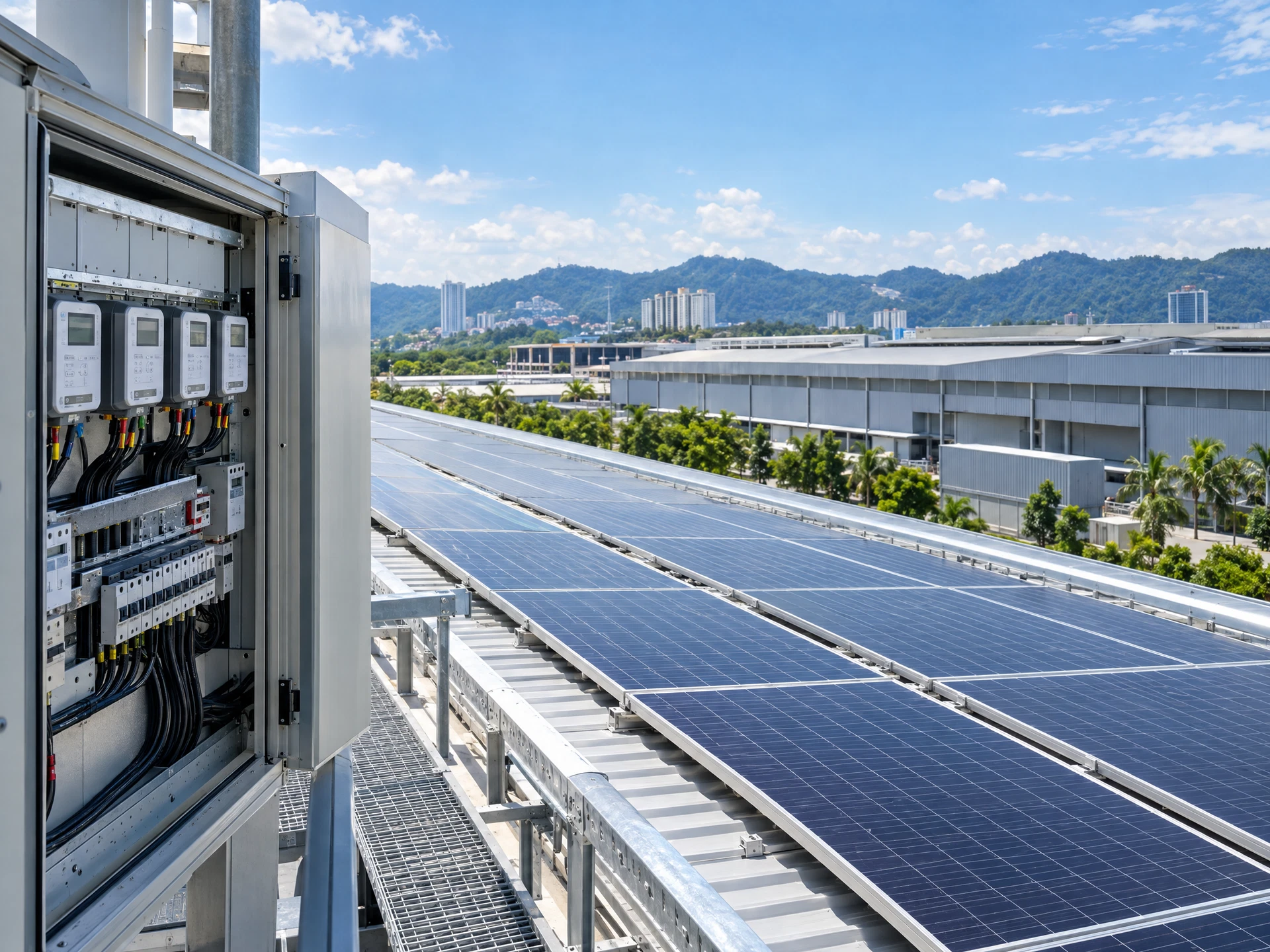
Choose one bounded question for analysis, not decisions.

Establish data boundaries and human approvals before setup.
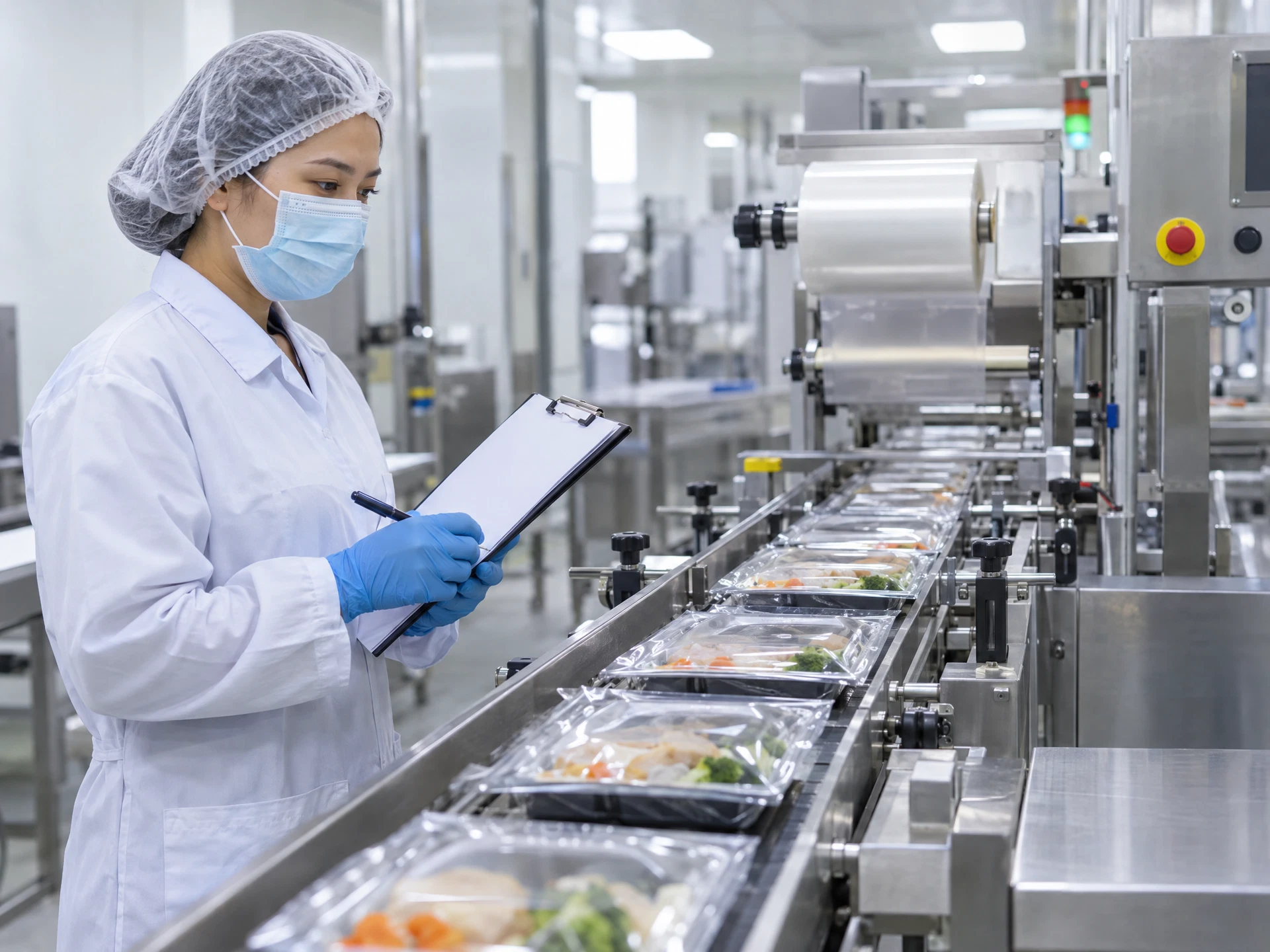
Build a repeatable Python notebook for reviewable analysis.
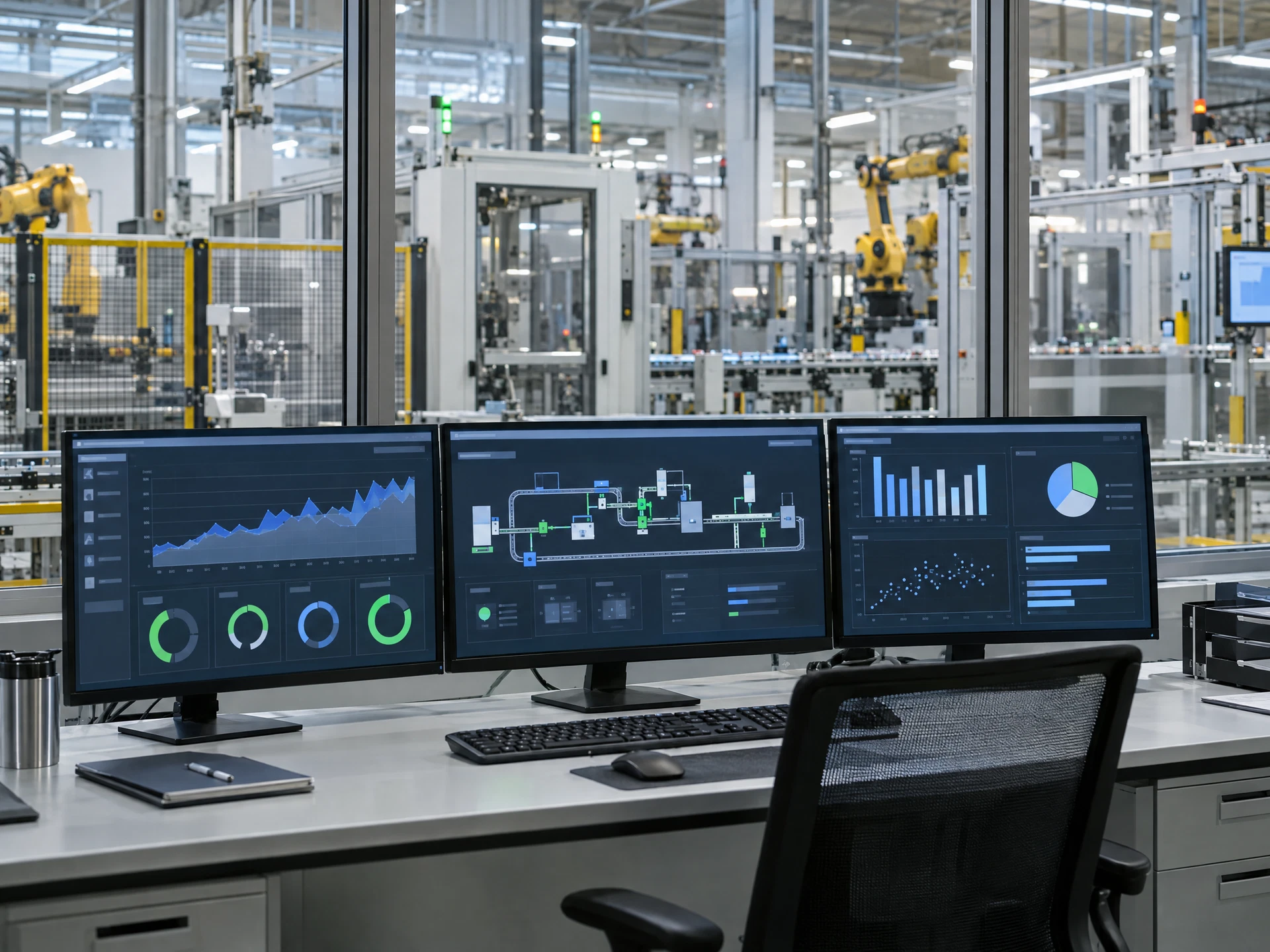
Verify accuracy, interpretation and limitations before workplace discussion.
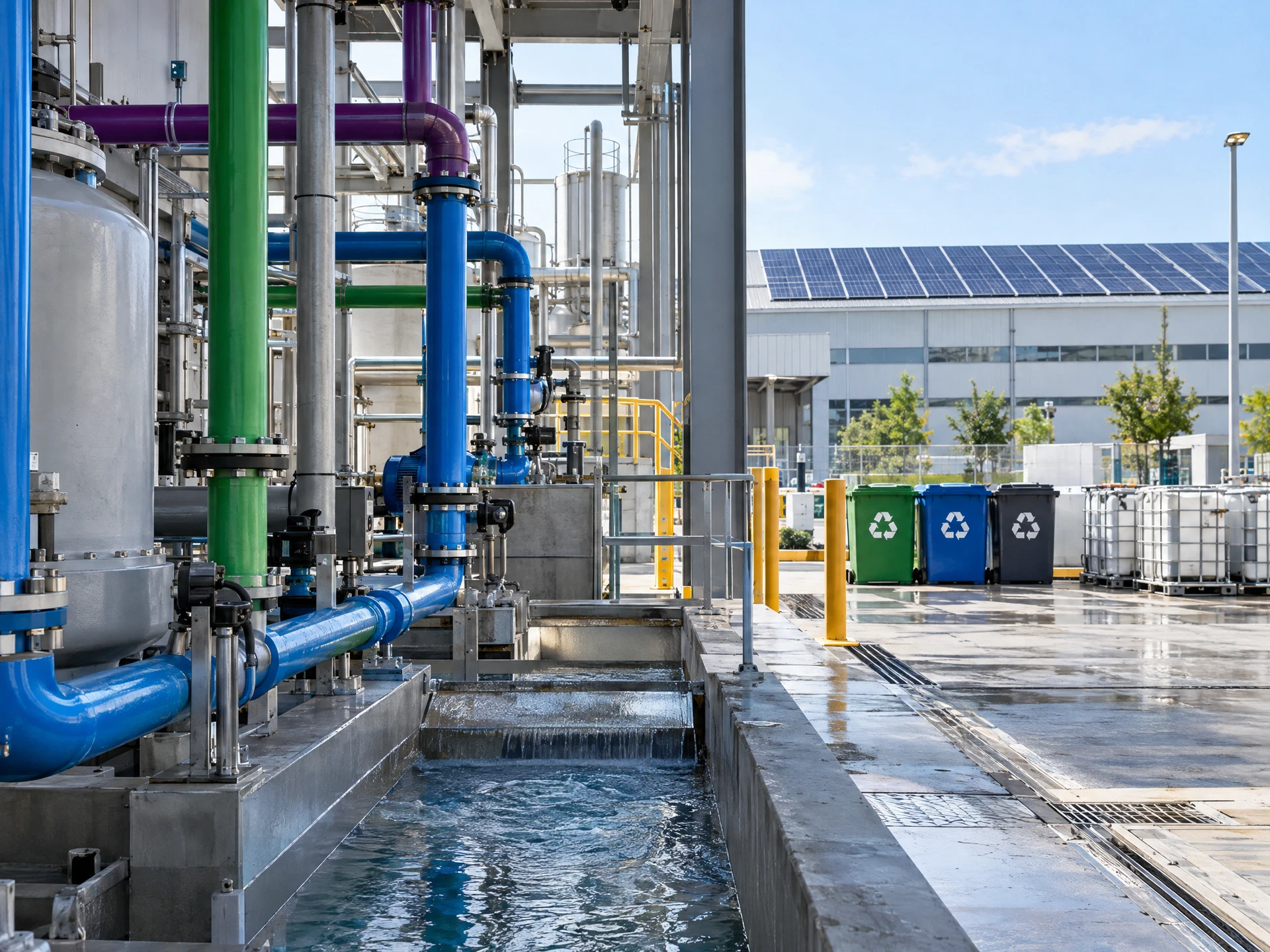
Pilot the workflow and decide whether to proceed.
Use the materials with a competent workplace owner and the appropriate approvals.
The five-stage flow uses AI-created fictional scenes; the people, equipment, interfaces and facilities are not actual AIGreen Plus staff, learners, clients or factories. Course images are category-specific examples. Pending assets are labelled in progress; unavailable artwork is suppressed rather than replaced with unrelated imagery.
Share the course title, participant roles and learning priorities. AIGreen Plus will confirm syllabus, tools, availability, delivery language, format and quotation.
Do not send confidential production data, account details or personal information in an enquiry.
