


Map suitable automation opportunities
Document triggers, inputs, handoffs, owners, approvals and exceptions in a manufacturing or office process, then identify low-risk steps that may benefit from no-code support.
Learn to map, design and review no-code AI workflow automations for Malaysian manufacturing and business teams, from production exceptions and QA/QC follow-up to procurement requests and office coordination. This proposed syllabus uses fictional or sanitised examples with human verification and approval; confirm tools, availability and scope with AIGreen Plus.
Proposed course outline; tools, dates, format, duration and fees must be confirmed with AIGreen Plus.

No-Code AI Workflow Automation is a proposed practical course for Malaysian manufacturing and office teams that want to connect routine steps without writing traditional code. Learners map a process, define safe inputs and approvals, configure a reviewable workflow in an organisation-approved no-code environment, test exceptions and monitor handoffs. AI supports drafting or classification; authorised people retain operational, quality, safety and compliance decisions.
This is a proposed training outline, not a confirmed schedule or a promise of commercial results. Use fictional or approved examples and keep decisions with the responsible people.
Learning objectives describe practice, not guaranteed business results.
Document triggers, inputs, handoffs, owners, approvals and exceptions in a manufacturing or office process, then identify low-risk steps that may benefit from no-code support.
Translate a business request into structured fields, bounded AI instructions, human checkpoints, notifications and records without treating automation as unattended decision-making.
Protect sensitive information, test AI-assisted drafting or classification against approved sources, and keep QA/QC, safety, compliance and operational judgement with authorised people.
Create test cases, escalation routes, ownership and review indicators for a small proposed workflow pilot, subject to organisational approval and confirmation of current tool access.
Prompt → Check → Revise → Review
Use AI to support suitable tasks. Manufacturing, quality, safety and business decisions remain with the people responsible.
Course visuals are AI-created fictional scenes; people and facilities do not depict actual AIGreen Plus staff, learners or client events.
A team uses sanitised fictional line notes to structure an exception, ask the correct maintenance or planning owner for follow-up and prepare a handover draft. A supervisor verifies quantities, timing and actions before the update is shared or acted upon.
Fictional inspection observations and a mock stock discrepancy are routed into separate review queues with questions, source references and escalation points. Authorised QA/QC and warehouse personnel retain inspection, release, traceability and inventory decisions.
A sanitised supplier request, meeting-note extract and sustainability evidence list are organised into approval tasks and follow-up actions. The workflow supports documentation only; owners check current records, official sources and organisational requirements before approval.
Examples are fictional or sanitised proposals, not AIGreen Plus client case studies or verified results.
These points describe AIGreen Plus's proposed approach for this course, not an independent competitor comparison or a claim that other providers lack similar content. Confirm the final syllabus, tools, delivery arrangements and availability with AIGreen Plus.
| Potential point of difference | AIGreen Plus's approach | Why it may matter to a factory |
|---|---|---|
| Manufacturing process mapping | The proposed learning path starts with operations, QA/QC, warehouse, procurement and office process maps before discussing workflow configuration. | Teams can connect automation ideas to familiar Malaysian business handoffs while keeping process ownership visible. |
| AI boundaries before automation | Exercises define data fields, uncertainty, human approvals and fallback routes before asking AI to draft, classify or summarise. | Learners can explore useful assistance without turning generated output into an unattended operational, quality or compliance decision. |
| Role-based, sanitised practice | The proposed activities use fictional or sanitised scenarios that reflect production, QA/QC, warehouse, procurement, sustainability and administration roles. | Participants can practise cross-team handoffs without exposing live confidential, personal or proprietary information. |
| Governance-led pilot planning | The final module links testing, access approval, escalation, review ownership and evaluation questions to a narrow proposed pilot. | A team has a structured starting point for discussion with process owners, IT or security staff and authorised decision-makers. |
On small screens, scroll horizontally inside the table to compare all three columns.
Eight proposed modules are shown in a structured table for easy review. Confirm the final syllabus, depth, tools, duration and delivery format with AIGreen Plus.
On small screens, scroll horizontally inside the course outline table to see every column.
| Module | Focus | Key points | Practice exercise |
|---|---|---|---|
| 01Foundations and Automation Opportunity Mapping | Understand no-code AI workflow automation and identify routine steps where structured assistance may be useful. |
| Map a fictional production-issue or purchase-request process, marking manual steps, data sensitivity, approvals and exceptions that require a person. |
| 02Workflow Requirements and Process Design | Turn a business need into clear workflow requirements before selecting or configuring a no-code environment. |
| Convert a sanitised warehouse discrepancy map into a requirements table covering trigger, fields, owner, approval, exception and final record. |
| 03Structured Data, Prompts and AI Boundaries | Prepare consistent information and bounded instructions for safe AI-assisted drafting, sorting or summarisation. |
| Write an instruction for classifying fictional QA/QC follow-up requests into review queues, then compare the outputs with the supplied records and flag uncertain cases. |
| 04Building No-Code Workflow Steps | Arrange a reviewable sequence of triggers, data handling, AI assistance, approvals, notifications and logging in an approved training environment or prototype. |
| Using a fictional workflow or paper prototype, arrange a trigger, field mapping, AI draft, human approval, notification and audit note for a supplier-update request. |
| 05Manufacturing, QA/QC and Warehouse Workflows | Apply no-code design to operations while protecting inspection, release, traceability and inventory responsibilities. |
| Design separate review paths for a fictional line interruption and stock discrepancy, then identify every point where a supervisor, QA/QC owner or warehouse lead must verify the record. |
| 06Procurement, Sustainability and Office Coordination | Use workflow thinking for purchasing requests, supplier follow-up, meeting actions and sustainability documentation support. |
| Create a fictional coordination flow for a supplier quote, an office action list and an ESG evidence request, assigning owners, review points and unresolved questions. |
| 07Testing, Monitoring and Human Controls | Check whether a proposed workflow behaves as intended across ordinary, incomplete, ambiguous and unsafe inputs. |
| Run a fictional ten-record test set through a workflow design, record incorrect or incomplete outputs, and propose a safeguard for each observed issue. |
| 08Pilot Planning, Governance and Improvement | Prepare a small, reviewable pilot with clear ownership, safeguards and evaluation questions before wider use. |
| Draft a one-page pilot brief for a fictional low-risk internal request workflow, including scope, data boundary, reviewer, escalation route, test plan and review date. |
It is the design of connected business steps using a no-code environment, with AI assisting bounded tasks such as drafting, sorting or summarising. People still define the process, approve consequential actions and handle exceptions.
The proposed syllabus covers opportunity mapping, workflow requirements, structured data, bounded AI instructions, no-code steps, manufacturing examples, testing, human controls and pilot planning. Confirm the final scope with AIGreen Plus.
Yes. Fictional or sanitised examples reflect production exceptions, shift handovers, QA/QC follow-up, warehouse discrepancies, procurement requests, sustainability evidence and office coordination in a manufacturing-business context.
No traditional programming is assumed. Participants should be able to describe a workplace process, its data fields, owners, approval points and exceptions; any platform-specific access should be confirmed with AIGreen Plus and the organisation.
The tools are not fixed in this proposed record. Confirm current vendor access, plan features, account requirements, organisational approval and any platform choice with AIGreen Plus before delivery.
No. AI and automation are documentation and analysis support only. Authorised owners must verify evidence and retain inspection, release, safety, regulatory and compliance decisions using current official sources and professional judgement.
Exercises can cover production issue routing, shift handovers, inspection follow-up, warehouse discrepancies, procurement approvals and office actions. The examples remain fictional or sanitised and require human verification before use.
Do not place personal, customer, supplier, proprietary or restricted factory information into a tool unless the organisation explicitly approves it. Use fictional or sanitised data, follow policy and obtain human review.
Basic familiarity with a workplace process, spreadsheet or shared record is useful, along with the ability to identify owners and approvals. Advanced AI or coding knowledge is not required.
They are not specified for this proposed course. Ask AIGreen Plus to confirm current duration, fees, delivery format, certificate arrangements and any HRD Corp eligibility before making plans or claims.
How can a Malaysian team pilot a no-code AI workflow without handing operational, quality, safety or approval decisions to automation?
Start with a low-risk routing, drafting or follow-up task such as a sanitised shift-handover note or procurement request. Define approved inputs, access and reviewer gates, configure the flow in an organisation-approved environment, test ordinary and unsafe cases with competent staff, then use a small pilot to decide whether to continue, revise or stop.
A practical course proposal. Select approved tools and sample data under your organisation's policy; keep operational, safety, quality and other authorised decisions with the responsible people.

Select repeatable handoffs without delegating authorised decisions to automation.

Define data and approval boundaries that preserve human authority.
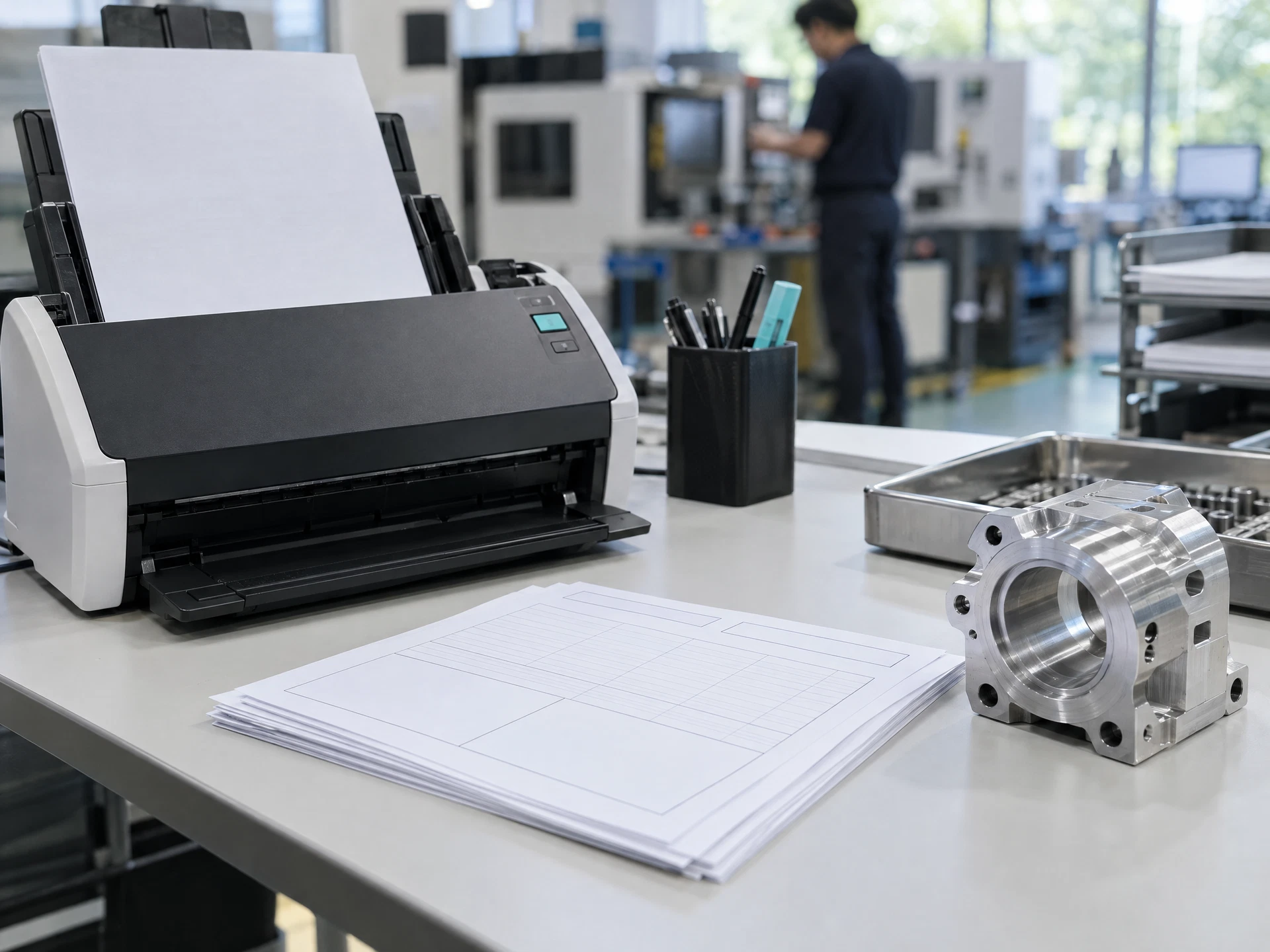
Build structured prototypes with reviewer gates and audit logging.
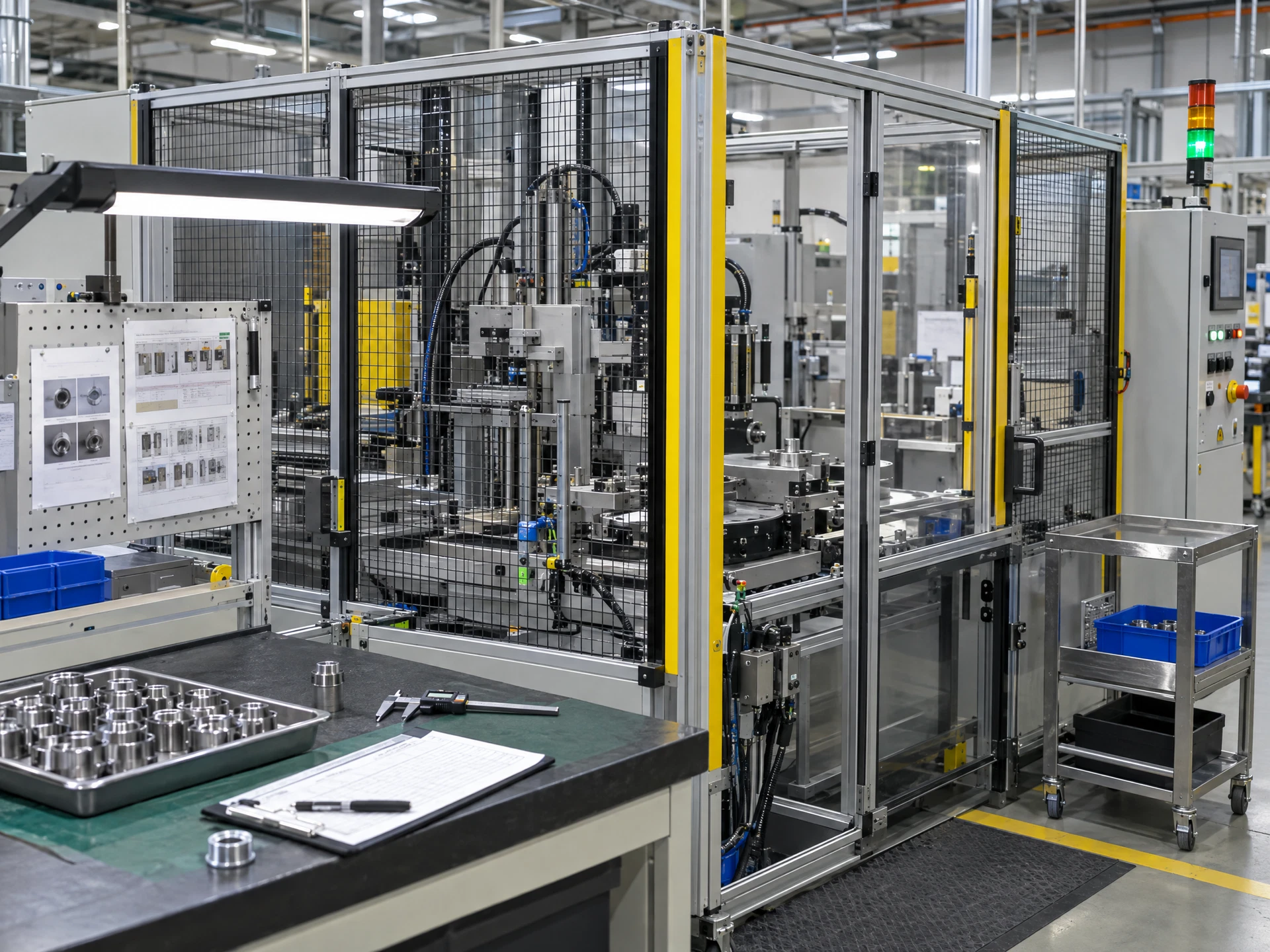
Test normal, incomplete, ambiguous and unsafe scenarios before piloting.

Pilot within controlled limits and decide using measured evidence.
Use the materials with a competent workplace owner and the appropriate approvals.
The five-stage flow uses AI-created fictional scenes; the people, equipment, interfaces and facilities are not actual AIGreen Plus staff, learners, clients or factories. Course images are category-specific examples. Pending assets are labelled in progress; unavailable artwork is suppressed rather than replaced with unrelated imagery.
Share the course title, participant roles and learning priorities. AIGreen Plus will confirm syllabus, tools, availability, delivery language, format and quotation.
Do not send confidential production data, account details or personal information in an enquiry.
