


Map a current-state process
Document triggers, steps, inputs, outputs, handoffs, queues and exceptions for a selected manufacturing or office workflow.
This proposed course helps Malaysian manufacturing and business teams map current processes, identify bottlenecks and design safer digital workflows with AI-assisted analysis. Participants use fictional or sanitised operations, QA/QC, warehouse, procurement and office examples, with human verification and final syllabus, tool and availability confirmation from AIGreen Plus.
Proposed course outline; tools, dates, format, duration and fees must be confirmed with AIGreen Plus.

AI for Business Process Improvement and Digitalisation is a proposed Business process automation training Malaysia course for teams that want to improve how work moves from request to completion. It covers process mapping, root-cause analysis, AI-assisted documentation, responsible automation assessment and pilot planning, while authorised process owners retain approvals, compliance decisions and operational judgement.
This is a proposed training outline, not a confirmed schedule or a promise of commercial results. Use fictional or approved examples and keep decisions with the responsible people.
Learning objectives describe practice, not guaranteed business results.
Document triggers, steps, inputs, outputs, handoffs, queues and exceptions for a selected manufacturing or office workflow.
Separate symptoms from possible causes and assess bottlenecks using evidence, process risk, data quality and owner feedback.
Create reviewable process briefs, checklists, question sets and future-state drafts from bounded, approved or sanitised source material.
Define roles, review gates, indicators, escalation paths and stop conditions without promising savings or unattended automation.
Prompt → Check → Revise → Review
Use AI to support suitable tasks. Manufacturing, quality, safety and business decisions remain with the people responsible.
Course visuals are AI-created fictional scenes; people and facilities do not depict actual AIGreen Plus staff, learners or client events.
A fictional manufacturing team maps how a customer order becomes a production and dispatch instruction, then uses AI to organise sanitised notes into a handoff checklist. The process owner verifies quantities, status terms, exceptions and approvals before any operational use.
A QA/QC group uses a mock inspection observation and nonconformance log to draft neutral follow-up questions, evidence requests and an issue summary. AI provides documentation and analysis support only; authorised personnel retain investigation, disposition, release and compliance decisions.
A procurement and sustainability team maps supplier-information requests, approval handoffs and missing records using fictional data, then prepares a reviewable checklist and escalation path. Current official requirements, ESG or GHG interpretations and supplier decisions must be checked with authorised owners and relevant official sources.
Examples are fictional or sanitised proposals, not AIGreen Plus client case studies or verified results.
This describes AIGreen Plus's proposed approach for this course, not an independent competitor comparison or a claim that other providers lack similar methods. Confirm the final syllabus, tools, delivery arrangements and availability with AIGreen Plus.
| Potential point of difference | AIGreen Plus's approach | Why it may matter to a factory |
|---|---|---|
| Process-first, not tool-first | The proposed learning sequence starts with scope, current-state mapping and evidence before considering AI assistance or automation. | Teams can discuss a real process problem without assuming a particular vendor, feature or account is available. |
| Role-based manufacturing context | Exercises connect operations, QA/QC, warehouse, procurement, sustainability and office handoffs to one improvement method. | Participants can practise across the cross-functional boundaries where delays, rework and unclear ownership often appear. |
| Control-aware AI support | AI outputs are treated as drafts for documentation and analysis, with source checks, approval points and escalation built into each activity. | Quality, safety, compliance and operational decisions remain with authorised people rather than an unattended model. |
| Small, reviewable pilot planning | The proposed course uses explicit roles, evidence questions, indicators and stop conditions instead of promising savings or results. | A team can take a bounded improvement idea to its owner for further assessment and organisational approval. |
On small screens, scroll horizontally inside the table to compare all three columns.
Eight proposed modules are shown in a structured table for easy review. Confirm the final syllabus, depth, tools, duration and delivery format with AIGreen Plus.
On small screens, scroll horizontally inside the course outline table to see every column.
| Module | Focus | Key points | Practice exercise |
|---|---|---|---|
| 01Set the Improvement Boundary | Define the process scope, business purpose, owner and decision boundaries before discussing AI or automation. |
| Map a fictional order-to-dispatch snapshot, mark its handoffs and missing information, and identify the person who must review the map. |
| 02Map the Current-State Workflow | Make the as-is flow visible across people, documents, spreadsheets, systems and physical work. |
| Build a current-state map for a sanitised purchase-requisition-to-receipt process, compare two role views and flag discrepancies for confirmation. |
| 03Find Bottlenecks and Root Causes | Analyse delays, repeated work and unclear ownership without treating an AI suggestion as a confirmed cause. |
| Classify a fictional QA hold and warehouse discrepancy log into symptoms, questions and evidence gaps, then propose a review order. |
| 04Redesign for Clearer Digital Work | Design a practical future-state flow that reduces ambiguity while retaining required controls and approvals. |
| Redesign a fictional maintenance-request or supplier-onboarding flow as a future-state swimlane, showing data fields, handoffs and approval points. |
| 05Use AI for Process Documentation | Use bounded prompts to support process briefs, SOP summaries, checklists and follow-up questions without changing controlled requirements. |
| Ask an organisation-approved AI tool to draft a process brief from sanitised notes, then check every statement and remove unsupported claims before review. |
| 06Evaluate Automation Opportunities Responsibly | Decide which activities may be suitable for assistance, standardisation or a scoped pilot using risk-aware criteria. |
| Score three fictional workflows—invoice follow-up, a QC exception and a leave request—against simple criteria, then recommend one for scoped owner discussion. |
| 07Plan Roles, Measures and Pilot Controls | Turn a selected improvement idea into a small, reviewable pilot brief with accountable people and evidence questions. |
| Create a one-page pilot brief for fictional warehouse discrepancy triage, including evidence collection, review points and stop conditions. |
| 08Adopt, Review and Improve | Embed feedback, version control and human approval into ongoing process improvement and digitalisation work. |
| Run a fictional improvement retrospective, revise one prompt or template, record the change rationale and agree the next human review. |
It is a proposed course that shows Malaysian teams how to map workflows, identify bottlenecks, draft AI-assisted process documentation and plan controlled digitalisation pilots. Final syllabus and availability should be confirmed with AIGreen Plus.
It moves from current-state mapping to evidence-based issue prioritisation, future-state design, reviewable AI assistance and pilot controls. Participants do not treat generated suggestions as confirmed causes or approved process changes.
The proposed outline focuses on process diagnosis, workflow design, AI-assisted documentation and responsible pilot planning; it does not promise coding instruction or access to a particular platform. Confirm tools and scope with AIGreen Plus.
Examples include order-to-dispatch handoffs, production coordination, QA/QC exceptions, warehouse discrepancies, procurement approvals and office or sustainability information flows, using fictional or sanitised records.
Digitalisation in this course means clarifying information, handoffs, records, roles and review points across a process. AI may assist selected tasks, but the process owner decides whether a change is suitable and approved.
No. AI is framed as documentation and analysis support only. Current official sources and authorised quality, food-safety, ESG, GHG, safety or compliance owners must guide regulated judgements and approvals.
Use fictional, synthetic or properly sanitised examples. Do not submit confidential, personal, customer, proprietary or restricted factory information unless the organisation has explicitly approved that use and the responsible owner has confirmed the safeguards.
The proposed audience includes operations and improvement leads, QA/QC and document-control staff, warehouse and procurement coordinators, and office, sustainability or digitalisation leads who manage recurring workflows.
Tool choice, account access, current vendor features and organisational approval are not fixed in this draft. Confirm the available tools, data rules and delivery arrangements with AIGreen Plus before using any live workflow.
Those details are not specified in this proposed record. Ask AIGreen Plus to confirm duration, fees, certificate arrangements and any current HRD Corp eligibility or documentation before planning participation.
How can Malaysian manufacturing and business teams use AI for safer process improvement and digitalisation?
Teams can use this proposed Business process automation training Malaysia course to select one bounded workflow, map its current state, diagnose bottlenecks, draft a controlled future state and use AI only on fictional or sanitised material. A process owner and competent reviewers verify outputs before a measured pilot, while authorised people retain operational, quality, compliance and release decisions.
A practical course proposal. Select approved tools and sample data under your organisation's policy; keep operational, safety, quality and other authorised decisions with the responsible people.

Define one workflow’s boundaries and reserved human decisions.

Map current operations and distinguish symptoms from hypotheses.
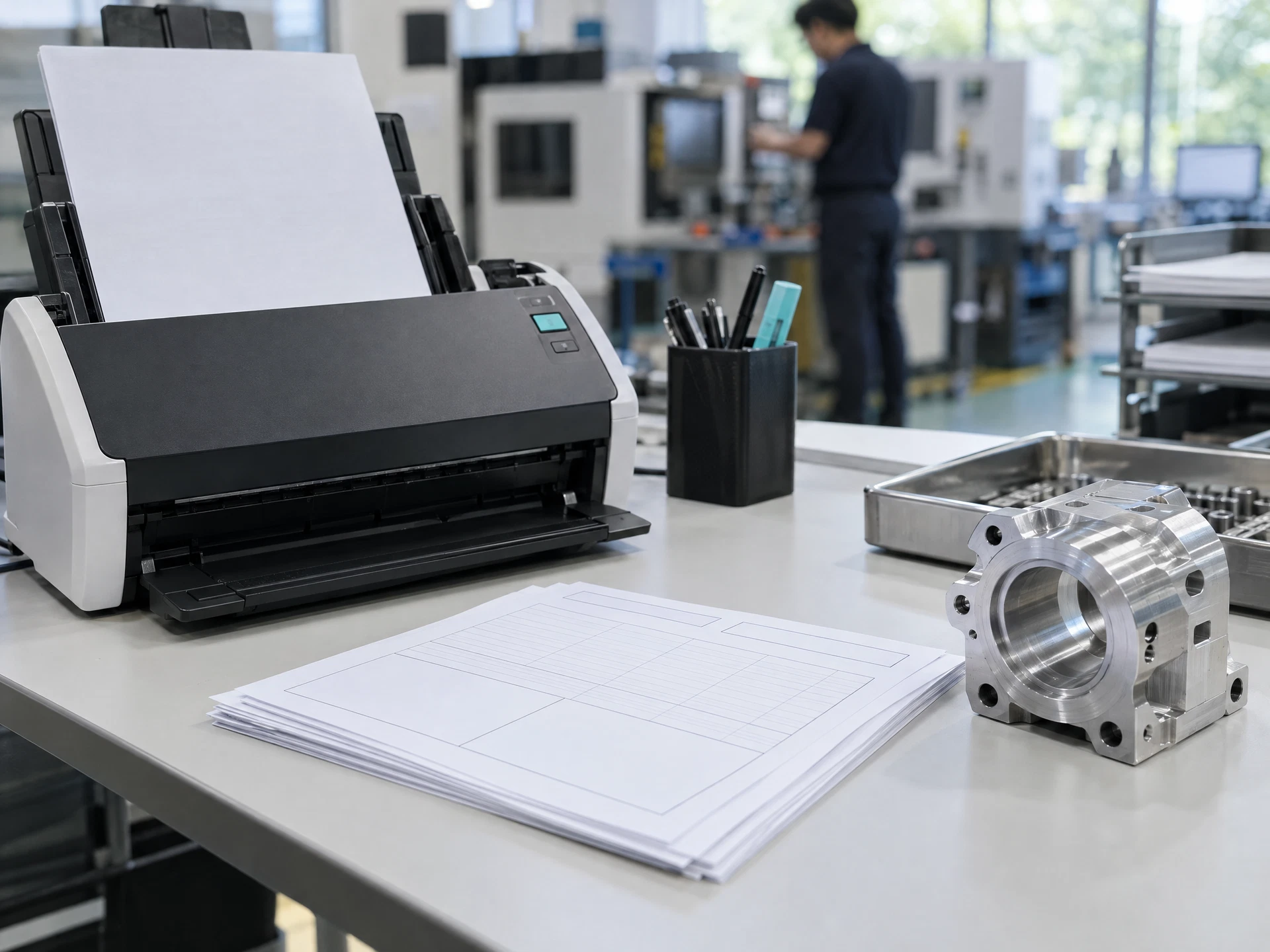
Design a controlled workflow and reviewable AI method.
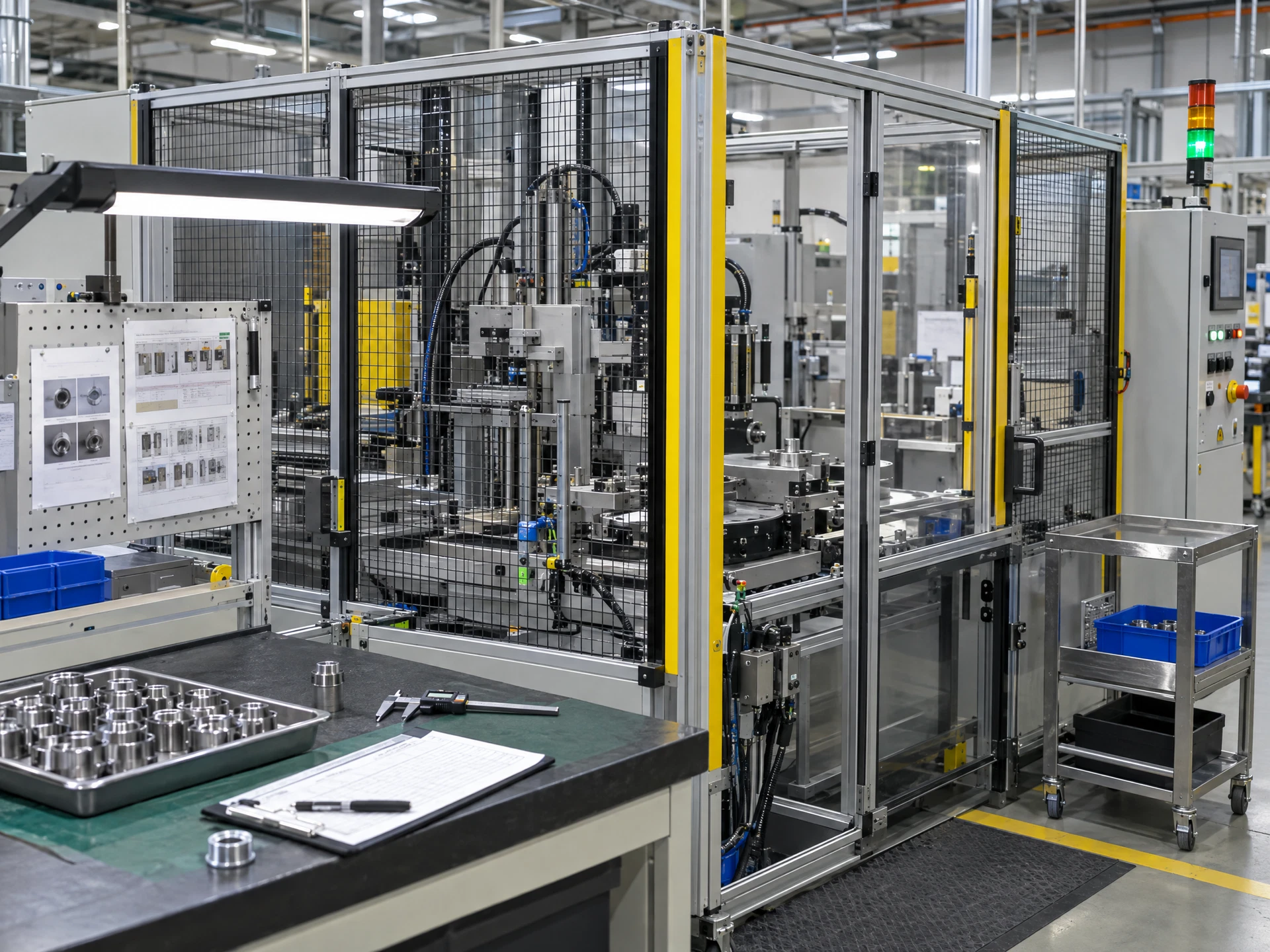
Verify draft accuracy and reviewability without bypassing controls.

Measure a controlled pilot and decide next steps.
Use the materials with a competent workplace owner and the appropriate approvals.
The five-stage flow uses AI-created fictional scenes; the people, equipment, interfaces and facilities are not actual AIGreen Plus staff, learners, clients or factories. Course images are category-specific examples. Pending assets are labelled in progress; unavailable artwork is suppressed rather than replaced with unrelated imagery.
Share the course title, participant roles and learning priorities. AIGreen Plus will confirm syllabus, tools, availability, delivery language, format and quotation.
Do not send confidential production data, account details or personal information in an enquiry.
