


Select a focused chatbot use case
Assess recurring business, customer-service and manufacturing support needs, then define a realistic audience, scope, exclusions and success questions without assuming a particular platform or integration.
Explore a proposed AI chatbot development course for Malaysian business and manufacturing teams, with practical work on use cases, conversation flows, approved knowledge, testing and human escalation. Exercises use fictional or sanitised customer-service, operations, QA/QC, warehouse and procurement information; syllabus, tools and availability should be confirmed with AIGreen Plus.
Proposed course outline; tools, dates, format, duration and fees must be confirmed with AIGreen Plus.

AI Chatbot Development for Business is a proposed course for Malaysian business and manufacturing teams that want to plan, prototype and review a customer or internal chatbot. It covers conversation design, knowledge boundaries, escalation, testing and governance using fictional or sanitised examples. Tools, syllabus and availability should be confirmed with AIGreen Plus, and authorised people retain responsibility for customer, quality and operational decisions.
This is a proposed training outline, not a confirmed schedule or a promise of commercial results. Use fictional or approved examples and keep decisions with the responsible people.
Learning objectives describe practice, not guaranteed business results.
Assess recurring business, customer-service and manufacturing support needs, then define a realistic audience, scope, exclusions and success questions without assuming a particular platform or integration.
Map intents, user journeys, approved answers, fallback wording and escalation routes so a chatbot can respond consistently while identifying what it cannot safely answer.
Create fictional test cases for accuracy, clarity, ambiguity, privacy and handover, record defects and route business, QA/QC or operational decisions to authorised people.
Document ownership, content maintenance, access considerations, review checkpoints and feedback measures for a small proposed pilot, subject to current tool availability and organisational approval.
Prompt → Check → Revise → Review
Use AI to support suitable tasks. Manufacturing, quality, safety and business decisions remain with the people responsible.
Course visuals are AI-created fictional scenes; people and facilities do not depict actual AIGreen Plus staff, learners or client events.
A fictional Malaysian manufacturer maps common order-status questions, approved response content and customer-service handover points. Learners test incomplete and out-of-scope enquiries, verify every answer against the mock source and avoid implying live order-system access.
A mock internal assistant helps staff find approved wording from sanitised work instructions and inspection guidance. The exercise focuses on retrieval boundaries and escalation; it does not make inspection, safety, release, HACCP or compliance decisions, which remain with authorised owners and current official sources.
Using fictional receiving, stock-exception and supplier-enquiry notes, learners design a chatbot conversation that asks for missing context and routes exceptions to people. Quantities, locations, supplier commitments and purchasing actions are checked against records before any human-approved use.
Examples are fictional or sanitised proposals, not AIGreen Plus client case studies or verified results.
This describes AIGreen Plus's proposed approach for this course, not an independent competitor comparison or a claim that other providers lack similar methods. Confirm the final syllabus, tools, delivery arrangements and availability with AIGreen Plus.
| Potential point of difference | AIGreen Plus's approach | Why it may matter to a factory |
|---|---|---|
| Use-case before platform choice | The proposed learning path starts with business questions, users, boundaries and accountable owners before discussing any chatbot tool. | Teams can judge whether a chatbot is appropriate for a customer, office, operations, warehouse or procurement need. |
| Manufacturing and business-team scenarios | Exercises use fictional or sanitised examples from customer service, QA/QC, production, warehouse and procurement workflows. | Participants can connect conversation design to familiar Malaysian workplace information without exposing live records. |
| Reviewable conversation quality | The proposed approach combines intent mapping, approved content boundaries, test cases, defect logging and human handover. | Learners practise checking what a chatbot says, cannot answer and must route to an authorised person. |
| Responsible pilot planning | Pilot briefs include ownership, privacy safeguards, approval gates, content maintenance and feedback rather than guaranteed outcomes. | Teams receive a practical discussion framework for next steps, subject to organisational approval and current vendor access. |
On small screens, scroll horizontally inside the table to compare all three columns.
Eight proposed modules are shown in a structured table for easy review. Confirm the final syllabus, depth, tools, duration and delivery format with AIGreen Plus.
On small screens, scroll horizontally inside the course outline table to see every column.
| Module | Focus | Key points | Practice exercise |
|---|---|---|---|
| 01Business chatbot purpose and use-case selection | Identify a narrow, useful business problem and set boundaries before choosing a chatbot approach. |
| Using a fictional Malaysian manufacturer, rank three proposed chatbot ideas for customer order enquiries, warehouse questions and office policy support; record scope, exclusions, owner and review questions for the selected idea. |
| 02Conversation architecture and intent mapping | Turn recurring enquiries into a clear conversation structure that users and reviewers can understand. |
| Create an intent map for a fictional supplier-status chatbot, then draft the first-turn response, two clarification branches and a safe fallback for an out-of-scope request. |
| 03Approved knowledge and content preparation | Prepare reliable source material and answer boundaries without treating generated text as an authorised business record. |
| Build a small fictional knowledge pack from a mock delivery FAQ, warehouse receiving note and procurement procedure; label each item as approved, incomplete, outdated or requiring owner confirmation. |
| 04Prompt and response design for business chatbots | Write response rules that guide tone, evidence use, uncertainty and next steps across common business conversations. |
| Draft a response specification for a fictional QA/QC information assistant that must quote only supplied mock content, ask for missing batch context and avoid pass, fail or product-release decisions. |
| 05Human handover and workflow design | Connect chatbot conversations to people, queues and approval points without promising a particular integration or automation capability. |
| Design a fictional escalation flow for a damaged-goods enquiry involving customer service, warehouse and QA/QC; identify the handover summary, responsible role and approval needed at each stage. |
| 06Prototype conversations and test chatbot behaviour | Use a proposed tool or documented conversation prototype to test expected, ambiguous and adversarial questions before wider consideration. |
| Run a paper or approved-tool test set for a fictional procurement chatbot, including a normal supplier query, an incomplete request and a request for confidential pricing; score each response and document corrections. |
| 07Privacy, safety and governance safeguards | Set practical controls for information handling, accountability and review while keeping regulated or safety decisions with authorised owners. |
| Review a fictional chatbot transcript containing personal details, a production-safety concern and an uncertain HACCP-related question; redact or route each item and note the authorised owner for follow-up. |
| 08Pilot planning, feedback and continuous improvement | Prepare a reviewable pilot plan that measures usefulness and risk without guaranteeing savings, adoption or business results. |
| Write a one-page pilot brief for an internal warehouse FAQ chatbot using fictional information, including audience, safeguards, reviewer, feedback questions, defect log fields and criteria for pausing the pilot. |
It is a proposed course covering chatbot use-case selection, intent mapping, approved knowledge, response design, human handover, testing, governance and pilot planning. Confirm the final syllabus and scope with AIGreen Plus.
The examples reflect customer enquiries, production information, QA/QC support, warehouse exceptions, procurement questions and office workflows familiar to Malaysian business teams, using fictional or sanitised information.
The proposed design work can address either audience or a carefully bounded combination, but each use case needs its own users, approved content, escalation route and owner. Suitability should be confirmed during scoping with AIGreen Plus.
Start with recurring, well-understood questions that have an accountable content owner and a clear human fallback. Exclude tasks requiring unauthorised decisions, confidential data exposure or unverified live-system information.
Use approved source material, assign a content owner, record versions and review dates, test changes and route uncertain answers for human confirmation. A chatbot draft is not a substitute for the controlled source.
Exercises define clarification prompts, no-answer wording, escalation triggers and the context a person needs. Customer, quality, safety and operational decisions remain with authorised staff rather than the chatbot.
The final tools and account arrangements are not fixed in this draft. Verify current vendor access, plan features, data terms and organisational approval with AIGreen Plus and the relevant software owner before delivery.
Practise with fictional or sanitised data and follow organisational privacy, security and retention rules. Do not enter personal, customer, proprietary, export-controlled or confidential information unless explicitly approved for that use.
No. AI may support documentation, analysis or question preparation only. Current official sources and authorised QA, safety, food-safety, legal or compliance owners must make and approve regulated decisions.
Ask AIGreen Plus to confirm the proposed syllabus, tools, availability, delivery format, duration, fees and any certificate or HRD Corp arrangements. Share participant roles and goals, not confidential factory or customer data.
How can a Malaysian business pilot a responsible chatbot for customer-service or internal operations questions?
Start with one bounded customer-service or internal-support question set, then map intents, approved source content, fallback wording and human handover. Build a documented prototype with fictional or sanitised examples, test expected and adversarial questions with a competent reviewer, and run any pilot only after organisational approval. Confirm current tools and availability with AIGreen Plus.
A practical course proposal. Select approved tools and sample data under your organisation's policy; keep operational, safety, quality and other authorised decisions with the responsible people.

Select one recurring question lane, audience, and exclusions.

Map conversations, approved knowledge, privacy limits, and approval boundaries.
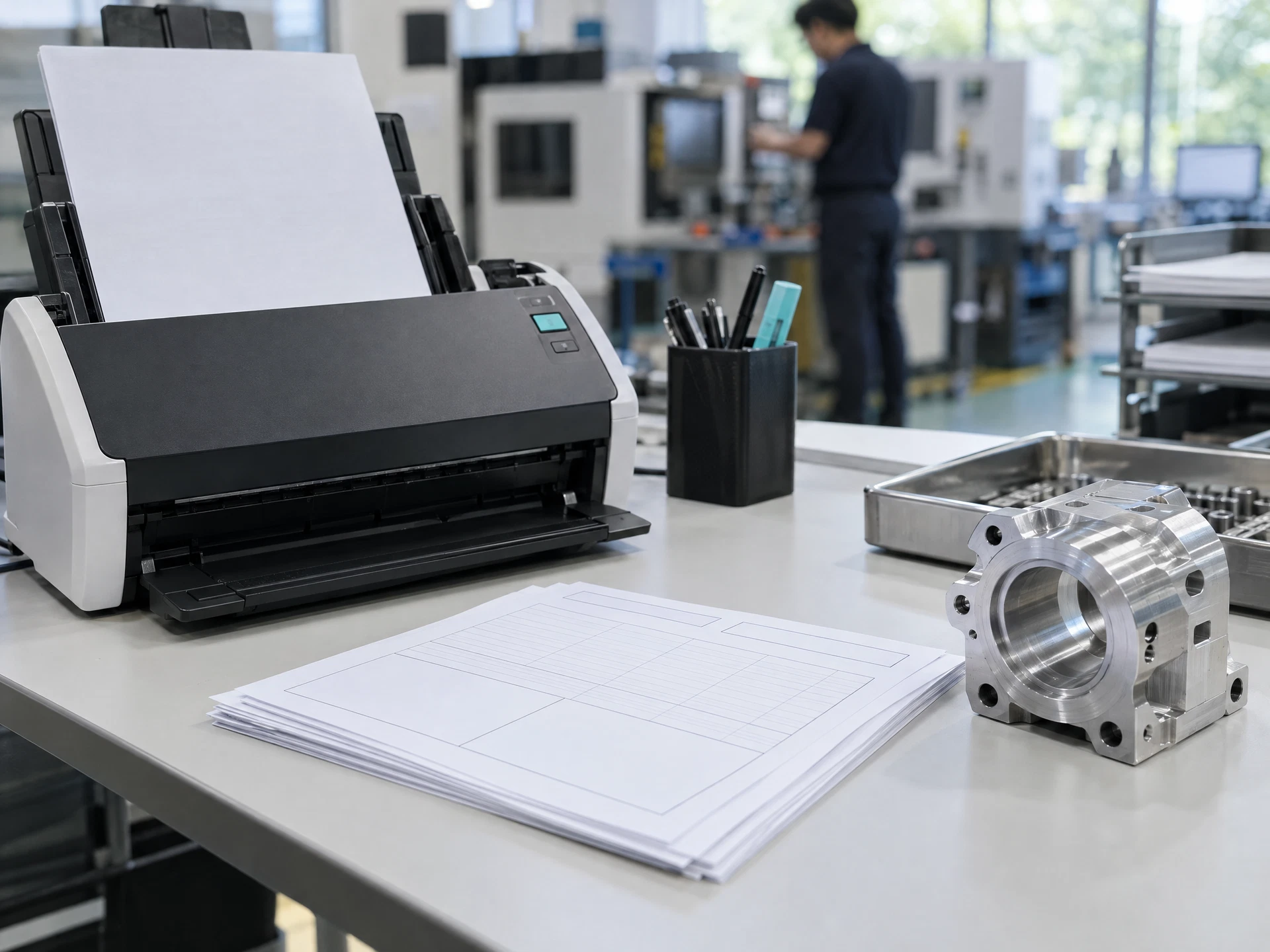
Build a documented, versioned prototype without implying live access.
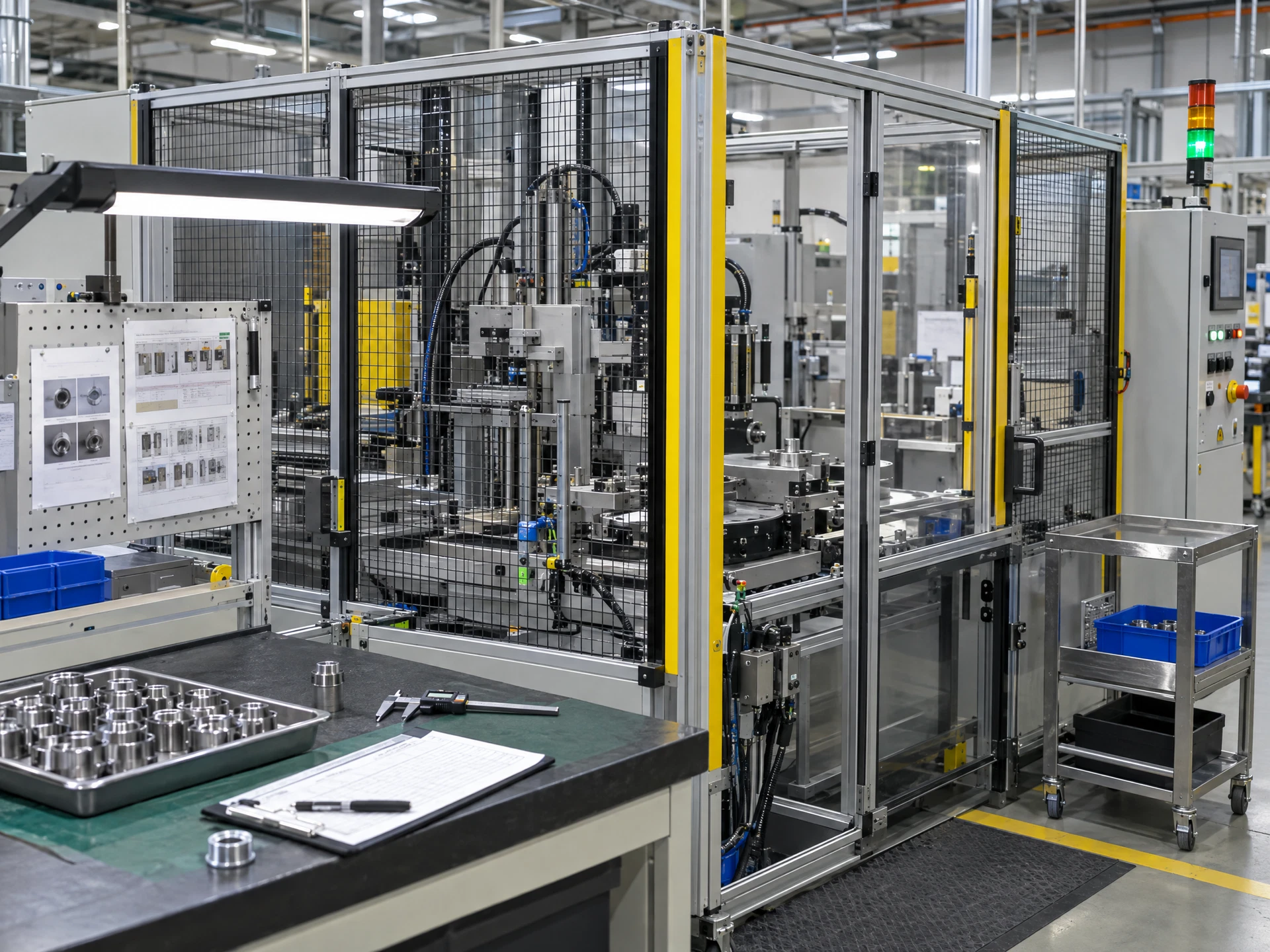
Test accuracy, ambiguity, privacy handling, and authorised human handovers.

Pilot with approval, measure usefulness and risks, then decide.
Use the materials with a competent workplace owner and the appropriate approvals.
The five-stage flow uses AI-created fictional scenes; the people, equipment, interfaces and facilities are not actual AIGreen Plus staff, learners, clients or factories. Course images are category-specific examples. Pending assets are labelled in progress; unavailable artwork is suppressed rather than replaced with unrelated imagery.
Share the course title, participant roles and learning priorities. AIGreen Plus will confirm syllabus, tools, availability, delivery language, format and quotation.
Do not send confidential production data, account details or personal information in an enquiry.
