Assess procurement, nature and circularity priorities with supplier and site evidence.
4 specific service outlines
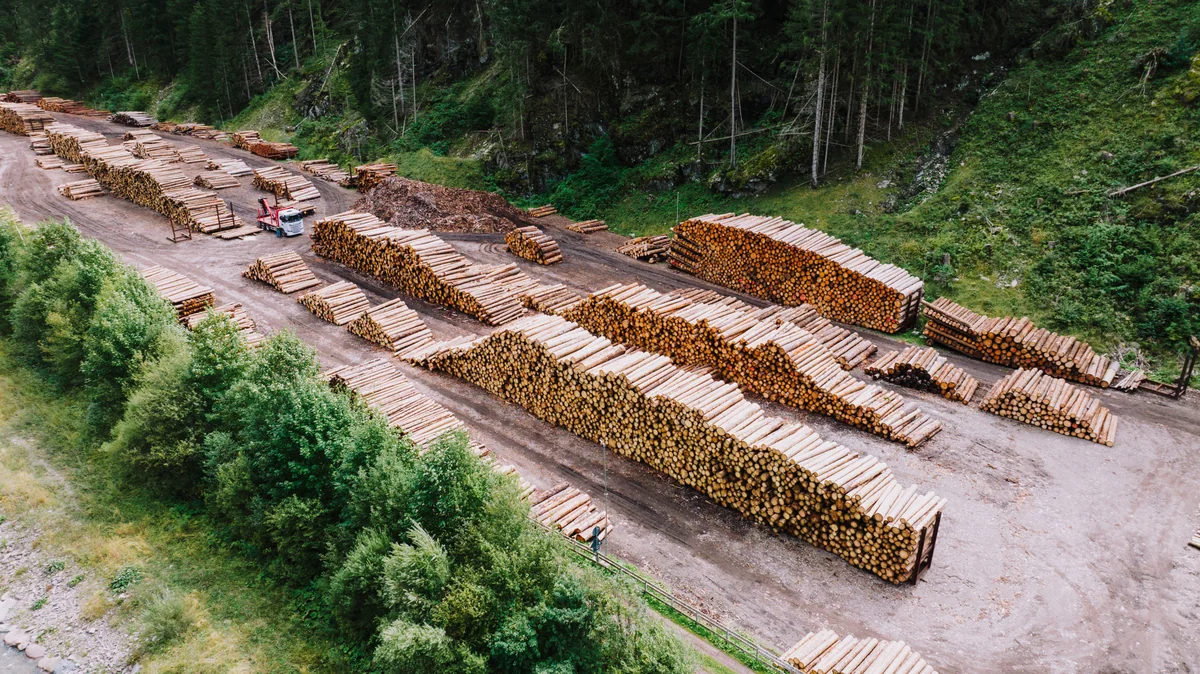
Illustrative stock photograph; not an AIGreen Plus client project.
Photo by K (Pexels profile: https://www.pexels.com/@kelly/) · Source:source page · Licence:Pexels License · Resized proportionally and converted to WebP; original content retained. Displayed in a landscape frame.
SUSTAINABLE SUPPLY CHAIN & NATURE
Choose a specific service question.
Each outline uses the same readable structure: a fictional dashboard, five review stages, a consultancy comparison, hypothetical figures and source notes.
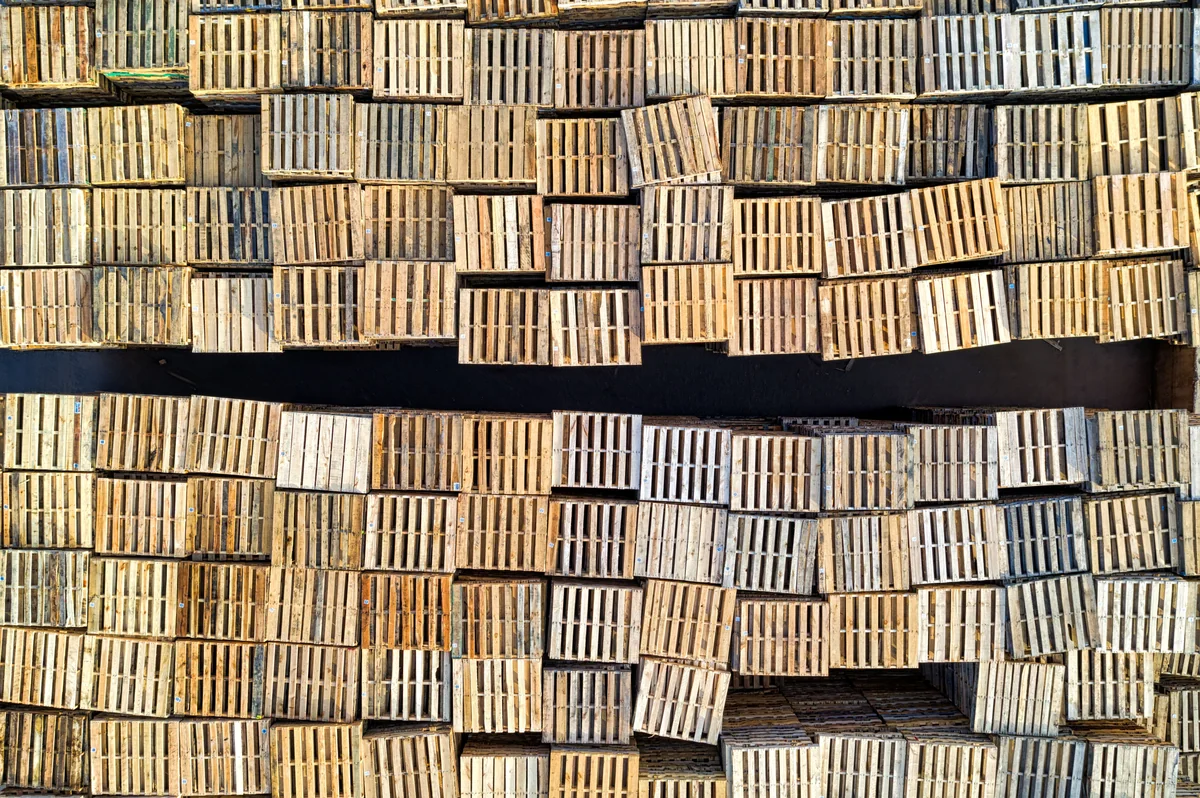
Photo by Tom Fisk · Source:source page · Licence:Pexels License · Resized proportionally and converted to WebP; original content retained. Displayed in a landscape frame.
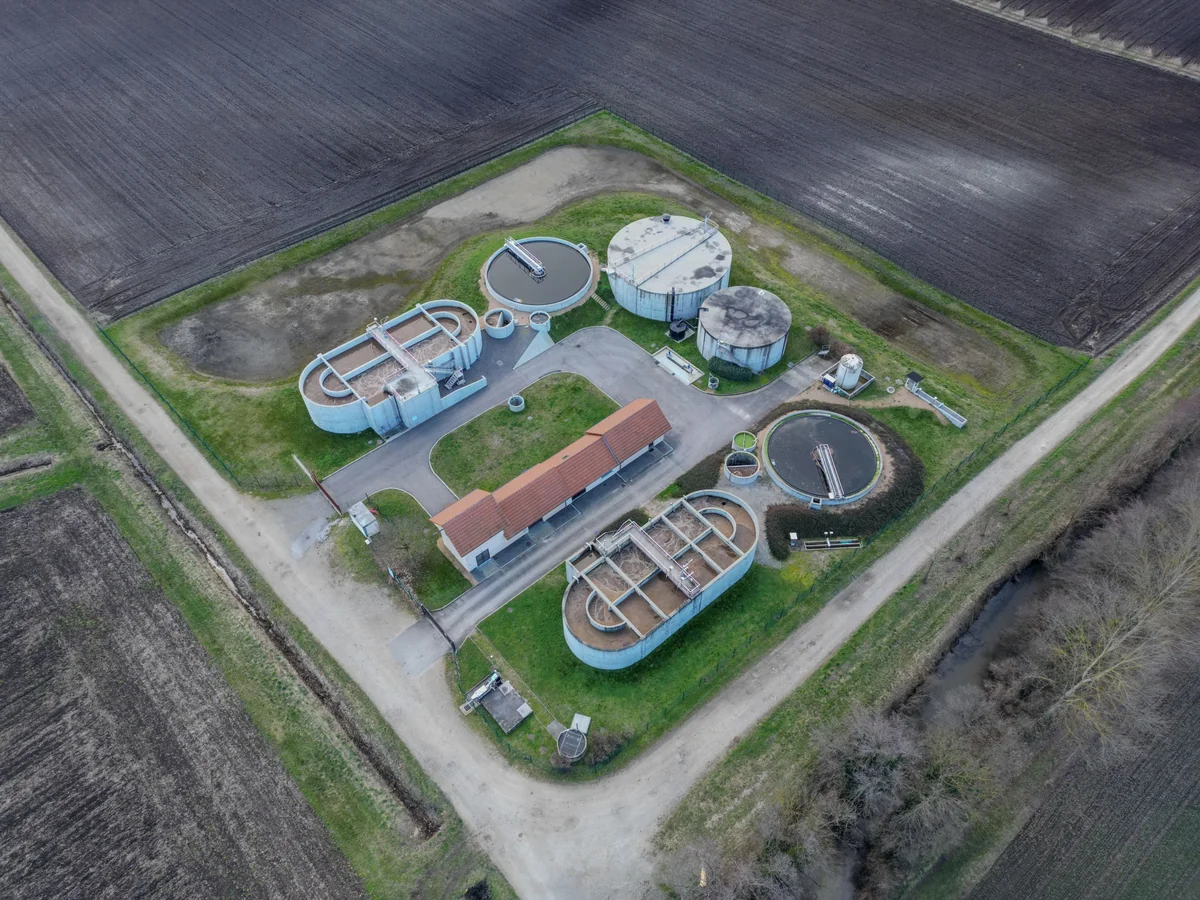
Photo by Lorenzo Manera · Source:source page · Licence:Pexels License · Resized proportionally and converted to WebP; original content retained. Displayed in a landscape frame.
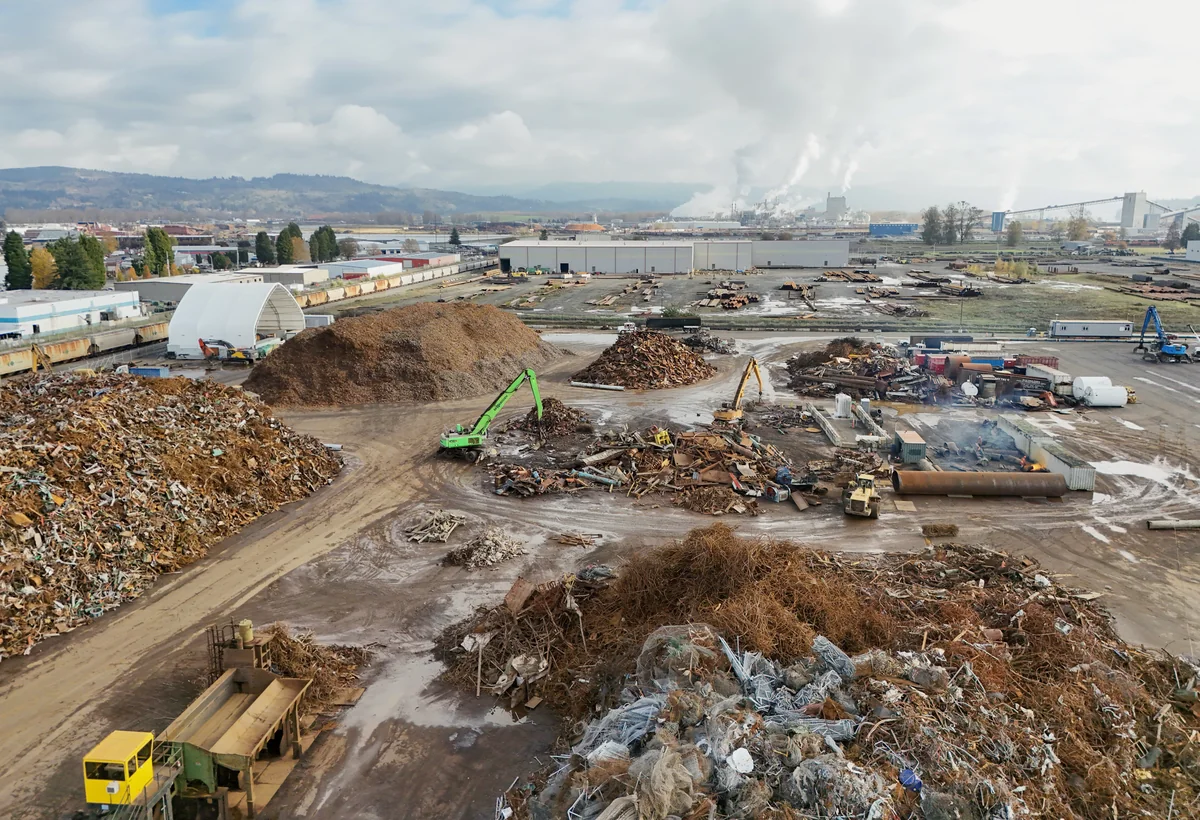
Photo by Corentin Jacquemaire · Source:source page · Licence:Pexels License · Resized proportionally and converted to WebP; original content retained. Displayed in a landscape frame.
Illustrative stock photographs are shown for context; they do not depict AIGreen Plus staff, facilities, clients or measured results.
Clear answers
Frequently asked questions.
Clear answers about this ESG consultancy category and its boundaries.
Which services are included in Sustainable Supply Chain & Nature?
This category contains 4 proposed consultancy services: Sustainable Procurement Consultancy; Nature-Related Risk Assessment; Biodiversity Impact and Risk Assessment; Circular Economy Assessment. Open a title for its approach, fictional dashboard, evidence requirements, responsibilities and ten FAQs.
What should our manufacturing team prepare before an enquiry?
Describe the sites, products or reporting question, intended use and available evidence. Share only a high-level outline first, not confidential records. Boundaries, methods, access and review roles are agreed during discovery.
Does consultancy guarantee certification, reporting acceptance or savings?
No. Readiness support, assessment and evidence organisation do not replace qualified legal applicability review, independent assurance, programme verification or certification. Outcomes and external requirements need a written scope and relevant qualified parties.
Category descriptions are proposed starting points. They do not amount to an accreditation, audit opinion, legal conclusion or regulatory acceptance.