


SUSTAINABLE SUPPLY CHAIN & NATURE
Biodiversity Impact and Risk Assessment
Turn nature questions into a reviewable action plan. Built for Malaysian manufacturing decisions.
AIGreen Plus can help your team scope sites, processes and suppliers, organise evidence, identify biodiversity dependencies and impacts, and rank nature-related risks. The engagement is a proposed consultancy assessment, not installed software, legal advice, an EIA approval or certified assurance.
Human review retainedCurrent-source check is conditionalFictional dashboard concept
See the review dashboard ↓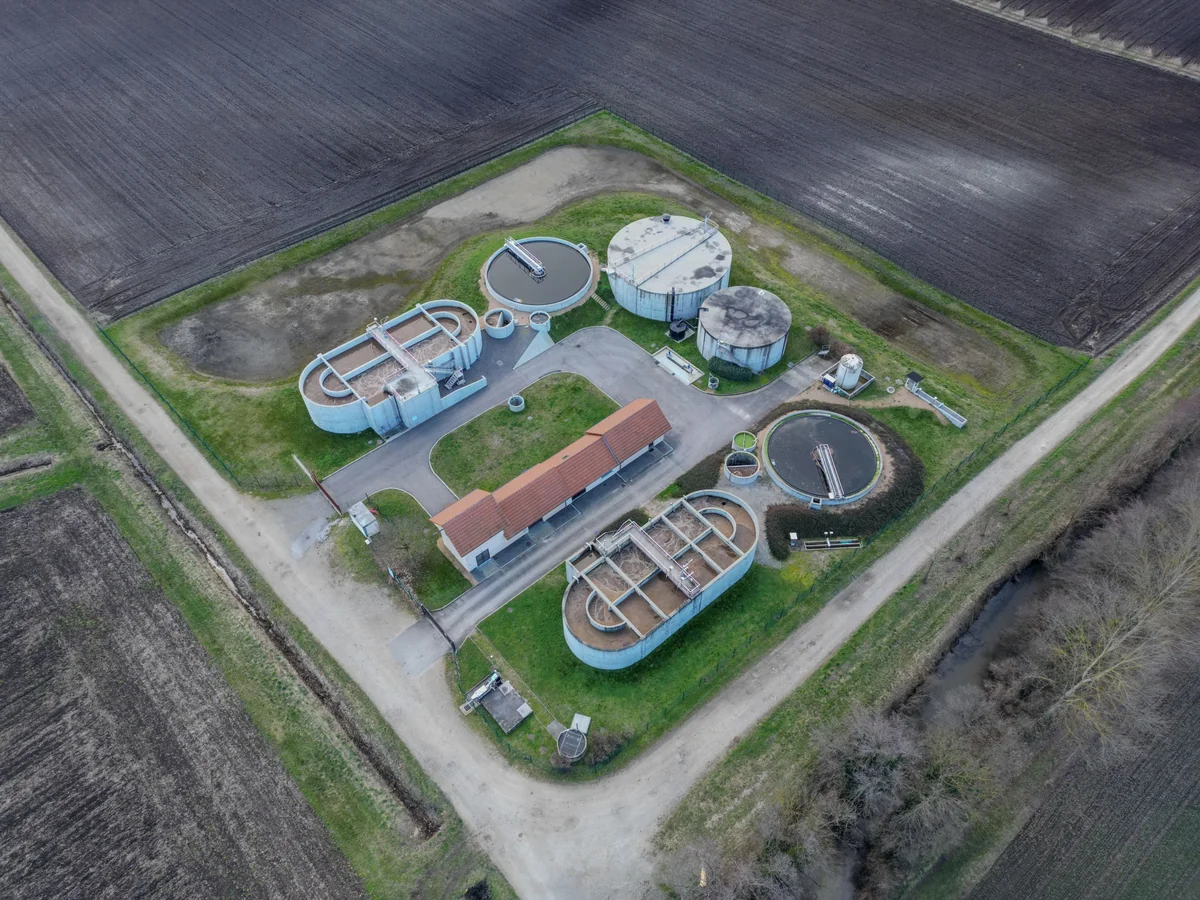
Photo by Corentin Jacquemaire · Source: source page · Licence: Pexels License · Resized proportionally and converted to WebP; original content retained. Displayed in a landscape frame.
This service examines where a manufacturing operation interfaces with nature, what activities may create pressures, which dependencies and impacts merit attention, and what risks or response options should be reviewed. We can structure a TNFD-informed Locate, Evaluate, Assess and Prepare engagement alongside biodiversity-inclusive impact-assessment principles. Client owners and qualified specialists validate evidence, significance and decisions; outputs are working papers and a prioritised roadmap, not a guarantee of compliance or environmental improvement.
01 / SEE THE REVIEW OUTPUT
Illustrative biodiversity assessment board
FICTIONAL SAMPLE / four assessment areas in a scoping batch. This screen is a static illustration for discussion, not a connected customer system.
PROPOSED DASHBOARD CONCEPT
FICTIONAL SAMPLE / four assessment areas in a scoping batchIllustrative biodiversity assessment board
Fictional LEAP workstream coverage
Fictional sample values · Bars compare planned checks in three workstreams; they are not biodiversity condition scores or measured outcomes
Unit: assessment checks
| Assessment area | Evidence items | Priority gaps | Review status |
|---|---|---|---|
| Main site habitat interface | 8 | 2 | Review-ready |
| Process water interface | 6 | 1 | Review-ready |
| Raw-material landscape | 10 | 3 | Needs evidence |
| Logistics and supplier screen | 5 | 1 | Review-ready |
AI-assisted draft / requires verification
Fictional draft: three areas appear review-ready while the raw-material landscape needs evidence. This is a triage note only; it does not infer a material impact, risk level or required mitigation.
02 / FIVE REVIEW STAGES
Five steps, with an accountable owner.
Evidence, assumptions and open questions move through a human review route. No certification or automatic conclusion is implied.
- 01↓
Scope and boundary
Set decision and assessment boundariesAgree sites, products, value-chain links, time horizon, stakeholders and intended use of the assessment.
OWNER / CONTROLClient sponsor / consultant - 02✓
Locate interfaces
Map where operations meet natureScreen facilities, water interfaces, land context and selected supply-chain locations using approved evidence and maps.
OWNER / CONTROLConsultant / site owner - 03≡
Evaluate pressures
Describe dependencies and impactsReview drivers such as land change, abstraction, discharges, disturbance and resource dependence without inventing ecological measurements.
OWNER / CONTROLTechnical assessor - 04◎
Assess and prioritise
Review risks, opportunities and gapsApply an agreed qualitative or documented method to rank issues, uncertainty, controls and information needs.
OWNER / CONTROLQualified reviewer / client - 05↗
Prepare handover
Convert findings into governed actionsDeliver an evidence register, assumptions, response options, owners and disclosure-readiness discussion for approval.
OWNER / CONTROLClient decision owner
If a check fails: Hold the record for its owner, correct the source and preserve the approved manual fallback.
03 / RESPONSIBILITIES
Organise the work. Keep conclusions with people.
The proposed support can structure records and questions; responsible owners still assess evidence, applicability and decisions.
| Review point | Common starting position | Proposed consultancy support | Responsible reviewer |
|---|---|---|---|
| Map sites and value-chain interfaces | Teams reconcile maps, spreadsheets and supplier notes | Proposed structured evidence register and digital review view | Confirm boundaries, locations and sensitive context |
| Screen biodiversity pressures | Repeatedly compare activities with available ecological information | Proposed prompts and issue taxonomy for consistent triage | Validate the pressure, pathway and evidence quality |
| Rank nature-related issues | Facilitators consolidate workshop judgements and gaps | Proposed scoring worksheet with visible assumptions | Approve method, significance and uncertainty |
| Prepare an action roadmap | Owners maintain separate notes and follow-up lists | Proposed action, evidence and review-status tracker | Authorise actions, claims and any external reporting |
Make the boundary explicit
Create a traceable scope covering selected facilities, activities, suppliers and decision uses.
Improve evidence discipline
Organise source, date, owner, confidence and unresolved gaps for each assessment statement.
Support consistent prioritisation
Document a proportionate method for dependencies, pressures, risks, opportunities and uncertainty.
Give owners a governed roadmap
Translate reviewed issues into options, evidence requests, accountable owners and decision gates.
04 / HONEST HYPOTHETICAL FIGURES
Show the working behind a planning example.
These figures are modest arithmetic for discussion, not customer evidence, forecasts, emissions claims, payroll promises or guaranteed outcomes.
HYPOTHETICAL WORKED EXAMPLE / NOT CUSTOMER RESULTS
90 → 60 combined labour minutes for the same task.
12 one evidence record checked against scope, source and reviewer fields units per month × 30 minutes less per unit.
12 → 5 per 100 checked error-affected administrative evidence records, not biodiversity incidents, habitat condition or compliance outcomes (7.0 percentage points).
See assumptions and calculations
| Measure | Illustrative calculation | Meaning and limit |
|---|---|---|
| Labour effort | (90 − 60) ÷ 90 × 100 = 33.3% | Same workload and expected review quality; includes ongoing exception checks as scoped. |
| Time capacity | (90 − 60) × 12 ÷ 60 = 6.0 hours | Released time is not payroll savings or guaranteed job reduction. |
| Admin checks | (12 − 5) ÷ 100 = 7.0 percentage points; 58.3% relative | Separate hypothetical like-for-like check of missing or inconsistent record fields; figures are not measured results, benchmarks or a quality guarantee. |
Hypothetical same-workload example: a client coordinator and consultant together spend 90 minutes locating, reconciling and checking one record; a proposed template and review sequence reduce this to 60 minutes including exception handling. It is an administrative-effort illustration, not headcount reduction, payroll saving or environmental improvement.
Scenario figures are illustrative arithmetic, not benchmarks, forecasts, actual customer results or guarantees. Measure a like-for-like pilot with the same definitions before making a claim.
05 / PROPOSED DELIVERY
Agree the evidence and review route before work starts.
Confirm scope and method
Workshop the business question, boundaries, materiality lens, evidence standard, stakeholders and review roles.
What you receiveApproved assessment brief and evidence request listBuild the evidence baseline
Review site, process, water, land-use, supplier and existing environmental information within written scope.
What you receiveSource register, interface map and gap logAnalyse and review
Evaluate dependencies, pressures, impacts and nature-related risks with assumptions and uncertainty visible.
What you receiveIssue register, prioritisation worksheet and review packHandover the roadmap
Facilitate a qualified review and capture response options, owners, evidence needs and reporting-readiness considerations.
What you receiveAction roadmap and management handover briefing06 / BEFORE YOU INVEST
Inputs, boundaries and ownership should be clear.
These lists are a starting point. Final scope, access, professional responsibility and outputs require written agreement.
What to prepare
- Approved site and process boundary, facility coordinates or locality description, and operating context from the plant or ESG owner
- Land-use, water abstraction/discharge, waste, chemical, emissions and incident-control records that the client approves for review
- Selected raw-material, supplier and logistics origin information with procurement ownership and confidentiality classification
- Existing environmental studies, permits, monitoring summaries, maps, stakeholder or community records, with source dates
- Client objectives, reporting audience, assessment period, review criteria and authorised decision-makers
What to agree in writing
- This is scoped consultancy and decision support; it is not installed software, continuous monitoring, an EIA approval, legal/tax advice or certified assurance.
- Any TNFD, CBD, local regulatory or customer requirement is applicability-checked for the organisation and period with qualified advisers; sources do not determine duties.
- No ecological survey, laboratory test, geospatial licence, supplier audit, offset design or specialist sign-off is included unless separately agreed in writing.
- Client controls access, minimisation, retention and anonymisation; confidential supplier and community information is shared only on an approved need-to-know basis.
- All significance ratings, public claims, mitigation commitments and external disclosures require authorised client approval; no outcome, certification or biodiversity improvement is promised.
Confidence comes from traceable evidence.
Set definitions, boundaries, source ownership and review responsibility before interpreting a result. A qualified responsible person decides whether a finding is applicable.
07 / CLEAR ANSWERS
10 questions. Practical answers.
Clear answers
Frequently asked questions.
Ten practical answers about scope, sources, review and responsible use.
What does a biodiversity impact and risk assessment cover?
It can cover selected facilities, processes, water and land interfaces, and priority upstream links. We map interfaces, describe dependencies and pressure pathways, review evidence quality, and develop a prioritised issue and action register. The exact boundary and method are agreed before analysis.
What information should a Malaysian manufacturer prepare first?
Start with site locations, process descriptions, water and land-use information, environmental records, supplier or raw-material origins, existing studies and the intended reporting period. A named owner should identify what may be shared, its source date and any confidentiality restriction.
Will you use the TNFD LEAP approach or a biodiversity EIA method?
The proposed engagement can use TNFD LEAP concepts for Locate, Evaluate, Assess and Prepare, while CBD biodiversity-inclusive impact-assessment guidance informs screening, scoping, assessment, review and monitoring logic. We select and document a proportionate method; this does not replace a required statutory study.
Who approves the boundary, ratings and final recommendations?
The client appoints a sponsor and accountable ESG or operations owner. Qualified ecological, environmental or legal specialists may be needed for technical or regulatory questions. AIGreen Plus can facilitate review, but authorised client decision-makers approve assumptions, significance, public wording and actions.
Does this replace certification, assurance or an environmental audit?
No. It produces consultancy working papers, evidence gaps and a roadmap. Readiness for a future disclosure or review is different from independent assurance, certification, an EIA approval or regulator acceptance. Those services and decisions remain with the relevant qualified or authorised parties.
Are the dashboard figures and time scenario actual results?
No. Dashboard rows and administrative-effort figures are fictional illustrations designed to show coherent calculations and review controls. They are not customer data, ecological measurements, carbon or energy savings, headcount claims, benchmarks, or promises. Actual measurement requires an agreed baseline and evidence.
How are confidentiality and access handled?
Access is limited to approved information and roles under the client’s written instructions. Use anonymised supplier or site labels where practical, record source and reviewer fields, and agree retention and transfer controls. A qualified Malaysian adviser should confirm any privacy or regulatory obligations.
Can this work with our existing spreadsheets, GIS or environmental system?
We can assess export formats and feasible manual or system-assisted workflows during discovery. No integration, map licence, sensor feed or supplier portal is assumed to exist. Any interface, access, testing, licence, data-retention and fallback arrangement needs a separate written scope.
How long will the assessment take?
Timing depends on the number of sites and suppliers, evidence readiness, ecological expertise, stakeholder engagement and review gates. We propose milestones after scope and data triage rather than inventing a duration. Delays commonly arise when location, source or permission evidence needs confirmation.
What drives a quotation and ongoing support boundary?
The main drivers are sites, value-chain depth, method, specialist surveys, data preparation, workshops, language, travel, system feasibility and reporting needs. We provide a written scope and assumptions before work. Recurring monitoring, refreshes, training or support are optional proposals, not automatic 24/7 service.
START WITH ONE CLEAR QUESTION
Discuss this outline ↗Discuss Biodiversity Impact and Risk Assessment
Share a high-level question and the type of evidence involved—not confidential records. We can discuss discovery, scope and a written way to review the work.
08 / SOURCE NOTES
Check the current public material.
These references support an initial discussion only. They do not make AIGreen Plus an accredited or certified verifier.
Public official material — not accreditation.
- TNFD Guidance on the identification and assessment of nature-related issues: the LEAP approach
TNFD states that LEAP helps organisations of all sizes and sectors identify and assess nature-related issues through Locate, Evaluate, Assess and Prepare, and can inform disclosure or broader assessment.
- Convention on Biological Diversity: Voluntary guidelines on biodiversity-inclusive environmental impact assessment
CBD describes biodiversity-inclusive screening, scoping, impact assessment and alternatives, reporting, review, decision-making, and monitoring; it notes the guidance is not a technical manual and national conditions matter.
These official sources support the assessment structure and biodiversity-inclusive process language only. They do not establish Malaysian legal applicability, site significance, permit duties, disclosure obligations or ecological findings; those are confirmed for the organisation and reporting period with qualified advisers.
Dashboards and numerical scenarios are fictional planning examples. The services are proposed consultancy scopes, not certification, accreditation, assurance, legal advice, regulatory approval or a promise of emissions, cost, staffing, safety, quality or market outcomes.
