


SUSTAINABLE SUPPLY CHAIN & NATURE
Circular Economy Assessment
See where materials lose value. Prioritise evidence-based circular actions.
AIGreen Plus can facilitate a scoped review of your material inputs, production processes, product or packaging choices, and by-product pathways. We organise available evidence, test assumptions with accountable teams, and turn findings into a qualified circularity opportunity register and practical next-step roadmap.
Human review retainedCurrent-source check is conditionalFictional dashboard concept
See the review dashboard ↓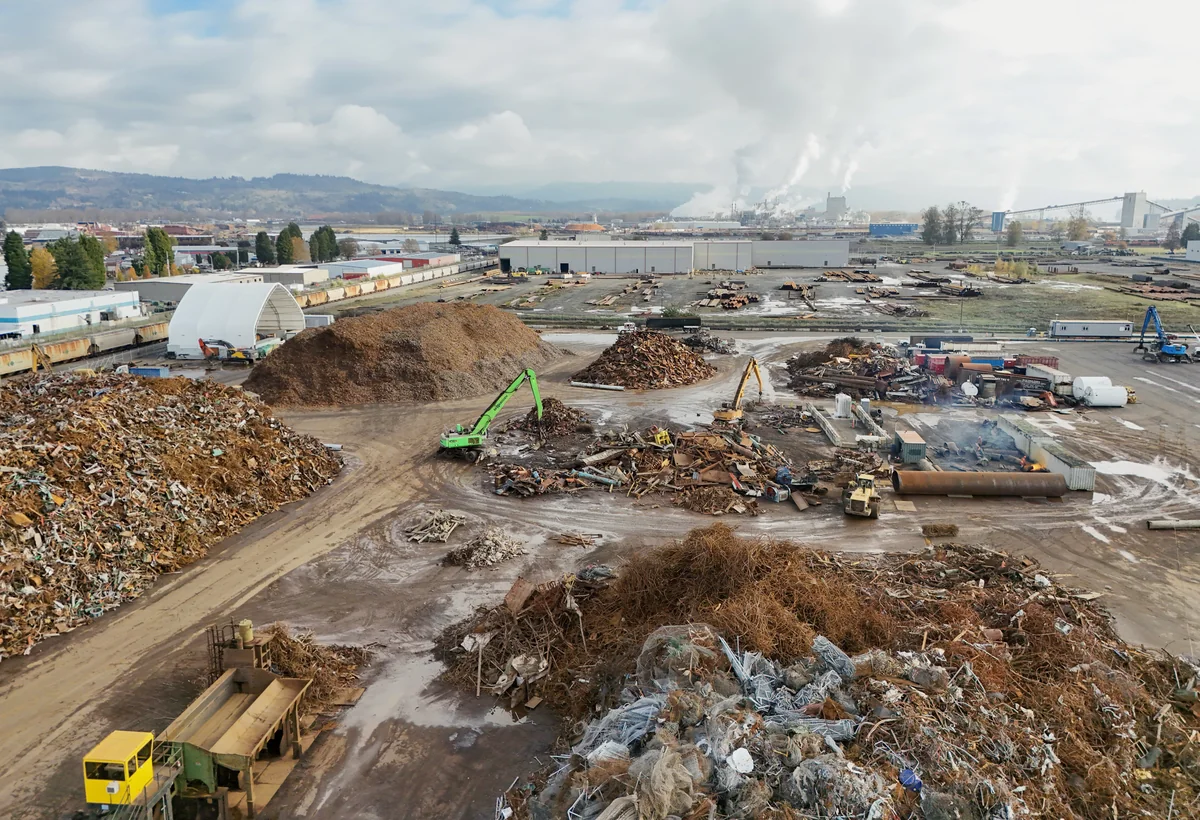
Photo by Quintin Soloviev · Source: source page · Licence: Creative Commons Attribution 4.0 International (CC BY 4.0) · Resized proportionally and converted to WebP; original content retained. Displayed in a landscape frame.
A Circular Economy Assessment helps a Malaysian manufacturer understand where virgin materials, water, energy, products, packaging and industrial by-products enter, move through and leave a defined operation. We review evidence against an agreed boundary, identify opportunities such as reuse, repair, redesign, secondary material use or better segregation, and rank them by evidence and feasibility. Client owners and qualified advisers review assumptions; the assessment is not certification, assurance, legal advice or a guaranteed saving.
01 / SEE THE REVIEW OUTPUT
Illustrative Circularity Evidence Review
FICTIONAL SAMPLE / four workstreams in a preliminary assessment. This screen is a static illustration for discussion, not a connected customer system.
PROPOSED DASHBOARD CONCEPT
FICTIONAL SAMPLE / four workstreams in a preliminary assessmentIllustrative Circularity Evidence Review
Fictional source records by workstream
Fictional sample values · Bars compare the fictional source-record counts; they are not environmental performance results or savings.
Unit: records
| Workstream | Source records (count) | Evidence complete (count) | Priority actions (count) |
|---|---|---|---|
| Material inputs | 18 | 12 | 3 |
| Process, water and energy | 14 | 10 | 2 |
| Product design and packaging | 11 | 7 | 3 |
| Outputs and by-products | 9 | 6 | 2 |
AI-assisted draft / requires verification
The fictional rows suggest that material-input records are the largest review group and that 17 records need follow-up. This draft does not infer causes, circularity performance or a final priority; accountable reviewers must validate the evidence.
02 / FIVE REVIEW STAGES
Five steps, with an accountable owner.
Evidence, assumptions and open questions move through a human review route. No certification or automatic conclusion is implied.
- 01↓
Scope and boundaries
Agree site, product and periodDefine the facility, product line, lifecycle stages, material flows and decision questions included in the review.
OWNER / CONTROLClient sponsor / consultant - 02✓
Evidence structure
Organise comparable source recordsCreate a proposed register for material, water, energy, product, packaging and by-product evidence with units, period and owner.
OWNER / CONTROLData owners / consultant - 03≡
Flow and opportunity analysis
Trace value and loss pointsMap inputs, process losses, outputs and value-retention options such as reduce, reuse, repair, remanufacture or recycle.
OWNER / CONTROLConsultant / operations and engineering - 04◎
Qualified review
Challenge assumptions and feasibilityTest evidence quality, operational constraints, supplier or customer dependencies and any applicable method or disclosure need.
OWNER / CONTROLClient approver / qualified adviser - 05↗
Roadmap and handover
Leave usable next-step decisionsDeliver a prioritised opportunity register, evidence-gap log, measurement plan and review-ready management summary.
OWNER / CONTROLConsultant / client sponsor
If a check fails: Hold the record for its owner, correct the source and preserve the approved manual fallback.
03 / RESPONSIBILITIES
Organise the work. Keep conclusions with people.
The proposed support can structure records and questions; responsible owners still assess evidence, applicability and decisions.
| Review point | Common starting position | Proposed consultancy support | Responsible reviewer |
|---|---|---|---|
| Trace material inputs and by-products | Teams reconcile spreadsheets, weighbridge notes and purchase records by hand. | Proposed digital assistance can structure records and flag missing fields for review. | Operations and EHS owners confirm quantities, destinations and boundary decisions. |
| Review product or packaging circularity | Engineering, procurement and sales collect specifications and supplier evidence separately. | A scoped register can compare agreed criteria such as recycled content, repairability or return pathway. | Engineering and commercial owners approve interpretation and feasibility. |
| Rank circular opportunities | Workshop notes are consolidated into a qualitative priority list. | A proposed matrix can sort evidence, value-retention route, dependency and effort fields. | Management chooses priorities; no tool decides investment or operating changes. |
| Prepare an evidence-ready summary | Staff assemble figures, caveats and open questions for internal reporting. | A draft summary can link each statement to the reviewed record and mark unresolved gaps. | An authorised reviewer signs off facts and any external disclosure. |
See the flow before acting
Map agreed input, process and output records so teams can distinguish evidence from assumption.
Create a common evidence base
Propose consistent fields for quantities, units, source documents, period, owner and review status.
Focus the opportunity list
Compare value-retention options against feasibility, dependencies and evidence maturity without promising outcomes.
Make next reviews accountable
Assign each gap and candidate action to a client role with a verification question and proposed measure.
04 / HONEST HYPOTHETICAL FIGURES
Show the working behind a planning example.
These figures are modest arithmetic for discussion, not customer evidence, forecasts, emissions claims, payroll promises or guaranteed outcomes.
HYPOTHETICAL WORKED EXAMPLE / NOT CUSTOMER RESULTS
75 → 45 combined labour minutes for the same task.
16 one monthly circularity evidence pack covering a defined workstream units per month × 30 minutes less per unit.
8 → 3 per 100 checked error-affected administrative evidence entries, not environmental incidents, compliance findings or product outcomes (5.0 percentage points).
See assumptions and calculations
| Measure | Illustrative calculation | Meaning and limit |
|---|---|---|
| Labour effort | (75 − 45) ÷ 75 × 100 = 40.0% | Same workload and expected review quality; includes ongoing exception checks as scoped. |
| Time capacity | (75 − 45) × 16 ÷ 60 = 8.0 hours | Released time is not payroll savings or guaranteed job reduction. |
| Admin checks | (8 − 3) ÷ 100 = 5.0 percentage points; 62.5% relative | Separate hypothetical like-for-like administrative check using the same defined fields and reviewer effort; results must be measured from approved records, not assumed in advance. |
FICTIONAL same-workload scenario: before, a client coordinator spends 75 minutes gathering and reconciling one evidence pack, including consultant/client review and exception follow-up; after, a structured template and scoped review take 45 minutes. It does not represent headcount reduction, payroll saving, environmental improvement or a benchmark.
Scenario figures are illustrative arithmetic, not benchmarks, forecasts, actual customer results or guarantees. Measure a like-for-like pilot with the same definitions before making a claim.
05 / PROPOSED DELIVERY
Agree the evidence and review route before work starts.
Confirm scope
Hold a discovery session to agree site, products, lifecycle boundary, period, material categories and decision owners.
What you receiveSigned scope note and boundary assumptions registerBuild evidence register
Collect approved source records and organise them by input, process, product, packaging, output and destination.
What you receiveTraceable evidence register and gap logAssess opportunities
Facilitate flow mapping and assess circular options using evidence quality, feasibility, dependencies and proposed measures.
What you receiveOpportunity matrix with assumptions and review questionsHandover roadmap
Present findings for client challenge and agree ownership, next measurements and any specialist or external verification needs.
What you receivePrioritised roadmap and management-ready summary06 / BEFORE YOU INVEST
Inputs, boundaries and ownership should be clear.
These lists are a starting point. Final scope, access, professional responsibility and outputs require written agreement.
What to prepare
- Approved material, water and energy purchasing or consumption records, with units, periods and source owners
- Production volumes, bills of materials, process-loss or yield records and relevant product or packaging specifications
- By-product and waste descriptions, quantities, segregation records, transfer notes and destination evidence
- Supplier, customer, repair, return, reuse, recycled-content or secondary-material evidence where available
- Site procedures, existing environmental or resource objectives, stakeholder contacts and authorised reviewer comments
What to agree in writing
- The assessment covers only the agreed site, product, lifecycle stages, categories and reporting period; expanding scope requires written agreement.
- AIGreen Plus organises and analyses client-approved evidence but does not certify, assure, legally classify waste, determine tax treatment or replace specialist advice.
- Illustrative dashboard and scenario figures are fictional; no carbon, energy, water, waste, cost, headcount or productivity outcome is promised.
- Access is least-necessary and role-based in the agreed working arrangement; clients should anonymise confidential supplier, commercial and personal information before sharing.
- Client owners retain control of operational changes, supplier claims, external disclosures and investment decisions; ongoing support, integrations and recurring work require written scope and pricing.
Confidence comes from traceable evidence.
Set definitions, boundaries, source ownership and review responsibility before interpreting a result. A qualified responsible person decides whether a finding is applicable.
07 / CLEAR ANSWERS
10 questions. Practical answers.
Clear answers
Frequently asked questions.
Ten practical answers about scope, sources, review and responsible use.
What does a Circular Economy Assessment cover?
It covers an agreed manufacturing boundary and period, then reviews material inputs, process losses, water and energy context, product or packaging choices, and by-product pathways. The output is a traceable evidence register, gap log, opportunity matrix and roadmap—not a certification or assurance opinion.
What data should a Malaysian manufacturer prepare first?
Start with production volumes, bills of materials, purchasing or consumption records, process-loss information, product and packaging specifications, and by-product or waste transfer evidence. Include quantities, selectable units, reporting period, source document, owner and reviewer so records can be compared without guessing.
Which method or standard will you use?
The scope can be aligned to the client’s agreed circularity indicators, customer questionnaire or reporting framework. We use Malaysia’s MITI manufacturing policy framework for context and may reference recognised methods where suitable, but we do not claim conformance to a standard without a separate, qualified review.
Who must approve the findings?
Operations, engineering, procurement, EHS and commercial owners should verify the records relevant to them. A named client sponsor approves the boundary and priorities. Where environmental classification, accounting, legal or export questions arise, the organisation should obtain advice from its qualified Malaysian adviser.
Is this readiness work or certification and assurance?
It is consultancy readiness and decision support. We can identify evidence gaps and prepare a review-ready pack, but AIGreen Plus does not provide accredited certification or independent assurance through this service. Any external verification remains a separate engagement with the appropriate body.
Are the dashboard figures actual savings or measured circularity?
No. Dashboard counts and the administrative-effort scenario are fictional examples showing how a review could be structured. They are not customer data, benchmarks, emission factors or environmental results. Any later measurement must use approved site data, an agreed boundary and a documented method.
How is confidential information handled?
Share only the minimum approved information, preferably aggregated or anonymised where practical. Access, retention, transfer and deletion arrangements are agreed in writing. Supplier prices, personal data and commercially sensitive formulas are not required unless specifically justified and authorised by the client.
Can this work with our existing ERP, EHS or waste records?
Yes, discovery can assess exports and existing spreadsheets or registers. This service does not assume a product integration or installed software. Any API, sensor, vehicle, map, data migration or recurring connector is an optional feasibility topic subject to permissions, provider constraints, testing and written scope.
How long will the assessment take?
Timing depends on boundary complexity, site access, evidence quality, number of product lines, stakeholder availability and review cycles. We will propose milestones after discovery rather than inventing a duration. Delayed or incomplete source records can move the review and reduce the confidence of an opportunity ranking.
What affects the quotation and ongoing support?
The quote depends on sites, product or process scope, data preparation, workshops, specialist review, travel, language, deliverables and any requested follow-up. Recurring monitoring, system integration, training or external assurance is not included automatically; responsibilities, access, support hours and fees require a written agreement.
START WITH ONE CLEAR QUESTION
Discuss this outline ↗Discuss Circular Economy Assessment
Share a high-level question and the type of evidence involved—not confidential records. We can discuss discovery, scope and a written way to review the work.
08 / SOURCE NOTES
Check the current public material.
These references support an initial discussion only. They do not make AIGreen Plus an accredited or certified verifier.
Public official material — not accreditation.
- Malaysia Circular Economy Policy Framework for the Manufacturing Sector
Malaysia’s manufacturing-focused circular economy scope, including heat, water and material inputs, design/manufacturing/distribution stages, industrial waste, and the themes of circular input, efficient process and sustainable output.
- European Commission Circular Economy overview
Bounded definition that products and materials should remain in circulation as long as possible while waste and resource use are minimised, plus the importance of monitoring indicators.
- UNEP Circularity
Circularity levers used to frame opportunity discussions: design for circularity, value-chain collaboration, value-retention routes and financing/metrics; it does not establish a site result for a client.
These official sources support the service’s bounded circularity definition, Malaysian manufacturing context and assessment themes only. Applicability of any customer, product, export, waste or disclosure requirement must be confirmed for the organisation and reporting period with qualified advisers; this marketing page is not legal, tax, certification or assurance advice.
Dashboards and numerical scenarios are fictional planning examples. The services are proposed consultancy scopes, not certification, accreditation, assurance, legal advice, regulatory approval or a promise of emissions, cost, staffing, safety, quality or market outcomes.
