


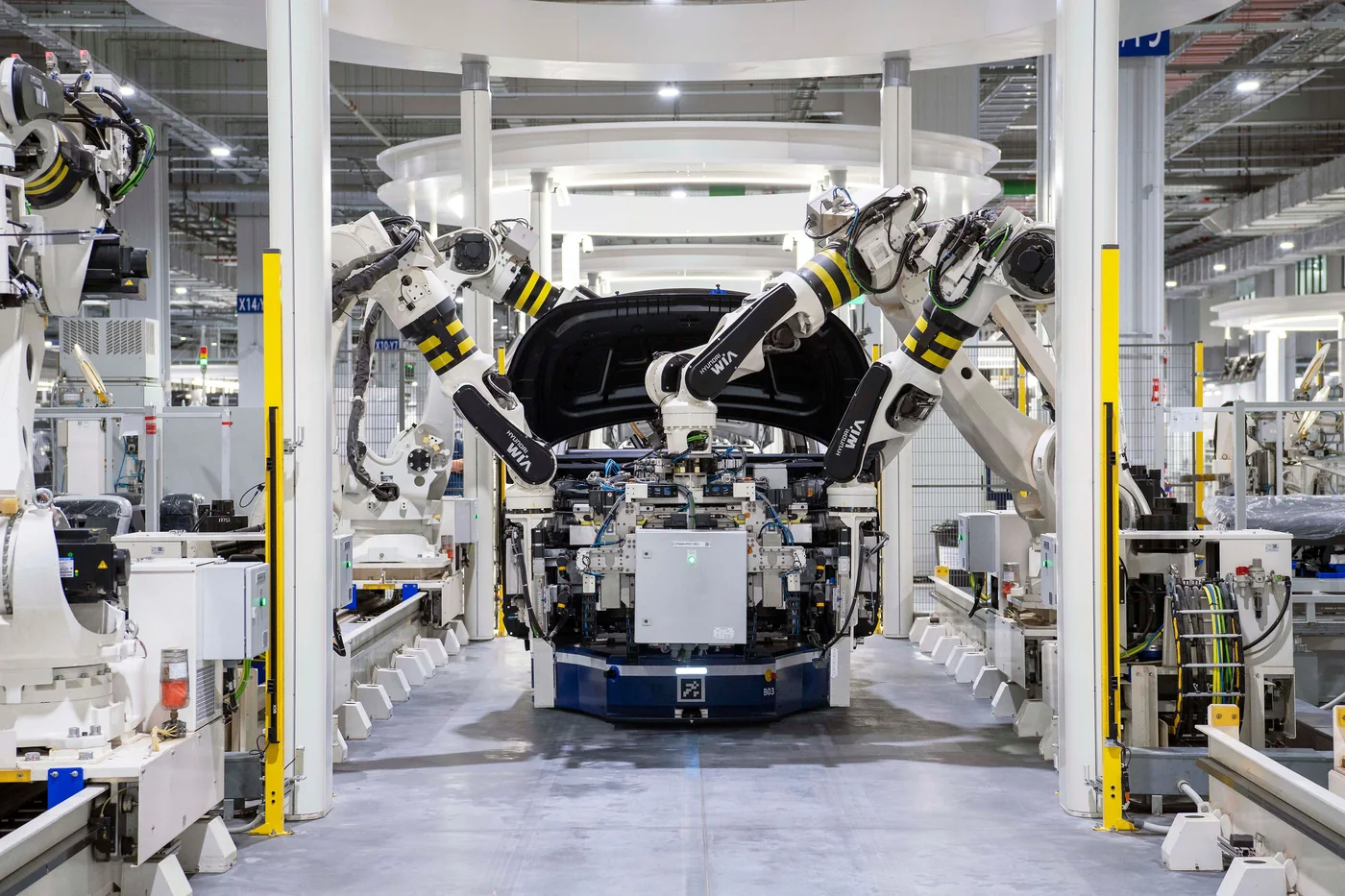
Find repetitive information work that may be improved, then design checks before an automation touches production decisions.
Automate a well-understood workflow
Automation can make a clear process easier to repeat; it cannot repair unclear ownership, inconsistent source data or an undefined approval path by itself. Start by documenting triggers, inputs, outputs, exceptions and the person who owns each step.
A possible discovery example is collecting non-sensitive maintenance notes, classifying them into a draft summary and routing the draft to an authorised reviewer. This is an illustration, not a claim that AIGreen Plus has deployed this system for a client.
Examples worth exploring
Every automation should have an owner, a way to handle exceptions and a clear stop or rollback path. Quality, safety and stock-control decisions should not be silently automated.
- Turn recurring operational notes into a reviewable structured draft.
- Prepare an initial summary from approved, non-sensitive documents.
- Route a request to the right team for human review.
- Create a controlled first draft of a routine response or report.
Pilot with controls and a baseline
Agree which data may be used, where it may be processed, how long it is retained and who signs off outputs. Define what the team wants to learn, compare with the existing process and review failures—not just speed—before expanding.
Discuss your use case with an AI manufacturing consultant in Malaysia or prepare your people through AI training for manufacturing.
How should a factory scope workflow automation?
- Map process triggers, handoffs, exceptions and accountable owners.
- Confirm source-of-truth records, data permissions and system interfaces.
- Choose an information task with a bounded output and human reviewer.
- Define exception handling, baseline measures and a stop or rollback path.
- Review accuracy and failures before approving a live integration or expansion.
