


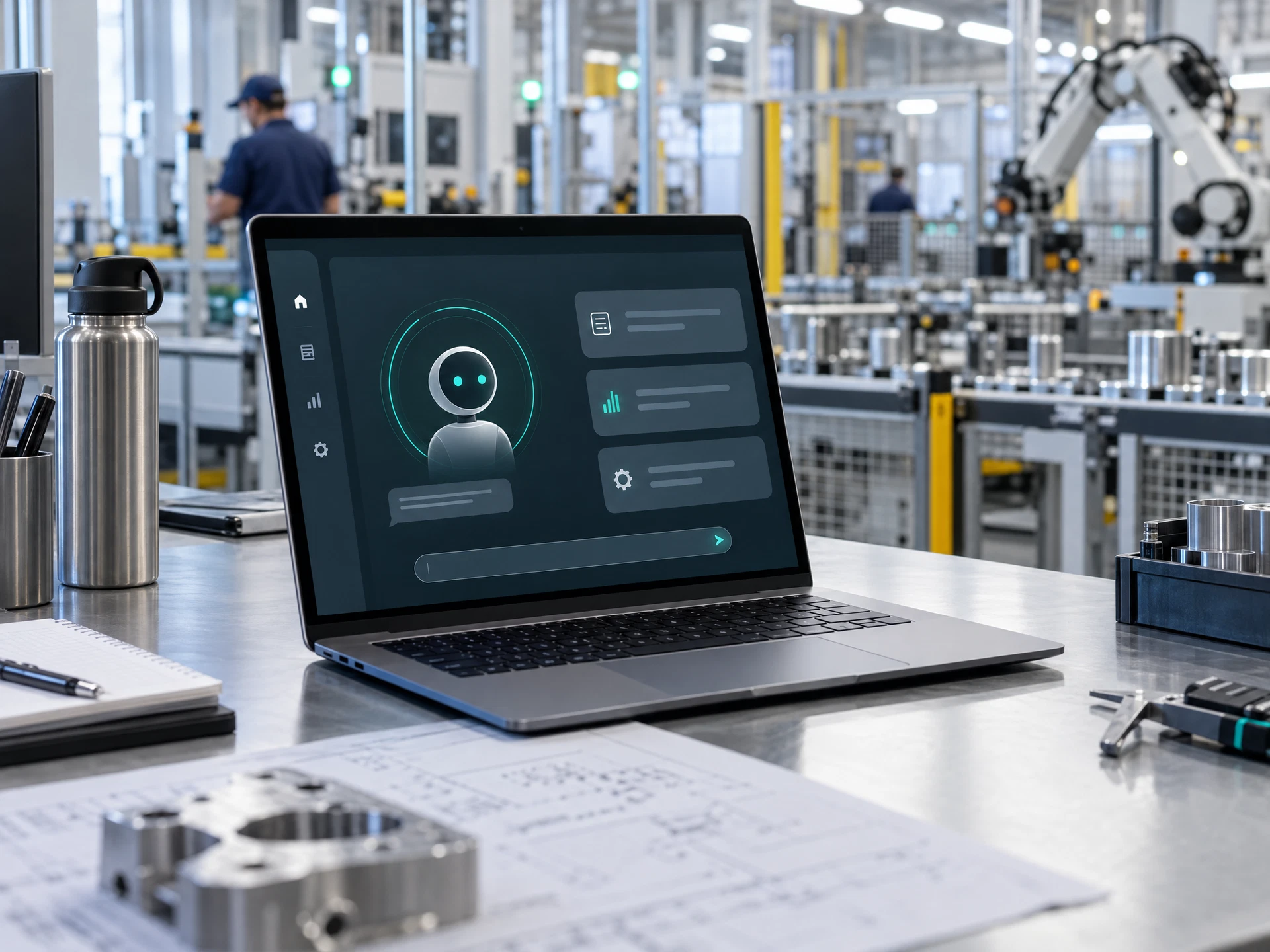
Help your people understand where AI fits, how to check its output, and how to practise on tasks relevant to their roles.
Start with the work, then introduce the tool
Manufacturing teams do not need a technology tour detached from production. A useful AI training program starts by identifying repeatable tasks, the information staff already use, and the decisions that still require qualified human judgement.
Examples can include drafting standard work instructions, summarising shift notes, organising maintenance observations, preparing non-sensitive training material, or structuring routine reports. Any use involving product quality, safety or compliance needs appropriate review and controls.
Training designed for different factory roles
AIGreen Plus can tailor the examples for operations, QA/QC and warehouse participants, then align the practice exercises to a manufacturer's approved tools and policies.
- Operations: production handovers, work instructions, planning notes and structured problem-solving.
- QA/QC: inspection documentation, defect descriptions, trend summaries and traceability-supporting drafts.
- Warehouse: stock documentation, picking guidance, replenishment notes and routine communications.
From awareness to supervised practice
A sensible learning path moves from AI basics to prompt practice, output checking, privacy awareness and a small workplace application. Teams agree what information must not be entered into a tool and who approves work before it is used.
For manufacturers seeking closer support, explore AI on-the-job training for manufacturing or AI workflow automation in Malaysia.
How does practical AI training for manufacturing work?
- Choose a task and identify the roles that do it.
- Agree which tools and information are approved for the exercise.
- Practise with role-relevant, fictional or authorised examples.
- Compare every AI draft with its source and correct errors.
- Review what the team learned before considering another use case.
