


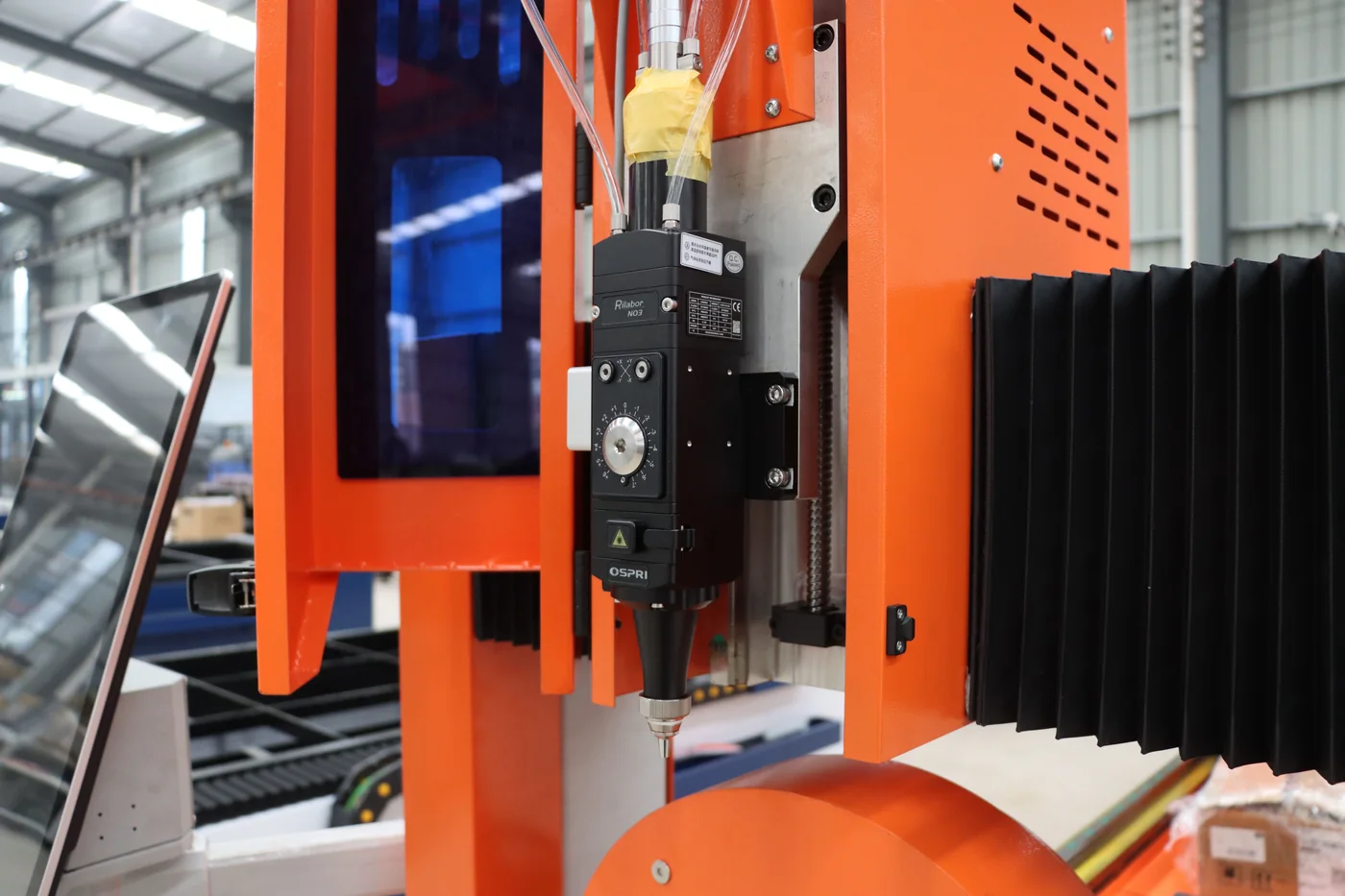
Assess the workflow around existing machinery before deciding whether to integrate, upgrade or replace equipment.
Can AI workflow automation replace existing machinery?
Not simply by installing an AI tool. AI may improve an information task or support an explicitly approved integration, while a machine still performs the physical process. Replacing a machine is a separate engineering and business decision.
AIGreen Plus's discovery scope can help a manufacturer clarify the workflow question, existing systems, information gaps and assessment needs. Equipment design, control changes and machinery replacement must be explicitly scoped with qualified engineering support; they are not blanket promises on this page.
Where should a factory start?
- Map the current process, equipment function and people responsible for decisions.
- Identify accessible data, interfaces, system permissions and operational constraints.
- Compare workflow improvement, integration, upgrade and replacement options.
- Define a bounded pilot, human checks, exceptions and rollback criteria.
- Review evidence with the process and engineering owners before an operational change.
Which information workflows are worth exploring?
A first discovery exercise can focus on a repeatable information handoff without writing to machine controls. The aim is to learn whether the process is suitable, not to claim a guaranteed saving.
- Organise approved maintenance observations into a reviewable draft.
- Summarise non-sensitive downtime notes without inventing causes.
- Prepare a work-request draft for authorised review.
- Route approved information between teams while preserving ownership and exceptions.
How are upgrade and replacement options compared?
Compare what the existing machine does, the required throughput and product quality, the available interfaces and the consequences of failure. Include integration effort, training, downtime, maintainability and a way to verify results.
Start with AI workflow automation in Malaysia or speak with an AI manufacturing consultant. Direct equipment control requires a separate technical and safety assessment.
