


Select a suitable first task
Distinguish drafting and information-organisation tasks from decisions that require qualified or authorised judgement.
Explore how generative AI may assist with everyday business communication and knowledge work in a manufacturing company. The proposed course moves from safe task selection to prompt practice, draft checking and human review.
Proposed course outline; tools, dates, format, duration and fees must be confirmed with AIGreen Plus.

Generative AI for Business is a proposed course for Malaysian manufacturing and business teams who want to understand where generative AI can assist with drafting, summarising and organising information. Participants practise with fictional or sanitised examples and keep decisions with authorised people.
This is a proposed training outline, not a confirmed schedule or a promise of commercial results. Use fictional or approved examples and keep decisions with the responsible people.
Learning objectives describe practice, not guaranteed business results.
Distinguish drafting and information-organisation tasks from decisions that require qualified or authorised judgement.
Describe context, audience, source limits and desired output so a generative AI tool can produce a reviewable draft.
Separate source facts from assumptions, ask follow-up questions and correct unsupported statements before sharing.
Identify approval, privacy and escalation steps that should be agreed before a team adopts an AI-assisted workflow.
Prompt → Check → Revise → Review
Use AI to support suitable tasks. Manufacturing, quality, safety and business decisions remain with the people responsible.
Course visuals are AI-created fictional scenes; people and facilities do not depict actual AIGreen Plus staff, learners or client events.
A team practises organising fictional meeting notes into decisions, actions and unresolved questions. The note owner verifies each item and approves any version shared with colleagues.
Using a mock enquiry, a participant requests a neutral response outline, checks every promise against an approved source and asks the responsible colleague to approve the final message.
Learners practise summarising a sanitised procedure excerpt, then compare the result with the source and flag omitted conditions or unsupported interpretations.
Examples are fictional or sanitised proposals, not AIGreen Plus client case studies or verified results.
This table describes AIGreen Plus's stated manufacturing focus and this proposed course, not an independent comparison of every provider. Confirm the syllabus, tools and support scope before enrolment.
| Potential point of difference | AIGreen Plus's approach | Why it may matter to a factory |
|---|---|---|
| Manufacturing-first context | The proposed examples centre on business communication and knowledge tasks within manufacturing teams. | Participants can relate practice to familiar roles while keeping live factory and customer data out of unapproved tools. |
| Practice before adoption | AIGreen Plus lists AI training and on-the-job AI training; this course uses guided, fictional exercises and review steps. | A team can discuss a possible task fit before deciding whether any workplace trial is appropriate. |
| Human accountability | AI output is treated as a working draft; people check source facts, permissions and final wording. | Business commitments and operational decisions remain with authorised staff. |
| Connected service portfolio | AIGreen Plus's listed services also include workflow automation, ESG training and ESG consultancy. | Manufacturers can discuss adjacent learning or advisory needs with the same provider, subject to confirmed fit and scope. |
On small screens, scroll horizontally inside the table to compare all three columns.
Eight proposed modules are shown in a structured table for easy review. Confirm the final syllabus, depth, tools, duration and delivery format with AIGreen Plus.
On small screens, scroll horizontally inside the course outline table to see every column.
| Module | Focus | Key points | Practice exercise |
|---|---|---|---|
| 01Generative AI at work | Introduce text-generating AI, common strengths and limitations, and the difference between a plausible response and a verified fact. Discuss approved tools, access, data handling and human responsibility. |
| Review a fictional internal update and label which facts are supplied, which details are missing and which questions need a manager before any AI prompt is written. |
| 02Business prompts and source context | Build prompts that define a task, intended reader, source material, constraints and review format. Compare a broad request with a structured one without assuming one model response is authoritative. |
| Use a sanitised sample supplier note to request a short draft, a list of open questions and a separate set of claims requiring source verification. |
| 03Drafting and summarising workflows | Explore possible assistance for meeting-note organisation, internal communication, first-draft FAQs and summaries of approved documents. Consider where confidentiality and version control affect the task. |
| Turn fictional meeting notes into a draft action register, then verify each owner, date and action against the mock source before marking uncertain entries. |
| 04Review, governance and a small pilot | Create a human-review checklist, define tasks that should remain out of scope and consider how a manager could evaluate a proposed pilot without assuming savings or business results. |
| Prepare a one-page fictional pilot brief that names the task, approved inputs, reviewer, escalation trigger and a measure to discuss with management. |
| 05Map business processes to suitable AI tasks | Break a routine business process into inputs, transformations, decisions and handoffs, then identify where a generated draft may support work without taking ownership of a controlled decision. |
| Map a fictional procurement or production-update process and mark one possible AI-assisted preparation step, its source record, reviewer and stop condition. |
| 06Role-based manufacturing and office scenarios | Apply the core method to operations, planning, procurement, QA/QC, customer service and office coordination while respecting role permissions and approved information. |
| Choose a fictional warehouse discrepancy, supplier query or QA/QC observation and create two audience-specific draft outputs, then ask the responsible owner to verify each one. |
| 07Output quality, traceability and escalation | Use practical checks for completeness, accuracy, source coverage, assumptions and tone. Record unresolved issues and escalate content that cannot be verified or that may affect quality, safety, customers or commitments. |
| Audit a fictional AI-generated business brief against its source pack, classify each issue as correction, clarification or escalation, and prepare a reviewer checklist. |
| 08Team playbooks and adoption review | Turn a selected use case into a reviewable team playbook with permitted inputs, prompt guidance, approval steps, feedback handling and a decision about whether to continue, revise or stop. |
| Draft a fictional one-page team playbook for meeting-note summarisation, including data rules, prompt fields, quality checks, escalation route and a review date. |
It is a proposed course about using text-generating AI for suitable drafting, summarising and information-organisation tasks, with safe inputs and human review. Confirm the final syllabus with AIGreen Plus.
Teams may explore routine communication, meeting notes, approved document summaries and first drafts. Each use must fit company procedures and be checked by the responsible person.
The proposed outline starts with basic concepts and guided practice. AIGreen Plus should confirm prerequisites after learning about participants and the tools available.
No specific provider or software subscription is promised by this draft. Confirm tool access, current features, account terms and any administrator requirements with AIGreen Plus and your organisation.
Not unless the organisation has approved the specific tool, data and access. Use fictional or sanitised examples for practice and follow company policies.
Not necessarily. It can omit context or produce unsupported content. Learners should compare drafts with authorised source material and obtain human approval.
This is a proposed training course about generative AI use. Workflow automation assessment or implementation is a separate service with its own scope and approval.
Duration, delivery format and fees have not been confirmed in this draft. Ask AIGreen Plus to provide current details and a quotation.
No certificate arrangement or HRD Corp eligibility is confirmed here. Verify any current accreditation or claim requirements directly with AIGreen Plus before planning.
Use the WhatsApp enquiry link and share the course title, participant roles and the task you hope to explore. Do not include confidential company, employee, customer or production information.
How can a Malaysian manufacturing team pilot generative AI for a reviewable business draft without handing decisions to a tool?
Start with a low-risk drafting or organising task, such as fictional meeting-note actions or a sanitised procedure summary. Define approved inputs, source limits, access, reviewers and escalation rules; configure a structured prompt; test against the source; then measure quality and decide whether to continue, revise or stop.
A practical course proposal. Select approved tools and sample data under your organisation's policy; keep operational, safety, quality and other authorised decisions with the responsible people.

Choose routine drafting tasks while retaining human decisions.

Define input boundaries, excluding confidential and personal data.
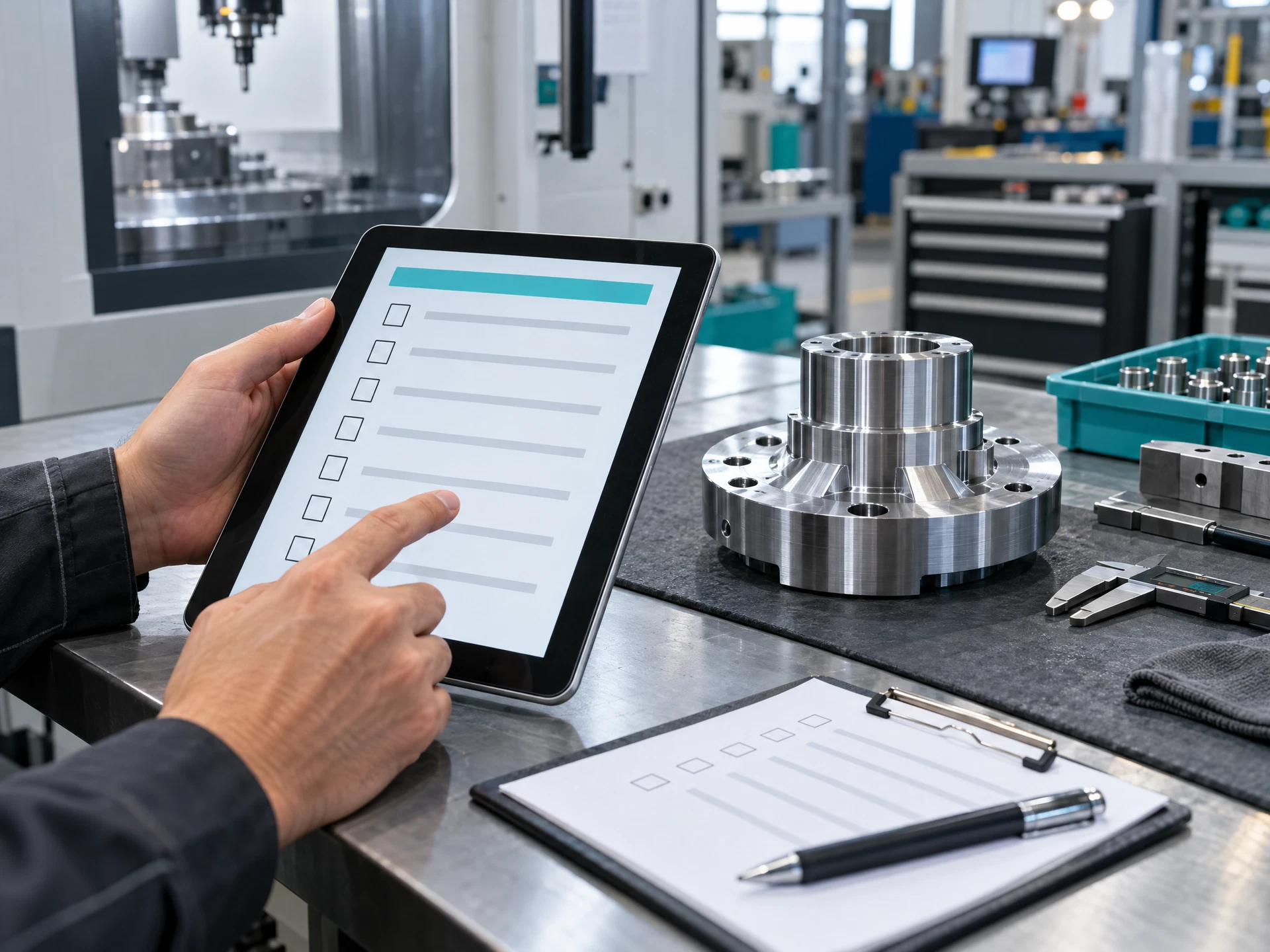
Structure prompts around context, audience, sources and review.
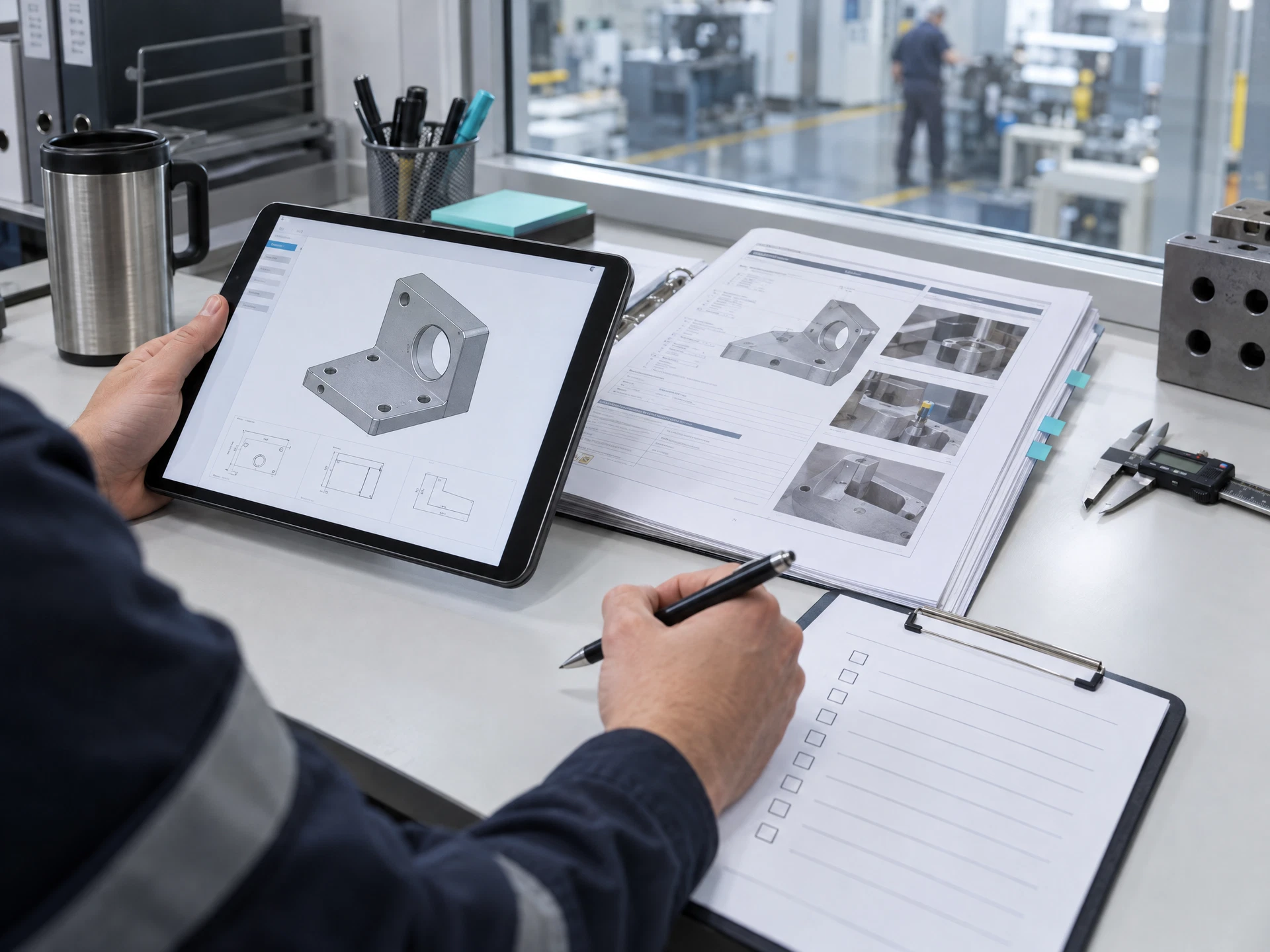
Test controlled examples and correct unsupported, misleading drafts.

Pilot sanitised inputs; measure quality, review time and traceability.
Use the materials with a competent workplace owner and the appropriate approvals.
The five-stage flow uses AI-created fictional scenes; the people, equipment, interfaces and facilities are not actual AIGreen Plus staff, learners, clients or factories. Course images are category-specific examples. Pending assets are labelled in progress; unavailable artwork is suppressed rather than replaced with unrelated imagery.
Share the course title, participant roles and learning priorities. AIGreen Plus will confirm syllabus, tools, availability, delivery language, format and quotation.
Do not send confidential production data, account details or personal information in an enquiry.
