


Scope the reporting exercise
Identify a reporting scope and material-matter shortlist by connecting factory impacts, stakeholder decisions, organisational context and the evidence needed to support each selection in a traceable working register.
Sustainability Reporting & Disclosure
A practical course for Malaysian manufacturing SMEs that explains how Bursa Malaysia sustainability reporting is structured, how to distinguish listed issuer obligations from SME learning needs, and how to organise material matters, evidence, metrics, targets and review notes into a responsible draft Sustainability Statement. Exercises use fictional factory records and avoid claims of compliance, assurance or submission.
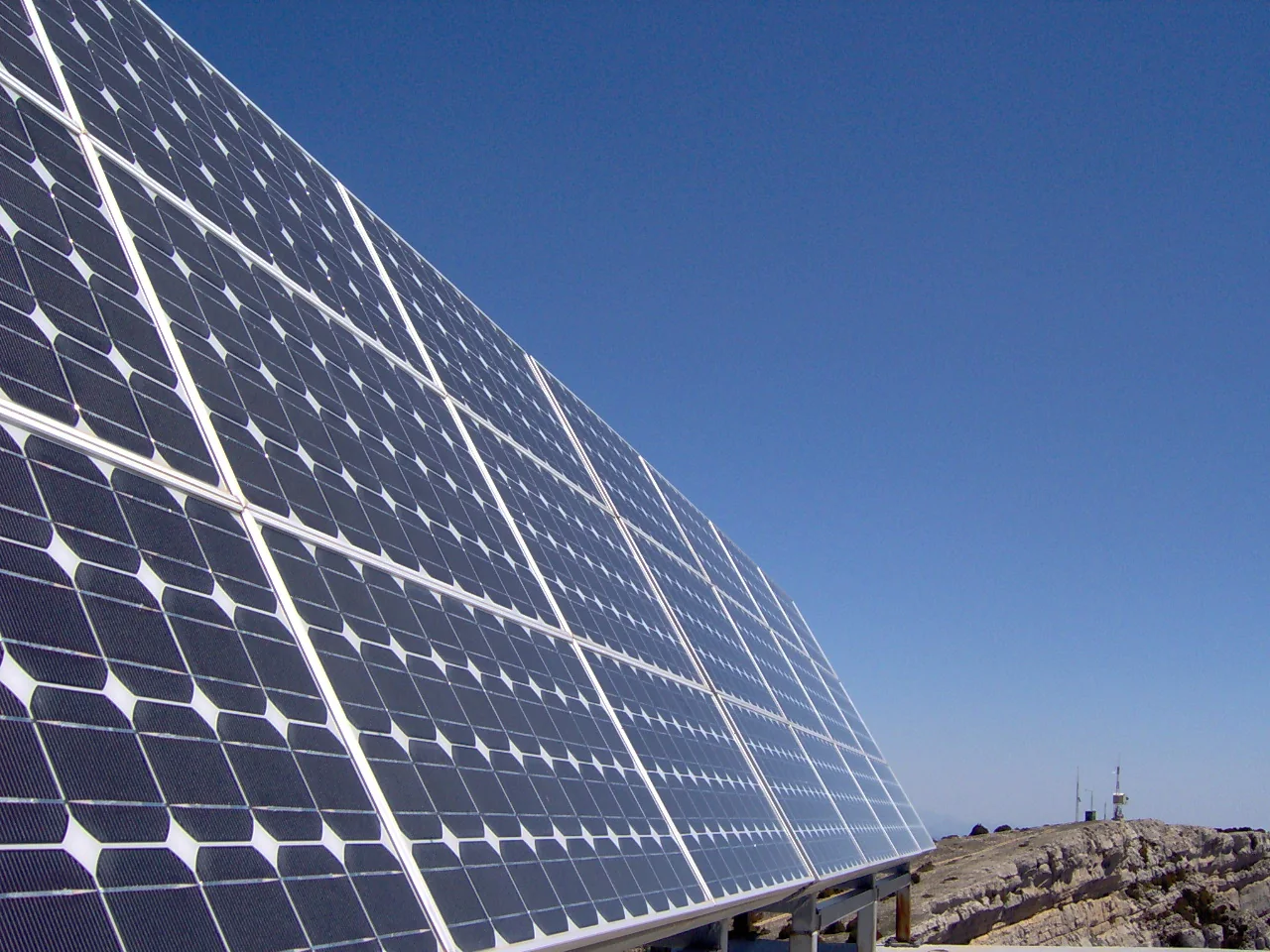
Category covers and course photos are illustrative licensed photographs, not AIGreen Plus staff, facilities or client results. Required creator and licence credits appear with each course photograph.
Use three linked lenses to move from a material matter to evidence and a responsible disclosure decision.
| Decision / evidence | Materiality lensWhat matters to impacts or stakeholder decisions | Evidence lensWhat records support the statement | Disclosure lensHow management explains action and progress |
|---|---|---|---|
| Topic selection | Link factory impacts and stakeholder decisions | Record scope, rationale and source owners | Explain why the matter is included or scoped |
| Management approach | Prioritise a material matter for response | Map policy, action, owner and review evidence | Describe how the matter is managed |
| Metrics and targets | Choose indicators relevant to the matter | Define period, unit, boundary and assumptions | Present performance context and any target |
| Assurance and review | Identify claims needing governance attention | Trace table entries to source records and approvals | State internal review or assurance status accurately |
Bursa requirements apply to listed issuers; this learning draft does not determine a factory's listing status, current applicability or assurance requirement. Course content is educational; verify current requirements against the linked official sources and the organisation's circumstances.
This course teaches Malaysian manufacturing teams how to read Bursa Malaysia sustainability reporting guidance, scope a reporting exercise, identify material matters, map governance and management responses, and build an evidence index for indicators and targets. Participants practise a draft Sustainability Statement using fictional factory data, with review prompts for traceability and claim boundaries. It serves listed-issuer reporting teams and SMEs building readiness, while current applicability, formal submission, assurance and professional advice remain outside the course.
Identify a reporting scope and material-matter shortlist by connecting factory impacts, stakeholder decisions, organisational context and the evidence needed to support each selection in a traceable working register.
Assemble an evidence index that records source, period, unit, boundary, owner, assumptions and review status for selected sustainability indicators and narrative statements before drafting disclosure text.
Draft a management approach that links governance, actions, metrics and targets to a material matter without overstating performance, compliance, assurance or future results or submission status.
Apply a review checklist to compare disclosure wording, performance tables and approvals, then log gaps and questions for current Bursa requirements and qualified review before external use.
A fictional Malaysian component plant maps electricity use, wastewater, worker safety and supplier screening. The team interviews operations, workers, customers and management, then records impact significance and stakeholder decision relevance. Each shortlisted matter receives an owner, evidence note and review date. The exercise produces a material matters register, not a determination of legal applicability or reporting compliance.
A fictional electronics assembler compiles policies, utility records, incident logs and training records for a draft Sustainability Statement exercise. Participants record source, period, unit, boundary, assumptions and approval status for each indicator. They reconcile one missing record and one inconsistent unit, then log follow-up actions. No figures are presented as audited or independently assured results.
A fictional packaging manufacturer drafts a management approach for waste and climate-related information. The group links oversight, controls, actions, metrics and targets, while separating general sustainability narrative from climate-focused disclosure questions. A reviewer challenges an unsupported future claim and requests a source note. The output is a classroom disclosure pack, not a submission, assurance opinion or client result.
This is a fictional learning example, not client results.
Stated basis: 100 planned evidence items for four material matters · 72 ÷ 100 and 86 ÷ 100.
Absolute difference: 14 percentage points. This is a comparison of the stated exercise values, not proof of improvement.
The completeness view compares reviewed items in the first and second mock review; it illustrates evidence tracking only and does not represent Bursa compliance.
This exercise is not a determination of applicability, carbon reduction, cost saving, compliance, certification, assurance or financing eligibility.
Final depth, exercises and delivery details are confirmed with AIGreen Plus before delivery.
On a small screen, scroll horizontally inside the course-outline table.
| Module | Focus | Key points | Practice |
|---|---|---|---|
| 01Bursa Reporting Landscape | Orient learners to Bursa Malaysia's Sustainability Reporting Guide, Sustainability Statement concept and the distinction between listed-issuer requirements and SME readiness. |
| Classify fictional entities as listed issuer, supplier or unlisted SME, then write the reporting questions that need current Bursa confirmation. |
| 02Reporting Scope and Boundaries | Set entity, operational, value-chain and reporting-period boundaries before collecting evidence or drafting a Sustainability Statement narrative for a traceable exercise. |
| Use a fictional multi-site component maker to mark included operations, excluded activities, reporting period and evidence owners on a scope card. |
| 03Materiality and Stakeholders | Translate factory impacts and stakeholder decision needs into a documented, prioritised list of material sustainability matters with a review trail. |
| Score fictional energy, safety, waste and supplier topics against impact significance and stakeholder decision relevance, then retain the rationale for the shortlist. |
| 04Governance and Management Approach | Build a clear explanation of oversight, responsibilities, policies, actions and escalation routes for each selected material matter in the reporting draft. |
| Draft a fictional management-approach card for wastewater, showing owner, policy, control, action, escalation route and evidence record to support a draft disclosure. |
| 05Indicators, Targets and Tables | Select useful indicators and targets, then define periods, units, boundaries and context for a transparent performance data table in the learning exercise. |
| Complete a fictional three-period metric table for electricity intensity, marking units, boundary, missing data, assumptions and a proposed target rationale. |
| 06Evidence, Controls and Review | Create a traceable evidence trail that helps reviewers reconcile narrative, metrics, source records, approvals and stated limitations before publication decisions. |
| Reconcile fictional water records with a draft disclosure table, log one unit mismatch, one missing approval and one follow-up owner. |
| 07IFRS Context and Transition Questions | Introduce the high-level relationship between Bursa enhancements, IFRS S1 and S2, and the questions a company must confirm before relying on current requirements. |
| Compare a fictional factory's general sustainability topics with climate-related information, then list questions for management and current official source checking. |
| 08Drafting and Responsible Communication | Turn verified facts, management explanations and future plans into clear disclosure wording without implying unsupported assurance, compliance or measured results. |
| Rewrite a fictional absolute sustainability claim into a scoped statement with source, period, owner and a note that it is not independently assured. |
This proposed course uses reporting-specific evidence exercises and factory examples; it describes course design, not proven superiority, compliance advice or guaranteed outcomes.
| Focus | Proposed approach | Factory relevance |
|---|---|---|
| Materiality before drafting | Learners build a stakeholder and impact rationale before choosing disclosure topics. | Manufacturers can explain why a matter is included, prioritised or deferred. |
| Evidence-indexed narrative | Every practice statement links to a source, period, boundary, owner and review note. | Teams can spot missing records and avoid unsupported wording. |
| Factory-scale examples | Exercises use sanitised operations, utilities, workforce and supplier records rather than generic corporate cases. | Participants practise with evidence patterns common to smaller manufacturing settings. |
| Applicability guardrails | Sessions separate listed-issuer learning from unlisted SME readiness and route current requirements to official sources. | The draft avoids treating training work as filing, assurance or a legal applicability decision. |
It explains how to structure a Bursa Malaysia sustainability reporting exercise around scope, material matters, stakeholder input, governance, management approach, indicators, targets, evidence and review. Participants practise with fictional manufacturing records and draft disclosure components. It is educational course content, not a promise of compliance, submission readiness or assurance.
It is designed for Malaysian manufacturing SMEs and can support teams that work with listed-issuer customers or group reporting. Bursa Malaysia's Listing Requirements and guide are directed to listed issuers, so an unlisted SME should treat the course as readiness learning and confirm any applicable request or requirement with the relevant party.
Bursa Malaysia's Sustainability Reporting Guide explains that a Sustainability Statement is prepared in the annual report by listed issuers under the relevant Listing Requirements. The course uses that concept to teach scope, materiality, management approach and performance evidence, but it does not decide whether an organisation must prepare one or what its current filing must contain.
The exercises use Bursa's guide as an educational reference for identifying and prioritising matters through operating context, stakeholder engagement, impact significance and stakeholder decision relevance. Participants retain the rationale and evidence behind a shortlist. They do not receive a definitive materiality conclusion, legal interpretation or assurance view for a real company.
Bring only approved or anonymised examples such as policies, stakeholder notes, utility or production metrics, workforce records, targets, management minutes and review logs. Useful fields include source, period, unit, boundary, owner and assumptions. Fictional data is welcome; confidential personal, proprietary or commercially sensitive information should not be shared.
Participants choose indicators connected to a material matter and define the period, unit, boundary, method and evidence owner. They practise presenting actual data, estimates and targets separately, then record gaps and review questions. The exercise does not calculate guaranteed savings or establish a company's required metric set.
No. It develops a practice disclosure pack and review checklist. Training exercises are not a filing, regulatory submission, independent assurance engagement, certification, site audit or professional opinion. A company should use current official Bursa materials and appropriate qualified advisers when determining requirements, approvals, submission steps or assurance arrangements.
It introduces the high-level relationship described in Bursa Malaysia's public 2024 announcement: enhanced requirements use IFRS S1 and IFRS S2 as baseline standards, alongside metrics, targets and review or assurance information. The course does not state current transition timing or applicability; those details must be checked against official updates.
Only if the organisation approves it for the learning setting and participants remove or protect personal, confidential, proprietary and commercially sensitive details. Sanitised or fictional records are safer. The course does not request live submission data, and an exercise review should not be treated as verification of the underlying records.
Those arrangements are not fixed in this draft. Enquire with the exact course title, participant roles, reporting context and learning priorities. Ask for the current syllabus, delivery format, duration, materials, preparation needs and fees, and confirm any required professional or regulatory review separately.
Sustainability Reporting and Disclosure: Bursa Malaysia Requirements — proposed practice flow; people remain responsible for evidence, decisions and any operational change.
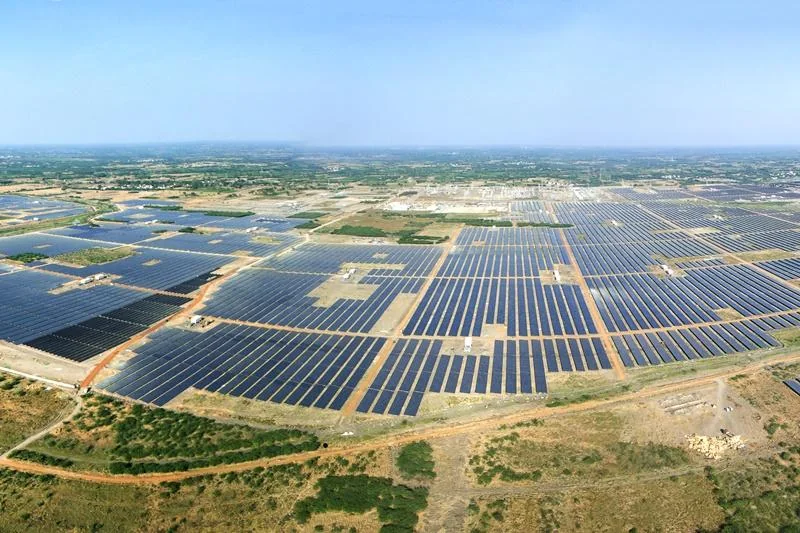 Photo: Financial Express (attributed on Wikimedia Commons) · Creative Commons Attribution-ShareAlike 4.0 International (CC BY-SA 4.0) · Image resized and converted to WebP; this adaptation is shared under CC BY-SA 4.0.
Clarify whether the exercise concerns a listed issuer, SME supplier or internal reporting need.
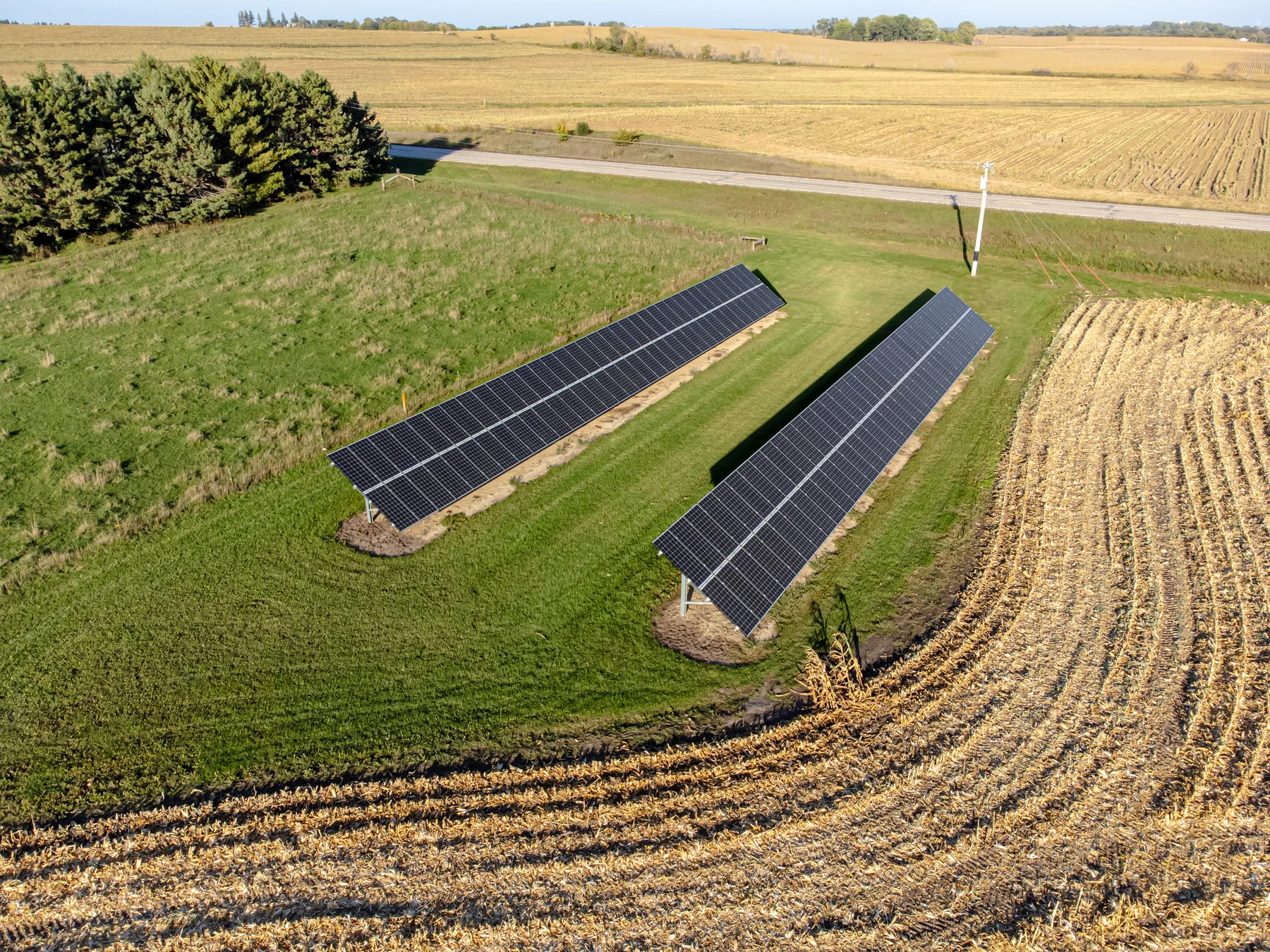 Photo: Wikideas1 · Creative Commons CC0 1.0 Universal Public Domain Dedication · Image resized and converted to WebP.
Connect factory impacts and stakeholder decisions to a prioritised reporting topic list.
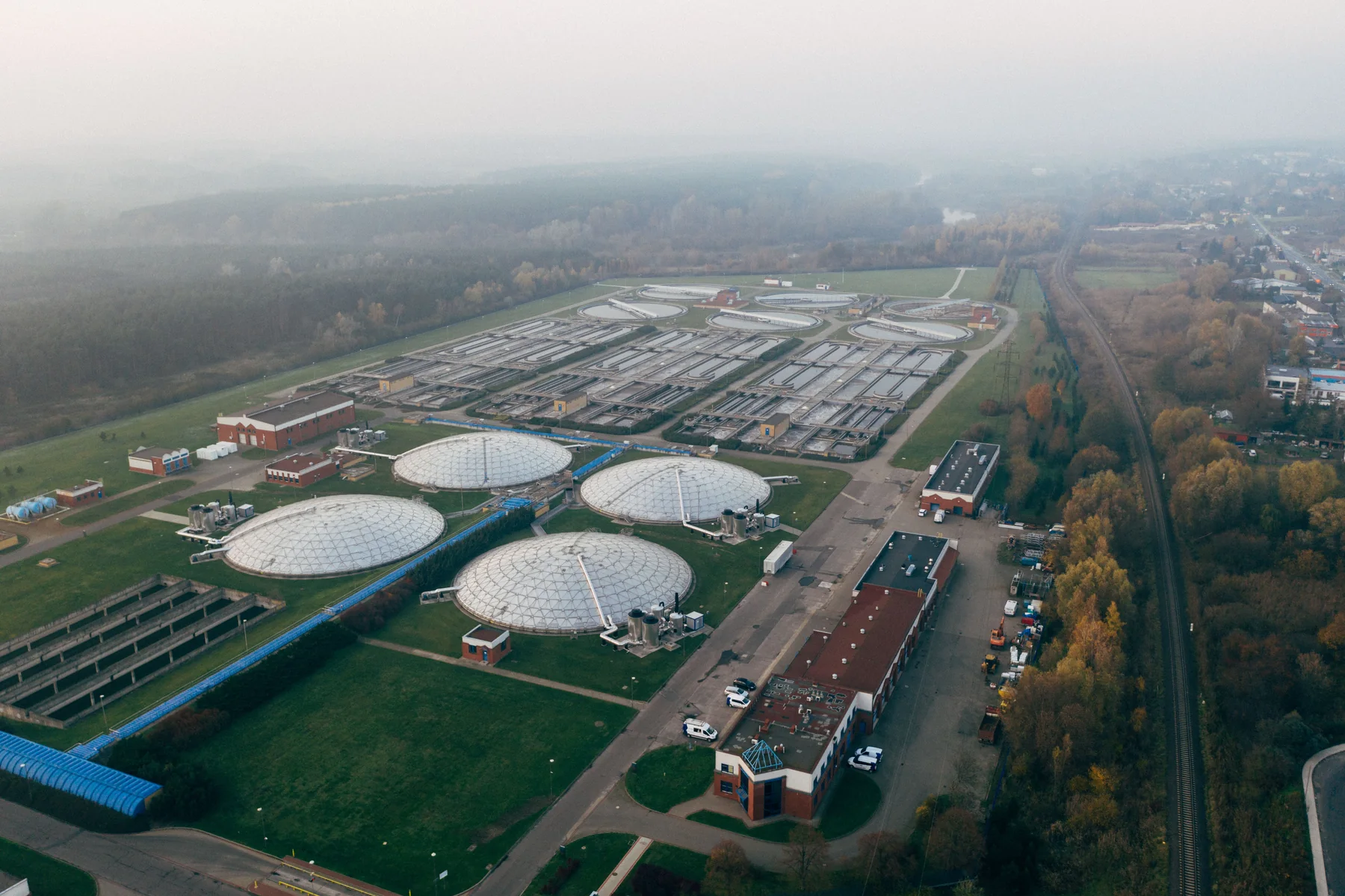 Photo: Marcin Jozwiak · Pexels License (free commercial use; attribution not required) · Image resized and converted to WebP.
Organise policies, records, indicators and assumptions so each draft statement can be traced.
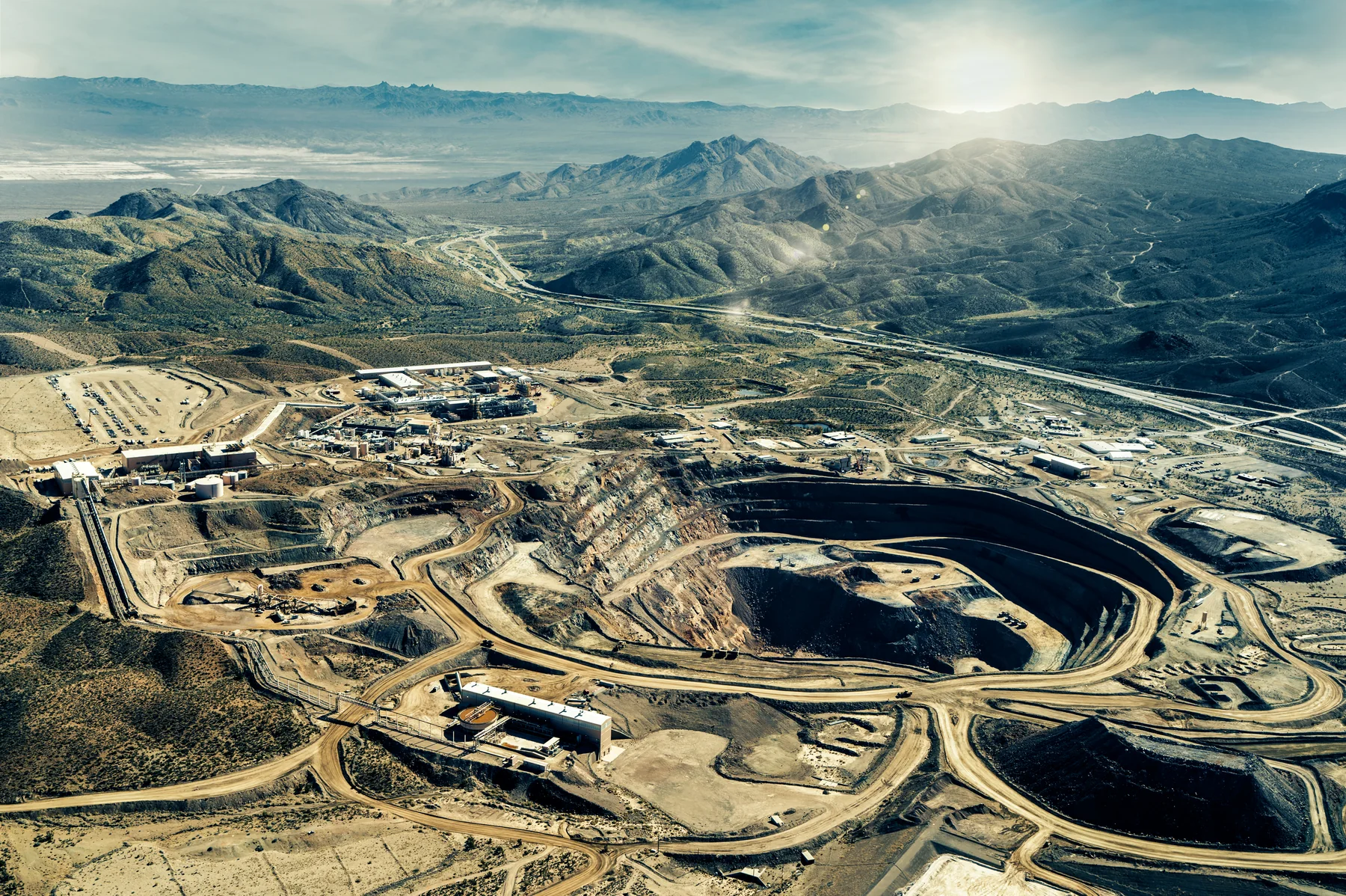 Photo: Tmy350 · Creative Commons Attribution-ShareAlike 4.0 International · Image resized and converted to WebP.
Describe governance, actions, metrics and targets without implying unmeasured performance.
 Photo: Mikhail Nilov · Pexels License · Image resized and converted to WebP.
Run a structured quality review and separate training work from formal assurance.
Human review: This exercise is not a determination of applicability, carbon reduction, cost saving, compliance, certification, assurance or financing eligibility.
Confirm the final syllabus, duration, dates, format and fees for your manufacturing team.
