


Define report scope
Set a practical reporting boundary, period, audience, and evidence owners for a manufacturing SME without presenting the exercise as a regulatory filing or assurance engagement.
Sustainability Reporting & Disclosure
A hands-on course for Malaysian manufacturing SMEs to plan, draft, and review a sustainability report. Participants map material topics, gather evidence, structure disclosures, write balanced narrative, and check consistency across environmental, social, and governance information. The workshop uses fictional factory data so learners practise report preparation without presenting assurance, certification, or compliance outcomes.
Category covers and course photos are illustrative licensed photographs, not AIGreen Plus staff, facilities or client results. Required creator and licence credits appear with each course photograph.
The matrix separates the evidence a team holds, the disclosure it may draft, and the review needed before sharing.
| Decision / evidence | Evidence baseSource records and definitions | Report disclosureReader-facing explanation | Review lensChecks before release |
|---|---|---|---|
| Source record | Invoice, log, register, or minutes | Name source and reporting period | Check owner, date, and retention |
| Definition | Unit, boundary, and denominator | Explain scope and calculation | Check consistent labels and formulas |
| Narrative | Context, action, result, and limitation | State facts, plans, and gaps | Check balance and unsupported claims |
| Open issue | Missing value or unresolved judgment | Mark limitation and next step | Assign reviewer and follow-up evidence |
This matrix helps prepare a draft learning pack; it does not determine current Malaysian legal applicability or provide assurance, certification, or filing approval. Course content is educational; verify current requirements against the linked official sources and the organisation's circumstances.
This course teaches Malaysian manufacturing SME teams how to turn selected sustainability information into a clear, evidence-linked report. Learners practise scoping the reporting boundary, prioritising material topics, mapping records to disclosures, drafting balanced explanations, and checking figures, definitions, and omissions. The workshop produces a fictional report outline, disclosure-to-evidence matrix, and review checklist that participants can adapt internally. It is designed for owners, operations, EHS, HR, finance, and quality staff, with regulatory applicability assessed separately.
Set a practical reporting boundary, period, audience, and evidence owners for a manufacturing SME without presenting the exercise as a regulatory filing or assurance engagement.
Use stakeholder input, impact evidence, and management context to rank report topics, record rationale, and flag unresolved judgments before drafting claims or metrics.
Link each planned disclosure to a named record, definition, owner, period, and review status, making gaps visible before narrative drafting begins for the workshop report pack.
Draft concise, balanced report sections that distinguish facts, estimates, targets, and limitations, then apply a consistency checklist across tables, narrative, and source notes.
An imagined Johor metal-parts SME prepares a draft report for two production sites. The team lists legal entities, a leased warehouse, and a dormant line, then records which locations are included and why. Participants convert the decision into a boundary note, an exclusions log, and a short reader-facing explanation without implying that the exercise establishes regulatory applicability.
An imagined food processor collects utility invoices, wastewater monitoring logs, injury registers, training records, and board minutes for one reporting period. Learners assign owners, define units, and mark one missing month as an estimate. They then build a disclosure-to-evidence matrix showing what is ready, what needs review, and what should be disclosed as a limitation.
An imagined appliance manufacturer has a draft sustainability report with an energy chart, worker narrative, waste table, and target statement. Teams reconcile the chart to source records, test boundary wording, and rewrite an overconfident sentence. The final exercise output is a reviewed excerpt with a query log, not an assurance opinion or a claim of improved performance.
This is a fictional learning example, not client results.
Stated basis: Ten planned evidence records for a draft report · 8 ÷ 10 and 6 ÷ 10.
Absolute difference: 20 percentage points. This is a comparison of the stated exercise values, not proof of improvement.
The simple completeness comparison shows how many planned records are mapped at each review point; it does not measure sustainability performance or prove report quality.
It is not a carbon reduction or cost-savings calculation, compliance or certification test, assurance conclusion, or financing-eligibility assessment.
Final depth, exercises and delivery details are confirmed with AIGreen Plus before delivery.
On a small screen, scroll horizontally inside the course-outline table.
| Module | Focus | Key points | Practice |
|---|---|---|---|
| 01Purpose, audience, and boundaries | Set the report purpose, intended readers, period, sites, and organisational boundary before selecting indicators or promising complete coverage of every relevant impact. |
| A fictional Penang metal-parts SME maps two factories, a contract warehouse, and a reporting year, then documents why one dormant site is excluded. |
| 02Material topics and stakeholder input | Translate stakeholder concerns and factory impacts into a prioritised topic list, keeping the rationale and unresolved judgments visible for later review. |
| A fictional electronics assembler compares worker interviews, customer questions, energy records, and spill logs to rank four report topics and explain one tie. |
| 03Evidence inventory and owners | Build an evidence inventory that names record owners, definitions, units, periods, and retention locations for every proposed disclosure in scope. |
| A fictional food processor inventories utility bills, wastewater logs, training registers, grievance records, and board minutes, then assigns owners and review dates. |
| 04Disclosure architecture and standards | Use a modular disclosure map to connect material topics, narrative sections, indicators, and references while distinguishing a voluntary framework from mandatory requirements. |
| A fictional precision-plastics SME maps waste, energy, worker safety, and ethics disclosures to draft sections, then flags items needing current local advice. |
| 05Data tables and calculations | Turn source records into traceable tables with units, denominators, comparative periods, estimation notes, and controlled rounding suitable for reader review. |
| A fictional rubber-products plant reconciles electricity intensity, training coverage, and waste totals across two periods, documenting units and one estimated month. |
| 06Narrative drafting and balance | Draft concise sections that explain context, management approach, progress, setbacks, targets, and limitations without turning incomplete evidence into positive performance claims or promises. |
| A fictional coating manufacturer rewrites a water narrative to show a verified trend, a delayed target, a corrective action, and an unresolved data limitation. |
| 07Internal review and sign-off | Apply a staged review that checks completeness, consistency, evidence traceability, sensitive information, and approval ownership before a report is released to readers. |
| A fictional appliance maker uses a review checklist to reconcile a chart, narrative, footnote, and evidence link before management approval. |
| 08Workshop assembly and handover | Assemble the report pack, evidence index, open-issues log, and next-cycle plan so a small team can continue controlled preparation after the workshop. |
| A fictional furniture exporter assembles a draft report pack, evidence index, unresolved-items log, and handover note for its next reporting cycle. |
A proposed course design focused on practical report assembly for Malaysian manufacturing SMEs, not a claim of superiority, assurance, certification, or guaranteed results.
| Focus | Proposed approach | Factory relevance |
|---|---|---|
| Factory evidence first | Start with sanitised utility, people, governance, and site records before drafting report prose. | Learners see how evidence quality shapes what a manufacturer can responsibly say. |
| Boundary decisions | Use a boundary worksheet to record entities, sites, period, exclusions, and rationale. | Clear scope prevents accidental mixing of facilities, periods, or unsupported comparisons. |
| Disclosure-to-evidence mapping | Build a matrix linking each planned statement to a source, owner, definition, and review status. | Small teams can identify missing records before a draft becomes difficult to correct. |
| Review as a workshop output | Finish with a completeness, consistency, and limitation checklist applied to a fictional report pack. | Participants practise controlled handover without presenting the exercise as assurance or filing. |
This is a proposed learning workshop. It teaches scoping, evidence mapping, drafting, and review through fictional or sanitised exercises. It does not provide independent assurance, certification, a site audit, filing approval, or a conclusion that a company's disclosures are complete or compliant.
GRI is used as an educational reference for modular sustainability reporting. The official GRI Standards describe Universal, Sector, and Topic Standards. Participants practise mapping topics and evidence; they must confirm the framework, version, and any other requirements appropriate to their organisation before publishing.
No. The workshop is designed for Malaysian manufacturing SMEs, whether or not they are listed. Bursa Malaysia's guide specifically supports listed issuers preparing a Sustainability Statement in the Annual Report, so an SME should assess whether that guidance applies and obtain current professional advice where necessary.
Bring a reporting-period list of sites and entities, material-topic notes, utility and waste records, people records, governance minutes, targets, and prior disclosures if available. Remove confidential personal or commercial details. The course uses records to practise evidence mapping, not to conduct a live audit.
Record the gap, definition, period, estimation method, owner, and next check. In the workshop, learners label estimates and limitations instead of presenting them as measured results. A qualified reviewer should decide how any published estimate is described under the chosen framework and applicable requirements.
It can use emissions records as a report example, but it does not calculate or assure a complete GHG inventory, product life-cycle assessment, or product carbon footprint. Those are distinct technical exercises with their own boundaries, methods, data quality checks, and review needs.
You will assemble a fictional or sanitised report outline, topic register, disclosure-to-evidence matrix, sample tables, narrative excerpt, open-issues log, and review checklist. These are participant work outputs for practice and internal adaptation, not promised improvements, published reports, or regulatory submissions.
Use owners who understand the source records, a reviewer who can challenge definitions and completeness, and management who approves scope and wording. For specialist, legal, regulatory, or assurance questions, obtain advice from an appropriately qualified person rather than treating workshop feedback as a formal conclusion.
Please enquire about the current delivery format, duration, pricing, and scope. These details are not fixed in this course content. Any engagement would still be training and evidence-led practice, not a promise of funding eligibility, certification, assurance, or a completed report.
Treat the draft as a controlled starting point: confirm the boundary, refresh the period, resolve evidence gaps, obtain internal approval, and check current official requirements. Do not publish workshop text unchanged or treat it as proof of compliance, assurance, performance improvement, or financing eligibility.
Sustainability Report Preparation and Practical Workshop — proposed practice flow; people remain responsible for evidence, decisions and any operational change.
 Photo: Fernando Tomás · Creative Commons Attribution 2.0 Generic (CC BY 2.0) · Image resized and converted to WebP.
Set the reporting period, sites, entities, intended readers, and exclusions for the fictional factory report.
 Photo: Financial Express (attributed on Wikimedia Commons) · Creative Commons Attribution-ShareAlike 4.0 International (CC BY-SA 4.0) · Image resized and converted to WebP; this adaptation is shared under CC BY-SA 4.0.
Rank material sustainability topics using impact evidence and stakeholder input, then record judgments needing confirmation.
 Photo: Wikideas1 · Creative Commons CC0 1.0 Universal Public Domain Dedication · Image resized and converted to WebP.
Link planned disclosures to source records, definitions, units, periods, and responsible reviewers.
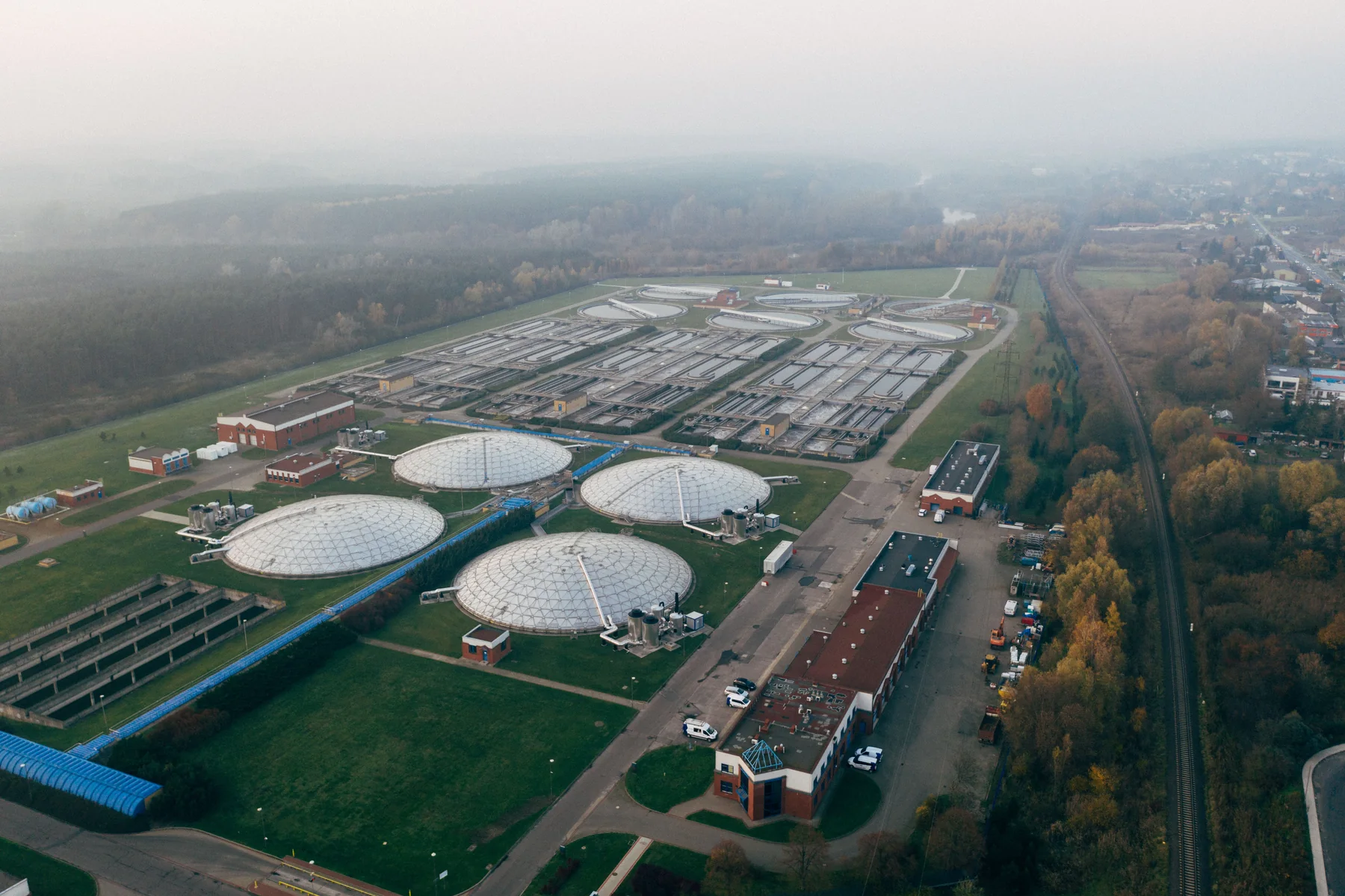 Photo: Marcin Jozwiak · Pexels License (free commercial use; attribution not required) · Image resized and converted to WebP.
Write a balanced narrative and tables that distinguish facts, estimates, targets, and limitations.
 Photo: Mikhail Nilov · Pexels License · Image resized and converted to WebP.
Run completeness and consistency checks, log open issues, and package a controlled next-cycle handover.
Human review: It is not a carbon reduction or cost-savings calculation, compliance or certification test, assurance conclusion, or financing-eligibility assessment.
Confirm the final syllabus, duration, dates, format and fees for your manufacturing team.
