For manufacturers in MalaysiaPractical AI. More capable teams. Thoughtful sustainability.
DESIGN A / AQUA MATRIX / ESG TRAINING MALAYSIA

Sustainability Reporting & Disclosure

IFRS S1 Sustainability-Related Financial Disclosures

This course gives Malaysian manufacturing SMEs a practical introduction to IFRS S1 sustainability-related financial disclosures. Participants learn how to connect sustainability risks and opportunities with cash flows, access to finance or cost of capital; organise governance, strategy, risk, metrics and targets evidence; and practise a proportionate disclosure-readiness review without presenting training as assurance, certification or a reporting submission.

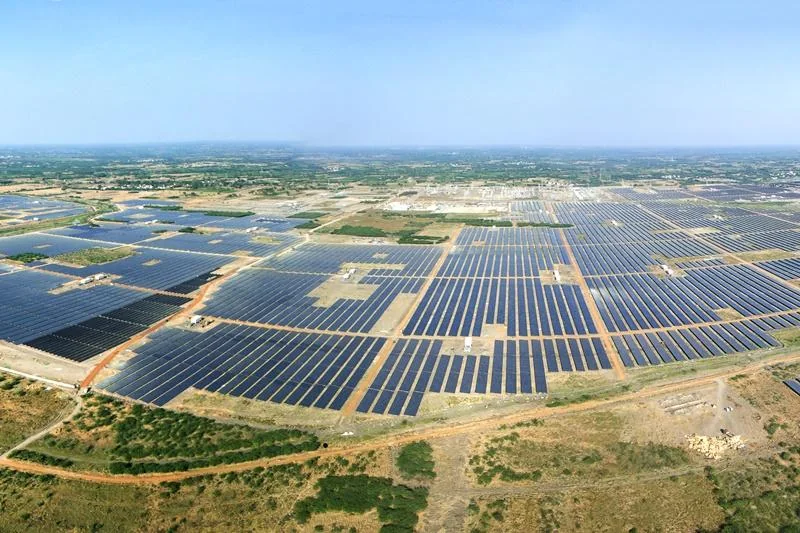
Aerial landscape view of a large solar power park with rows of photovoltaic panels across open ground under a blue sky.
Photo: Financial Express (attributed on Wikimedia Commons) · Creative Commons Attribution-ShareAlike 4.0 International (CC BY-SA 4.0) · Image resized and converted to WebP; this adaptation is shared under CC BY-SA 4.0.Illustrative stock photograph; not AIGreen Plus staff, facilities or client results.Illustrative photograph; not AIGreen Plus staff, facilities or client results.

Category covers and course photos are illustrative licensed photographs, not AIGreen Plus staff, facilities or client results. Required creator and licence credits appear with each course photograph.

E EnvironmentS PeopleG Accountability
AQUA MATRIX / TOPIC-SPECIFIC COMPARISON

How does IFRS S1 connect evidence to decisions?

The matrix frames a learning review: each disclosure area needs a decision link and supportable evidence, not a generic ESG description.

IFRS S1 disclosure-readiness lens
Decision / evidenceDecision connectionWhat could affect prospectsManagement responseHow the entity oversees itEvidence trailWhat supports the explanation
GovernanceOversight, controls and accountability for the matterRoles, policies, decisions and escalation recordsMinutes, policies, control logs and owner confirmations
StrategyBusiness-model, value-chain and resource implicationsCurrent and anticipated response choicesPlans, assumptions, dependencies and scenario notes
Risk managementIdentification and prioritisation across operations and value chainAssessment, monitoring and mitigation processRisk register, criteria, reviews and issue history
Metrics and targetsPerformance, progress and decision-useful indicatorsDefinitions, boundaries, targets and monitoringKPI sheets, source records, methods and approvals

This matrix is a training aid; it does not determine materiality, local applicability, an entity's reporting boundary or an assurance conclusion. Course content is educational; verify current requirements against the linked official sources and the organisation's circumstances.

DIRECT ANSWER / BUSINESS LEADERS

See the issue. Find the evidence.

IFRS S1 sets general requirements for sustainability-related financial disclosures about risks and opportunities that could reasonably be expected to affect an entity’s prospects. This course shows Malaysian manufacturing teams how to scope topics, consider materiality, map governance and strategy, document risk-management processes, and organise metrics and targets evidence. Learners produce a fictional disclosure map, evidence checklist and review log for internal discussion. It is educational preparation, not an applicability decision, assurance engagement, certification or filing service.

PRACTICAL LEARNING OBJECTIVES

What participants can practise.

01

Explain the S1 architecture

Explain IFRS S1's objective, investor-oriented information needs and relationship with IFRS S2, then distinguish sustainability-related financial disclosures from a general impact or marketing report for internal discussion.

02

Map risks to evidence

Map a fictional factory's sustainability risks and opportunities to governance, strategy, risk-management processes, and metrics or targets using a clear evidence trail for review by management.

03

Discuss materiality clearly

Build a proportionate topic register and materiality discussion that records assumptions, information gaps, industry context and questions requiring confirmation against current requirements for management review.

04

Prepare a review pack

Prepare a draft disclosure-readiness pack containing source links, owners, evidence requests and review notes without presenting it as assurance, certification or regulatory submission before wider review.

FACTORY-RELEVANT APPLICATION

Apply the concept to a manufacturing question.

Precision-machining risk map

An imaginary Penang precision-machining SME maps electricity interruptions, wastewater limits, customer sourcing requests and equipment-investment needs. Learners identify which matters could affect operations or financing discussions, record the evidence currently held, and draft questions for management. The exercise stops at a reviewable topic register; it does not conclude that the company must report under IFRS S1.

Packaging evidence trail

A fictional food-packaging plant builds an IFRS S1 evidence map from board minutes, maintenance logs, supplier questionnaires and KPI sheets. Participants connect each proposed disclosure statement to an owner, period, boundary and supporting record, then flag estimates or missing evidence. The output is a classroom draft for discussion, not an assurance file or regulatory submission.

Supplier-transition decision lens

A sanitised electronics assembler compares two hypothetical supplier-transition options. Teams describe the related sustainability opportunity, possible cash-flow pathway, governance oversight, risk-management treatment and candidate metric. They document assumptions and uncertainties instead of predicting benefits. The exercise demonstrates connected thinking while avoiding any claim about actual client performance, capital access or cost savings.

FICTIONAL LEARNING EXAMPLE / NOT CUSTOMER RESULTS

Fictional evidence completeness review

This is a fictional learning example, not client results.

BASELINE / CASE A45%of reviewed set
COMPARISON / CASE B75%of reviewed set

Stated basis: IFRS S1 evidence items in a fictional factory disclosure checklist · 18 ÷ 40 and 30 ÷ 40.

Absolute difference: 30 percentage points. This is a comparison of the stated exercise values, not proof of improvement.

  • The checklist contains 40 defined evidence items across governance, strategy, risk management, and metrics or targets.
  • The baseline and comparison counts are classroom scenarios using the same boundary, period and review method.

The renderer compares the two reviewed counts against the same available checklist; the exercise illustrates completeness tracking, not training impact or reporting performance.

It is not evidence of carbon reductions, cost savings, compliance, certification, assurance or financing eligibility.

Educational source notes
SELECTED OUTLINE B / EIGHT PROPOSED MODULES

A clear learning route.

Final depth, exercises and delivery details are confirmed with AIGreen Plus before delivery.

On a small screen, scroll horizontally inside the course-outline table.

IFRS S1 Sustainability-Related Financial Disclosures — proposed course outline
ModuleFocusKey pointsPractice
01IFRS S1 Purpose and Boundaries

Learn the purpose of IFRS S1, its investor-oriented lens, and boundaries between sustainability-related financial information, broader impact reporting, and financial statements.

  • Connect sustainability risks and opportunities to entity prospects.
  • Identify investors, lenders and other creditors as primary users.
  • Separate learning exercises from assurance, certification and filing.

Classify ten fictional factory information items as financial, sustainability-related financial, broader impact, or out of scope for an IFRS S1 discussion.

02Materiality and Prospects

Practise an evidence-led materiality conversation about matters that could affect cash flows, access to finance, cost of capital, or business prospects.

  • Record short, medium and long-term time horizons for each topic.
  • Document reasonable and supportable information used in discussion.
  • Flag uncertainty rather than inventing thresholds or outcomes.

Review a sanitised electronics-factory scenario and rank possible sustainability matters by decision relevance, evidence strength and unresolved management questions for discussion.

03Governance and Accountability

Translate board oversight, management roles, controls and procedures into an auditable learning map for sustainability-related risks and opportunities and reporting.

  • Name oversight bodies, decision rights and escalation routes.
  • Link policies and controls to responsible evidence owners.
  • Mark gaps between stated practice and available records.

Create a governance map for a fictional precision-parts factory using committee minutes, policy excerpts and control-owner interviews and reporting evidence.

04Strategy and Business Model

Connect material sustainability risks and opportunities with a manufacturer's business model, value chain, resilience choices, resources, planned responses and uncertainty.

  • Trace dependencies across plants, suppliers, customers and capital.
  • Describe current and anticipated effects clearly without forecasts.
  • Separate response plans from claims of achieved performance.

Map a hypothetical packaging manufacturer's water dependency, supplier exposure and product transition option to strategic decision points and evidence needs.

05Risk Management Process

Build a repeatable process for identifying, assessing, prioritising and monitoring sustainability-related risks and opportunities across factory activities and value chains.

  • Define categories, criteria, owners and review frequency for topics.
  • Connect risk registers to existing enterprise processes and controls.
  • Capture opportunities alongside downside exposures and controls for review.

Adapt a sample enterprise risk register for a fictional metal-finishing plant, adding sustainability triggers, evidence fields and review actions for management review.

06Metrics Targets and Industry Context

Select decision-useful metrics and targets, consider industry-based guidance, and document definitions, boundaries, methods, comparatives and progress evidence for each selected topic.

  • Define metric scope, unit, period, boundary and owner.
  • Reconcile source records before discussing trends or targets.
  • Consider SASB guidance without treating it as automatic applicability.

Draft metric cards for a fictional appliance plant covering energy, water, worker safety and supplier disruption, with definitions and evidence owners.

07Connected Disclosure Pack

Assemble a connected draft pack that explains relationships among governance, strategy, risk management, metrics, targets, assumptions, sources and financial-report context.

  • Cross-reference narrative claims to evidence and calculations for review.
  • Keep reporting period, boundary and estimates consistent across disclosures.
  • Record unresolved questions for qualified review before drafting.

Use a fictional contract-manufacturing case to connect a risk narrative, target table, evidence index and management review notes for management discussion.

08Readiness Review and Communication

Test completeness and clarity through peer review, prepare management questions, and define next steps without promising compliance, assurance, financing or market outcomes.

  • Check four content areas against available support in the pack.
  • Highlight omissions, contradictions and stale source records before review.
  • Prepare an applicability discussion for current requirements with management.

Run a structured peer review of a fictional draft disclosure pack and issue a gap log with owners, due questions and review status.

AIGREEN PLUS / PROPOSED TRAINING APPROACH

How AIGreen Plus's proposed approach fits this topic

This is a proposed course design for practical learning, not a claim of proven superiority or guaranteed results.

Proposed teaching practices and potential manufacturer relevance; not an independently proven superiority claim
FocusProposed approachFactory relevance
Factory evidence mappingUse sample production, maintenance, supplier and management records to map S1 disclosure evidence.Keeps abstract requirements connected to records SME teams can locate and question.
Four-content-area practiceRehearse governance, strategy, risk management, and metrics or targets as one connected disclosure story.Helps teams avoid isolated KPI lists that lack decision context.
Proportionate readiness reviewUse a lightweight topic register, owner matrix and gap log with assumptions clearly marked.Creates a manageable starting point without implying settled applicability or compliance.
Fictional manufacturing casesWork through precision-machining, food-packaging and electronics scenarios with sanitised evidence.Lets participants practise judgement without exposing confidential factory data or claiming client results.
PARTICIPANT READINESS

Bring the relevant people and records.

Relevant roles

  • Finance, sustainability or reporting leads who coordinate non-financial and financial information.
  • Factory operations or EHS managers who own material sustainability data and controls.
  • Directors, company secretaries or governance coordinators reviewing decision-useful sustainability information.
  • Manufacturing SME teams beginning an IFRS S1 readiness conversation and evidence inventory.

Before training

  • Bring a basic understanding of financial statements, management reporting and your factory's reporting calendar.
  • Identify one or two sustainability topics that may affect operations, supply, markets or financing discussions.
  • Prepare sample policies, risk registers, KPI definitions and responsible-owner names, with confidential information removed.
TEN COURSE-SPECIFIC ANSWERS

Questions before you enquire.

01What is IFRS S1?

IFRS S1 is the ISSB's general standard for sustainability-related financial disclosures. It focuses on risks and opportunities that could reasonably be expected to affect an entity's prospects, including cash flows, access to finance or cost of capital. It sets requirements for content and presentation for primary users such as investors, lenders and other creditors.

02How does IFRS S1 differ from IFRS S2?

S1 is the general requirements standard; S2 adds climate-related requirements and is designed to be applied with S1 when climate matters are in scope. This course uses S1 as the organising framework and treats climate metrics as an example, not a substitute for a dedicated S2 course or local applicability assessment.

03Does IFRS S1 apply to every Malaysian SME?

Not automatically. Applicability can depend on jurisdictional requirements, reporting status and the entity's circumstances. The course helps an SME assess questions and prepare evidence, but it does not determine legal scope. Confirm current official requirements and any reporting obligation with an appropriate qualified adviser.

04What does materiality mean in this course?

Here, materiality is discussed through decision-useful information about sustainability-related risks and opportunities that could affect prospects. Participants document reasoning, time horizon, evidence and uncertainty. The exercise does not set a universal threshold or replace the entity's documented judgement under the applicable requirements.

05What records should a participant bring?

Useful sanitised records include governance minutes, policies, risk registers, supplier or customer requirements, KPI definitions, source logs, target approvals and reporting calendars. Bring only material you are authorised to use. The exercises also work with fictional records, so confidential production, customer or employee information is not required.

06Does the course produce an IFRS S1 compliant report?

No. Participants create a fictional disclosure map, evidence index and gap log for learning. These outputs are not an IFRS S1 report, assurance evidence, certification, filing or regulatory submission. A reporting entity would need its own scope, judgements, records, review controls and qualified advice.

07Are manufacturing industry metrics prescribed?

Industry context matters, and IFRS Foundation educational materials explain the role of industry-based guidance. The course introduces metric definitions and SASB-related questions as learning prompts. It does not declare one fixed metric list for every Malaysian manufacturer or decide which guidance is applicable.

08How can this course support a finance team?

Finance teams can use the course to connect sustainability information with prospects, reporting periods, estimates, controls and financial-report context. It does not provide investment advice, financing promises, valuation conclusions, tax filing help or instructions to submit disclosures.

09What proposed outputs are practised?

The proposed practice outputs are a scope note, material-matters register, accountability matrix, evidence index, and readiness gap log. They are classroom or internal discussion aids, not proof of compliance, assurance readiness, certification, performance improvement or access to finance.

10Can AIGreen Plus confirm duration, fees or certificate details?

This content does not state course duration, fees, venue, funding eligibility or certificate arrangements. Ask AIGreen Plus for current delivery details and confirm whether any participation record is offered; participation should not be represented as IFRS S1 certification or assurance.

DESIGN A / FIVE WORKPLACE STAGES

From course learning to a reviewed next step.

IFRS S1 Sustainability-Related Financial Disclosures — proposed practice flow; people remain responsible for evidence, decisions and any operational change.

  1. 01

    Scope the Conversation

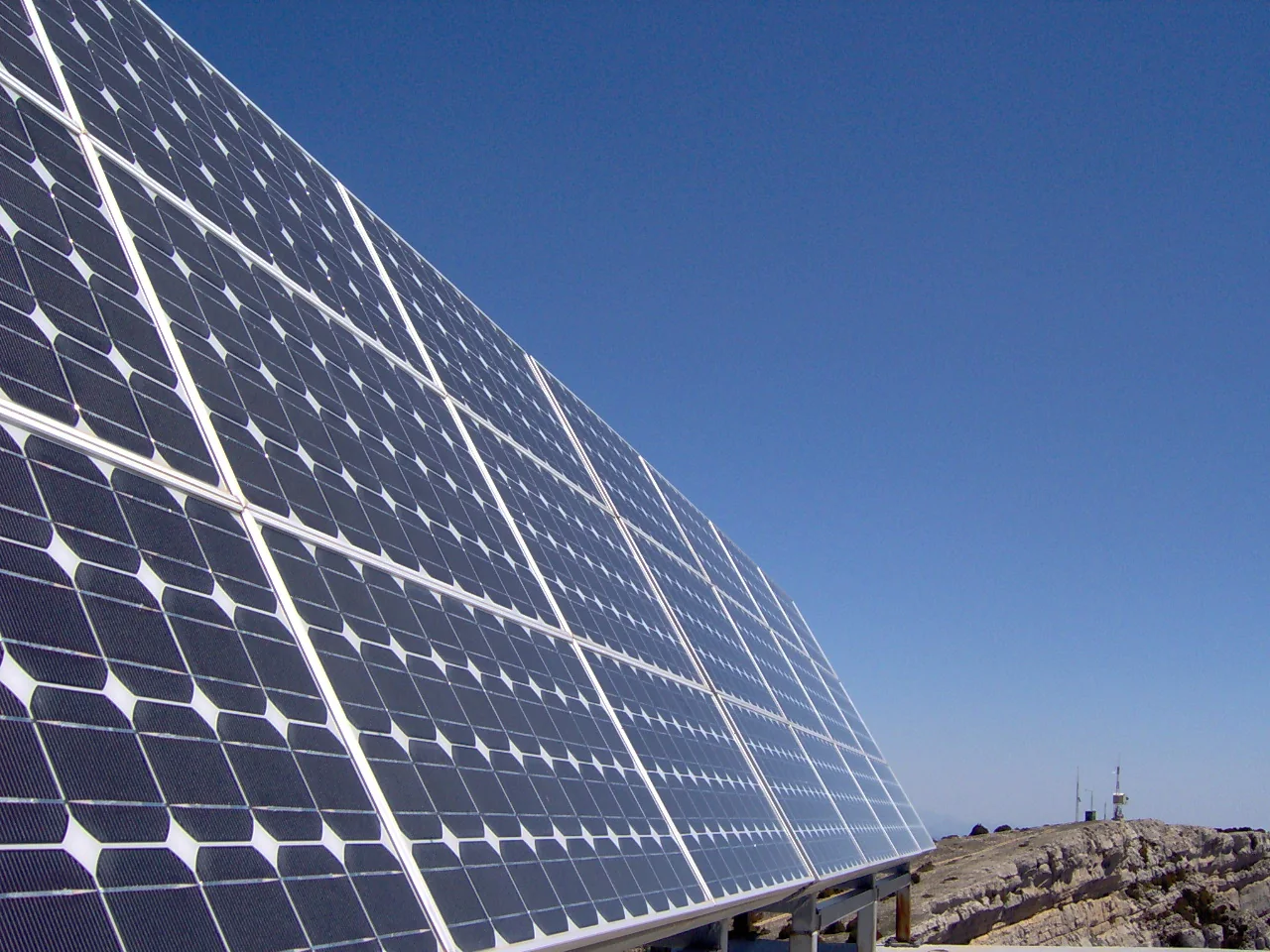
    A large array of dark photovoltaic panels rises diagonally across a rocky site beneath a clear blue sky, with a small communications mast in the distance.Photo: Fernando Tomás · Creative Commons Attribution 2.0 Generic (CC BY 2.0) · Image resized and converted to WebP.

    Set the fictional entity boundary, users, reporting period and learning question before reviewing evidence.

    OWNERCourse participant team
    WORKPLACE CHECKBoundary, period and users recorded
    STAGE OUTPUTScope note
  2. 02

    Map Material Matters

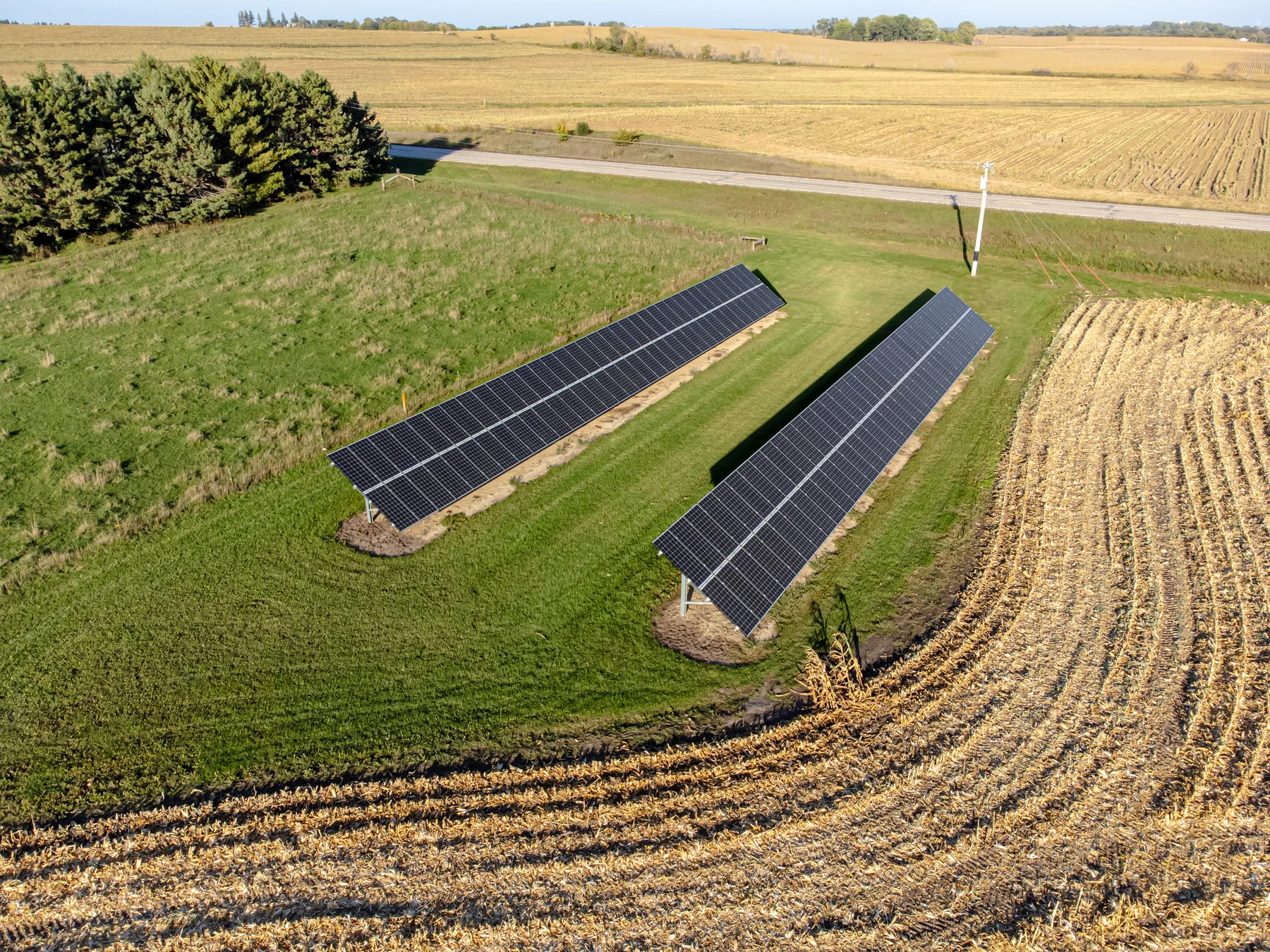
    Aerial landscape photograph showing rows of solar panels beside cultivated farmland and a tree line under a partly cloudy sky.Photo: Wikideas1 · Creative Commons CC0 1.0 Universal Public Domain Dedication · Image resized and converted to WebP.

    Connect candidate sustainability risks and opportunities to prospects using explicit assumptions and evidence gaps.

    OWNERSustainability and finance leads
    WORKPLACE CHECKTopic register has rationale and evidence status
    STAGE OUTPUTMaterial-matters register
  3. 03

    Assign Oversight

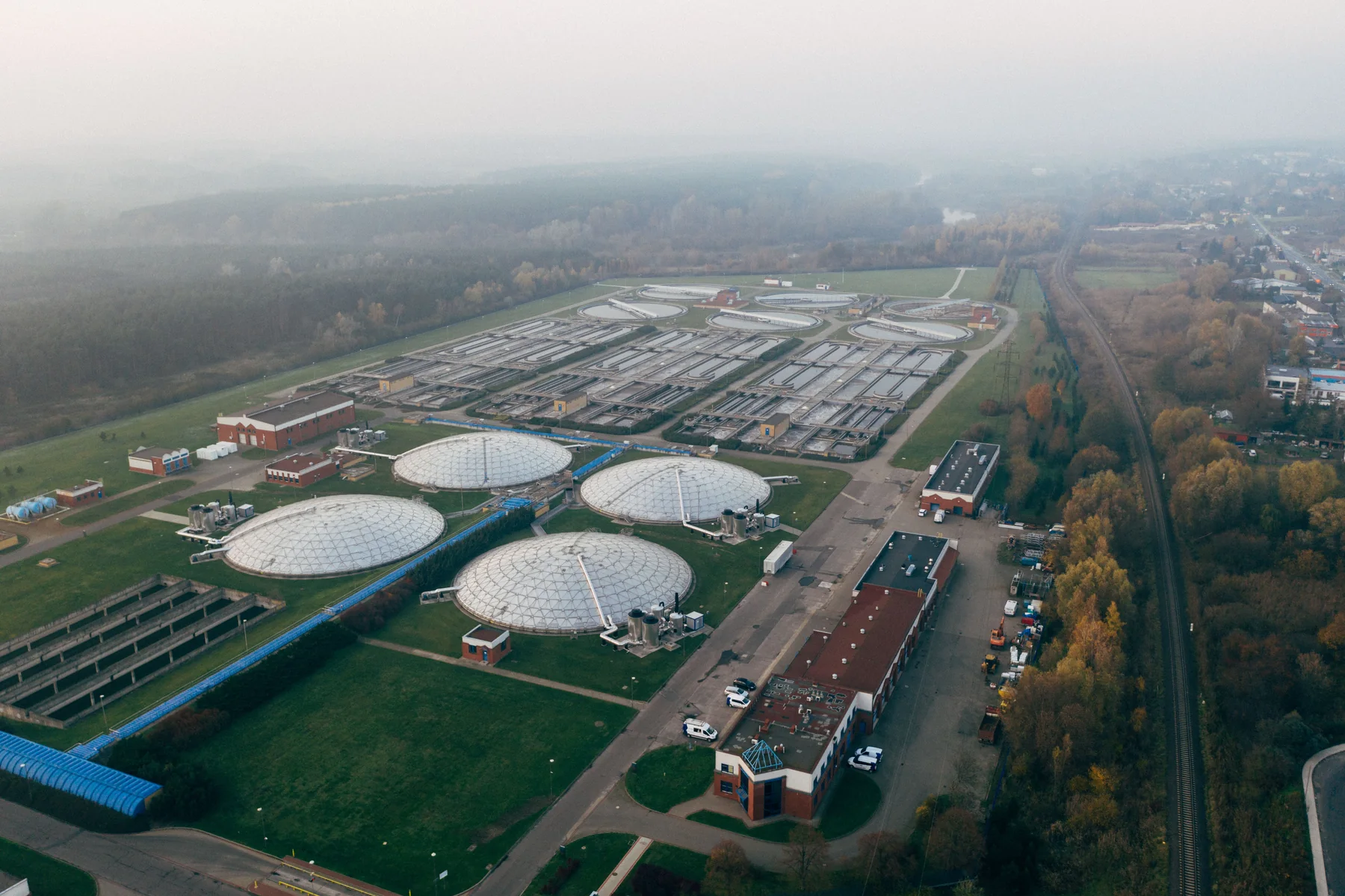
    Aerial landscape photograph of a wastewater treatment facility with rectangular settling basins, circular tanks, service roads and surrounding green fields.Photo: Marcin Jozwiak · Pexels License (free commercial use; attribution not required) · Image resized and converted to WebP.

    Link governance, strategy and risk-management responsibilities to records that can support a draft disclosure.

    OWNERManagement and governance coordinator
    WORKPLACE CHECKEach item has an owner and review route
    STAGE OUTPUTAccountability matrix
  4. 04

    Build Evidence Pack

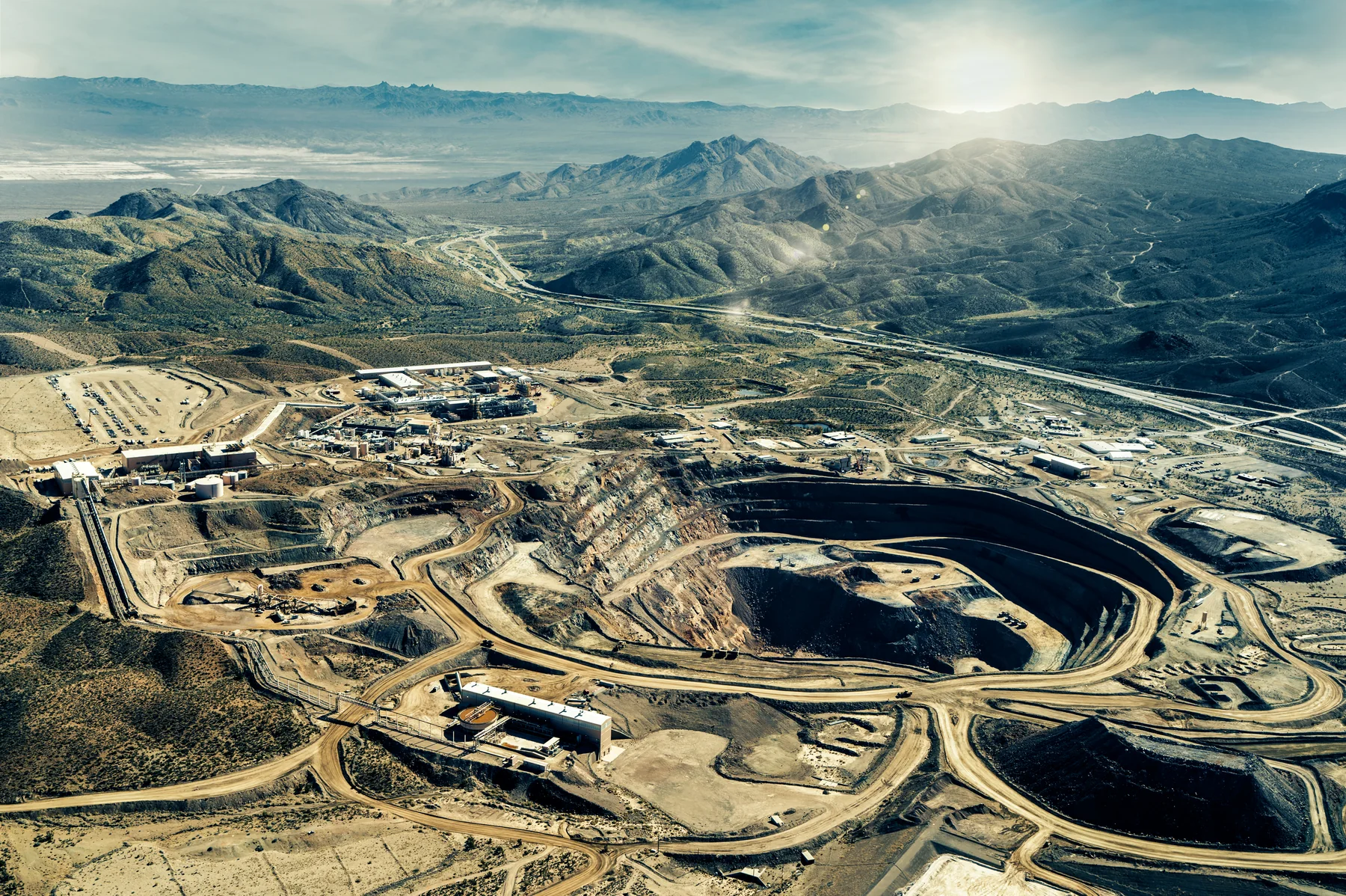
    Aerial landscape photograph of a large open-pit rare-earth mining and processing complex, with terraced earthworks, roads, industrial buildings, ponds, and surrounding mountain terrain.Photo: Tmy350 · Creative Commons Attribution-ShareAlike 4.0 International · Image resized and converted to WebP.

    Define metrics, targets, methods, boundaries and source records for a fictional connected disclosure.

    OWNERData and operations owners
    WORKPLACE CHECKClaims trace to dated source records
    STAGE OUTPUTEvidence index
  5. 05

    Review and Question

    Binders, paperwork and stationery arranged on an office desk.Photo: Mikhail Nilov · Pexels License · Image resized and converted to WebP.

    Peer-review completeness, inconsistencies and applicability questions before any qualified external or management decision.

    OWNERCross-functional review group
    WORKPLACE CHECKGaps and questions logged without invented conclusions
    STAGE OUTPUTReadiness gap log

Human review: It is not evidence of carbon reductions, cost savings, compliance, certification, assurance or financing eligibility.

PROPOSED ESG COURSE / ENQUIRE BEFORE BOOKING

Build a practical first ESG plan.

Confirm the final syllabus, duration, dates, format and fees for your manufacturing team.

Discuss ESG training