


Explain the GRI system
Describe how Universal, Sector and Topic Standards fit together, and distinguish selected-Standard disclosure practice from preparing a report in accordance with the Standards.
Sustainability Reporting & Disclosure
A practical course for Malaysian manufacturing SMEs to understand the GRI Standards, identify impact-related material topics, organise evidence, draft disclosures and build a content index. Participants work through factory examples while separating selected-Standard use from an in-accordance report, and distinguishing training exercises from assurance, certification or a compliance determination.

Category covers and course photos are illustrative licensed photographs, not AIGreen Plus staff, facilities or client results. Required creator and licence credits appear with each course photograph.
Use this three-column matrix to connect a factory's reporting question with the relevant GRI Standards layer and the evidence needed for a draft.
| Decision / evidence | Universal StandardsOrganisation-wide foundation | Sector StandardsSector impact context | Topic StandardsTopic disclosure detail |
|---|---|---|---|
| Primary purpose | Organisation-wide context and disclosures | Sector-relevant impact context | Topic-specific disclosures and metrics |
| Factory question | Who are we and how do we govern? | Which manufacturing impacts are likely? | What evidence describes the impact? |
| Evidence to gather | Profile, governance, policies and practices | Process map, sector activities and stakeholder signals | Metric records, methods, boundaries and limitations |
| Decision in the workplan | Set the foundation and reporting context | Assess relevance without assuming inclusion | Draft, cross-reference and review disclosure |
This matrix is a learning aid; applicable Standards, version, topic choices and any reporting statement require a current review of official GRI materials and the organisation's scope. Course content is educational; verify current requirements against the linked official sources and the organisation's circumstances.
This course teaches Malaysian manufacturing SME teams how to use the GRI Standards as an impact-reporting framework. Participants map factory activities and stakeholders, assess material topics, select relevant Universal, Sector and Topic Standards, prepare evidence cards, draft disclosure text and assemble a content index. It serves owners, sustainability coordinators and cross-functional data owners who need a structured practice draft, not a promise of assurance, certification, compliance or publication readiness.
Describe how Universal, Sector and Topic Standards fit together, and distinguish selected-Standard disclosure practice from preparing a report in accordance with the Standards.
Create a documented shortlist of likely material topics by connecting factory activities, stakeholder input, impact considerations, available evidence and explicit judgement.
Prepare practice disclosures with defined metrics, periods, boundaries, methods, management approach, limitations, source records and accountable data owners.
Assemble a draft GRI content index and review log that makes references, omissions, open questions, scope limits and next-cycle improvements visible.
A fictional Malaysian precision-parts plant maps plating, energy, wastewater, worker safety and supplier activities. The team compares operational evidence with stakeholder concerns, identifies likely impacts, selects a manageable set of GRI topics, and records why other candidate topics need more information before inclusion. The exercise ends with owners and next evidence requests.
In a sanitised mock report, a plastics manufacturer links waste, occupational health and training disclosures to source records, reporting periods, boundaries and page references. Participants draft concise management-approach text, mark an omission transparently, and assemble a content-index row without implying assurance, certification or legal compliance.
A fictional electronics assembler receives a draft sustainability update containing an unsupported zero-waste phrase, mixed units and an unclear organisational boundary. Learners trace each statement to evidence, rewrite the claim with a precise scope, record unresolved questions and route the draft to the appropriate management reviewer before publication.
This is a fictional learning example, not client results, an assurance conclusion or a claim about training performance.
Stated basis: Selected draft disclosures reviewed · 74 ÷ 100 and 86 ÷ 100.
Absolute difference: 12 percentage points. This is a comparison of the stated exercise values, not proof of improvement.
In this fictional exercise, the comparison suggests that more selected disclosures had an evidence reference at the second review; it does not demonstrate course impact or report quality in general.
This exercise is not an assurance conclusion, certification, compliance determination, financing eligibility assessment, or proof of report quality.
Final depth, exercises and delivery details are confirmed with AIGreen Plus before delivery.
On a small screen, scroll horizontally inside the course-outline table.
| Module | Focus | Key points | Practice |
|---|---|---|---|
| 01GRI System and Reporting Purpose | Understand how GRI Standards frame impacts on the economy, environment and people, and why a manufacturing SME may use selected Standards or report in accordance. |
| Map a fictional Malaysian component factory's reporting purpose, intended users, organizational boundary and decision questions before selecting any GRI disclosures. |
| 02Universal Standards Foundation | Use the Universal Standards as the common foundation for organizational context, governance, policies, practices and general disclosures in a structured reporting plan. |
| Build a Universal Standards checklist for a mock plant, linking each disclosure area to a record owner, evidence location and review status. |
| 03Sector and Topic Selection | Select relevant Sector and Topic Standards after considering likely impacts, sector context and the organisation's own material topics, without assuming every listed topic applies. |
| Compare a fictional metal-finishing process map with candidate GRI topics, then record evidence needs and a reasoned selection decision for each. |
| 04Material Topics and Impact Assessment | Practise an impact-oriented process for identifying, assessing and prioritising material topics using stakeholder input, operational evidence and documented judgement. |
| Rank fictional water, worker safety and supplier topics using an evidence card, stakeholder voice, impact rationale and a documented prioritisation threshold. |
| 05Disclosure Evidence and Methods | Translate selected material topics into clear disclosures that explain management approach, metrics, methods, boundaries, period, limitations and evidence quality. |
| Draft a fictional energy and occupational safety disclosure with metric definitions, period, boundary, source records, limitations and management approach described. |
| 06Content Index and Report Architecture | Assemble a practical content index and report map so readers can locate disclosures, understand omissions and distinguish reported information from narrative context. |
| Create a mock GRI content index for three topics, connecting disclosure references to draft pages, data files, owners and open questions. |
| 07Quality Review and Claim Boundaries | Apply a review gate for accuracy, completeness, clarity, comparability and balance, while separating GRI reporting from assurance, certification and legal compliance. |
| Review a fictional draft report for unsupported absolutes, missing boundaries, inconsistent units and unclear omissions, then log each correction with an evidence reference. |
| 08Manufacturing Reporting Workplan | Turn the draft into a manageable reporting workplan with owners, review gates, data requests and a next-cycle improvement list for the factory. |
| Build a fictional six-step reporting board for a Malaysian factory, from topic approval through content-index review and management sign-off preparation. |
This proposed course uses manufacturing evidence exercises and reporting maps; it describes course design, not proven superiority, assurance, certification or guaranteed results.
| Focus | Proposed approach | Factory relevance |
|---|---|---|
| Impact-first topic mapping | Start with factory activities, affected stakeholders and evidence before selecting material GRI topics. | Keeps the reporting plan connected to actual operational impacts rather than a generic checklist. |
| Disclosure-ready evidence cards | Record metric definition, period, boundary, source, owner and limitation on each practice card. | Makes evidence gaps visible before narrative is drafted and reviewed. |
| Content-index practice | Rehearse cross-referencing disclosures, omissions and page locations in a mock index. | Helps readers locate information and helps teams maintain reporting traceability. |
| Proportionate review gate | Use a fact, plan and aspiration check before management review, with assurance questions escalated separately. | Reduces overstatement without presenting training as assurance or certification. |
The GRI Standards help organisations understand and report their impacts on the economy, environment and people. This course turns that official framework into a manufacturing learning exercise covering topic selection, evidence, disclosures and a content index without presenting the draft as a completed report.
The system uses three series together: Universal Standards provide the common foundation, Sector Standards add sector impact context, and Topic Standards list disclosures relevant to a topic. The course practises how those layers inform a factory reporting workplan.
Organisations may use selected GRI Standards to disclose information for specific users or purposes, or prepare a report in accordance with the Standards. The course explains the distinction, but the applicable requirements and any reporting statement need a current official review.
Participants connect factory activities, actual or potential impacts, stakeholder input and available evidence, then document prioritisation judgements. The exercise helps create a reasoned shortlist; it does not declare a topic material for any organisation or replace its own review.
Useful practice material may include process maps, energy and waste records, water or wastewater information, worker safety and training records, supplier evidence, governance documents and prior disclosures. Use only approved, anonymised or sanitised information and label estimates, gaps and owners.
No automatic inclusion is assumed in this course. A team considers its activities, sector context, impacts, stakeholders and evidence before selecting topics. Any applicability judgement, current Standard version and reporting statement should be checked against official GRI materials and the organisation's scope.
No. This course focuses on GRI impact reporting and does not replace IFRS S1, IFRS S2, Bursa Malaysia or another applicable requirement. SMEs and listed issuers should assess the relevant framework separately and confirm current obligations with an appropriately qualified adviser.
No. Exercises produce learning drafts, evidence maps, a practice content index and review prompts. They are not independent assurance, certification, an audit, a legal opinion, a compliance determination or a guarantee that a future report satisfies any specific requirement.
Use live information only when the organisation has approved it for the learning setting. Remove or protect personal, confidential, proprietary and commercially sensitive details. Fictional, anonymised or sanitised records are suitable, and unresolved data questions should be recorded rather than guessed.
Those details are not fixed in this proposed content. Enquire with the course title, participant roles, factory context and learning priorities to confirm the available scope, format, duration, fees, materials and preparation requirements before planning delivery.
Global Reporting Initiative (GRI) Sustainability Reporting Standards — proposed practice flow; people remain responsible for evidence, decisions and any operational change.
 Photo: Fernando Tomás · Creative Commons Attribution 2.0 Generic (CC BY 2.0) · Image resized and converted to WebP.
Define intended users, reporting boundary and whether the exercise uses selected Standards or an in accordance pathway.
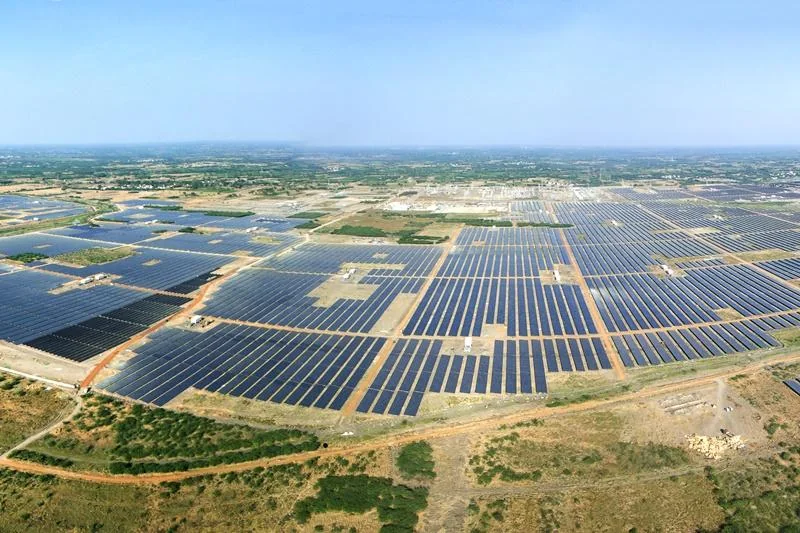 Photo: Financial Express (attributed on Wikimedia Commons) · Creative Commons Attribution-ShareAlike 4.0 International (CC BY-SA 4.0) · Image resized and converted to WebP; this adaptation is shared under CC BY-SA 4.0.
Connect factory activities, stakeholders and likely impacts before prioritising material topics.
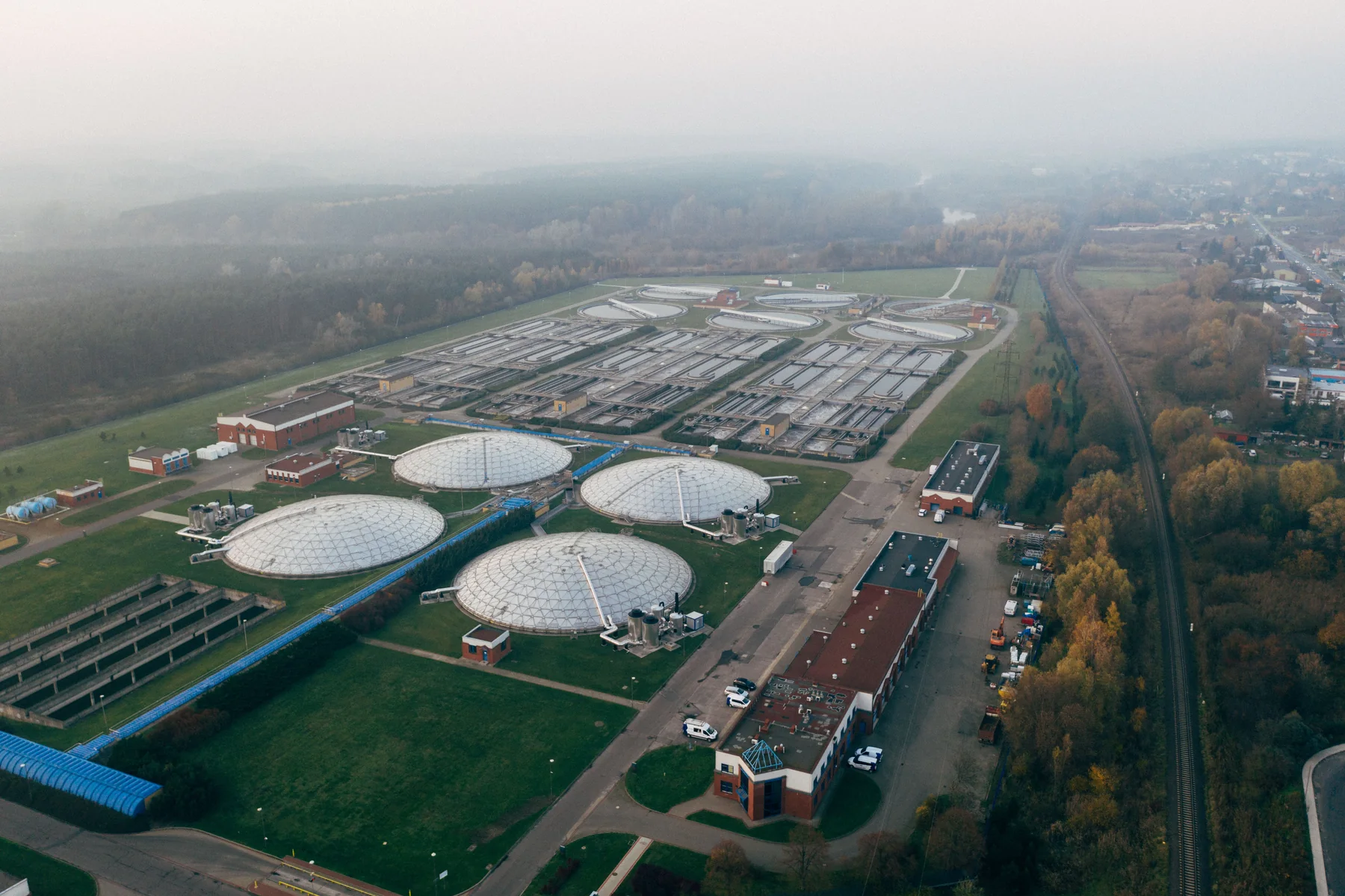 Photo: Marcin Jozwiak · Pexels License (free commercial use; attribution not required) · Image resized and converted to WebP.
Collect definitions, periods, units, boundaries and source records for selected disclosures.
 Photo: Tmy350 · Creative Commons Attribution-ShareAlike 4.0 International · Image resized and converted to WebP.
Link drafted disclosures, omissions and references into a reader-friendly GRI content index.
 Photo: Mikhail Nilov · Pexels License · Image resized and converted to WebP.
Run a management review for accuracy, balance, limits and next-cycle improvements before any publication decision.
Human review: This exercise is not an assurance conclusion, certification, compliance determination, financing eligibility assessment, or proof of report quality.
Confirm the final syllabus, duration, dates, format and fees for your manufacturing team.
