


Build category criteria
Build a purchasing criteria card that combines cost, quality, delivery, environmental factors, worker-related expectations and evidence requirements for a selected factory category, review owner and approval route.
Supply Chain & Sustainable Procurement
Practical course for Malaysian manufacturing SMEs to build sustainable purchasing decisions, screen supplier risks, request credible evidence and manage corrective actions. Participants practise balancing cost, quality, delivery, environmental impacts and worker-related concerns, while keeping claims proportionate and records reviewable across common factory categories such as materials, packaging and subcontracted services.

Category covers and course photos are illustrative licensed photographs, not AIGreen Plus staff, facilities or client results. Required creator and licence credits appear with each course photograph.
The matrix shows a practical procurement path: identify priority suppliers, test evidence and respond to gaps.
| Decision / evidence | Supplier screeningDecide where attention starts | Evidence reviewTest scope and traceability | Corrective actionAgree and follow through |
|---|---|---|---|
| Primary question | Which suppliers or categories warrant attention? | What supports the supplier's statement? | What issue needs action or escalation? |
| Typical inputs | Spend, category, location, dependency and impact context | Policies, records, dates, scope and owner | Issue description, owner, due date and follow-up evidence |
| Decision discipline | Use transparent, proportionate risk criteria | Separate documents from verified performance | Close only when agreed evidence is reviewed |
| Factory output | Priority supplier list | Evidence request and gap log | Corrective-action tracker and review note |
This matrix is a learning aid; it does not determine legal applicability, prove supplier performance or constitute an audit, certification or assurance. Course content is educational; verify current requirements against the linked official sources and the organisation's circumstances.
This course teaches procurement and operations teams how to embed sustainability criteria into buying decisions, segment suppliers by risk, request proportionate evidence, and follow up on issues through corrective action. Exercises use fictional factory purchasing cases covering materials, packaging and services. Participants leave with draft criteria, a supplier evidence request, a review record and an action tracker for internal discussion, not a supplier certification or audit result.
Build a purchasing criteria card that combines cost, quality, delivery, environmental factors, worker-related expectations and evidence requirements for a selected factory category, review owner and approval route.
Segment a mock supplier base with transparent risk indicators, a proportionate evidence request and a documented rationale for prioritising deeper engagement across categories and tiers.
Practise evaluating supplier claims by tracing documents, dates, scope and gaps, then record questions without treating a questionnaire or certificate as proof of performance.
Draft a corrective-action tracker with issue, owner, due date, follow-up evidence and escalation point, while distinguishing training practice from assurance, certification or audit.
A fictional electronics-assembly SME compares three packaging options. The team weighs unit price, damage protection, recycled-content evidence, end-of-life information, delivery reliability and worker-related supplier controls. Participants document the criteria, identify missing evidence and recommend a follow-up question rather than declaring one option universally sustainable or claiming a saving.
A sanitised mock supplier file contains a code of conduct, an expired policy, a partial energy record and a broad ethical claim. Learners classify each item by scope, date and reliability, prepare proportionate questions, and agree a review route without treating documents as certification or proof of impact.
A fictional machining supplier has inconsistent contractor records and incomplete waste documentation. The buyer and supplier draft an action plan with issue, owner, due date, follow-up evidence and escalation point. The exercise focuses on constructive engagement and record quality; it does not represent a live audit, client result or verified remediation.
This is a fictional learning example, not client results.
Stated basis: Eight records requested for one fictional category review · 6 ÷ 8 and 4 ÷ 8.
Absolute difference: 25 percentage points. This is a comparison of the stated exercise values, not proof of improvement.
The renderer compares two stages against the same set of eight requested records; it illustrates evidence completeness, not supplier sustainability performance, compliance or training impact.
This hypothetical completeness exercise is not proof of responsible sourcing, supplier compliance, certification, assurance, cost savings or financing eligibility.
Final depth, exercises and delivery details are confirmed with AIGreen Plus before delivery.
On a small screen, scroll horizontally inside the course-outline table.
| Module | Focus | Key points | Practice |
|---|---|---|---|
| 01Procurement as a Sustainability Lever | Connect purchasing specifications and supplier choices with factory impacts, business continuity, worker considerations and the evidence needed for responsible decisions. |
| Map a fictional factory purchase from specification to supplier, marking cost, quality, delivery, environmental and worker-related decision points. |
| 02Policy, Roles and Approval Gates | Translate sustainability intent into a procurement policy, decision rights and approval gates that smaller manufacturing teams can actually use consistently. |
| Draft a one-page procurement policy for a fictional metalworking SME, including scope, roles, exception handling and annual review prompts. |
| 03Category Criteria and Total Value | Use category-specific criteria to consider life-cycle value, durability, resource use, supplier capability and operational fit alongside price, quality and delivery. |
| Score three fictional packaging options using weighted criteria, then explain trade-offs and identify evidence that would change the recommendation later. |
| 04Supplier Risk Segmentation | Prioritise supplier engagement with a transparent risk lens covering category, location, dependency, impact potential, available evidence and ability to influence. |
| Segment a fictional supplier list into priority bands, record assumptions and select one supplier for a deeper evidence conversation next. |
| 05Supplier Evidence and Claims | Request proportionate records and test whether supplier statements are specific, current, scoped and traceable without treating paperwork as conclusive proof. |
| Review a fictional supplier packet, flag unsupported claims, request two clarifications and record evidence confidence in a procurement review sheet. |
| 06Engagement and Corrective Action | Turn identified supplier issues into dialogue, achievable actions, follow-up evidence and escalation choices while respecting leverage, context and responsible business conduct. |
| Create a corrective-action plan for a fictional supplier with incomplete labour records, including issue, owner, due date, follow-up evidence and escalation. |
| 07Responsible Sourcing in Practice | Integrate environmental and worker-related considerations into routine buying conversations, supplier onboarding and review cycles without overclaiming control over upstream impacts. |
| Role-play a buyer and supplier discussing a packaging risk, then document agreed questions, evidence requests, boundaries and next review date. |
| 08Metrics, Records and Continuous Review | Create a lean record set that supports decisions, tracks engagement and shows open gaps without presenting procurement activity as verified sustainability performance. |
| Build a mock procurement dashboard showing reviewed suppliers, evidence gaps, open actions and a cautious internal update for management review. |
This draft uses category cards, evidence reviews and action trackers as course design, not proven superiority or guaranteed results; confirm the final scope by enquiry.
| Focus | Proposed approach | Factory relevance |
|---|---|---|
| Decision-ready category criteria | Exercises turn a purchase category into a criteria card covering price, quality, delivery, environmental and worker-related evidence. | Teams can see how sustainability fits an existing buying decision rather than sitting outside procurement. |
| Proportionate supplier risk | Learners segment fictional suppliers using impact, context, evidence quality and influence before choosing an engagement depth. | Smaller teams can focus limited time without assuming every supplier presents the same risk. |
| Evidence before claims | Supplier policies, records and certificates are checked for scope, date, ownership and gaps through a review sheet. | Buyers learn to ask precise questions and avoid treating paperwork as proof of outcomes. |
| Action-led follow-up | Corrective-action exercises link issues to owners, dates, follow-up evidence, escalation and a documented closure decision. | Factories gain a repeatable learning pattern for responsible engagement without confusing it with an audit or certification. |
It means integrating sustainability considerations into procurement decisions and processes alongside normal commercial requirements. The course uses category criteria, supplier context, evidence requests and follow-up actions. It does not prescribe one universal scoring model or claim that buying a particular product automatically makes a factory sustainable.
Responsible sourcing is an ongoing, risk-informed approach to understanding and addressing potential or actual adverse impacts in supply chains and business relationships. A questionnaire can gather information, but learners also examine scope, evidence quality, engagement, corrective action and review; a completed form is not proof by itself.
Examples include raw materials, packaging, chemicals, maintenance items and subcontracted services, depending on the agreed scope. Participants can bring approved, anonymised category and supplier records or use fictional cases. The course does not require disclosure of confidential pricing, personal information or commercially sensitive data.
Use proportionate, transparent criteria rather than assuming size determines performance. Consider the purchase category, potential impact, operating context, available evidence and the buyer's ability to influence. The exercise helps prioritise engagement; it is not a legal risk rating, supplier grade or independent verification.
No. A policy or certificate may be relevant evidence, but its scope, issuer, date, applicability and relationship to the specific site or product should be checked. The course practises recording gaps and questions. It does not validate certificates, certify suppliers or provide assurance.
Learners use a category view that can include resource use, waste, chemicals, worker safety, labour conditions and grievance or voice channels where relevant. The emphasis is on asking proportionate questions, identifying evidence and agreeing follow-up, not making unsupported claims about upstream impacts.
A useful learning draft names the issue, context, owner, due date, support or dialogue needed, follow-up evidence and an escalation route. Closure should be based on a documented review of agreed evidence. The exercise does not guarantee remediation or replace a site audit.
Better specifications and review may help teams notice durability, waste, delivery or disruption considerations, but the course makes no savings promise. Any financial effect depends on the category, market, supplier and implementation. Participants practise trade-offs rather than calculating a guaranteed business case.
No. ISO 20400 is guidance for integrating sustainability into procurement, and this proposed course uses selected educational ideas. Training is not conformity assessment, certification, audit or legal advice. Confirm any standard, customer or regulatory expectations with the appropriate qualified person before making a claim.
Dates, delivery format, duration, fees, templates and final scope are not fixed in this draft. Enquire with the course title, participant roles, factory categories and learning priorities so available arrangements can be confirmed. Do not send confidential supplier information with an initial enquiry.
Sustainable Procurement and Responsible Sourcing — proposed practice flow; people remain responsible for evidence, decisions and any operational change.
 Photo: Carsten Steger · Creative Commons Attribution-ShareAlike 4.0 International (CC BY-SA 4.0) · Image resized and converted to WebP; this adaptation is shared under CC BY-SA 4.0.
Choose one purchase category and define supplier, site and decision boundaries.
 Photo: Joba Adewumi · Pexels License · Image resized and converted to WebP.
Rank mock suppliers with transparent impact, context, evidence and influence criteria.
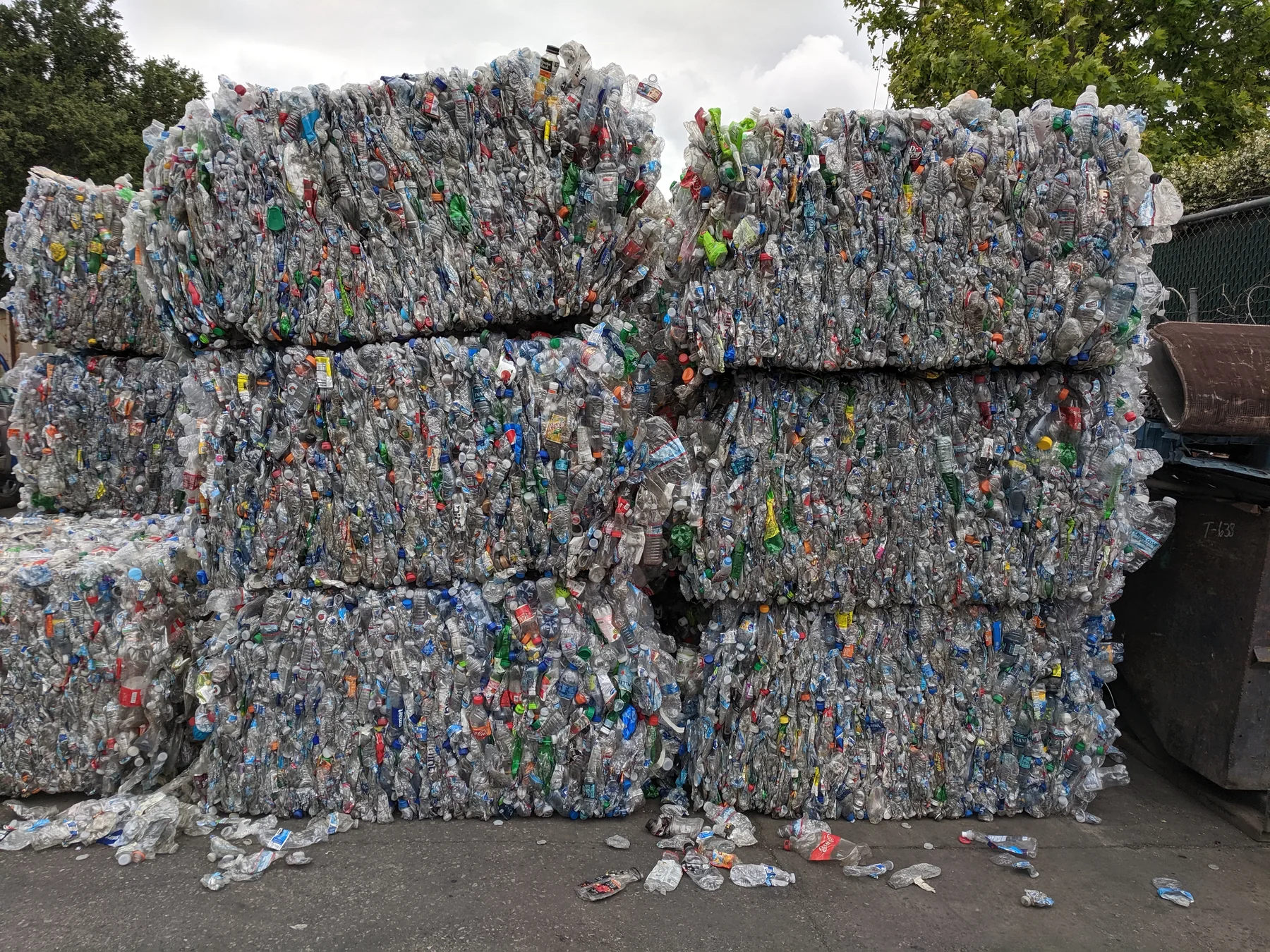 Photo: Grendelkhan · CC BY-SA 4.0 · Image resized and converted to WebP; this adaptation is shared under CC BY-SA 4.0.
Test supplier records and statements for period, scope, owner, relevance and gaps.
 Photo: Tiger Lily · Pexels License · Image resized and converted to WebP.
Draft a proportionate supplier action plan with dialogue, support, escalation and follow-up.
 Photo: afloresm · Creative Commons Attribution 2.0 Generic (CC BY 2.0) · Image resized and converted to WebP.
Summarise what is known, missing and next, keeping internal claims aligned with records.
Human review: This hypothetical completeness exercise is not proof of responsible sourcing, supplier compliance, certification, assurance, cost savings or financing eligibility.
Confirm the final syllabus, duration, dates, format and fees for your manufacturing team.
