


Frame the study
Set a product function, reference flow, system boundary and intended audience so a factory LCA question is clear enough to review before data collection begins.
Supply Chain & Sustainable Procurement
This course helps Malaysian manufacturing SMEs use life cycle assessment to map a product from materials through production, use and end of life. Participants practise setting a functional unit, collecting supplier and factory evidence, screening environmental hotspots, and turning findings into cautious product improvement questions without treating a training exercise as certification or assurance.
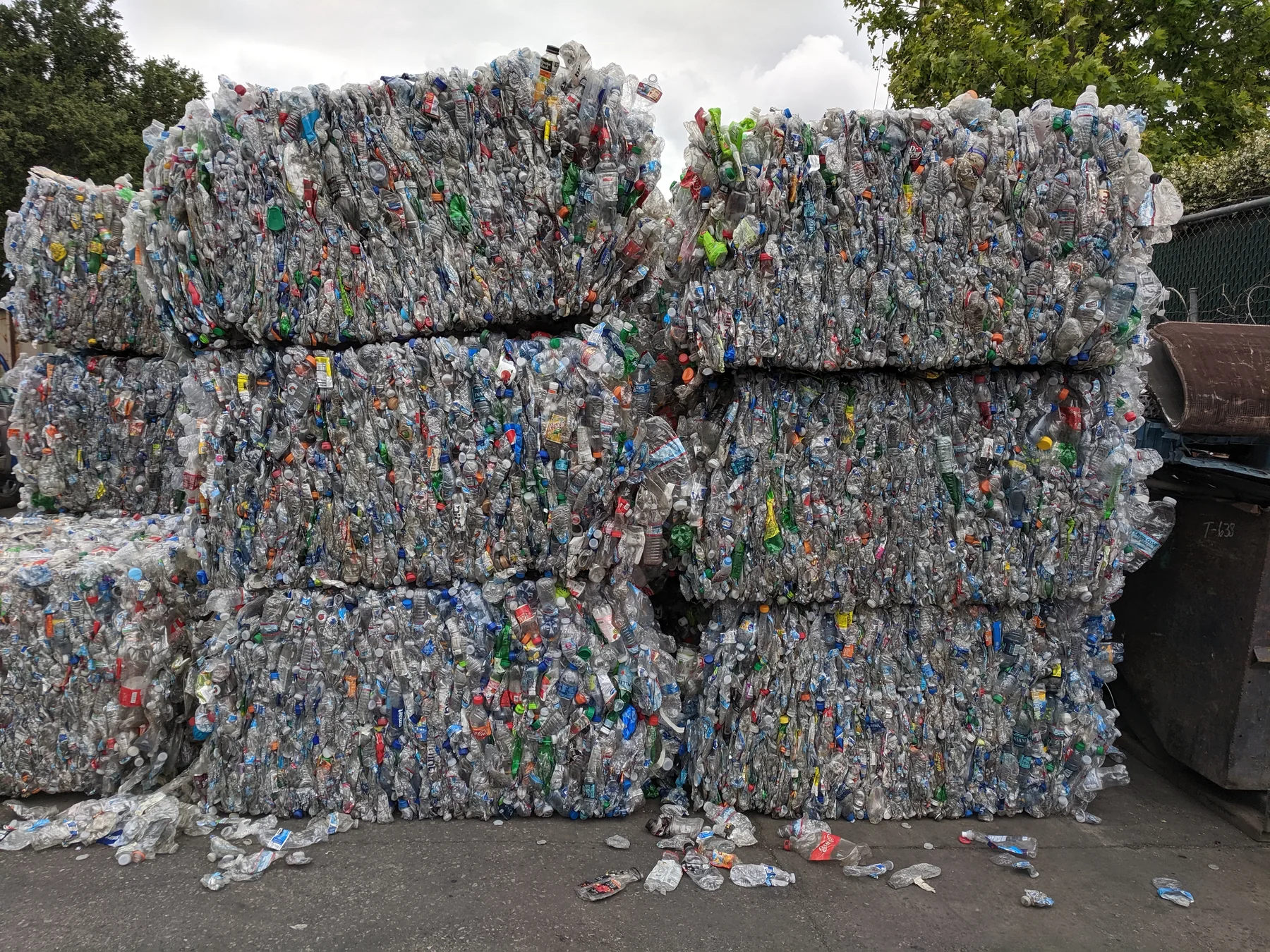
Category covers and course photos are illustrative licensed photographs, not AIGreen Plus staff, facilities or client results. Required creator and licence credits appear with each course photograph.
A credible learning exercise links a clear product function to evidence and an interpreted result, rather than a headline number alone.
| Decision / evidence | Study frameWhat is being compared | Evidence trailWhat supports the model | Decision readingHow the result is used |
|---|---|---|---|
| Product function | Defined service and reference flow | Units and sources linked to flows | Comparison stays functionally fair |
| Life-cycle boundary | Stages and exclusions stated | Supplier and factory records mapped | Hotspots read within the boundary |
| Data quality | Time, geography and technology noted | Measured versus estimated values marked | Uncertainty shapes follow-up questions |
| Communication gate | Audience and intended use recorded | Assumptions and review needs shown | No unsupported public environmental claim |
A classroom matrix supports screening and discussion; it does not replace a complete study, critical review, assurance or product-claim substantiation. Course content is educational; verify current requirements against the linked official sources and the organisation's circumstances.
It teaches a practical LCA workflow for product teams: define goal, scope, functional unit and boundary; build a transparent inventory; interpret selected impacts; and communicate limitations. Learners create a fictional product system map, an evidence request list, a hotspot screen and an improvement decision log. It is designed for Malaysian manufacturing SME owners, procurement, engineering, quality and sustainability staff who need a shared, evidence-aware starting point.
Set a product function, reference flow, system boundary and intended audience so a factory LCA question is clear enough to review before data collection begins.
Organise supplier, process, transport, use and end-of-life evidence into a traceable inventory, noting units, sources, data gaps and allocation choices.
Compare selected life-cycle impact categories using stated assumptions, then distinguish a screening signal from a complete comparative claim or verified result.
Prioritise practical follow-up questions for materials, production and procurement while documenting trade-offs, uncertainty and evidence needed for a future study.
A fictional metal-parts SME maps an aluminium bracket from billet production through machining, packaging and customer use. The class compares gate-to-gate and cradle-to-gate boundaries, records supplier data requests, and marks which transport, electricity and scrap assumptions could change interpretation. The exercise ends with a scope note, not a public footprint or verified claim.
A sanitised electronics supplier receives inconsistent resin, moulding electricity and recycled-content records from three vendors. Participants create a data-quality register, identify a provisional allocation rule for shared equipment, and separate measured values from estimates. They then draft questions for procurement and engineering before any impact comparison is made.
A fictional appliance component team compares reusable, recycled and lighter packaging against the same delivered function. Learners examine material mass, return assumptions, transport legs and end-of-life routes across several impact lenses. They record possible trade-offs and evidence gaps, then frame an internal decision brief that avoids claiming an overall environmental winner.
This is a fictional learning example, not client results.
Stated basis: Same fictional component, same delivered function and same 100-unit reference flow · 100 ÷ 100 and 80 ÷ 100.
Absolute difference: 0.2 kg packaging per 100 shipped units / denominator unit. This is a comparison of the stated exercise values, not proof of improvement.
The renderer compares two hypothetical packaging intensities on a common reference flow. It illustrates functional-unit thinking only; it is not a complete LCA and no result is attributed to training.
This is not a carbon reduction, cost saving, compliance result, certification, assurance conclusion or financing eligibility determination.
Final depth, exercises and delivery details are confirmed with AIGreen Plus before delivery.
On a small screen, scroll horizontally inside the course-outline table.
| Module | Focus | Key points | Practice |
|---|---|---|---|
| 01LCA purpose and language | Clarify LCA, product carbon footprint, inventory, impact assessment and environmental claim language before a team chooses a method or interprets a result. |
| Classify five factory questions as product LCA, corporate inventory, supplier due diligence or claim review, and explain the boundary choice. |
| 02Goal, scope and function | Translate a customer or design question into a functional unit, reference flow, system boundary, audience and intended use for the study. |
| Draft two boundary options for a fictional plastic housing and select one for a supplier comparison, explaining the intended decision. |
| 03Life cycle inventory | Build a material and energy flow inventory that connects quantities, suppliers, processes, transport, use and end-of-life assumptions to one product function. |
| Convert a sanitised injection-moulding bill of materials and utility log into a first-pass inventory table with documented data gaps. |
| 04Data quality and allocation | Assess representativeness and choose transparent allocation rules when shared equipment, materials, utilities or waste streams serve more than one product. |
| Review a shared compressor and scrap stream scenario, then defend one allocation approach and list sensitivity questions. |
| 05Impact assessment and hotspots | Interpret inventory results across relevant impact categories and avoid reducing a multi-impact assessment to a single unsupported headline number. |
| Use a fictional supplier dataset to rank three hotspot candidates and annotate which result needs better primary data. |
| 06Product improvement decisions | Turn hotspot evidence into design, procurement and process questions while checking trade-offs between materials, durability, transport, use and end-of-life. |
| Compare recycled resin, lighter packaging and longer service life options in a trade-off worksheet for a component. |
| 07Communication and claims | Prepare an evidence-led internal brief that states scope, data quality, uncertainty, comparison rules and review needs before external communication. |
| Rewrite three overconfident product statements into cautious internal findings with evidence notes and review gates. |
| 08Implementation for SMEs | Create a proportionate LCA workplan that assigns evidence owners, supplier requests, review points and next steps without promising certification or assurance. |
| Build a 30-day evidence plan for a small Malaysian metal-parts factory preparing a buyer discussion. |
This is a proposed course design centred on practical LCA literacy, not a claim of proven superiority or guaranteed results.
| Focus | Proposed approach | Factory relevance |
|---|---|---|
| Functional-unit discipline | Start every exercise with a product service, reference flow and boundary sketch. | Prevents unlike product quantities from being compared as if they delivered the same function. |
| Supplier-ready evidence | Use request templates that ask for units, periods, geography, source and confidence. | Helps procurement turn broad sustainability requests into usable LCA inputs. |
| Trade-off reading | Review several impact lenses and flag burden shifting before selecting an option. | Keeps teams from choosing a climate-only answer that increases another concern. |
| Claim-safe communication | Pair each finding with scope, assumptions, uncertainty and a review gate. | Supports careful internal decisions without presenting training outputs as certification or assurance. |
Life cycle assessment is a structured way to evaluate potential environmental impacts associated with a product system across defined stages, from inputs through processing, use and end of life. This course introduces the framing, inventory, impact interpretation and limitations needed for a practical factory screening exercise.
No. A corporate GHG inventory organises an organisation's emissions by scopes, while product LCA follows a defined product function and life-cycle system boundary. They may share activity data, but their purposes, units, boundaries and interpretation are different. The course keeps the two workflows distinct.
A functional unit describes the quantified product service being assessed, such as protecting a specified quantity for a stated use. It gives the study a common reference for inventory data and comparisons. Choosing one requires attention to product performance, customer use and the decision the study should inform.
A starter exercise can use a bill of materials, process energy or fuel records, transport assumptions, packaging information and end-of-life notes for one product. The important discipline is to label sources, units, estimates and gaps. A complete study may require broader, better-quality data and expert modelling.
Suppliers can provide material composition, production data, recycled-content evidence, transport details and relevant environmental datasets. The course practises clear requests that state units, periods, geography and evidence expectations. Supplier responses still need checking for completeness, comparability and suitability for the selected product boundary.
No. Depending on the method and data, LCA can examine several potential impact categories, such as climate change, water use, resource use and toxicity-related concerns. A product carbon footprint is narrower. The course uses multi-impact thinking and explains why one indicator should not stand for every environmental issue.
No. Results depend on the functional unit, boundary, data quality, modelling choices, impact method and comparison rules. An LCA can inform improvement questions or a carefully scoped comparison, but an external environmental claim needs appropriate substantiation and review. Training exercises are not proof of an overall environmental preference.
Allocation is the process of assigning shared inputs and outputs, such as energy, materials or waste, among multiple products or functions. The choice can affect results, so the course compares possible physical or economic approaches and requires the assumption to be documented rather than hidden.
No. The course provides proposed training, fictional exercises and evidence-led practice. It does not certify a product, verify an inventory, provide critical review, issue assurance or conduct a site audit. Any formal study or external claim would need separately defined scope and appropriately qualified review.
Public course scope, delivery format, duration and fees are not established in this content. Ask AIGreen Plus to confirm the intended audience and arrangements. Any site-specific LCA, critical review, assurance or external claim would require separately agreed scope, data and appropriately qualified review.
Life Cycle Assessment (LCA) and Product Environmental Impact — proposed practice flow; people remain responsible for evidence, decisions and any operational change.
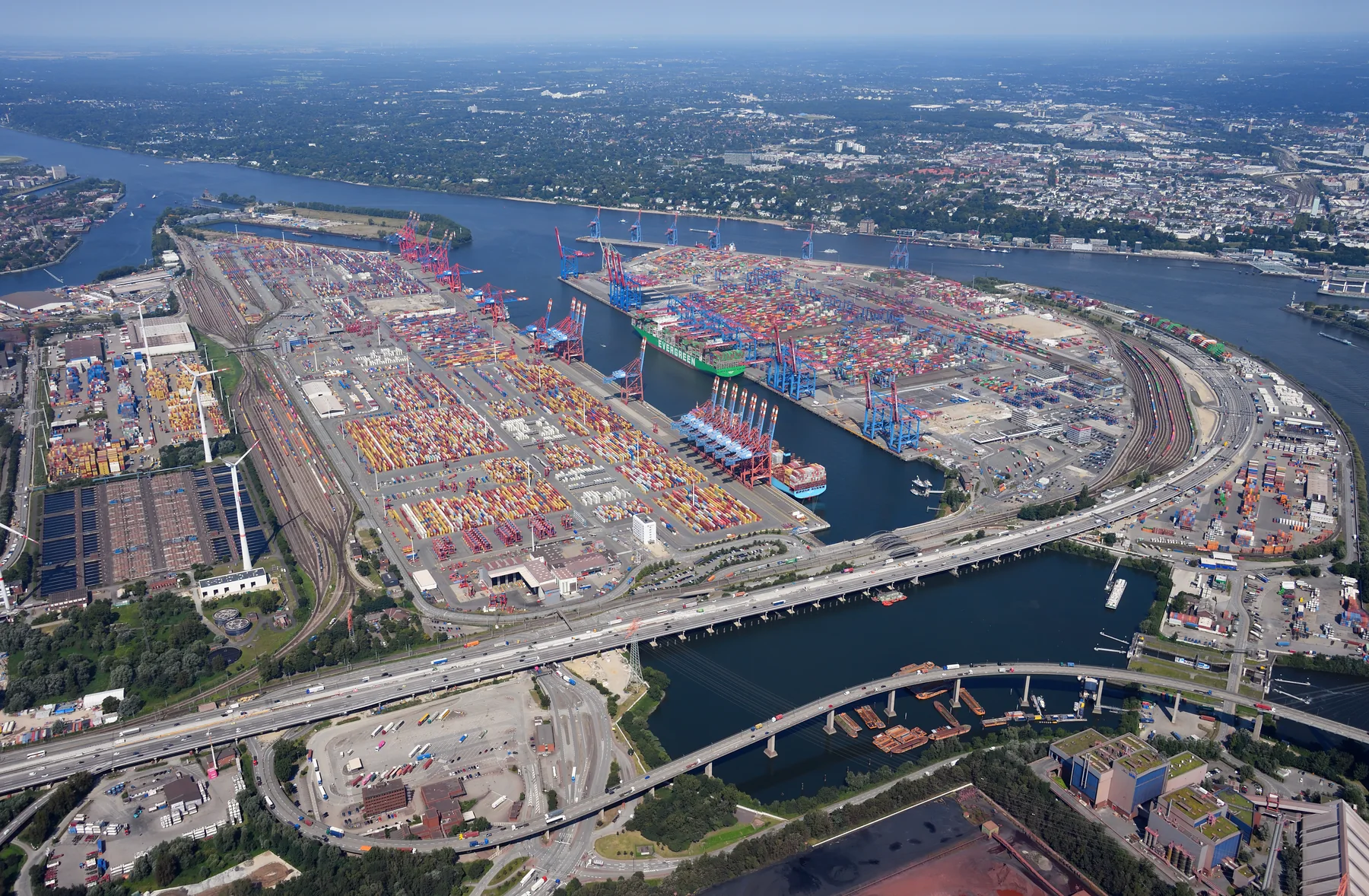 Photo: Carsten Steger · Creative Commons Attribution-ShareAlike 4.0 International (CC BY-SA 4.0) · Image resized and converted to WebP; this adaptation is shared under CC BY-SA 4.0.
Define the product decision, function and audience before opening a data request.
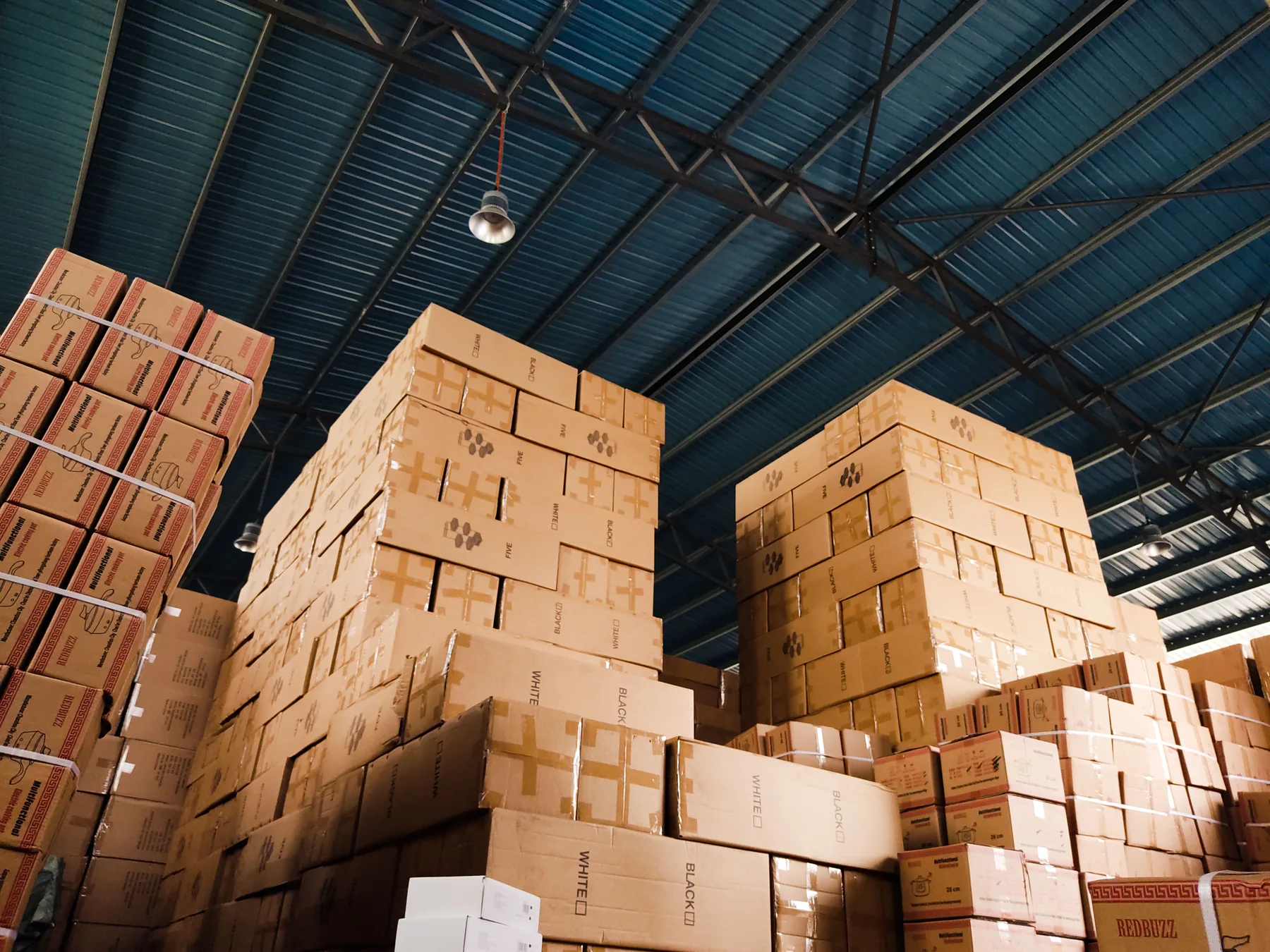 Photo: Ihsan Adityawarman · Pexels License (free commercial use) · Image resized and converted to WebP.
Sketch material, production, transport, use and end-of-life stages for one fictional product.
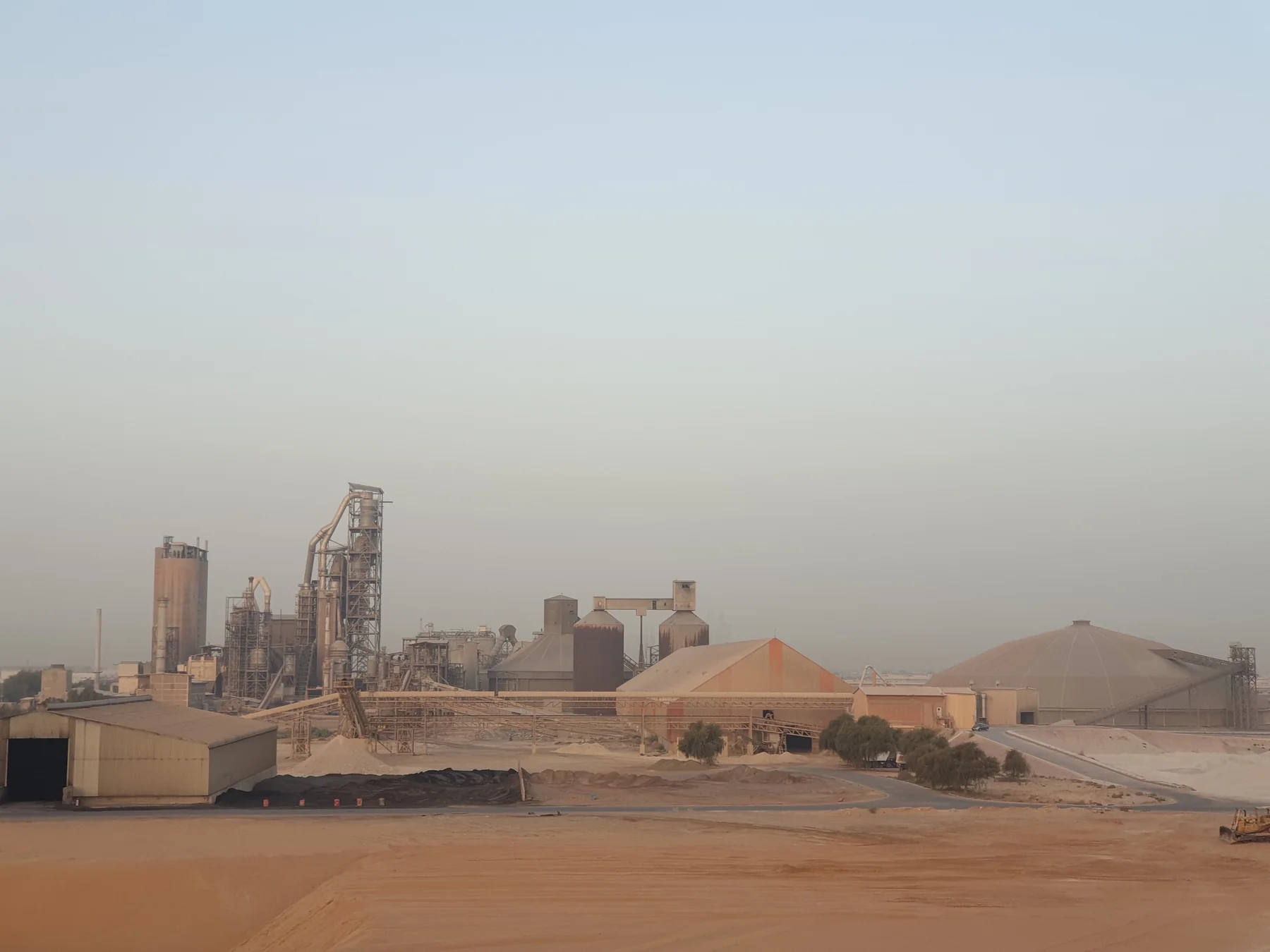 Photo: Joba Adewumi · Pexels License · Image resized and converted to WebP.
Assign owners for quantities, units, suppliers, utilities and assumptions in a starter inventory.
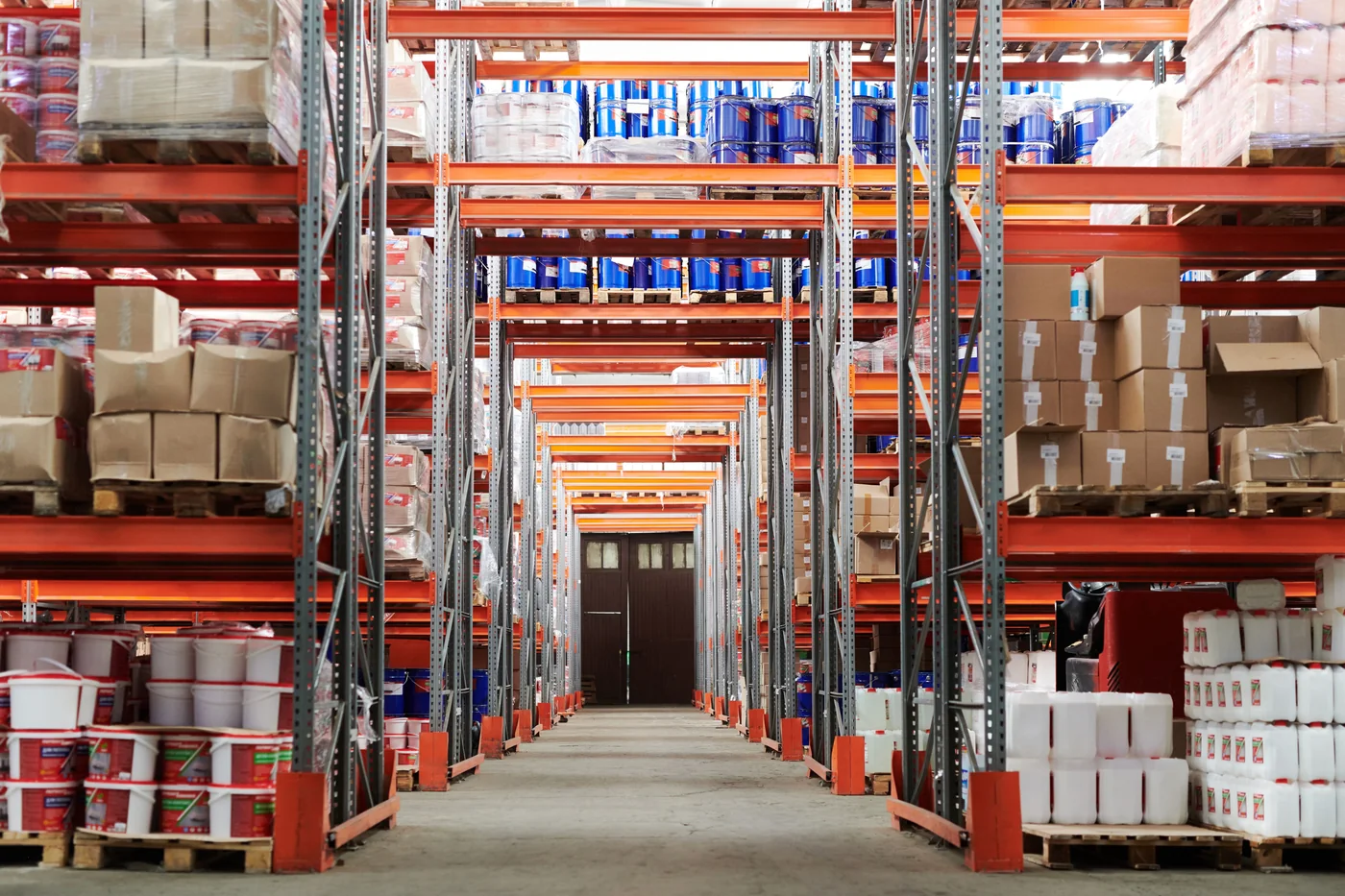 Photo: Tiger Lily · Pexels License · Image resized and converted to WebP.
Compare selected impact signals and test whether assumptions could change the priority order.
 Photo: afloresm · Creative Commons Attribution 2.0 Generic (CC BY 2.0) · Image resized and converted to WebP.
Turn learning into a proportionate workplan for expert review and future product decisions.
Human review: This is not a carbon reduction, cost saving, compliance result, certification, assurance conclusion or financing eligibility determination.
Confirm the final syllabus, duration, dates, format and fees for your manufacturing team.
