


Map supplier exposure
Create a simple supplier map that links category, location, criticality and known ESG exposure without treating spend as the only risk signal.
Supply Chain & Sustainable Procurement
This course helps Malaysian manufacturing SMEs build a practical supplier ESG process. Participants learn to map supplier exposure, screen environmental and social risks, request proportionate evidence, document review decisions and agree improvement actions. Exercises use realistic factory purchasing scenarios so procurement, operations and sustainability teams can connect supplier information with everyday sourcing decisions.

Category covers and course photos are illustrative licensed photographs, not AIGreen Plus staff, facilities or client results. Required creator and licence credits appear with each course photograph.
The Aqua Matrix compares the three connected lenses needed to turn supplier information into a careful, reviewable decision.
| Decision / evidence | Supplier screeningWho or what needs attention first | Evidence reviewWhat can be checked and traced | Corrective actionWhat improvement is agreed next |
|---|---|---|---|
| Decision question | Which relationship has material exposure or uncertainty? | Which claim has relevant supporting information? | What gap needs a specific next step? |
| Typical input | Supplier profile, category and process context | Policy, record, explanation or clarification | Gap description, owner and review checkpoint |
| Review behaviour | Prioritise proportionately and record rationale | Check scope, date, relevance and consistency | Discuss feasibility and track agreed evidence |
| Useful output | Prioritised supplier review list | Traceable evidence and open-question log | Named improvement action and follow-up record |
This matrix supports training discussion and internal prioritisation; it does not establish legal compliance, supplier certification, assurance or an automatic purchasing decision. Course content is educational; verify current requirements against the linked official sources and the organisation's circumstances.
The course teaches how to organise supplier ESG management from initial mapping through risk screening, evidence review, dialogue and follow-up. Participants practise using a proportionate assessment matrix, recording evidence gaps and designing corrective-action conversations for common manufacturing suppliers. It is intended for Malaysian SME owners, procurement teams, operations managers and sustainability coordinators who need a repeatable learning framework, not a legal determination, supplier audit, certification or assurance conclusion.
Create a simple supplier map that links category, location, criticality and known ESG exposure without treating spend as the only risk signal.
Apply a transparent screening matrix to prioritise supplier questions, evidence requests and follow-up effort for a small manufacturing portfolio.
Classify supplier responses as available, incomplete or needing clarification, then record the rationale and next question in a review log.
Draft a practical supplier improvement action with an owner, evidence checkpoint and review date while keeping expectations suitable for an SME relationship.
A fictional precision-parts factory depends on two metal finishers with different process profiles. Participants map each relationship, request focused environmental and worker evidence, compare response quality and propose a proportionate follow-up conversation rather than treating a missing document as proof of misconduct.
A sanitised packaging scenario shows how a purchasing team can connect material specifications, waste records, labour questions and management contacts in one supplier file. Learners identify duplicated questions, retain only decision-useful evidence and note which information still needs confirmation before a sourcing review.
In a fictional Malaysian electronics plant, a maintenance contractor provides a policy but no recent induction or incident follow-up record. The class writes neutral clarification questions, agrees an improvement checkpoint and records the owner, evidence expected and review decision in a simple action log.
This is an explicitly fictional learning example, not client results, a benchmark or a performance claim.
Stated basis: 15 requested records across a fictional quarterly supplier review · 12 ÷ 15 and 9 ÷ 15.
Absolute difference: 20 percentage points. This is a comparison of the stated exercise values, not proof of improvement.
The simple comparison shows how many requested records are documented in each review snapshot; it does not explain why gaps exist or predict supplier performance.
This exercise is not a supplier audit, legal compliance determination, certification, assurance conclusion or financing eligibility assessment.
Final depth, exercises and delivery details are confirmed with AIGreen Plus before delivery.
On a small screen, scroll horizontally inside the course-outline table.
| Module | Focus | Key points | Practice |
|---|---|---|---|
| 01Supply Chain ESG Scope | Define what supplier ESG management covers and connect upstream environmental, people and governance information to factory purchasing decisions. |
| Using a fictional metal-parts factory, mark which purchased materials, contractors and logistics providers belong in the first review. |
| 02Supplier Portfolio Mapping | Turn a purchasing list into a decision-ready map using supplier criticality, spend context, process characteristics and available ESG information. |
| Map twelve sanitised suppliers for a fictional electronics assembler and flag three relationships needing better information before scoring. |
| 03Risk-Based Screening | Use a transparent screening matrix to prioritise questions without presenting a training score as a legal threshold or final supplier judgement. |
| Compare two fictional plating suppliers using process hazards, workforce indicators, policy evidence and relationship criticality in a four-column matrix. |
| 04Supplier Evidence Requests | Design proportionate requests that ask for useful records, explain purpose and protect confidential information while avoiding unnecessary questionnaire burden. |
| Rewrite an overly broad questionnaire into six evidence requests for a fictional packaging supplier, including a contact and response note. |
| 05Evidence Review and Scoring | Practise checking completeness, relevance and consistency of supplier evidence before recording a review outcome or asking for clarification. |
| Review a fictional supplier folder containing a policy, training log and waste record, then classify each item and write two clarifying questions. |
| 06Supplier Engagement | Use constructive dialogue to explain expectations, understand constraints and agree a next step without promising acceptance, business or compliance outcomes. |
| Role-play a buyer and small supplier discussing missing worker training records while preserving a respectful, evidence-led conversation. |
| 07Corrective Action Follow-Up | Translate material evidence gaps into practical improvement actions, checkpoints and escalation choices that fit an SME supplier relationship. |
| Build a three-step improvement plan for a fictional chemical supplier missing emergency preparedness records and contractor induction evidence. |
| 08Supplier Governance Loop | Create a repeatable review cycle that keeps supplier records, decisions, improvement actions and management reporting connected over time. |
| Design a quarterly review board for a fictional Malaysian component maker with three owners, four evidence fields and one escalation trigger. |
This is a proposed course design for practical learning, not a claim of proven superiority or guaranteed supplier, compliance or business results.
| Focus | Proposed approach | Factory relevance |
|---|---|---|
| Factory-first scope | Use Malaysian SME purchasing and production scenarios to define a manageable first supplier boundary. | Teams can connect supplier questions with material, process and continuity decisions they already understand. |
| Evidence-led review | Practise a simple log that distinguishes a policy, a record, a claim and an unresolved evidence gap. | Clearer records make follow-up more consistent without implying that classroom review is an audit. |
| Proportionate engagement | Use risk and relationship context to tailor questions, sequencing and supplier conversations. | An SME can focus scarce time on material concerns while keeping dialogue workable for smaller suppliers. |
| Action loop | Finish with owners, checkpoints and a decision trail for improvement actions rather than a static scorecard. | Participants leave with a repeatable management routine that can be reviewed and refined internally. |
It is a structured way to understand relevant environmental, people and governance information about suppliers, record supporting evidence and decide what needs clarification or improvement. The course focuses on proportionate internal learning tools, not a universal score or legal conclusion.
Not necessarily. A practical process can use supplier category, process exposure, criticality, relationship context and available information to decide where deeper questions are useful. The rationale should be documented so different reviewers apply the approach consistently.
Examples include relevant policies, training or induction records, environmental records, permits or licences where appropriate, incident follow-up, management contacts and explanations of controls. Requests should match the decision being made and respect confidentiality and the supplier's context.
No. A questionnaire records what a supplier reports and what evidence is provided at a point in time. It may identify follow-up needs, but it does not replace a qualified legal review, site audit, certification process, assurance engagement or other appropriate verification.
Start with clear, decision-useful questions and invite an explanation of current practice, available records and constraints. The buyer can agree a feasible improvement checkpoint while documenting what remains unknown. Missing paperwork should not automatically be treated as proof of harmful conduct.
Supplier review can include questions about worker treatment, working conditions, grievance routes and management practices where those issues are relevant. The course teaches respectful evidence-led dialogue and escalation; it does not make a finding about workers at any real supplier.
A score can help organise attention, but it should not replace context, evidence review, commercial judgement or appropriate escalation. Participants learn to document the reasoning behind prioritisation and improvement actions rather than treating a classroom score as an automatic purchasing rule.
Record the request, contact, scope and response status, then use a proportionate follow-up route with a clear owner and review point. The next step may be clarification, a revised request or internal escalation; the course does not prescribe a legal remedy or business outcome.
No. It is proposed training with fictional exercises and participant work outputs. Those outputs can support internal discussion and planning, but they are not an independent audit, certification, assurance opinion, customer approval or statement that a company meets a particular requirement.
The course page describes the proposed learning content only. Scope, delivery format, duration and fees should be confirmed directly with AIGreen Plus because they are not established by this content. No funding, certificate or outcome claim is implied.
ESG Supply Chain Management and Supplier Assessment — proposed practice flow; people remain responsible for evidence, decisions and any operational change.
 Photo: Ihsan Adityawarman · Pexels License (free commercial use) · Image resized and converted to WebP.
Build a first supplier boundary around categories, criticality and known ESG exposure.
 Photo: Joba Adewumi · Pexels License · Image resized and converted to WebP.
Apply agreed screening questions to decide where evidence requests should start.
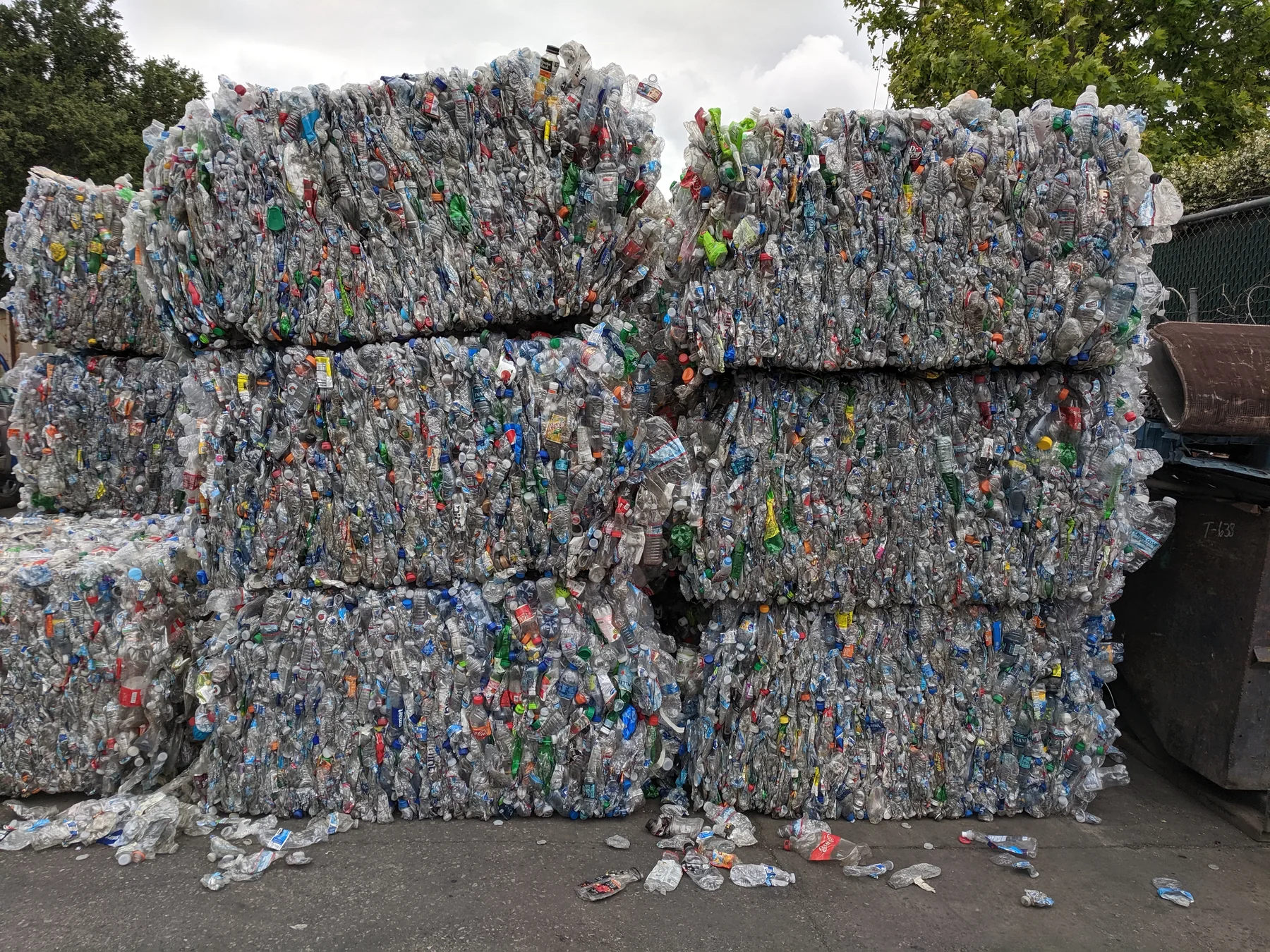 Photo: Grendelkhan · CC BY-SA 4.0 · Image resized and converted to WebP; this adaptation is shared under CC BY-SA 4.0.
Check supplier responses for relevance, completeness and traceability before recording a review view.
 Photo: Tiger Lily · Pexels License · Image resized and converted to WebP.
Discuss material gaps with suppliers and agree feasible actions, owners and checkpoints.
 Photo: afloresm · Creative Commons Attribution 2.0 Generic (CC BY 2.0) · Image resized and converted to WebP.
Review new evidence, update the decision trail and improve the next assessment cycle.
Human review: This exercise is not a supplier audit, legal compliance determination, certification, assurance conclusion or financing eligibility assessment.
Confirm the final syllabus, duration, dates, format and fees for your manufacturing team.
