


Plan a risk-based audit
Plan risk-based supplier audits by defining scope, priority suppliers, criteria, sampling, interview routes and a practical evidence request before contacting a supplier.
Supply Chain & Sustainable Procurement
Practical course content for Malaysian manufacturing SMEs to plan proportionate ESG supplier audits, review documents and interviews, record evidence, assess findings, and manage corrective actions. Participants practise risk-based supplier selection, respectful audit conversations, root-cause analysis, action ownership and follow-up verification while distinguishing training exercises from independent audits, certification, assurance or legal advice.

Category covers and course photos are illustrative licensed photographs, not AIGreen Plus staff, facilities or client results. Required creator and licence credits appear with each course photograph.
A supplier review becomes useful when screening, evidence and corrective action are connected without confusing a learning exercise with an assurance conclusion.
| Decision / evidence | Supplier screeningDecide where attention is most needed | Audit evidenceTest what can be supported | Corrective actionAddress the issue and its cause |
|---|---|---|---|
| Primary question | Where could harm or control failure matter most? | What can be supported by records, observation or interview? | What change addresses the issue and its cause? |
| Typical input | Supplier profile, process, geography, materials and prior signals. | Policies, logs, samples, site notes and accounts. | Containment, root cause, owner, deadline and verification test. |
| Decision | Set review priority and proportionate scope. | Describe finding and evidence limits. | Track, verify, extend, escalate or close. |
| Avoid | Equal effort for every supplier. | Treating a document as proof of practice. | Closing on a promise without effectiveness evidence. |
This matrix is a learning aid; audit scope, criteria, access, worker safeguards and any legal or customer requirements must be confirmed for the actual supplier and engagement. Course content is educational; verify current requirements against the linked official sources and the organisation's circumstances.
This course teaches Malaysian manufacturing procurement, quality, sustainability and operations teams how to prepare a supplier audit, set an evidence trail, test social, environmental and governance controls, classify findings and agree proportionate corrective actions. Participants practise a sanitised factory supply-chain case, create an action tracker and review closure evidence. It serves SMEs building repeatable supplier oversight without assuming a particular scheme, legal outcome, certification or audit result; confirm final scope, format, duration and fees by enquiry.
Plan risk-based supplier audits by defining scope, priority suppliers, criteria, sampling, interview routes and a practical evidence request before contacting a supplier.
Conduct evidence-led review exercises that triangulate policies, records, observations and worker or management perspectives while recording scope, dates, sources, limitations and open questions.
Classify findings and build corrective action records with clear issue statements, containment, root cause, owner, due date, support needs and verification criteria.
Review closure and escalation decisions using risk, affected people, repeat findings and evidence quality, distinguishing course practice from independent audit, assurance, certification or legal advice.
A fictional Malaysian metal-parts SME receives supplier questionnaires, chemical inventory records and working-hours summaries from three vendors. Learners rank the vendors, choose a sample, identify missing evidence and prepare respectful interview questions. The exercise ends with a short finding that states the observed condition, source, affected process and follow-up needed without declaring a legal breach.
In a fictional electronics assembly case, an audit finds incomplete emergency-drill records and inconsistent contractor induction. Participants separate immediate containment from root-cause analysis, assign a supplier owner, set verification evidence and define an escalation trigger. They then review a mock follow-up pack to decide whether the action is ready for closure or needs more work.
A sanitised procurement team reviews four quarters of supplier findings covering wastewater logs, overtime documentation, grievance access and conflict-of-interest declarations. Learners trend recurrence, compare evidence quality, discuss supplier support and draft a governance improvement. The output is a review-ready action summary, not an assurance opinion, certification or performance claim.
This is a fictional learning example, not client results.
Stated basis: Defined sample of 100 required evidence items reviewed for a fictional supplier case · 72 ÷ 100 and 90 ÷ 100.
Absolute difference: 18 percentage points. This is a comparison of the stated exercise values, not proof of improvement.
The comparison shows a larger share of the defined evidence sample available at follow-up; it does not establish control effectiveness, impact improvement or a supplier performance result.
This fictional completeness exercise is not an audit opinion, legal compliance conclusion, certification, assurance, carbon reduction, cost saving or financing eligibility.
Final depth, exercises and delivery details are confirmed with AIGreen Plus before delivery.
On a small screen, scroll horizontally inside the course-outline table.
| Module | Focus | Key points | Practice |
|---|---|---|---|
| 01Supplier Audit Purpose and Boundaries | Clarify how supplier auditing supports ESG due diligence, what an audit can reveal, and where training stops short of independent assurance, certification or legal conclusions. |
| Map a fictional Malaysian metal-parts supplier, its processes, subcontractors and ESG risk questions; then set a proportionate audit boundary and evidence request. |
| 02Risk-Based Supplier Prioritisation | Use business context, potential impact, supplier dependency and available information to prioritise audit attention instead of treating every supplier as equally risky. |
| Prioritise three fictional suppliers using a simple risk grid, explain missing-data assumptions, and select one for a focused evidence-led review. |
| 03Audit Criteria and Evidence Plan | Translate ESG expectations into auditable criteria, sampling questions and evidence requests that are understandable to a smaller Malaysian manufacturing supplier. |
| Draft an evidence matrix for fictional chemical storage, working-hours and waste records, naming sources, samples, owners and questions for each criterion. |
| 04Interview, Observation and Record Review | Practise respectful interviews and site observations that triangulate supplier records with lived working conditions, operational controls and management explanations. |
| Role-play a supplier interview about overtime records and waste segregation, then reconcile two conflicting documents with an observation note and follow-up question. |
| 05Findings and Severity | Turn evidence into clear findings by describing the condition, criterion, impact, evidence strength and risk without overstating legal or compliance conclusions. |
| Classify fictional findings on machine guarding, wage records and wastewater logs, citing evidence strength and escalation rationale without declaring a legal breach. |
| 06Corrective Action Design | Build corrective actions that address immediate containment and underlying causes, assign realistic owners, and respect supplier capacity without lowering the expected control. |
| Convert a fictional missing emergency-training record into containment, root-cause questions, an owner-led corrective action, deadline and evidence of completion. |
| 07Follow-Up and Closure | Review action progress and closure evidence through risk-based follow-up, testing whether controls work in practice rather than accepting a document alone. |
| Review a fictional supplier's revised chemical inventory, training log and worker feedback, then decide whether to close, extend or escalate one action. |
| 08Governance, Records and Improvement | Embed supplier-audit learning into governance by tracking trends, protecting records, escalating repeated issues and improving criteria, engagement and procurement decisions. |
| Aggregate fictional quarterly findings across four suppliers, identify a recurring control weakness, and propose one governance change with an evidence owner. |
This proposed course uses risk maps, evidence matrices and action reviews for supplier-audit learning; it describes course design, not proven superiority or guaranteed results.
| Focus | Proposed approach | Factory relevance |
|---|---|---|
| Risk-based audit planning | Use a prioritisation canvas linking supplier context, potential impact, leverage and evidence quality before selecting audit depth. | Smaller manufacturers can focus limited review time and avoid treating every supplier as identical. |
| Evidence triangulation | Pair documents with observations and respectful interviews, logging source, period, scope and limitations in a simple evidence matrix. | Teams see where a policy is supported in practice and where follow-up is needed. |
| Corrective action discipline | Separate containment, root cause, action owner, due date and effectiveness check in a supplier action record. | Findings become trackable commitments rather than vague requests to improve. |
| Constructive escalation | Use risk, recurrence, affected people and response quality to decide support, extension, escalation or follow-up review. | Procurement and operations can respond proportionately while keeping worker and environmental concerns visible. |
It covers risk-based supplier selection, audit scoping, evidence requests, interviews and observations, finding classification, corrective-action design, follow-up verification and governance records. The course uses fictional or approved sanitised factory cases so participants practise a repeatable process without representing a live audit, assurance engagement or certification.
It is designed for procurement, sourcing, quality, environmental, sustainability and operations roles in Malaysian manufacturing SMEs. Owners and cross-functional managers can use the exercises to clarify supplier priorities, evidence responsibilities, escalation routes and follow-up decisions without needing to be professional auditors.
No particular audit scheme is assumed. A participant may compare an organisation's customer or supplier requirements with the course framework, but actual SMETA use, scope, membership and auditor arrangements require confirmation from Sedex and the relevant parties.
Useful materials may include supplier lists, onboarding criteria, policies, training records, working-hours summaries, environmental logs, prior findings and action trackers. Bring only organisation-approved information, with personal, confidential, proprietary and commercially sensitive details removed or protected; fictional or sanitised records are suitable.
Learners separate facts, source, date, affected process and evidence strength, then consider severity, potential impact, recurrence and escalation. The course does not determine a legal breach or customer rating; actual criteria and qualified review must be applied to the relevant supplier and jurisdiction.
A practical record can state the finding, immediate containment, suspected or tested root cause, action owner, due date, support needed, escalation trigger and verification evidence. Participants practise wording that is specific and respectful, while avoiding promises about supplier performance or guaranteed closure.
Exercises use respectful, non-leading questions and emphasise privacy, consent, safety and non-retaliation. Participants practise recording accounts alongside documents and observations without assuming intent. A real engagement needs suitable safeguards, permissions, competent reviewers and any applicable local requirements confirmed before interviews occur.
No. It is proposed educational content with fictional or sanitised exercises. It does not provide an independent site audit, assurance opinion, certification, legal conclusion or customer acceptance. Organisations should appoint an appropriately qualified and independent party when their requirements call for a formal engagement.
Exercises produce a supplier audit brief, risk grid, evidence matrix, finding note, corrective action register and follow-up decision log. These are learning outputs that can be adapted to an organisation's controls and approvals; they are not evidence that a supplier passed an audit or improved performance.
Dates, delivery format, duration and fees are not fixed in this draft. Ask for the current syllabus, participant materials, preparation requirements and proposed scope; do not send confidential supplier records until an approved, secure learning arrangement is confirmed.
ESG Supplier Auditing and Corrective Action Management — proposed practice flow; people remain responsible for evidence, decisions and any operational change.
 Photo: Carsten Steger · Creative Commons Attribution-ShareAlike 4.0 International (CC BY-SA 4.0) · Image resized and converted to WebP; this adaptation is shared under CC BY-SA 4.0.
Define supplier, site, process, period, criteria and access boundaries before review.
 Photo: Ihsan Adityawarman · Pexels License (free commercial use) · Image resized and converted to WebP.
Rank suppliers and issues using potential impact, exposure, leverage, recurrence and evidence quality.
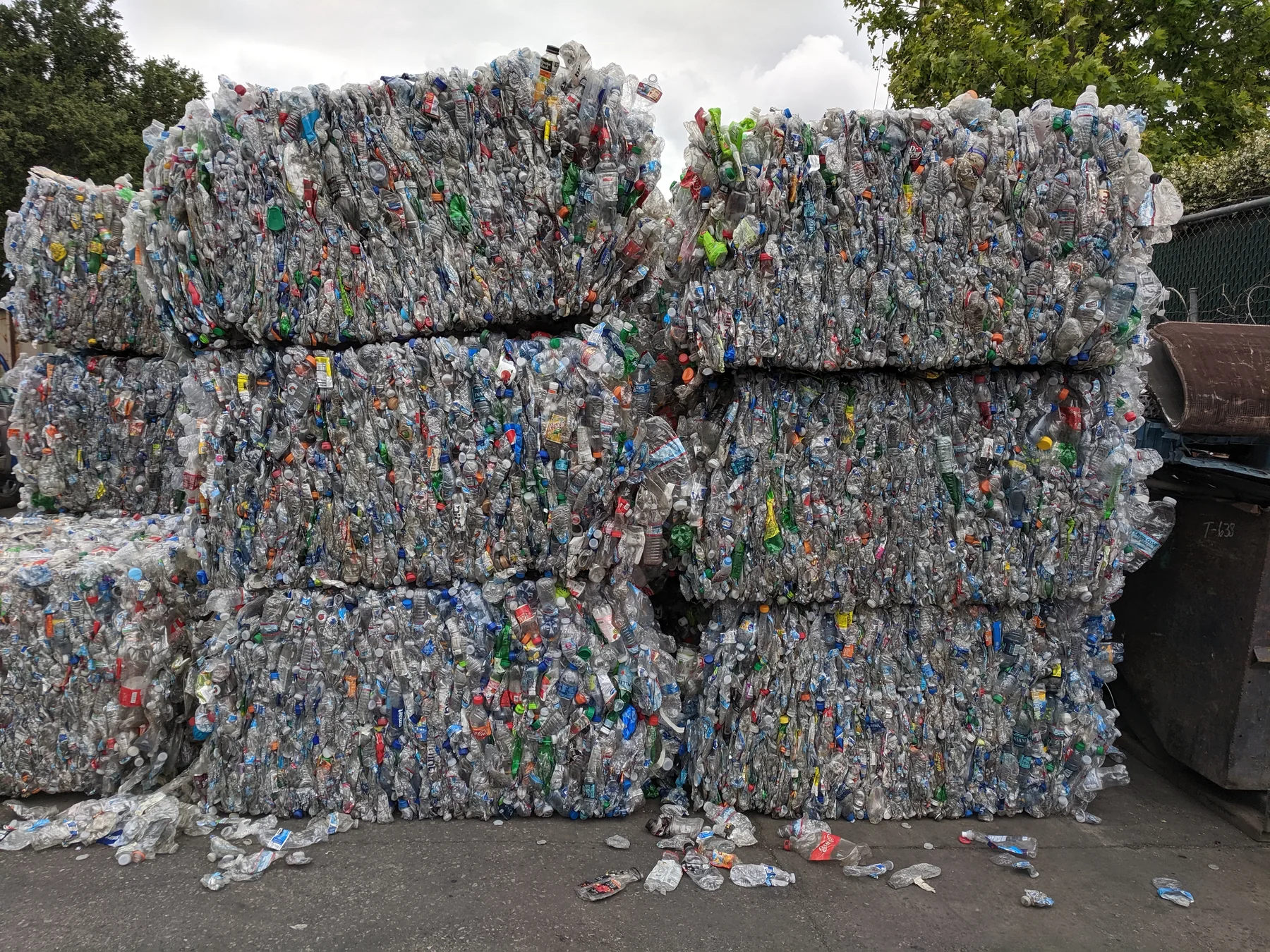 Photo: Grendelkhan · CC BY-SA 4.0 · Image resized and converted to WebP; this adaptation is shared under CC BY-SA 4.0.
Triangulate records, observations and interviews while recording source, date, sample and limitation.
 Photo: Tiger Lily · Pexels License · Image resized and converted to WebP.
Turn findings into containment, root-cause questions, owners, deadlines, support and verification criteria.
 Photo: afloresm · Creative Commons Attribution 2.0 Generic (CC BY 2.0) · Image resized and converted to WebP.
Review completion and effectiveness, then document closure, extension, escalation or follow-up review.
Human review: This fictional completeness exercise is not an audit opinion, legal compliance conclusion, certification, assurance, carbon reduction, cost saving or financing eligibility.
Confirm the final syllabus, duration, dates, format and fees for your manufacturing team.
