


Map fair-treatment risks
Map where recruitment, allocation, promotion and discipline decisions can create unequal treatment, then document a neutral review question and the evidence needed to examine it.
Social Compliance & Human Rights
This course helps Malaysian manufacturing SMEs turn workplace diversity, equity, inclusion and anti-harassment principles into practical people-process controls. Participants examine fair hiring and progression, respectful supervisor conduct, accessible reporting, non-retaliation, investigation boundaries and evidence review. Factory scenarios connect policy language to shift teams, migrant and contract workers, recruitment records and everyday management decisions.
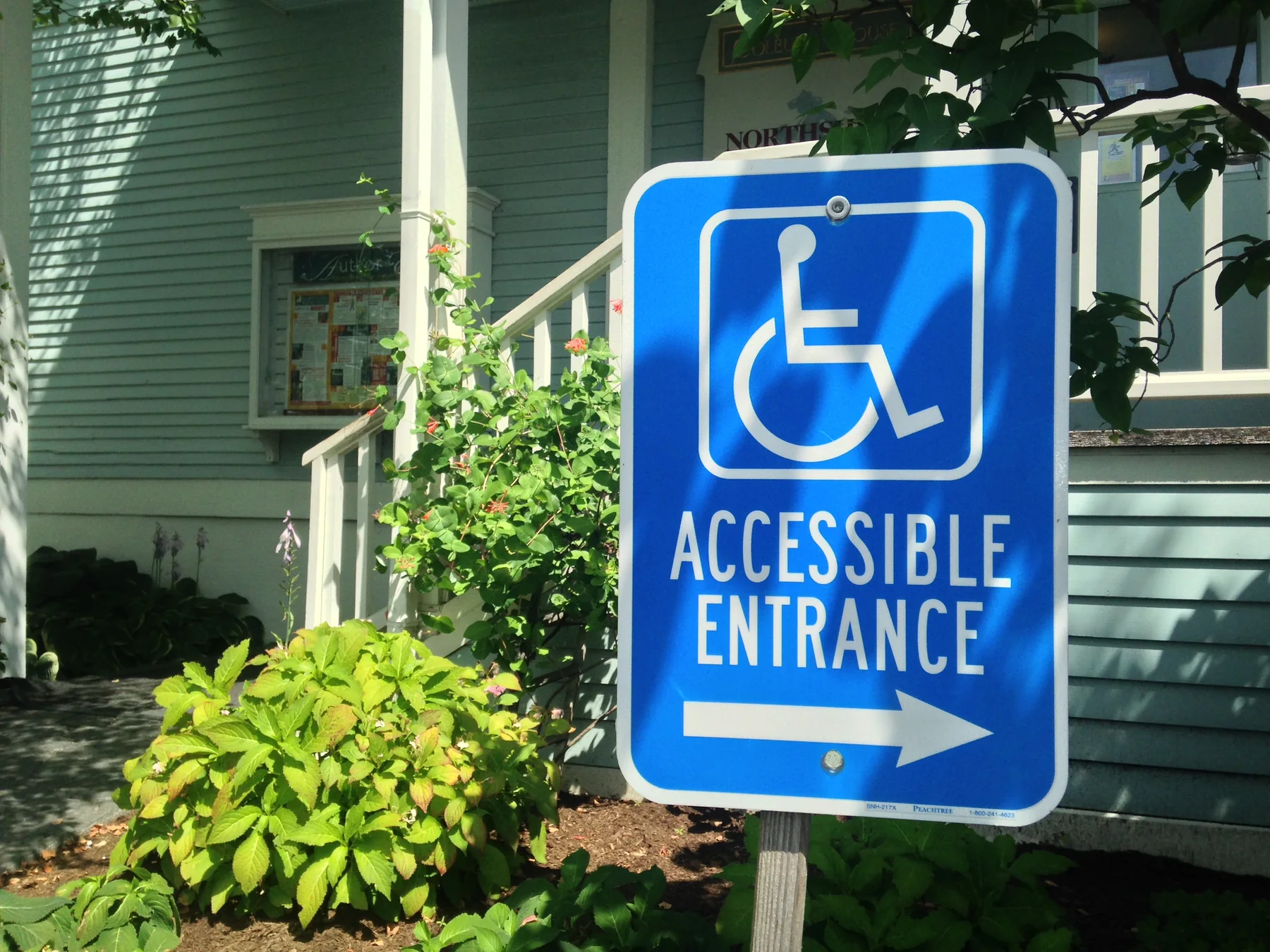
Category covers and course photos are illustrative licensed photographs, not AIGreen Plus staff, facilities or client results. Required creator and licence credits appear with each course photograph.
The matrix separates what a factory promises, what workers experience and what a responsible review can document.
| Decision / evidence | Policy baselineWhat the factory says | Daily practiceWhat people experience | Response evidenceWhat is recorded and reviewed |
|---|---|---|---|
| Fair opportunity | Clear criteria for hiring and progression | Access across shifts and worker groups | Criteria, reasons and review record |
| Respectful conduct | Behaviour expectations and examples | Supervisor language and boundary-setting | Concern intake and support notes |
| Accessible voice | Reporting routes and confidentiality limits | Language, shift and disability access | Channel use, response and follow-up log |
| Corrective learning | Owner and escalation pathway | Feedback and consistent follow-through | Action, review date and closure evidence |
The matrix helps structure discussion; it cannot determine whether conduct is unlawful, prove a complaint or replace a qualified investigation. Course content is educational; verify current requirements against the linked official sources and the organisation's circumstances.
It teaches owners, HR teams, supervisors and worker representatives how to recognise exclusionary practices, distinguish inappropriate conduct from a reportable concern, and design a safe, documented response pathway. Learners practise reviewing recruitment, promotion, grievance and training evidence; mapping responsibility; and choosing proportionate follow-up for a Malaysian manufacturing SME. It is an educational course, not legal advice, an investigation, certification, assurance engagement, or guaranteed workplace outcome.
Map where recruitment, allocation, promotion and discipline decisions can create unequal treatment, then document a neutral review question and the evidence needed to examine it.
Distinguish a concern, a policy breach and an emergency escalation while preserving confidentiality, avoiding retaliation and referring legal questions to an appropriately qualified person when needed.
Draft a clear reporting and support pathway that names accessible channels, responsible roles, intake records, response time expectations and safeguards without promising a particular case outcome.
Use a simple evidence checklist to review training, workforce voice, case handling and corrective-action records, then identify one controlled improvement for a guided classroom discussion.
A fictional Malaysian food-processing SME notices that a daytime briefing reaches only one shift. In the exercise, participants map notice channels, language needs, contract-worker access and attendance evidence. They propose a repeatable communication check and a named owner, while avoiding assumptions about who is excluded or treating the classroom exercise as proof of workplace improvement.
In a sanitised metal-parts scenario, a worker reports repeated comments during a handover. Learners separate immediate support, factual intake, confidentiality limits, record preservation and escalation. They practise a neutral response script and decide which questions belong with a designated process owner, without judging the allegation or promising a finding.
A fictional electronics assembler reviews anonymised training invitations and promotion criteria across three teams. Participants compare written requirements with informal explanations, identify missing evidence and design a fair-review checklist. The exercise focuses on process consistency and worker voice; it does not calculate a diversity result or represent legal compliance, certification or client performance.
This is a fictional learning example, not client results.
Stated basis: Twenty selected DEI and anti-harassment control records reviewed using the same checklist · 18 ÷ 20 and 14 ÷ 20.
Absolute difference: 20 percentage points. This is a comparison of the stated exercise values, not proof of improvement.
The exercise compares the proportion of sampled records with visible evidence before and after a hypothetical review; it does not show training impact.
The calculated completeness is not a measure of discrimination or harassment reduction, legal compliance, certification, assurance, financing eligibility or cost savings.
Final depth, exercises and delivery details are confirmed with AIGreen Plus before delivery.
On a small screen, scroll horizontally inside the course-outline table.
| Module | Focus | Key points | Practice |
|---|---|---|---|
| 01DEI Foundations for a Factory | Define diversity, equity, inclusion and anti-harassment in workplace terms, then connect them to respectful decisions across shifts, departments and employment relationships. |
| A fictional electronics plant maps who speaks in toolbox meetings across shifts and identifies practical questions for an inclusive participation review. |
| 02Fair Hiring and Progression | Examine job descriptions, shortlisting, interviews and progression decisions for consistent criteria, documented reasons and reasonable access to opportunities across factory roles and shifts. |
| A sanitised packaging-line vacancy is scored against two fictional candidate profiles to test consistent criteria and accessible interview arrangements for applicants. |
| 03Equity in Daily Work | Explore shift allocation, overtime, training access, accommodation and voice mechanisms as everyday decisions that can widen or narrow fair participation. |
| A fictional metalworks team compares training invitations across shifts, then redesigns the notice and sign-up process for equal access during peak production. |
| 04Recognising Harassment and Harm | Practise recognising verbal, physical, sexual, psychological and online conduct concerns while avoiding assumptions about intent, impact, status or evidence at work. |
| A fictional supervisor receives a corridor comment and a group-chat complaint; learners separate facts, support needs and questions for designated intake. |
| 05Reporting, Support and Non-Retaliation | Design reporting channels that are accessible, confidential within defined limits and responsive to language, disability, shift and contract-worker realities in practice. |
| A fictional factory creates a bilingual reporting map with an after-shift option, a backup contact and a secure intake log. |
| 06Fair Case Handling | Learn a proportionate, impartial workflow for receiving concerns, preserving records, separating support from fact-finding and tracking agreed follow-up with clear role boundaries. |
| A sanitised case timeline is reordered to identify missing intake, support, evidence-preservation and follow-up steps without deciding what actually occurred. |
| 07Inclusive Supervisory Practice | Translate respectful-workplace principles into daily toolbox talks, feedback, scheduling, language access and consistent responses to boundary-setting across production teams and contractors. |
| A fictional supervisor revises a shift briefing after a worker raises a joke-related concern, adding plain-language expectations and a safe route to speak. |
| 08Evidence Review and Action Planning | Build a practical review pack using anonymised workforce, training, grievance and response evidence, then choose a measurable next discussion point. |
| A fictional SME reviews an anonymised evidence register, marks three missing control records and drafts one owner-led follow-up for the learning session. |
AIGreen Plus's proposed course design uses sanitised factory scenarios and evidence exercises; it does not claim superiority, legal sufficiency or guaranteed results.
| Focus | Proposed approach | Factory relevance |
|---|---|---|
| Shift-aware scenarios | Use multilingual, multi-shift vignettes for hiring, briefings and reporting decisions. | Manufacturing work happens across teams, contractors and schedules, so access should be examined in context. |
| Process-to-evidence practice | Pair each principle with a small checklist for records, owners and review questions. | Participants can discuss what a fair process would leave behind without treating records as proof by themselves. |
| Response-boundary rehearsal | Rehearse supportive intake, confidentiality limits, non-retaliation language and escalation boundaries. | Supervisors learn to respond responsibly without becoming investigators or making unsupported promises. |
| Human-centred safeguards | Use anonymised case handling and worker-voice activities that minimise unnecessary personal detail. | Sensitive learning can protect dignity while surfacing practical access and reporting barriers. |
Here, inclusion means people can participate, be heard and access relevant opportunities without being sidelined by shift, language, disability, contract status or hierarchy. The course turns that idea into questions about meetings, notices, training, reporting routes and day-to-day supervisory decisions.
No. It is proposed educational training with fictional exercises and evidence checklists. It does not give legal advice, decide whether conduct is unlawful, investigate a live complaint, provide certification or assurance, or replace a qualified person or the factory's established process.
The ILO text describes discrimination as distinctions, exclusions or preferences that impair equality of opportunity or treatment in employment or occupation, while noting inherent job requirements. The course uses that educational framing, not a determination of Malaysian legal applicability.
The ILO's Convention 190 topic page explains that the convention recognises a right to a world of work free from violence and harassment, including gender-based violence and harassment. The course uses this as an educational anchor and does not claim local legal coverage.
They can practise a safe first response: listen without promising an outcome, check immediate support or safety needs, record only necessary facts, explain confidentiality limits and refer the matter through the designated pathway. They should not privately investigate or retaliate against a reporter.
Set expectations honestly: information is shared only with people who need it for the defined process, subject to safety and legal requirements confirmed by qualified advisers. Limit access, store records securely, avoid gossip and never promise absolute secrecy.
Useful preparation may include conduct and grievance policies, reporting contacts, anonymised training or communication records, role descriptions and a blank evidence register. Do not bring identifiable complaint details into class; use sanitised examples and follow the factory's privacy controls.
Not necessarily. The course distinguishes consistent decision criteria from practical access support. Participants examine whether requirements are genuinely relevant, whether workers can participate and whether adjustments are documented fairly, while leaving legal judgments and individual decisions to appropriate qualified processes.
The examples can include contract, migrant and multilingual worker contexts as learning scenarios. The course asks how notices, reporting routes, support and worker voice are accessible, but it does not make assumptions about any individual or claim to resolve immigration, employment or legal issues.
AIGreen Plus can confirm current course scope, delivery format, duration and fees through a separate enquiry. This course description does not promise dates, venues, funding eligibility, certificates, attendance outcomes or any particular workplace result or qualification.
Workplace Diversity, Equity, Inclusion and Anti-Harassment — proposed practice flow; people remain responsible for evidence, decisions and any operational change.
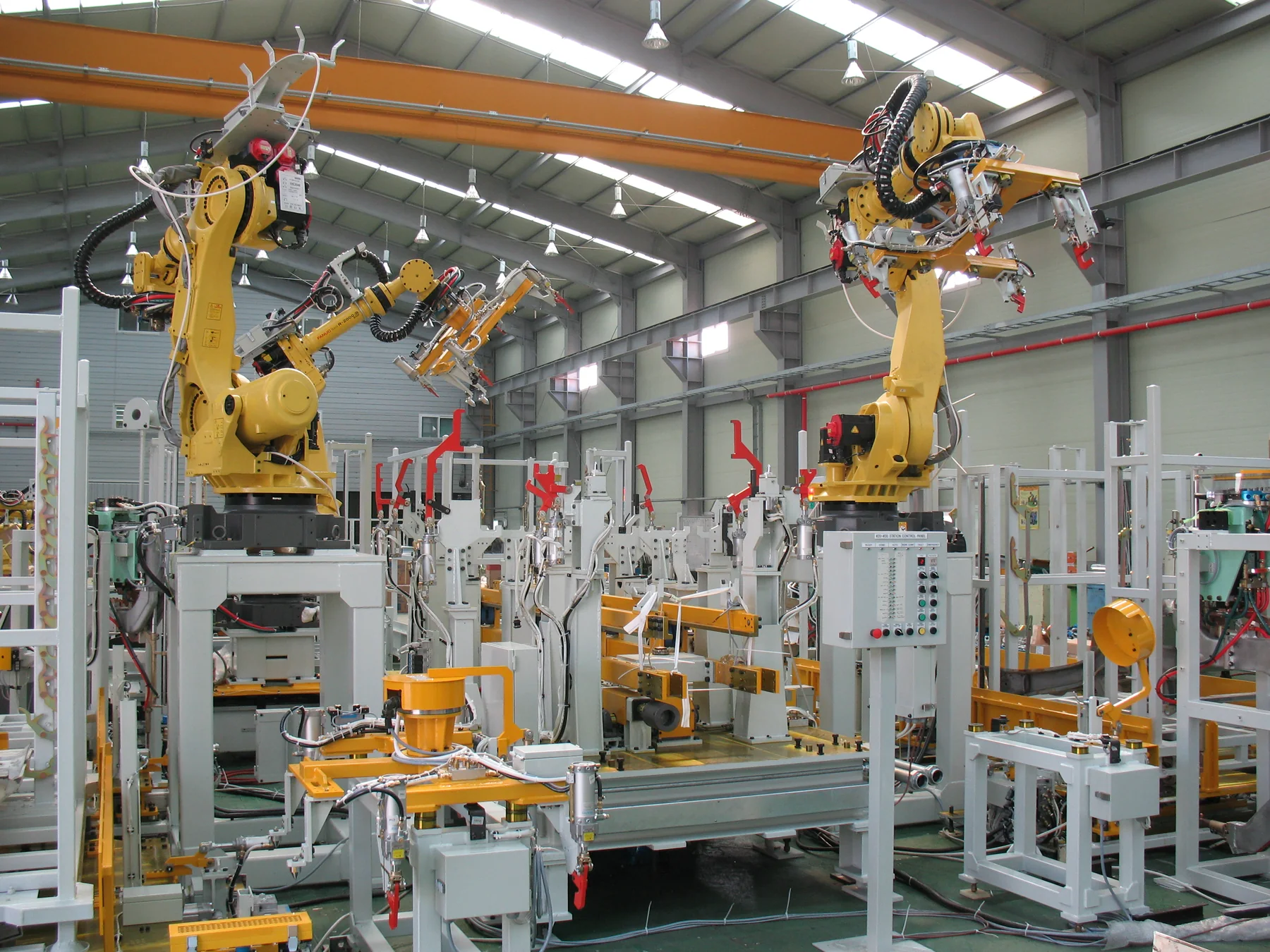 Photo: Mixabest · Creative Commons Attribution-ShareAlike 3.0 Unported (CC BY-SA 3.0) · Image resized and converted to WebP; this adaptation is shared under CC BY-SA 3.0.
Clarify respectful-workplace principles, scope and safe-learning boundaries.
 Photo: Wolfgang Weiser · Pexels License (free use) · Image resized and converted to WebP.
Trace where hiring, scheduling, progression and daily supervision decisions occur.
 Photo: Jamain · Creative Commons Attribution-ShareAlike 4.0 International (CC BY-SA 4.0) · Image resized and converted to WebP; this adaptation is shared under CC BY-SA 4.0.
Review whether workers can hear expectations, raise concerns and access support.
 Photo: ClickerHappy · Pexels License · Image resized and converted to WebP.
Practise factual intake, support, confidentiality and escalation without pre-judging.
 Photo by CEphoto, Uwe Aranas · CC BY-SA 3.0Photo: CEphoto, Uwe Aranas · CC BY-SA 3.0 · Image resized and converted to WebP; this adaptation is shared under CC BY-SA 3.0.
Select a small improvement and agree how its evidence will be revisited.
Human review: The calculated completeness is not a measure of discrimination or harassment reduction, legal compliance, certification, assurance, financing eligibility or cost savings.
Confirm the final syllabus, duration, dates, format and fees for your manufacturing team.
