


Frame OSH for ESG
Explain how leadership, worker participation, hazard prevention and health protection contribute to the People dimension of ESG while keeping training language separate from certification or assurance claims.
Social Compliance & Human Rights
Designed for Malaysian manufacturing SMEs, this course explains how occupational safety and health management can strengthen the People dimension of ESG. Participants practise connecting leadership, worker participation, hazard controls, incident learning, health protection and evidence review to a practical OSH management cycle without treating training exercises as legal compliance, certification or assurance.

Category covers and course photos are illustrative licensed photographs, not AIGreen Plus staff, facilities or client results. Required creator and licence credits appear with each course photograph.
The matrix separates commitment and participation from risk control and the review evidence needed for continual learning.
| Decision / evidence | Policy and worker voiceCommitment, roles and participation | Risk and controlHazards, controls and change | Review and learningEvidence, actions and improvement |
|---|---|---|---|
| Purpose | Set direction and involve workers | Prevent or reduce exposure through controls | Check learning and improve the system |
| Key evidence | Policy, roles, consultation notes | Risk register, control checks, change records | Incidents, action logs, review notes |
| Typical decision | Who is heard and accountable? | Which control is adequate before work? | What needs verification or escalation? |
| Common gap | Attendance recorded without response | PPE listed without higher-order controls | Actions closed without effectiveness evidence |
This matrix is a teaching lens; it does not determine legal compliance, certify an OSH management system or replace competent professional advice. Course content is educational; verify current requirements against the linked official sources and the organisation's circumstances.
This course teaches manufacturing leaders and OSH coordinators how to organise a practical occupational safety and health management cycle for ESG: set policy, involve workers, identify hazards, select controls, manage competence and contractors, learn from incidents, and review evidence. Participants practise a risk register, action tracker, worker-engagement prompt set and simple completeness review using fictional factory scenarios. It serves Malaysian SMEs seeking a structured learning approach, not a site audit, legal opinion, certification, assurance or promised safety result.
Explain how leadership, worker participation, hazard prevention and health protection contribute to the People dimension of ESG while keeping training language separate from certification or assurance claims.
Use a practical hazard and risk review to distinguish hazards, existing controls, responsible owners and follow-up priorities for machinery, chemicals, ergonomics, contractors and work organisation.
Plan worker consultation, competence checks, near-miss learning and health-related evidence collection that respects confidentiality and supports proportionate management review in a small manufacturing setting.
Create a fictional action tracker and completeness check linking findings to owners, due dates, verification notes and a review decision without claiming actual compliance or incident reduction.
A fictional electronics assembly SME maps soldering fumes, repetitive work and contractor maintenance to its OSH policy and worker-consultation process. Learners examine which records could show that concerns were heard, controls were assigned and changes were reviewed. The exercise stops at evidence design; it does not judge legal compliance or claim improved health outcomes.
A fictional metal-fabrication plant receives a near-miss report involving a press brake and an agency worker. Learners separate observed facts from assumptions, identify immediate and underlying control questions, then build an action tracker with an owner, verification note and worker follow-up. The scenario illustrates disciplined learning, not a real incident investigation or assurance conclusion.
A fictional food-processing SME is preparing for a customer ESG questionnaire. Learners review a sanitised pack containing training records, inspection findings, health-protection prompts and overdue actions. They decide what is complete, what needs clarification and what should be escalated to a competent person, without presenting the pack as certification or a customer-approved result.
This is a fictional learning example, not client results.
Stated basis: Closed or review-ready corrective-action records sampled from one fictional production area · 18 ÷ 24 and 24 ÷ 24.
Absolute difference: 25 percentage points. This is a comparison of the stated exercise values, not proof of improvement.
The renderer compares the two counts against the same denominator; learners discuss completeness rather than treating the result as a safety-performance rate.
It does not establish legal compliance, certification, assurance, incident reduction, cost savings or financing eligibility.
Final depth, exercises and delivery details are confirmed with AIGreen Plus before delivery.
On a small screen, scroll horizontally inside the course-outline table.
| Module | Focus | Key points | Practice |
|---|---|---|---|
| 01OSH as the People Pillar | Map occupational safety and health management to ESG People priorities, distinguishing worker protection, operational responsibility, evidence needs and the limits of training claims. |
| Review a fictional metal-parts factory profile and map three worker-protection concerns to ESG People evidence without rating the company. |
| 02Leadership and Worker Voice | Translate leadership commitment into worker participation, clear responsibilities, consultation channels and documented decisions that can be reviewed across shifts and production areas. |
| Compare two fictional shift briefings and choose evidence that shows listening, response and follow-through rather than attendance alone in a plant. |
| 03Hazard and Risk Review | Practise a proportionate hazard identification and risk assessment process that considers routine, non-routine, maintenance, contractor and emergency work within the same production system. |
| Build a fictional press-shop risk register for a jam-clearing task, then identify missing controls and questions for a competent reviewer. |
| 04Controls and Change | Apply the hierarchy of controls and management-of-change thinking to production modifications, maintenance tasks, personal protective equipment and emergency arrangements before work begins. |
| Use a fictional coating-line upgrade to rank proposed controls and draft a change-review checklist before commissioning the modified work area. |
| 05Competence and Contractors | Design role-based competence, induction and contractor-control evidence for a Malaysian factory while recognising that attendance does not prove capability or safe behaviour. |
| Audit a fictional contractor onboarding pack and propose three evidence checks for language access, task competence and emergency readiness. |
| 06Incident and Near-Miss Learning | Build a learning-focused process for reporting, preserving facts, investigating causes, protecting privacy and tracking corrective actions after incidents or near misses. |
| Analyse a fictional forklift near miss, separate facts from assumptions and assign corrective actions with verification evidence and worker feedback. |
| 07Health, Wellbeing and Evidence | Consider occupational health, ergonomics, fatigue and psychosocial factors alongside physical hazards while using confidential, proportionate records and respectful worker communication. |
| Review a fictional assembly cell observation and propose non-diagnostic ergonomic questions, worker consultation prompts and privacy-safe follow-up evidence for the supervisor. |
| 08Monitor, Review and Improve | Create leading and lagging measures, management-review prompts and continual-improvement actions that show system learning without promising incident-free performance or compliance. |
| Compare fictional monthly safety records with open actions and choose a review decision, noting what the dataset cannot prove about legal compliance. |
A proposed course design centred on practical OSH evidence and worker participation, not proven superiority or guaranteed results.
| Focus | Proposed approach | Factory relevance |
|---|---|---|
| Factory-specific risk map | Use a simple process map to connect hazards, controls, owners and worker-facing evidence. | Manufacturing SMEs can see how system elements travel from production tasks to review. |
| Worker voice in evidence | Practise turning consultations, toolbox conversations and feedback into dated decisions and follow-up records. | Makes participation more than attendance and helps teams respect shift-level concerns. |
| Learning over blame | Use fictional incident and near-miss cases to test fact separation, causal questions and action verification. | Builds a safer review habit without claiming investigation competence or incident reduction. |
| Proportionate review pack | Assemble a lightweight sample of policy, risk, competence, inspection and action records for a management review. | Gives a small factory a usable learning output without creating an audit or certification promise. |
No. It is a proposed educational course using management-system concepts and fictional exercises. It does not certify a factory, perform an audit, issue an assurance opinion or determine compliance. Participants learn how to organise questions and evidence; a qualified person must assess current requirements and site conditions separately.
Owners, directors, operations or engineering managers, OSH coordinators, HR leads, supervisors and worker representatives can benefit. A mixed group helps connect leadership decisions with shop-floor realities, contractor control, training records and worker feedback. The course is designed for Malaysian manufacturing SME contexts, not one named industry.
No. A process map and any available, appropriately sanitised examples are enough for preparation. The exercises use fictional records, so teams can practise hazard review, near-miss learning and action verification without exposing personal or confidential worker information.
OSH is a worker-related management topic within the People dimension because it concerns protection from work-related hazards, worker participation and health-related conditions. The course helps participants organise evidence and decisions; it does not prescribe a score, reporting outcome or materiality conclusion for a particular company.
No. It introduces a structured way to identify applicable obligations, owners, controls and records. Malaysian requirements and site circumstances can change, and applicability should be confirmed against current official information with an appropriately qualified person. Training exercises are not legal advice or a compliance determination.
They may help a team organise questions and identify evidence gaps, subject to internal review and the customer's requested scope. Do not present a practice worksheet as verified evidence, certification or an assurance conclusion. Check accuracy, confidentiality and current requirements before sharing any information externally.
No. Incident counts can be affected by exposure, reporting behaviour, workforce changes and data quality. A sound review also considers hazard reporting, control effectiveness, worker input, competence, action closure and emerging risks. The course teaches cautious interpretation rather than promising an incident-free workplace.
Participants map contractor roles, site hazards, induction, competence checks, communication and emergency arrangements in a fictional scenario. The exercise asks who owns each control and what evidence is available. It does not approve a contractor or replace task-specific supervision, risk assessment or legal review.
Yes, at an educational management level. Modules include ergonomics, work organisation, fatigue and psychosocial factors, plus privacy-aware evidence discussions. The course does not diagnose individuals or prescribe treatment; health assessments and accommodations require appropriate competent professionals and respectful confidentiality practices.
Those commercial and delivery details are not specified in this course content. AIGreen Plus can clarify the intended format, duration, fee and factory context through enquiry. The page does not promise a certificate, attendance outcome or performance guarantee.
Occupational Safety and Health Management for ESG — proposed practice flow; people remain responsible for evidence, decisions and any operational change.
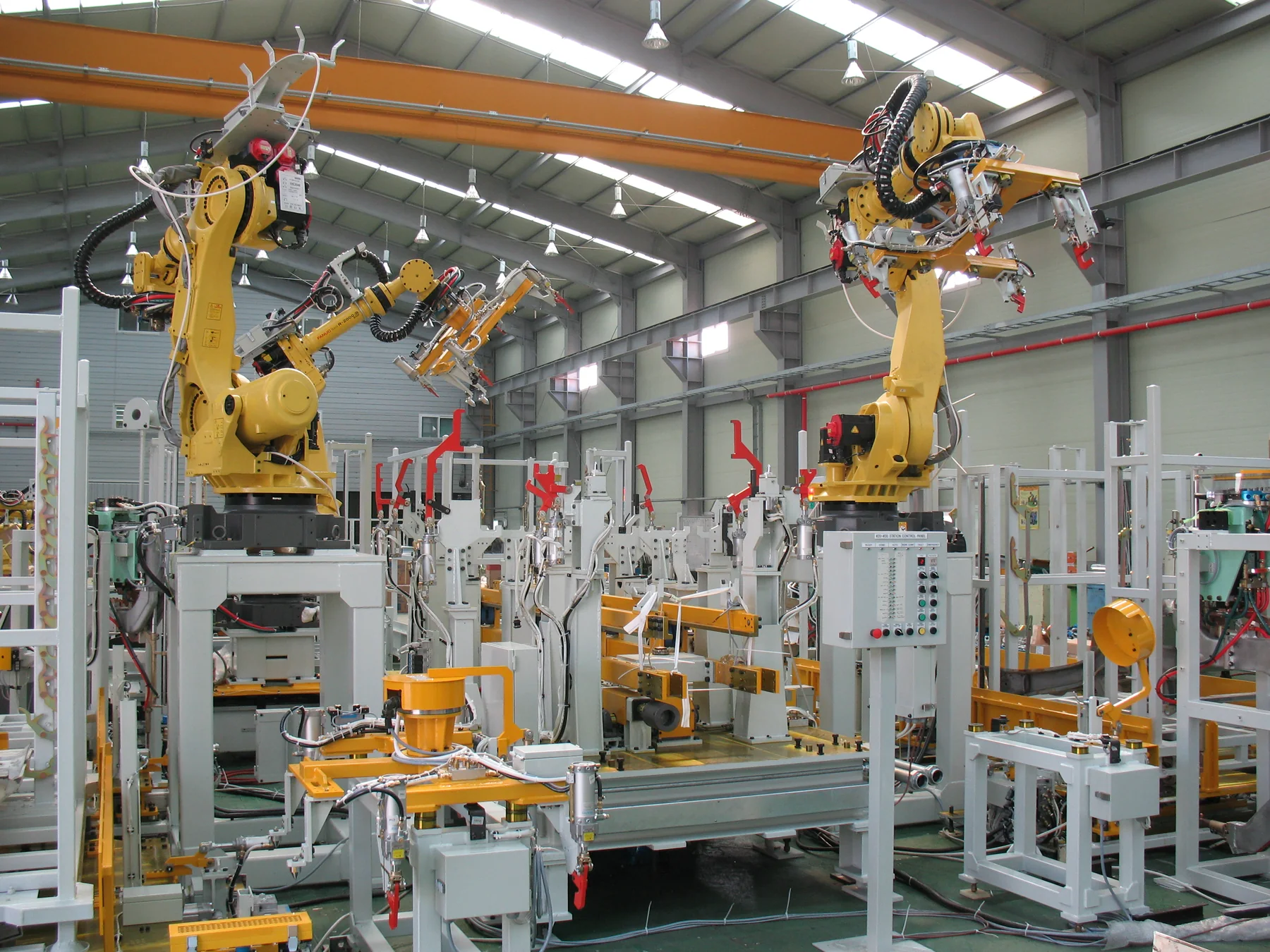 Photo: Mixabest · Creative Commons Attribution-ShareAlike 3.0 Unported (CC BY-SA 3.0) · Image resized and converted to WebP; this adaptation is shared under CC BY-SA 3.0.
Set the course exercise scope, leadership role and worker-participation question.
 Photo: Wolfgang Weiser · Pexels License (free use) · Image resized and converted to WebP.
Select one process and identify hazards, existing controls and uncertainty.
 Photo: Jamain · Creative Commons Attribution-ShareAlike 4.0 International (CC BY-SA 4.0) · Image resized and converted to WebP; this adaptation is shared under CC BY-SA 4.0.
Compare proposed controls and review a fictional change or contractor task.
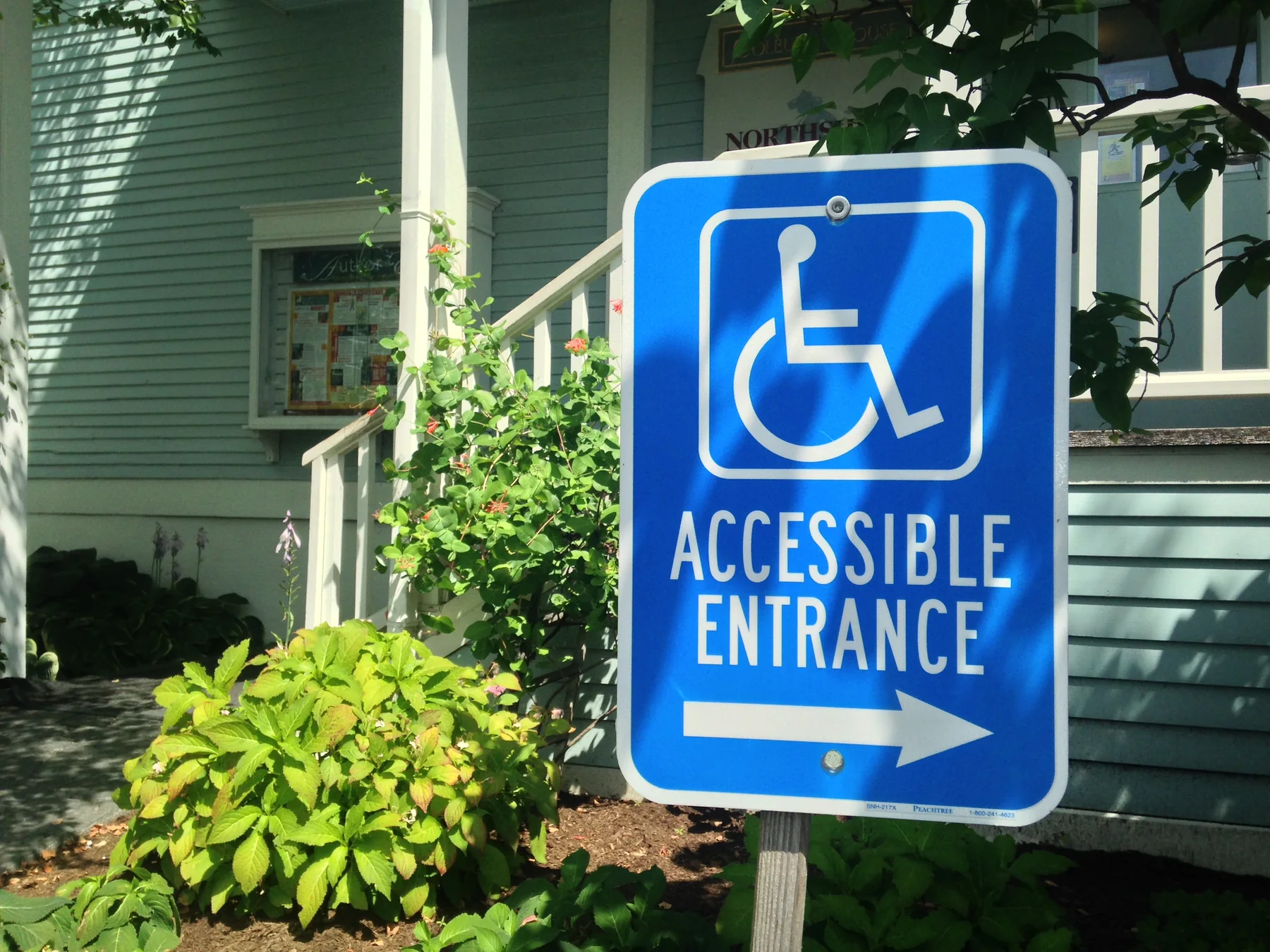 Photo: MarkBuckawicki · Creative Commons CC0 1.0 Universal Public Domain Dedication · Image resized and converted to WebP.
Examine worker feedback, near-miss facts and competence evidence for gaps.
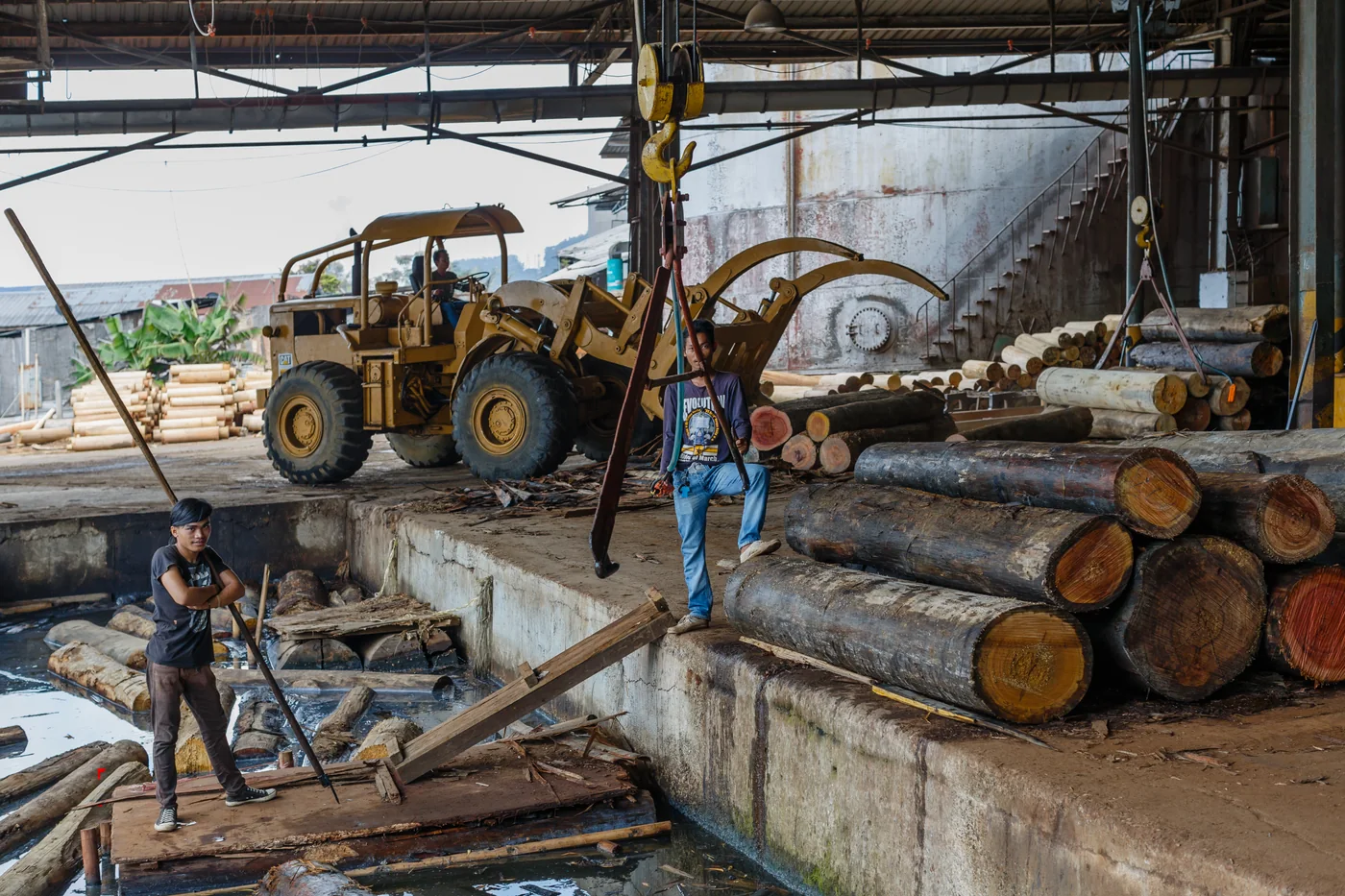 Photo by CEphoto, Uwe Aranas · CC BY-SA 3.0Photo: CEphoto, Uwe Aranas · CC BY-SA 3.0 · Image resized and converted to WebP; this adaptation is shared under CC BY-SA 3.0.
Prioritise actions and define verification before a management review discussion.
Human review: It does not establish legal compliance, certification, assurance, incident reduction, cost savings or financing eligibility.
Confirm the final syllabus, duration, dates, format and fees for your manufacturing team.
