For manufacturers in MalaysiaPractical AI. More capable teams. Thoughtful sustainability.
DESIGN A / AQUA MATRIX / ESG TRAINING MALAYSIA

Social Compliance & Human Rights

Human Rights Due Diligence and Modern Slavery Prevention

Designed for Malaysian manufacturing SMEs, this course turns human rights due diligence into a repeatable factory practice. Participants map rights-holders and business relationships, identify forced-labour warning signs, prioritise impacts, strengthen recruitment and supplier controls, test grievance routes, and document proportionate follow-up. Exercises use fictional records so teams can learn without exposing personal or confidential information.

A cargo ship loaded with colorful shipping containers beside cranes at a harbor.
Photo: Wolfgang Weiser · Pexels License (free use) · Image resized and converted to WebP.Illustrative stock photograph; not AIGreen Plus staff, facilities or client results.Illustrative photograph; not AIGreen Plus staff, facilities or client results.

Category covers and course photos are illustrative licensed photographs, not AIGreen Plus staff, facilities or client results. Required creator and licence credits appear with each course photograph.

E EnvironmentS PeopleG Accountability
AQUA MATRIX / TOPIC-SPECIFIC COMPARISON

Which human-rights due-diligence lens should the team use?

The matrix separates the people-risk lens, the control-evidence lens and the response lens so participants do not confuse a policy with effective practice.

People risk, control evidence and response decision
Decision / evidencePeople-risk lensWho may be affected and howControl-evidence lensWhat the factory can showResponse lensWhat happens next
Recruitment pathwayWorkers, agents and hiring decisionsTerms, fees, deductions and recordsClarify, prevent and escalate
Workplace conditionsPeople exposed to restriction or intimidationHours, pay, documents and worker voiceSafeguard, investigate and remedy
Supplier relationshipWorkers linked through business partnersScreening, contract terms and follow-up evidenceUse leverage, engage or escalate
CommunicationAffected voices and confidentiality needsScope, status, gaps and approvalsUpdate carefully; avoid unsupported claims

A matrix helps structure learning but cannot determine legal liability, prove forced labour, replace meaningful worker engagement or establish that a supplier is compliant. Course content is educational; verify current requirements against the linked official sources and the organisation's circumstances.

DIRECT ANSWER / BUSINESS LEADERS

See the issue. Find the evidence.

This course teaches Malaysian manufacturing SME owners, operations leaders, people teams, procurement and compliance staff how to identify actual or potential human-rights impacts in factory activities and business relationships. Participants practise a risk-and-rights map, forced-labour indicator review, supplier evidence request, worker-voice and grievance check, corrective-action log, and communication note. It supports learning and internal planning, not a legal opinion, site audit, certification or guarantee of compliance.

PRACTICAL LEARNING OBJECTIVES

What participants can practise.

01

Map rights-holders and links

Create a rights-holder and business-relationship map covering workers, contractors, recruiters, suppliers and communities connected to selected factory activities, purchasing decisions and recruitment pathways for a defined review scope.

02

Recognise forced-labour indicators

Screen a fictional factory scenario for forced-labour indicators, vulnerability factors and escalation needs, while avoiding conclusions based on one incomplete signal or assumption.

03

Build an action register

Build a proportionate action register linking prioritised impacts to responsible owners, worker-sensitive engagement, evidence checks, timeframes and follow-up status for internal review.

04

Communicate and route concerns

Draft a responsible communication and grievance-routing note that separates current evidence, planned actions, confidentiality safeguards, remedy considerations and questions requiring qualified advice.

FACTORY-RELEVANT APPLICATION

Apply the concept to a manufacturing question.

Recruitment chain evidence review

An anonymised mock factory uses two labour agents to recruit migrant packers. Participants map each handoff, compare worker-facing terms with agency records, flag possible fee and document-control indicators, and prepare questions for a safe follow-up. The exercise stops short of deciding whether forced labour occurred; it demonstrates how evidence gaps and worker voice shape proportionate escalation.

Supplier screening and leverage

A fictional component supplier submits a polished social-policy statement but cannot explain recruitment-fee controls or worker grievance access. Learners compare the statement with a small evidence sample, assess the relationship's leverage and risk context, then draft a corrective-action request with an owner, review date and evidence threshold. No supplier score is presented as a real assessment.

Worker complaint response route

A fictional factory receives a complaint that an agency worker's identity document was retained. The group protects confidentiality, records the allegation without assuming facts, checks the approved escalation route, identifies immediate worker-sensitive safeguards and drafts a communication plan. The output is a learning exercise, not a case investigation, legal finding or assurance conclusion.

FICTIONAL LEARNING EXAMPLE / NOT CUSTOMER RESULTS

Recruitment evidence completeness exercise

This is a fictional learning example, not client results.

BASELINE / CASE A60%of reviewed set
COMPARISON / CASE B80%of reviewed set

Stated basis: Thirty sample worker-recruitment records in the same mock review · 18 ÷ 30 and 24 ÷ 30.

Absolute difference: 20 percentage points. This is a comparison of the stated exercise values, not proof of improvement.

  • The sample records cover one fictional recruitment pathway and contain no real personal data.
  • A record counts as complete only when its source, owner, worker-facing terms and follow-up status are documented.

The comparison count indicates that more reviewed records contain the selected evidence after a mock follow-up; it does not prove absence of forced labour or human-rights harm.

This exercise is not a legal conclusion, compliance certification, audit, assurance, remediation result or financing-eligibility assessment.

Educational source notes
  • Guiding Principles on Business and Human Rights — Official UN framework supporting the course's human rights due diligence cycle: assess impacts, integrate and act, track responses, communicate and consider remedy.
  • ILO indicators of forced labour — Official ILO educational booklet introducing common forced-labour warning signs and its intended use for identifying possible cases; supports training recognition, not a legal finding or certification.
SELECTED OUTLINE B / EIGHT PROPOSED MODULES

A clear learning route.

Final depth, exercises and delivery details are confirmed with AIGreen Plus before delivery.

On a small screen, scroll horizontally inside the course-outline table.

Human Rights Due Diligence and Modern Slavery Prevention — proposed course outline
ModuleFocusKey pointsPractice
01Rights Holders and Business Links

Frame human rights due diligence around people affected by factory activities and relationships, rather than only around business exposure or reputation.

  • Distinguish rights-holders, impacts and business relationships in plain language.
  • Trace recruitment, production, purchasing and subcontracting relationship links.
  • Set a review boundary without ignoring connected risks.

Map a fictional electronics factory's workers, labour agents, contractors and suppliers, then mark where decisions could cause, contribute to or link to harm.

02HRDD Cycle and Prioritisation

Use the due diligence cycle to identify, assess, integrate, track and communicate responses to actual or potential adverse human rights impacts.

  • Separate risks to people from risks to the company.
  • Prioritise severity, likelihood, leverage and vulnerability among affected groups.
  • Record why a focus area was selected or deferred.

Rank four fictional factory risks involving recruitment fees, restricted movement, wage deductions and supplier pressure, documenting assumptions and the next evidence request.

03Forced-Labour Warning Signs

Recognise possible forced-labour patterns without treating an indicator, allegation or document gap as proof of a legal violation.

  • Review deception, restriction, intimidation and withheld-document signals.
  • Consider recruitment debt, wages and movement controls together.
  • Escalate urgent concerns without interviewing beyond competence.

Review an anonymised recruitment file and worker-voice summary, identify possible indicators, list missing facts, and route urgent concerns to an appropriate escalation owner.

04Recruitment and Labour Intermediaries

Examine recruitment pathways, contracts, fees, identity documents and worker understanding across direct hiring and labour-intermediary arrangements.

  • Map who recruits, pays, contracts and supervises workers.
  • Check worker-facing terms in understandable languages.
  • Test controls for fees, deposits and document retention.

Compare two fictional labour-agent files, then draft evidence questions about recruitment fees, contract substitution, passport access, deductions and worker consent before onboarding.

05Supplier Screening and Leverage

Design proportionate screening and engagement for suppliers, contractors and recruiters, using risk information, leverage and realistic follow-up.

  • Set topic-specific questions for higher-risk relationships.
  • Use contracts, purchasing practices and dialogue together.
  • Escalate limitations instead of claiming full coverage.

Build a fictional supplier-screening scorecard, identify leverage options, and plan a corrective-action conversation without treating a questionnaire as complete due diligence.

06Worker Voice and Grievance Routes

Strengthen safe worker voice, grievance access and non-retaliation thinking so concerns can inform due diligence and possible remedy.

  • Identify trusted channels for direct and contract workers.
  • Protect confidentiality while recording useful case patterns.
  • Separate triage, investigation, remedy and escalation responsibilities.

Design a fictional multilingual grievance route for factory workers and agency workers, including intake, confidentiality, escalation, feedback and non-retaliation checkpoints.

07Action, Tracking and Communication

Turn findings into owned actions, effectiveness checks and careful communications that show what is known, changing and still unresolved.

  • Assign owners, dates, evidence and review points for each action.
  • Track whether controls work for affected people.
  • Communicate scope, progress, gaps and limitations without overclaiming.

Convert a mock priority finding into an action register with owner, worker-sensitive check, supplier follow-up, status evidence and a cautious internal update.

08Remedy and Responsible Escalation

Practise proportionate response when harm is suspected, including pause decisions, referral, remediation dialogue and learning from recurring patterns.

  • Distinguish prevention, mitigation, remediation and referral pathways clearly.
  • Escalate credible allegations according to approved procedures.
  • Analyse trends without exposing worker identities.

Work through a fictional allegation of recruitment debt, decide immediate safeguards, define information needs, and draft a remedy-oriented escalation note for management review.

AIGREEN PLUS / PROPOSED TRAINING APPROACH

How AIGreen Plus's proposed approach fits human rights due diligence

This proposed course uses factory-specific maps, evidence exercises and worker-sensitive decision practice; it describes course design, not proven superiority or guaranteed compliance, prevention or remediation.

Proposed teaching practices and potential manufacturer relevance; not an independently proven superiority claim
FocusProposed approachFactory relevance
Rights-holder-first mappingExercises start with affected workers, recruitment pathways and business relationships before considering company risk.Teams can see where a smaller factory may need evidence, engagement or escalation.
Indicator-aware practiceLearners examine several forced-labour warning signs together, document uncertainty and avoid treating a single clue as proof.Participants practise careful triage instead of false reassurance or unsupported allegations.
Evidence-to-owner disciplineEach priority finding becomes an action with an owner, worker-sensitive check, evidence request, review point and limitation.Managers can see what to do next without claiming full due diligence from a policy or questionnaire.
Voice, remedy and communicationScenario work links grievance access, confidentiality, response pathways and progress updates to the due diligence cycle.Factory teams can keep people affected visible while handling sensitive information responsibly.
PARTICIPANT READINESS

Bring the relevant people and records.

Relevant roles

  • Manufacturing SME owners and directors who need a proportionate human-rights oversight starting point
  • Operations, HR, procurement, compliance or sustainability leads coordinating factory and supplier controls
  • Managers preparing recruitment, worker-welfare, supplier-screening or grievance evidence for internal review
  • Cross-functional teams ready to use approved, anonymised or fictional records in practical exercises

Before training

  • Basic familiarity with the organisation's workforce, recruitment channels, suppliers and production activities
  • Access to approved policy, recruitment, payroll, worker-voice or supplier records, with personal data removed where needed
  • Willingness to distinguish allegations, indicators, verified evidence and unresolved questions before assigning action
TEN COURSE-SPECIFIC ANSWERS

Questions before you enquire.

01What is human rights due diligence in this course?

Human rights due diligence is an ongoing process for identifying and assessing actual or potential adverse impacts, integrating findings into action, tracking effectiveness and communicating how impacts are addressed. The course applies that learning cycle to factory activities and business relationships, with attention to people affected.

02Who should attend this modern slavery prevention course?

It is intended for Malaysian manufacturing SME owners and managers across operations, HR, procurement, compliance and sustainability. Teams should be able to involve people who understand recruitment, workforce conditions, suppliers, worker voice and management decisions, even if formal human-rights roles are not yet assigned.

03Does the course determine whether our factory is compliant?

No. The content provides educational frameworks, fictional exercises and planning outputs. It does not provide a legal opinion, site audit, independent certification, assurance conclusion or finding that a company, recruiter or supplier is compliant. Confirm current requirements and case-specific decisions with an appropriate qualified person.

04Which forced-labour warning signs are practised?

Exercises consider possible signs such as deception, recruitment debt or fees, restricted movement, intimidation, withheld identity documents, problematic deductions and barriers to worker voice. These indicators help structure questions and escalation; a single clue or document gap is not treated as proof of forced labour.

05What records can participants bring?

Useful approved materials may include recruitment terms, agency agreements, fee controls, payroll or deduction records, worker-voice routes, grievance procedures, supplier questionnaires and corrective-action logs. Remove personal and commercially sensitive details, and use fictional, anonymised or sanitised records where approval is unavailable.

06How does the course handle migrant and contract workers?

The learning exercises treat direct, agency and contract workers as potentially affected groups whose experiences may differ. Participants practise checking understandable terms, safe voice channels, confidentiality and recruitment pathways. The course does not assume that a written policy proves workers understand or can use a control.

07Does the course cover suppliers and labour agents?

Yes. Participants map business relationships, screen higher-risk recruitment and supply-chain links, consider purchasing leverage, request evidence and plan follow-up. A supplier policy or questionnaire is treated as one input rather than complete due diligence, and the course does not issue real supplier ratings.

08How are grievances, retaliation concerns and remedy discussed?

Participants design a fictional route covering intake, confidentiality, triage, escalation, feedback and non-retaliation safeguards. They distinguish prevention, mitigation and possible remedy while avoiding case conclusions. Real allegations should follow the organisation's approved procedures and may require qualified, independent or specialist support.

09Will the course create a policy or complete our human-rights assessment?

The proposed outputs are a rights-holder map, indicator log, evidence request pack, action register and review note. They are learning and planning aids, not a completed legal assessment, independent audit, certification package or assurance file. Final templates, tools and scope should be confirmed when delivery is arranged.

10What are the dates, duration, delivery format and fees?

Dates, duration, delivery format, fees, tools and the final syllabus are not fixed in this draft. Enquire with the course number, participant roles and learning priorities so available arrangements and a quotation can be confirmed. No certificate, funding eligibility or compliance outcome is promised.

DESIGN A / FIVE WORKPLACE STAGES

From course learning to a reviewed next step.

Human Rights Due Diligence and Modern Slavery Prevention — proposed practice flow; people remain responsible for evidence, decisions and any operational change.

  1. 01

    Map the pathway

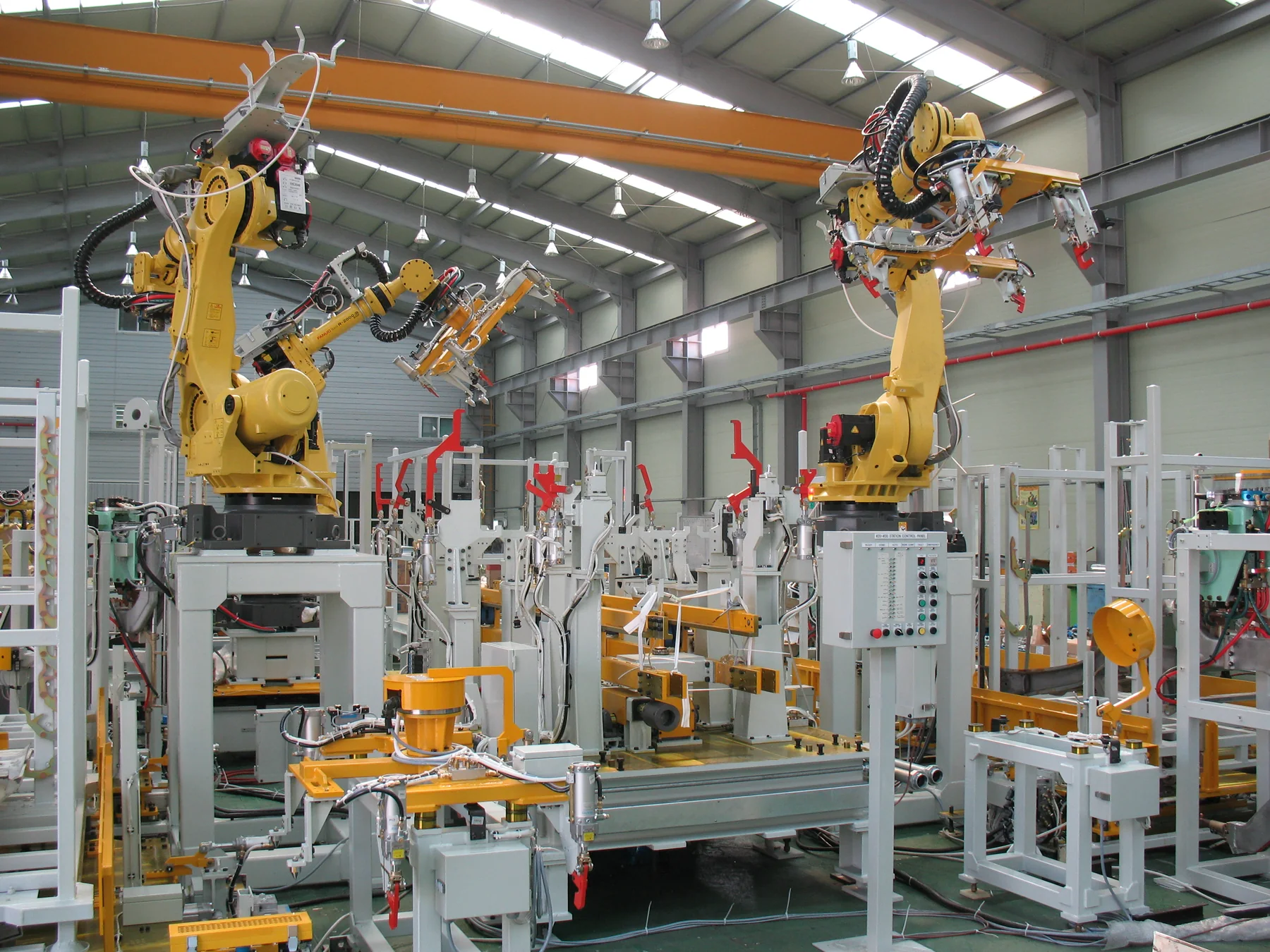
    Landscape photograph of a clean industrial assembly hall filled with yellow robotic arms, conveyors, fixtures, control panels and overhead lighting; no people are visible.Photo: Mixabest · Creative Commons Attribution-ShareAlike 3.0 Unported (CC BY-SA 3.0) · Image resized and converted to WebP; this adaptation is shared under CC BY-SA 3.0.

    Define the factory activity, rights-holders and business relationships for a focused learning review.

    OWNEROperations or HR lead
    WORKPLACE CHECKActivity and relationship map names recruiters, contractors and suppliers.
    STAGE OUTPUTRights-holder map
  2. 02

    Screen indicators

    Landscape photograph of a fabric inspection machine and work area in a former textile factory, illustrating a manufacturing workplace context for responsible employment practices.Photo: Jamain · Creative Commons Attribution-ShareAlike 4.0 International (CC BY-SA 4.0) · Image resized and converted to WebP; this adaptation is shared under CC BY-SA 4.0.

    Review possible adverse impacts and forced-labour warning signs without jumping from a signal to a conclusion.

    OWNERPeople or compliance lead
    WORKPLACE CHECKIndicator notes separate facts, allegations, gaps and urgent concerns.
    STAGE OUTPUTRisk-and-indicator log
  3. 03

    Test evidence

    Landscape photograph of a blue accessible-entrance sign beside a landscaped building approach, illustrating a physical-access consideration for inclusion training.Photo: MarkBuckawicki · Creative Commons CC0 1.0 Universal Public Domain Dedication · Image resized and converted to WebP.

    Compare policies, records, worker voice and supplier information against the selected priority and scope.

    OWNERHR or procurement owner
    WORKPLACE CHECKEvidence requests name source, period, owner and confidentiality need.
    STAGE OUTPUTEvidence request pack
  4. 04

    Plan response

    Several yellow industrial safety helmets arranged in rows against a dark workshop wall.Photo: ClickerHappy · Pexels License · Image resized and converted to WebP.

    Select prevention, mitigation, escalation or remedy steps that match the enterprise's involvement and available leverage.

    OWNERManagement review group
    WORKPLACE CHECKActions show owner, safeguard, timepoint and escalation route.
    STAGE OUTPUTResponse action register
  5. 05

    Track and communicate

    Workers at the timber pond feeding a plywood factory line in Sandakan, Sabah.Photo by CEphoto, Uwe Aranas · CC BY-SA 3.0Photo: CEphoto, Uwe Aranas · CC BY-SA 3.0 · Image resized and converted to WebP; this adaptation is shared under CC BY-SA 3.0.

    Review effectiveness and draft a proportionate update that states progress, gaps and limits.

    OWNERCourse participant team
    WORKPLACE CHECKUpdate records status, affected-stakeholder input and unresolved questions.
    STAGE OUTPUTDue-diligence review note

Human review: This exercise is not a legal conclusion, compliance certification, audit, assurance, remediation result or financing-eligibility assessment.

PROPOSED ESG COURSE / ENQUIRE BEFORE BOOKING

Build a practical first ESG plan.

Confirm the final syllabus, duration, dates, format and fees for your manufacturing team.

Discuss ESG training