


Map a speak-up pathway
Map a speak-up pathway from concern intake through protected review, using clear roles, response milestones and records that can be adapted to a small manufacturing team.
Governance, Ethics & Compliance
This course helps Malaysian manufacturing SMEs design a trusted speak-up process, recognise fraud risks in purchasing, payroll and quality records, and connect reporting to fair review and board-level accountability. Participants practise documenting concerns, protecting confidentiality, escalating responsibly and tracking corrective action without turning training exercises into investigations, legal advice or certification.
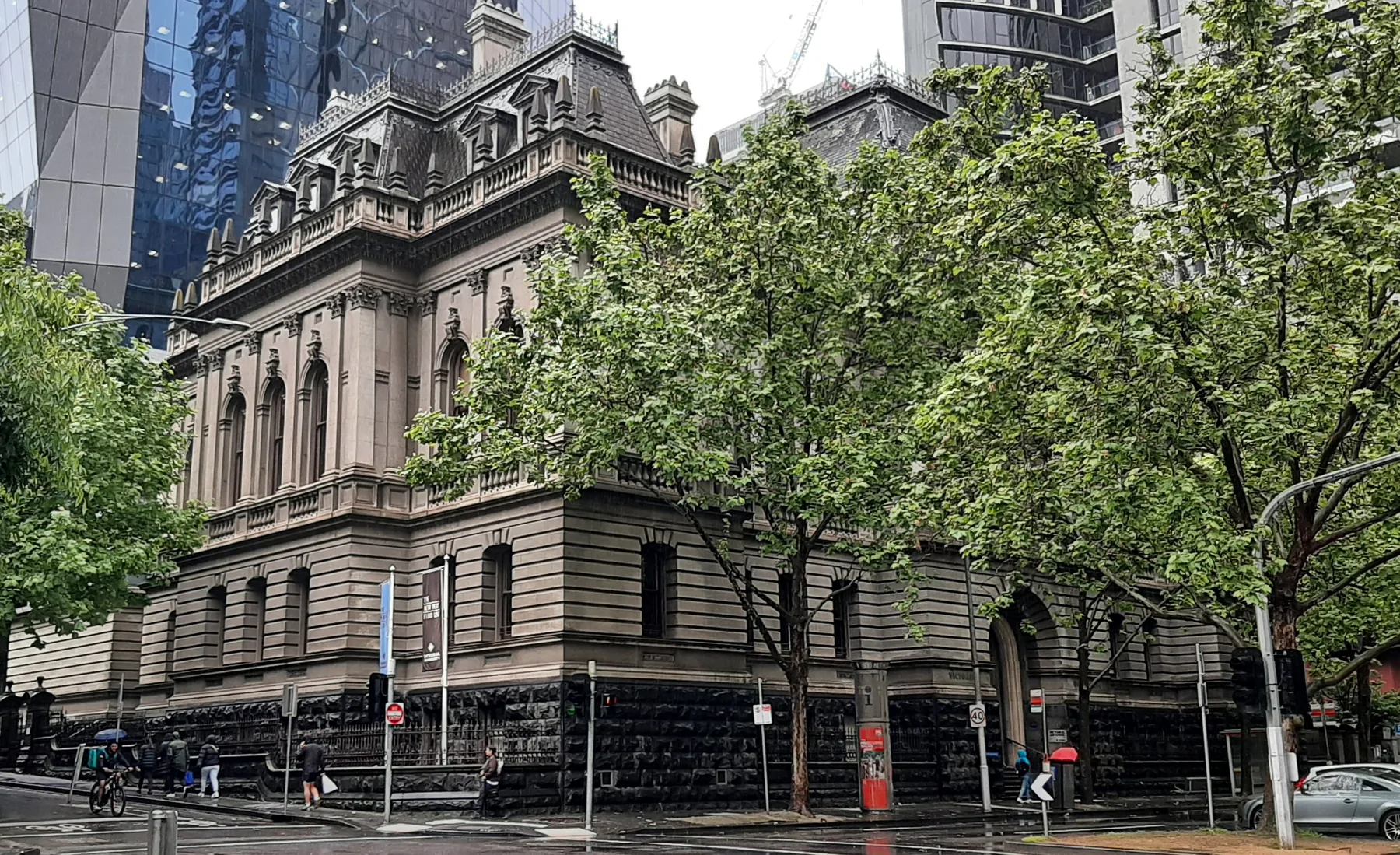
Category covers and course photos are illustrative licensed photographs, not AIGreen Plus staff, facilities or client results. Required creator and licence credits appear with each course photograph.
The matrix distinguishes the process that enables a concern, the controls that reduce opportunity and the oversight that turns evidence into responsible action.
| Decision / evidence | Speak-up designEnable safe reporting | Fraud prevention controlsReduce opportunity | Corporate accountabilityOwn decisions and actions |
|---|---|---|---|
| Purpose | Enable concerns to reach an appropriate route | Reduce override, access and approval weaknesses | Ensure decisions and actions have accountable owners |
| Evidence | Channel map, policy and intake records | Approvals, access logs and transaction patterns | Review notes, action register and oversight minutes |
| Key risk | Retaliation, confidentiality and access gaps | Override, collusion and incomplete segregation | Conflicts, weak escalation and overdue actions |
| Practice output | Protected reporting flow | Factory fraud red-flag register | Corrective-action and oversight log |
A reporting process can support detection and accountability, but training exercises do not establish that an allegation is true or that controls meet legal requirements. Course content is educational; verify current requirements against the linked official sources and the organisation's circumstances.
This course teaches Malaysian manufacturing SMEs how whistleblowing channels, fraud-risk controls and corporate accountability work together. Learners map reporting routes, identify retaliation and conflict risks, triage fictional allegations, preserve evidence appropriately and assign review ownership. Practical outputs include a draft speak-up workflow, a fraud red-flag register and an accountability action log. It suits owners, directors, managers and control roles who need an education-led framework, not legal advice, an investigation, assurance or a certification claim.
Map a speak-up pathway from concern intake through protected review, using clear roles, response milestones and records that can be adapted to a small manufacturing team.
Separate allegations, evidence and assumptions when recording fictional procurement, payroll or quality cases, so reviewers can choose proportionate next steps without prejudging the reporter or subject.
Build a practical fraud red-flag register covering access, approvals, incentives and unusual transactions, with owners and monitoring questions for recurring factory processes.
Link management, owners and board oversight to corrective-action tracking, while recognising when Malaysian legal or professional advice is needed before action.
In a fictional metal-parts plant, a buyer splits one maintenance purchase across several orders just below an internal approval level. Learners compare purchase orders, vendor details and approval logs, then record the concern, identify evidence gaps, check conflicts and propose a neutral review route without deciding that fraud occurred.
A sanitised electronics-factory exercise shows repeated overtime entries for a supervisor's relative and late changes to access records. Participants map who can report the concern, protect the reporter's identity on a need-to-know basis, test payroll and roster evidence, and assign proportionate follow-up questions rather than making a disciplinary conclusion.
In a fictional packaging line, an operator reports that inspection results were copied after a rushed shift, then fears exclusion from preferred rosters. The class separates the quality allegation from the retaliation concern, preserves relevant records, identifies a conflict-free reviewer and drafts an oversight update with corrective-action ownership.
This is a fictional learning example, not client results, a real investigation or evidence that training changed performance.
Stated basis: Twelve agreed evidence and process items for one fictional allegation file · 12 ÷ 12 and 9 ÷ 12.
Absolute difference: 25 percentage points. This is a comparison of the stated exercise values, not proof of improvement.
The baseline file contains all twelve checklist items and the comparison file contains nine; the simple comparison illustrates reviewed-file completeness, not fraud reduction, case validity or training performance.
This exercise is not a fraud finding, compliance or certification test, assurance engagement, legal conclusion, or evidence of cost, carbon or financing results.
Final depth, exercises and delivery details are confirmed with AIGreen Plus before delivery.
On a small screen, scroll horizontally inside the course-outline table.
| Module | Focus | Key points | Practice |
|---|---|---|---|
| 01Foundations of speak-up accountability | Clarify how speaking up, fraud prevention and accountable governance connect in a Malaysian manufacturing SME without assuming every concern is proven misconduct. |
| A fabricated machine-parts plant scenario sorts five messages into concern, allegation, evidence gap or confirmed control issue for discussion. |
| 02Speak-up system design | Design intake channels and triage steps that make reporting accessible, confidentially handled and proportionate to the concern's seriousness and available evidence. |
| Teams draft a speak-up flow for a 120-person factory receiving an anonymous purchasing concern and a named safety-related report. |
| 03Factory fraud-risk controls | Identify where incentives, access and weak approvals can create fraud opportunities across purchasing, inventory, payroll, sales and quality records. |
| Learners review a sanitised vendor, overtime and scrap log to mark red flags, control gaps and questions needing evidence. |
| 04Reporter protection and fair process | Practise confidentiality, need-to-know handling and anti-retaliation safeguards while keeping allegations fair to reporters, subjects and witnesses throughout review. |
| A fictional supervisor complaint tests how HR and compliance respond when a reporter fears roster changes after raising a quality concern. |
| 05Assess and review allegations | Use a repeatable assessment method to scope allegations, preserve relevant records and choose internal review or qualified escalation without prejudging outcomes. |
| Teams build an assessment sheet for alleged falsified inspection records, listing evidence sources, conflicts and a proportionate next step. |
| 06Accountability and corrective action | Turn substantiated or control-based findings into owned actions, documented decisions and management oversight while avoiding promises about discipline, recovery or legal results. |
| A mock review finds approval bypasses in maintenance purchasing; participants assign corrective actions and a neutral oversight update. |
| 07Metrics, records and learning | Choose useful indicators for reporting access, response timeliness, case outcomes and control improvement without treating higher or lower report counts as success alone. |
| Learners compare a fictional quarterly dashboard with few reports and many overdue actions, then identify questions before drawing conclusions. |
| 08Implementation and accountability | Create a practical first-cycle plan for an SME, connecting policy communication, manager training, case governance and periodic review to accountable owners. |
| A small electronics plant turns the course outputs into a 90-day readiness board with owners, evidence and review checkpoints. |
This is a proposed course design for practical learning, not a claim of proven superiority, client results or guaranteed outcomes.
| Focus | Proposed approach | Factory relevance |
|---|---|---|
| Factory-first case mapping | Use procurement, payroll, inventory and quality scenarios with role-based evidence maps. | Participants can connect abstract fraud risks to records and decisions already present in a factory. |
| Evidence before conclusions | Practise separating allegations, evidence gaps, conflicts and findings in a structured case sheet. | This reduces premature judgement and supports fair, proportionate review discussions. |
| Protected process rehearsal | Rehearse channel choice, confidentiality, retaliation signals and safe escalation through fictional cases. | Managers learn behaviours that make a speak-up process more usable without promising absolute anonymity. |
| Accountability hand-off | Finish with named owners, evidence checks, action dates and an oversight update template. | A small manufacturer can see how concerns connect to governance and corrective-action follow-through. |
It generally means reporting suspected wrongdoing connected with work, such as corruption, falsified records or unsafe conduct, through an appropriate channel. ISO 37002 frames a management system around receiving, assessing, addressing and concluding reports, while the exact legal scope and protections depend on applicable requirements.
A grievance may concern an individual's employment experience, while a whistleblowing report usually raises suspected wrongdoing or broader organisational harm. The routes can overlap, so an SME policy should explain scope, triage and escalation instead of rejecting a concern solely because its label is unclear.
There is no single channel that fits every SME. A practical design may map a supervisor route, a designated HR or compliance contact and a written or independent route, with clear access, confidentiality limits, conflict checks and escalation. The organisation should confirm any local legal requirements with qualified advice.
Do not promise more than the process can protect. Explain whether anonymous reports are accepted, restrict case information on a need-to-know basis, secure records and state when disclosure may be necessary. Confidential handling supports trust, but it cannot guarantee that a reporter's identity will never become known.
Retaliation can include adverse treatment linked to reporting, such as exclusion, roster changes, threats or blocked opportunities. Examples are used for learning rather than legal conclusions. Coverage, remedies and reporting duties vary, so a Malaysian employer should confirm the relevant facts and requirements with an appropriate qualified person.
Start with practical controls such as approval limits, segregation of duties, vendor checks, reconciliations, access reviews and exception monitoring. Review how controls operate in purchasing, payroll, inventory and quality records. These measures can reduce opportunity and improve detection, but they do not prove that fraud is absent.
The assigned reviewer should have suitable competence, authority and independence from the concern, with conflicts checked and documented. A case may require specialist, legal or external support depending on its seriousness. This course practises scoping and escalation; it does not conduct investigations or decide real cases.
Useful records can include the intake, scope, conflict check, evidence-preservation decisions, review steps, communications, action owners and closure rationale. Access and retention should be controlled and aligned with applicable privacy and employment requirements. Participants use sanitised case sheets rather than collecting unnecessary personal data.
They can set expectations, provide appropriate resources, review themes and overdue actions, check conflicts and protect the independence of case handling. Oversight should not predetermine findings or interfere with fair review. The course uses an action log and governance dashboard to practise that hand-off.
No. It is proposed educational training with fictional exercises, not certification, assurance, an audit, legal advice or a compliance determination. AIGreen Plus can discuss suitable scope, format, duration and fees through an enquiry, but those details are not specified here and any implementation should be independently checked.
Whistleblowing, Fraud Prevention and Corporate Accountability — proposed practice flow; people remain responsible for evidence, decisions and any operational change.
 Photo: kallerna · Creative Commons Attribution-ShareAlike 4.0 International (CC BY-SA 4.0) · Image resized and converted to WebP; this adaptation is shared under CC BY-SA 4.0.
Define what concerns can be raised and how fair handling will work.
 Photo: Pixabay · Pexels License (free commercial use; attribution not required) · Image resized and converted to WebP.
Map accessible channels and intake choices for workers, contractors and relevant business partners.
 Photo: Chris Gunn / NASA Goddard Space Flight Center · Creative Commons Attribution 2.0 Generic (CC BY 2.0); Commons page also notes NASA-created material public-domain status where applicable · Image resized and converted to WebP.
Practise consistent triage, conflict checks and proportionate evidence preservation using fictional cases.
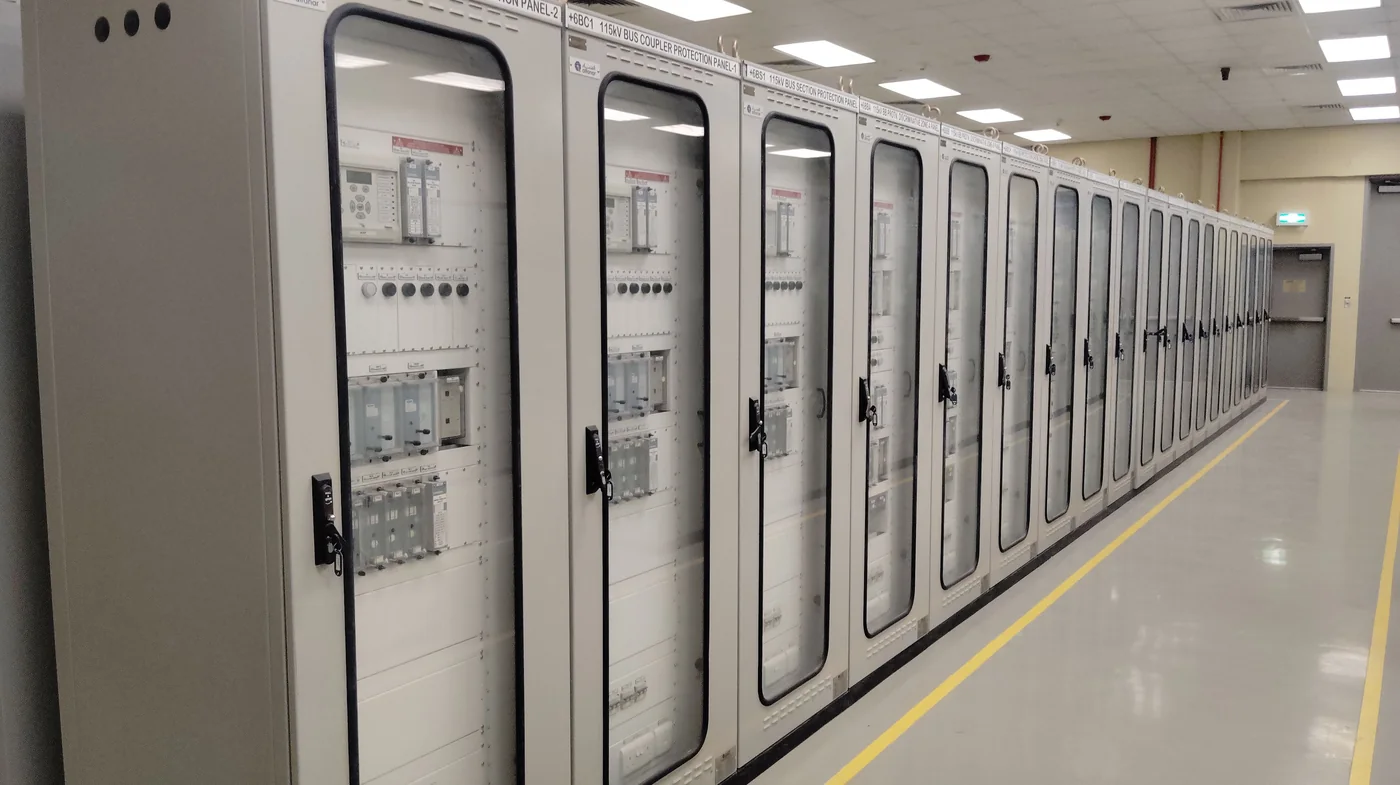 Photo: Shameer Vayalakkad Hydrose · Pexels License · Image resized and converted to WebP.
Connect review conclusions or control observations to owners, oversight and corrective-action follow-up.
 Photo: afloresm · Creative Commons Attribution 2.0 Generic (CC BY 2.0) · Image resized and converted to WebP.
Use safe metrics and periodic reviews to test whether the process remains trusted and usable.
Human review: This exercise is not a fraud finding, compliance or certification test, assurance engagement, legal conclusion, or evidence of cost, carbon or financing results.
Confirm the final syllabus, duration, dates, format and fees for your manufacturing team.
