


Recognise conflict signals
Recognise actual, potential and perceived conflicts in procurement, hiring, sales, gifts, hospitality and outside interests, then record relevant facts without making legal conclusions.
Governance, Ethics & Compliance
A practical course for Malaysian manufacturing SMEs to recognise conflicts, strengthen everyday integrity decisions and create traceable safeguards. Participants work through procurement, gifts, supplier relationships, disclosures, recusal, speak-up and review scenarios using proportionate records rather than legal conclusions, live investigations or promises of compliance results.

Category covers and course photos are illustrative licensed photographs, not AIGreen Plus staff, facilities or client results. Required creator and licence credits appear with each course photograph.
Use the matrix to connect a possible bias signal with a proportionate safeguard and the evidence needed for accountable review.
| Decision / evidence | SignalWhat may affect objectivity | SafeguardWhat the process can do | EvidenceWhat makes review traceable |
|---|---|---|---|
| Personal connection | Family, financial or outside interest | Disclose and pause affected decision | Form, reviewer and rationale |
| Benefit or hospitality | Gift, invitation, meal or sponsorship | Check timing, purpose and approval | Register entry and response |
| Supplier relationship | Prior role, ownership or intermediary link | Use objective criteria and independent review | Comparison, declarations and approval trail |
| Reported concern | Question about conduct or decision integrity | Triage, preserve evidence and protect fairness | Intake record, actions and review status |
The matrix teaches a review pathway; it does not determine legality, prove misconduct or replace current company policy or qualified advice. Course content is educational; verify current requirements against the linked official sources and the organisation's circumstances.
This course teaches Malaysian manufacturing SME owners, managers and control-role staff how to apply business ethics and integrity principles to factory decisions. Participants practise spotting actual, potential and perceived conflicts, documenting disclosures, selecting safeguards, reviewing gifts and supplier interactions, handling concerns fairly and producing decision evidence. Exercises use fictional or sanitised information and do not provide legal advice, certification, assurance, site audits or guaranteed outcomes.
Recognise actual, potential and perceived conflicts in procurement, hiring, sales, gifts, hospitality and outside interests, then record relevant facts without making legal conclusions.
Use a simple disclosure and recusal pathway that identifies the decision owner, independent reviewer, temporary safeguards, approval route and closure evidence for each declared interest.
Apply integrity controls to gifts, supplier selection, charitable requests, expenses and third-party interactions, distinguishing acceptable conduct from issues needing escalation or specialist advice.
Create a proportionate ethics action pack containing a policy prompt, scenario response, evidence checklist, communication route and review measure for a fictional factory.
A fictional metal-parts factory discovers that a production manager's sibling works for a tooling vendor during a renewal. Participants map the decision, identify what is known and missing, complete a disclosure, propose temporary recusal and nominate an independent reviewer. The exercise ends with a dated decision record, not a finding of misconduct.
A sanitised purchasing scenario presents three gifts offered before a tender: a modest branded item, an expensive event invitation and a meal with unclear attendees. Learners apply consistent criteria, check timing and approvals, draft a response, and update a register. They practise escalation without assuming that every gift is automatically illegal.
In a fictional factory, an employee reports that supplier scores were altered after a sales manager intervened. Teams sequence confidential intake, evidence preservation, fair triage, conflict checks and management notification. They define what the initial record should contain and what remains unverified, without conducting a live investigation or promising an outcome.
This is a fictional learning example, not client results, a compliance rate or an investigation finding.
Stated basis: Eight fictional conflict-of-interest review records · 6 ÷ 8 and 5 ÷ 8.
Absolute difference: 12.5 percentage points. This is a comparison of the stated exercise values, not proof of improvement.
The renderer shows a comparison of completed required fields across fictional review sets; it does not measure training impact or actual control effectiveness.
Not evidence of legal compliance, certification, assurance, investigation findings, cost savings or financing eligibility.
Final depth, exercises and delivery details are confirmed with AIGreen Plus before delivery.
On a small screen, scroll horizontally inside the course-outline table.
| Module | Focus | Key points | Practice |
|---|---|---|---|
| 01Ethics in a Factory Decision | Translate integrity, fairness and accountability into everyday manufacturing choices where production pressure, relationships and commercial interests can influence judgment. |
| Map a fictional component purchase from request to approval, marking where personal interests, supplier pressure or missing records could affect judgment. |
| 02Recognising Conflicts of Interest | Classify actual, potential and perceived conflicts, including family, financial, outside appointment and prior relationship signals, without assuming misconduct. |
| Review anonymised profiles for a buyer, director and maintenance manager, then classify each scenario and list the missing facts requiring clarification. |
| 03Disclosure and Recusal Pathways | Practise timely disclosure, temporary safeguards, recusal and independent review so decisions remain traceable while a conflict is assessed. |
| Complete a fictional disclosure form for a tooling supplier linked to an employee's relative, then draft a proportionate review and recusal plan. |
| 04Fair Dealings, Gifts and Hospitality | Examine gifts, hospitality, travel, sponsorship and charitable requests through consistent criteria for purpose, value, timing, recipient and approval. |
| Assess three fictional supplier invitations before a tender decision, recording facts, risk indicators, approval route and response message. |
| 05Integrity in Procurement and Third Parties | Build practical checks for supplier selection, intermediaries, commissions and related-party transactions while protecting commercial confidentiality. |
| Compare two fictional machine-maintenance bids, identify a related-party concern, and prepare a documented recommendation that preserves fair competition. |
| 06Speak Up and Investigate Fairly | Design safe reporting and initial response steps that protect confidentiality, avoid retaliation and preserve a fair fact-finding process. |
| Sequence a fictional report about altered supplier scores, assigning intake, evidence preservation, reviewer and communication actions without deciding guilt. |
| 07Controls, Training and Review | Turn ethical expectations into proportionate controls, role-based learning, management review and indicators that test whether the process is understood and used. |
| Draft a quarterly integrity dashboard for a fictional factory using disclosure, training, review and corrective-action indicators without inventing results. |
| 08Ethical Decisions and Communication | Integrate evidence, stakeholder impact and escalation into a repeatable decision record, then communicate facts, actions and unresolved questions responsibly. |
| Rewrite a fictional internal announcement about a supplier decision so it states evidence, safeguards, unresolved questions and the next review date. |
This draft uses factory scenarios, decision records and proportionate safeguards. It describes course design, not proven superiority, certification or guaranteed results; confirm the final scope by enquiry.
| Focus | Proposed approach | Factory relevance |
|---|---|---|
| Scenario-to-control mapping | Each exercise moves from a realistic pressure point to a disclosure, safeguard, evidence check and review owner. | Participants can connect ethical principles with decisions that affect purchasing, suppliers, production and management oversight. |
| Conflict disclosure workflow | Learners practise classifying interests, recording facts, selecting recusal or other safeguards and documenting closure. | A smaller factory can see how a concern becomes a controlled process rather than a private judgement. |
| Manufacturing evidence discipline | Exercises use approval trails, supplier comparisons, registers, meeting records and access-conscious evidence checklists. | The work reflects the records and commercial sensitivities that shape real factory decisions without using client information. |
| Proportionate escalation | Scenarios separate questions, disclosures, triage, investigation ownership and specialist advice instead of assuming every concern has the same response. | Managers can practise fair next steps while avoiding premature findings, retaliation or unsupported legal conclusions. |
It covers practical ethics in factory decisions, actual, potential and perceived conflicts, disclosures, recusal, gifts, hospitality, supplier relationships, speak-up handling, evidence and management review. The exercises are fictional or sanitised and focus on proportionate process rather than legal conclusions or live investigations.
The course treats a conflict as a situation where personal, private or other interests may diverge from the interests a person is expected to represent. It also considers apparent or potential conflicts because perceived bias can affect trust. A disclosed conflict is not automatically a finding of misconduct.
Owners, directors, procurement, sales, finance, operations, quality, HR, administration, compliance and supervisors can benefit when their roles involve approvals, suppliers, people decisions, records or escalation. The useful mix is cross-functional, with participants able to involve approved policy and evidence owners.
Participants practise recording the interest and relevant facts, notifying the appropriate route, assigning an independent reviewer, selecting temporary safeguards and documenting the decision and closure. The exercise does not prescribe one company's policy; current internal requirements and qualified advice should guide actual cases.
No single classroom rule settles every situation. The course asks learners to consider purpose, timing, recipient, value, relationship to a decision and approval requirements, then use the organisation's policy and escalation route. Applicable law and company rules should be checked before a real decision.
No. It focuses on ethics, integrity and conflict-of-interest management, with related examples involving gifts, suppliers and reporting. It is not an ISO 37001 implementation course, legal opinion, investigation, certification, assurance engagement or substitute for tailored advice on current Malaysian requirements.
Useful approved or sanitised materials may include a code of conduct, conflict form, gifts register, procurement steps, supplier scoring template, approval matrix or speak-up route. Remove personal, confidential, proprietary and commercially sensitive details; fictional examples are fully suitable for practice.
Learners sequence intake, confidentiality boundaries, evidence preservation, conflict checks, fair triage, role assignment and management communication. They do not run a live investigation or decide guilt. Any real report should follow the organisation's approved channel and protections, with specialist support where appropriate.
No such claim is made. The draft describes proposed training and evidence-led exercises, not independent certification, assurance, a site audit, legal clearance or guaranteed compliance, savings or business results. Delivery format, materials and any completion arrangements should be confirmed by enquiry.
Dates, delivery format, duration, fees, participant materials and final scope are not fixed in this draft. Enquire with the course title, participant roles and learning priorities, then confirm the agreed arrangements and preparation requirements before planning delivery.
Business Ethics, Integrity and Conflict of Interest Management — proposed practice flow; people remain responsible for evidence, decisions and any operational change.
 Photo: kallerna · Creative Commons Attribution-ShareAlike 4.0 International (CC BY-SA 4.0) · Image resized and converted to WebP; this adaptation is shared under CC BY-SA 4.0.
Review the draft integrity principles and conflict definitions against the factory's approved policies.
 Photo: Pixabay · Pexels License (free commercial use; attribution not required) · Image resized and converted to WebP.
Locate decisions where gifts, relationships, incentives or role overlap could affect objectivity.
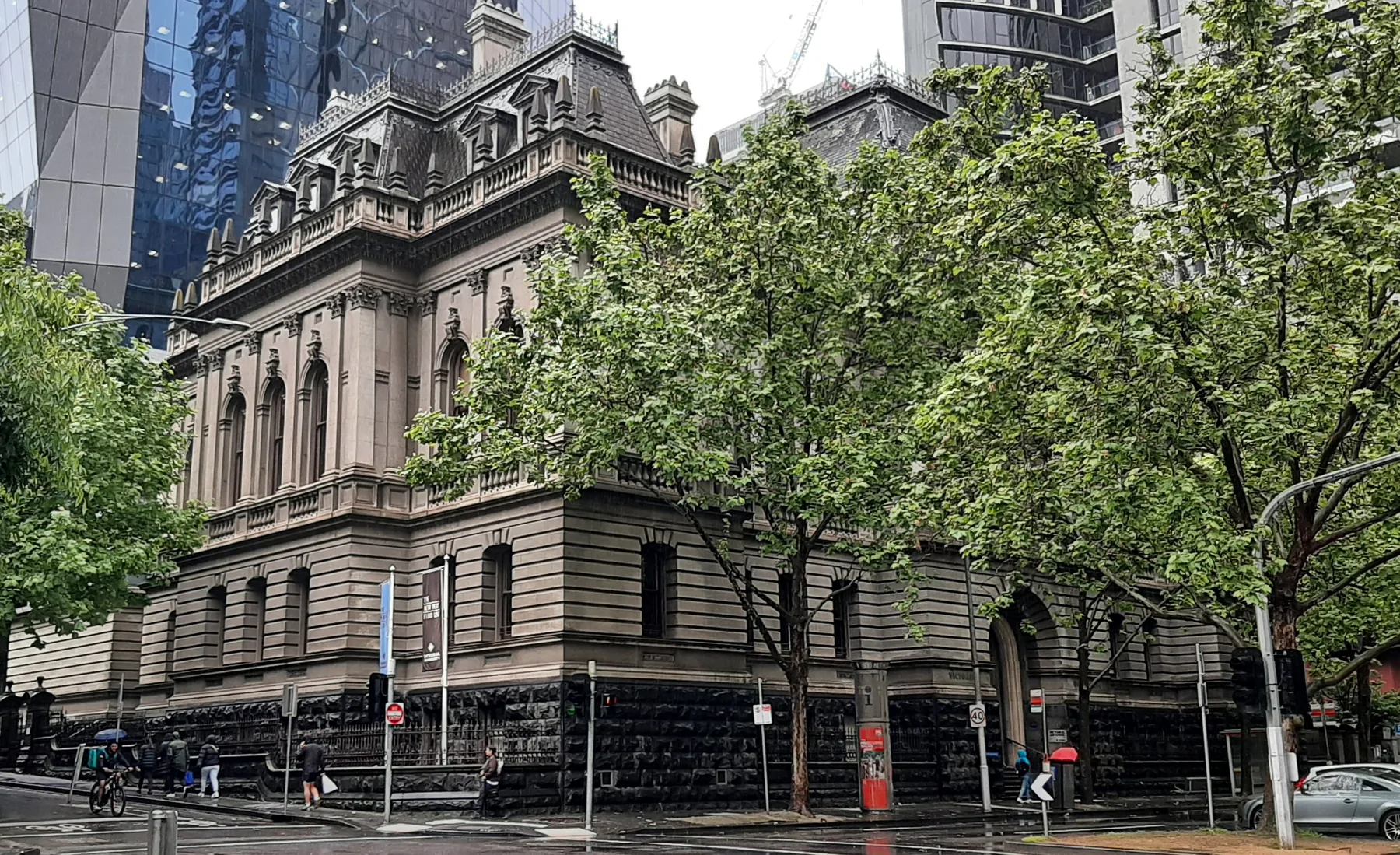 Photo: Sgroey · Creative Commons Attribution-ShareAlike 4.0 International (CC BY-SA 4.0) · Image resized and converted to WebP; this adaptation is shared under CC BY-SA 4.0.
Practise recording interests, assigning an independent reviewer and selecting temporary safeguards.
 Photo: Shameer Vayalakkad Hydrose · Pexels License · Image resized and converted to WebP.
Trace the decision to criteria, approvals, registers and communications without exposing unnecessary personal data.
 Photo: afloresm · Creative Commons Attribution 2.0 Generic (CC BY 2.0) · Image resized and converted to WebP.
Turn learning into a proportionate action, message and review measure for management consideration.
Human review: Not evidence of legal compliance, certification, assurance, investigation findings, cost savings or financing eligibility.
Confirm the final syllabus, duration, dates, format and fees for your manufacturing team.
