


Frame the system
Describe an ISO 37001 implementation scope for a Malaysian factory, including relevant functions, business relationships, bribery risks, applicable commitments, and integration points with existing management systems.
Governance, Ethics & Compliance
This course helps Malaysian manufacturing SMEs understand how to design, implement, and improve an ISO 37001-aligned anti-bribery management system. Participants map bribery risks across sales, procurement, agents, gifts, and payments, then practise proportionate controls, due diligence, reporting, investigation handoffs, monitoring, and evidence preparation without treating training as certification or legal advice.

Category covers and course photos are illustrative licensed photographs, not AIGreen Plus staff, facilities or client results. Required creator and licence credits appear with each course photograph.
The matrix follows a practical anti-bribery cycle: identify exposure, apply proportionate controls, and review evidence for improvement.
| Decision / evidence | Risk contextWhere exposure can arise | Control responseHow exposure is addressed | Evidence reviewHow learning is checked |
|---|---|---|---|
| Business relationships | Agents, distributors, brokers | Due diligence and approvals | Ownership, services, refresh records |
| Sensitive transactions | Tenders, permits, gifts, payments | Segregation and documented decisions | Invoices, exceptions, review trail |
| People and reporting | Pressure, incentives, retaliation risk | Training, speak-up, triage | Attendance, reports, case-handling log |
| System improvement | Changes, incidents, recurring gaps | Actions, audits, management review | Findings, owners, closure evidence |
The matrix is a classroom decision aid; it does not establish legal compliance, effective operation, certification readiness, or assurance. Course content is educational; verify current requirements against the linked official sources and the organisation's circumstances.
It teaches a practical implementation path for ISO 37001:2025, from context and bribery-risk assessment through leadership, policies, controls, due diligence, reporting, investigations, monitoring, and continual improvement. Learners work with sanitised factory scenarios to produce a risk-and-control register, third-party review checklist, evidence map, and improvement actions. The course serves Malaysian manufacturing owners, directors, compliance, procurement, finance, HR, internal audit, and operational leaders; it does not certify an organisation or replace legal advice.
Describe an ISO 37001 implementation scope for a Malaysian factory, including relevant functions, business relationships, bribery risks, applicable commitments, and integration points with existing management systems.
Rank bribery scenarios using likelihood, impact, and control considerations, then distinguish preventive, detective, and response measures for procurement, sales, agents, gifts, and charitable contributions.
Draft a proportionate due-diligence checklist, approval trail, training record, speak-up route, investigation handoff, and monitoring evidence pack using fictional manufacturing records for management review.
Convert a gap review into owned corrective actions with target evidence, review cadence, and escalation triggers while separating course exercises from certification, assurance, or legal conclusions.
A Malaysian contract-manufacturing SME discovers that expedited tooling purchases rely on one broker and informal hospitality. In a fictional workshop, learners map the broker relationship, identify decision points, design approval and due-diligence checks, and create an evidence trail from request to payment. The exercise highlights proportionate controls without asserting that any real company breached a law.
A fictional electrical-components exporter uses distributors in two markets. A distributor proposes a success fee with unclear services and asks for reimbursement through a personal account. Learners pause the scenario, list red flags, request ownership and service evidence, apply escalation and approval steps, and record a reasoned decision. No real transaction or legal conclusion is implied.
A sanitised factory case includes an anonymous allegation about a buyer and a missing hospitality register entry. Participants separate intake from investigation, preserve relevant records, assess confidentiality needs, test related controls, and propose management-review questions. The output is a hypothetical action log for learning, not an assurance opinion, site audit, or finding about a real organisation.
This is a fictional learning example, not client results.
Stated basis: Same 30-item hypothetical evidence checklist · 18 ÷ 30 and 24 ÷ 30.
Absolute difference: 20 percentage points. This is a comparison of the stated exercise values, not proof of improvement.
The simple comparison shows a hypothetical documentation gap against the same checklist; it does not measure bribery risk or control effectiveness.
Not evidence of compliance, certification readiness, assurance, legal sufficiency, cost savings, or financing eligibility.
Final depth, exercises and delivery details are confirmed with AIGreen Plus before delivery.
On a small screen, scroll horizontally inside the course-outline table.
| Module | Focus | Key points | Practice |
|---|---|---|---|
| 01Context and Scope | Set an implementation boundary for the factory, its functions, business relationships, jurisdictions, commitments, and interfaces with existing governance or management systems. |
| A fictional components plant lists sales agents, customs brokers, distributors, and procurement teams, then marks which relationships belong in an initial ISO 37001 system boundary. |
| 02Leadership and Culture | Translate top management commitment into a policy, responsibilities, resources, communication, and behaviour expectations that workers and business associates can understand. |
| A plant director reviews a draft policy after a distributor requests an unusual commission, assigning responsibilities and a safe escalation route. |
| 03Bribery Risk Assessment | Identify, evaluate, and prioritise bribery risks by transaction, location, relationship, and control maturity rather than relying on generic risk statements. |
| Teams examine a sanitised tender scenario involving a public customer, local intermediary, hospitality, and urgent delivery pressure, then score risks. |
| 04Third-Party Due Diligence | Apply proportionate due diligence to agents, suppliers, distributors, contractors, and partners, with documented decisions, red flags, approvals, and refresh triggers. |
| A fictional machine-tool importer screens an agent with opaque ownership and cash-payment requests, deciding what evidence and approvals are needed. |
| 05Financial and Non-Financial Controls | Design practical controls around invoices, commissions, gifts, expenses, donations, hiring, procurement, segregation, approvals, and record retention. |
| A factory analyses three sample hospitality claims, one donation request, and a split purchase order, then proposes preventive and detective controls. |
| 06Speak-Up and Investigation | Create accessible reporting, triage, confidentiality, non-retaliation, investigation, remediation, and escalation arrangements while protecting fairness and lawful handling. |
| A fictional hotline report alleges a buyer requested a personal payment; learners route it through intake, preservation, triage, and escalation steps. |
| 07Monitoring and Internal Review | Use indicators, control testing, internal audits, management review, and lessons learned to evaluate whether anti-bribery arrangements remain suitable and effective. |
| A plant reviews quarterly records showing overdue due diligence, repeated exceptions, and no reports, then proposes a focused monitoring plan. |
| 08Improvement and Readiness | Consolidate evidence, close gaps, manage changes, and prepare an implementation roadmap without presenting classroom work as certification or an audit conclusion. |
| A fictional electronics SME compares its risk register with policy, training, third-party, and monitoring evidence, then sequences a ninety-day improvement backlog. |
This is a proposed AIGreen Plus course design focused on practical learning for Malaysian manufacturers, not a claim of proven superiority or guaranteed results.
| Focus | Proposed approach | Factory relevance |
|---|---|---|
| Factory risk mapping | Use procurement, sales, logistics, agent, and public-interface scenarios from manufacturing operations. | Participants can connect ISO 37001 concepts to decisions that create exposure on the factory floor and in the supply chain. |
| Evidence before labels | Practise tracing a control from risk and owner to record, review, exception, and action. | Managers see what a defensible implementation trail could contain without assuming documents prove effectiveness. |
| Proportionate third-party review | Compare low, medium, and higher-risk counterparties through a structured due-diligence exercise. | SMEs can discuss effort, escalation, and refresh decisions without applying a one-size-fits-all checklist. |
| Bounded readiness | Use a gap-to-roadmap workshop that distinguishes training outputs from certification, assurance, legal, or investigation conclusions. | Leaders leave with clearer next questions and ownership for qualified follow-up. |
ISO 37001 is a management-system standard dedicated to establishing, implementing, maintaining, reviewing, and improving anti-bribery arrangements. It helps an organisation prevent, detect, and respond to bribery and address applicable commitments. This course uses the standard as an implementation framework, not as a legal opinion.
ISO says the standard can apply to any organisation regardless of size or sector. For a Malaysian manufacturing SME, the practical question is scope and proportionality: identify relevant functions and relationships, then confirm local legal and business requirements with qualified advisers.
No. The course provides proposed learning activities, fictional exercises, and participant work outputs. They are not a certification audit, assurance engagement, site assessment, or statement that an organisation conforms to ISO 37001. Any certification or independent assessment requires separate arrangements with appropriate parties.
Start with activities where decisions, influence, or third-party access may create exposure, such as procurement, tenders, permits, sales, distributors, agents, logistics, gifts, hospitality, donations, sponsorships, and sensitive payments. The assessment should record rationale, existing controls, owners, and review triggers rather than copy a generic list.
It means gathering and evaluating proportionate information about a counterparty's role, ownership, reputation, services, payment arrangements, and relevant red flags before or during a relationship. Learners practise documenting decisions, approvals, contract controls, escalation, and refresh points without treating a checklist as proof of integrity.
No. Invoice review, segregation, approvals, and record controls are important, but they work alongside non-financial measures such as due diligence, gifts guidance, training, reporting channels, investigation arrangements, monitoring, and management review. The course asks learners to connect controls to specific risks and evidence.
Use an accessible reporting route, protect information appropriately, record intake, preserve relevant records, triage the allegation, and assign a suitably independent next step. The course separates learning exercises from disciplinary decisions, legal advice, and real investigations, which require qualified and properly authorised handling.
Useful examples include the scope statement, risk register, policy, responsibilities, due-diligence files, approvals, gifts and expense records, training attendance, reports, investigation handoffs, monitoring tests, internal review notes, management decisions, and corrective-action evidence. Records should be relevant, controlled, and interpreted rather than counted mechanically.
No. A management system provides a structured approach to preventing, detecting, and responding to bribery, but no course or framework guarantees that misconduct cannot occur. Organisations still need proportionate controls, reporting, review, improvement, and advice on applicable legal or contractual duties.
This public course proposal does not set delivery format, duration, fees, or tailored scope. Enquire with AIGreen Plus for current arrangements. Any request for certification, legal interpretation, investigation, or site-specific implementation should be separately scoped with appropriate qualified professionals.
Anti-Bribery and Anti-Corruption: ISO 37001 Implementation — proposed practice flow; people remain responsible for evidence, decisions and any operational change.
 Photo: kallerna · Creative Commons Attribution-ShareAlike 4.0 International (CC BY-SA 4.0) · Image resized and converted to WebP; this adaptation is shared under CC BY-SA 4.0.
Choose the factory functions, relationships, commitments, and interfaces to examine first.
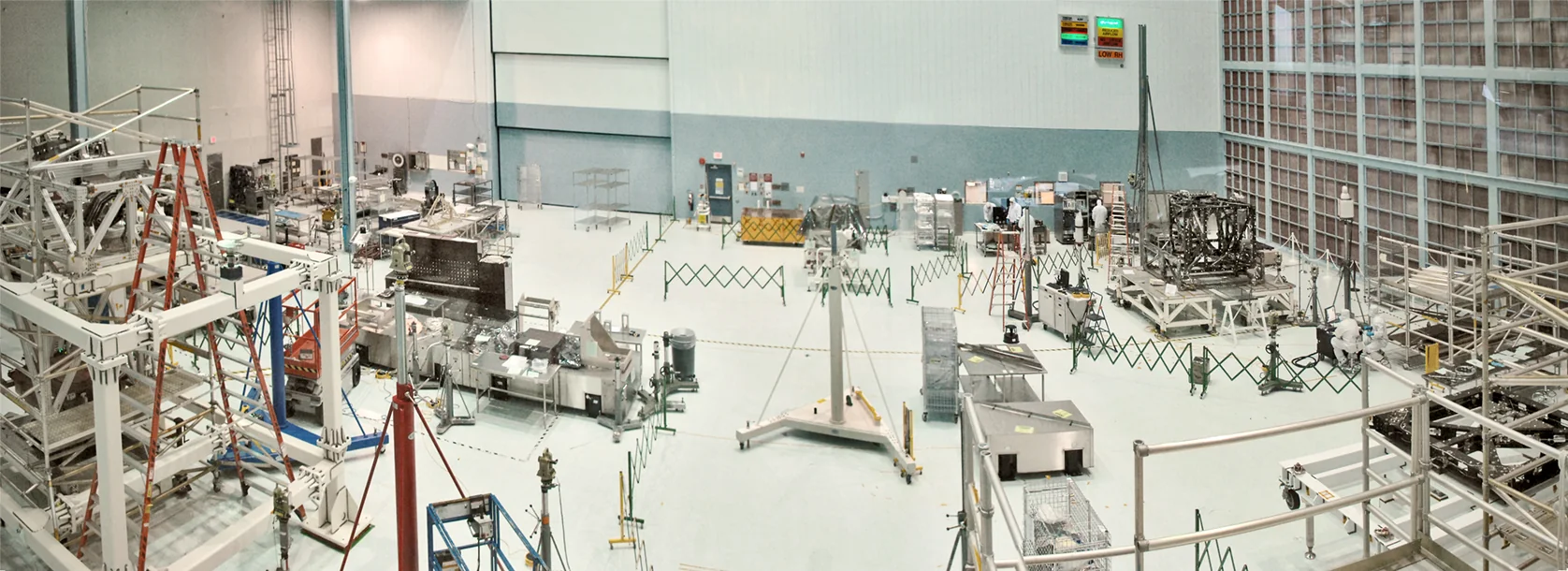 Photo: Chris Gunn / NASA Goddard Space Flight Center · Creative Commons Attribution 2.0 Generic (CC BY 2.0); Commons page also notes NASA-created material public-domain status where applicable · Image resized and converted to WebP.
Prioritise bribery scenarios across procurement, sales, agents, gifts, payments, and public interfaces.
 Photo: Sgroey · Creative Commons Attribution-ShareAlike 4.0 International (CC BY-SA 4.0) · Image resized and converted to WebP; this adaptation is shared under CC BY-SA 4.0.
Match proportionate financial and non-financial controls to priority risks and decision points.
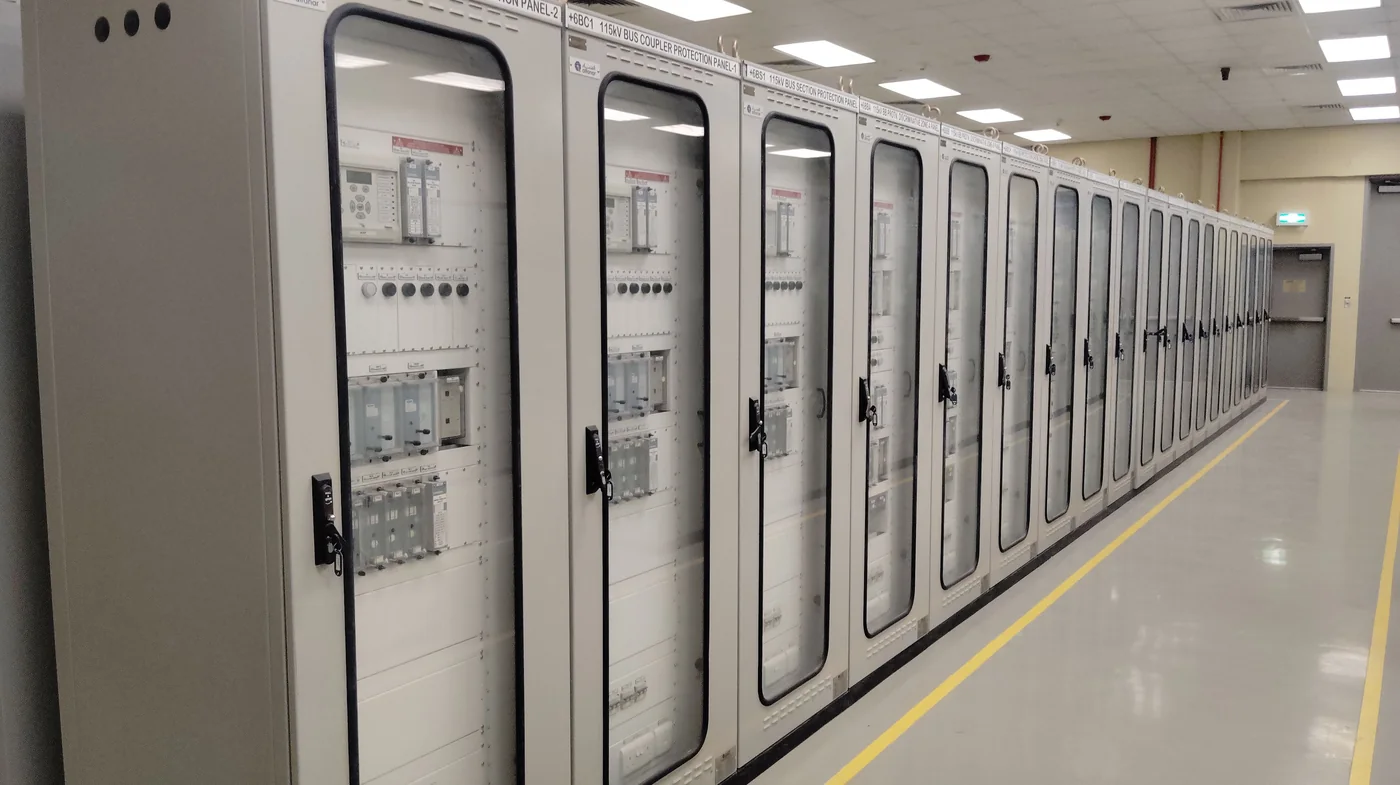 Photo: Shameer Vayalakkad Hydrose · Pexels License · Image resized and converted to WebP.
Practise reporting, triage, monitoring, and internal review using sanitised manufacturing records.
 Photo: afloresm · Creative Commons Attribution 2.0 Generic (CC BY 2.0) · Image resized and converted to WebP.
Turn observed gaps into owned actions and questions for qualified legal or certification follow-up.
Human review: Not evidence of compliance, certification readiness, assurance, legal sufficiency, cost savings, or financing eligibility.
Confirm the final syllabus, duration, dates, format and fees for your manufacturing team.
