


Build a risk-opportunity universe
Map material ESG risk and opportunity drivers across a manufacturing value chain, naming affected stakeholders, business objectives, time horizon and the evidence needed to investigate each item.
ESG Fundamentals & Strategy
A practical course for Malaysian manufacturing SMEs to identify, assess and prioritise ESG risks and opportunities across factory operations, people and governance. Participants build a simple risk register, examine causes and consequences, test existing controls, assign owners and define proportionate responses using fictional or approved evidence. The focus is decision discipline, not certification, assurance or guaranteed business results.
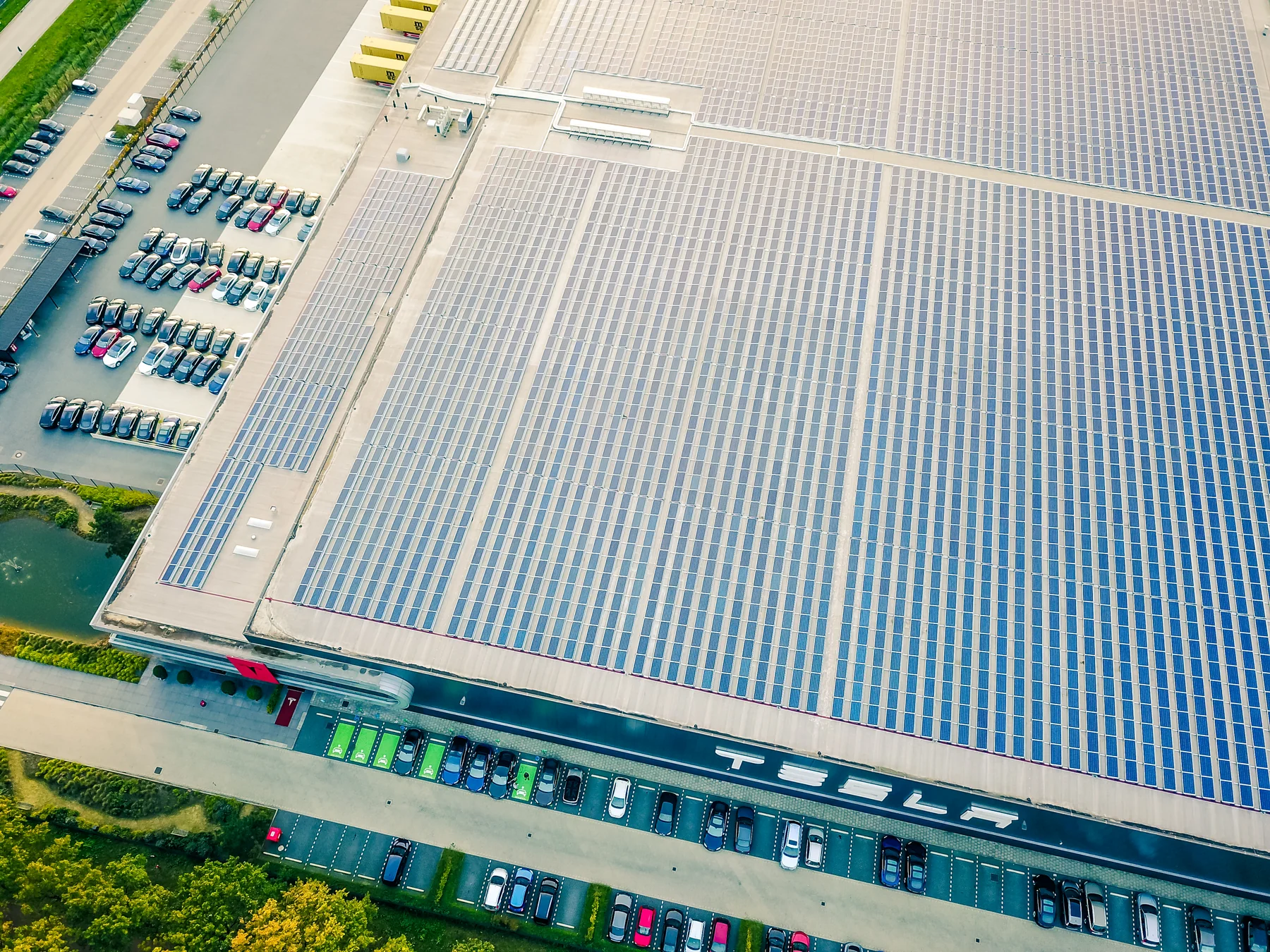
Category covers and course photos are illustrative licensed photographs, not AIGreen Plus staff, facilities or client results. Required creator and licence credits appear with each course photograph.
The matrix keeps the issue signal, evidence confidence and management response visible in one reviewable learning path.
| Decision / evidence | Issue signalWhat may affect objectives | Evidence and controlWhat supports confidence | Decision responseWhat management can decide |
|---|---|---|---|
| Cause and effect | Driver, event and consequence | Process record and affected party | Scope response and owner |
| Control confidence | Exposure if control fails | Design, operation and gap | Improve, monitor or escalate |
| Opportunity case | Potential benefit and dependency | Capability, safeguard and evidence | Pilot, gate or defer |
| Review trail | Time horizon and status | Source, assumption and reviewer | Action, trigger and review date |
This matrix structures workshop evidence; it is not a certified risk rating, legal applicability test, assurance conclusion or promise of financial benefit. Course content is educational; verify current requirements against the linked official sources and the organisation's circumstances.
This course teaches Malaysian manufacturing SME owners and cross-functional managers how to frame ESG-related uncertainty, distinguish a risk from an opportunity, assess likelihood and consequence, review controls, and prioritise actions. Participants practise a traceable risk-and-opportunity register, an evidence request list, an owner map and a review-ready action plan using fictional or approved records. It supports internal learning and planning; it does not provide a site audit, assurance, certification, legal opinion or a promise of savings, eligibility or compliance.
Map material ESG risk and opportunity drivers across a manufacturing value chain, naming affected stakeholders, business objectives, time horizon and the evidence needed to investigate each item.
Apply a transparent, qualitative likelihood, consequence and opportunity-value discussion, documenting assumptions and separating an initial workshop screen from a formal enterprise risk methodology for decision use.
Review preventive and detective controls, identify evidence gaps, and draft proportionate treatment, enhancement or opportunity actions with accountable owners, review dates and escalation triggers for management review.
Produce a traceable risk-and-opportunity register that links issue, cause, effect, control, response and source record without claiming compliance, assurance, savings or future performance or verified results.
A fictional metal-stamping SME maps a hot-weather production interruption, electricity dependency and worker heat concerns. The group identifies causes, existing controls, affected stakeholders and evidence gaps, then compares a maintenance response with a scheduling and cooling opportunity. The output is a prioritised register entry, not a forecast of downtime, cost savings, compliance or climate resilience.
A sanitised electronics assembly scenario shows a single-source component, overtime pressure and incomplete supplier labour evidence. Learners separate immediate operational consequences from people-related concerns, review available purchasing and workforce records, and design a proportionate response with escalation triggers. The exercise demonstrates traceability without judging a real supplier or concluding legal compliance.
A fictional packaging manufacturer receives a customer questionnaire about environmental and workforce risks. Participants trace each answer to records, mark unknowns, assess an opportunity to improve data ownership and draft a management review note. The exercise rewards clear scope and evidence boundaries; it does not create a disclosure, assurance opinion or customer eligibility result.
This is a fictional learning example, not client results.
Stated basis: Same 100-record sample from one fictional plant assessment · 72 ÷ 100 and 90 ÷ 100.
Absolute difference: 18 percentage points. This is a comparison of the stated exercise values, not proof of improvement.
The comparison shows a larger share of the defined sample with the requested evidence; it does not show reduced risk or improved business performance.
This exercise is not evidence of carbon reductions, cost savings, compliance, certification, assurance or financing eligibility.
Final depth, exercises and delivery details are confirmed with AIGreen Plus before delivery.
On a small screen, scroll horizontally inside the course-outline table.
| Module | Focus | Key points | Practice |
|---|---|---|---|
| 01Risk and Opportunity in Factory Decisions | Define ESG risk and opportunity in relation to objectives, uncertainty, stakeholders and time horizons across a Malaysian manufacturing SME context. |
| Map a fictional metal-parts factory's water constraint, overtime pattern and supplier delay to business objectives, affected groups, possible harm and possible upside. |
| 02Build the Risk and Opportunity Universe | Create a structured inventory from process maps, stakeholder input, incident records and emerging-change prompts before deciding which items deserve deeper assessment. |
| Teams review a fictional electronics plant map and list six potential exposures and four opportunities, noting source, owner and unresolved evidence. |
| 03Assess Causes, Effects and Time Horizons | Analyse how an ESG issue could arise, who or what it affects, and when consequences or benefits may become material to decisions. |
| For a fictional coating line, trace solvent handling to worker, community and production effects, then identify a possible safer-process opportunity and missing records. |
| 04Use a Proportionate Assessment Lens | Apply transparent qualitative criteria to compare likelihood, consequence, opportunity value, control confidence and evidence quality without presenting workshop scores as certified ratings. |
| Two fictional reviewers score a chemical-storage risk differently; participants reconcile definitions, record the rationale and flag the result for management review. |
| 05Evaluate Existing Controls and Evidence | Examine preventive and detective controls, ownership, operating evidence and residual uncertainty so a priority reflects what is actually in place. |
| A fictional plastics factory presents inspection logs and training records; learners test control design, operating evidence and residual uncertainty without declaring compliance. |
| 06Prioritise and Select Responses | Translate assessed issues into a ranked set of responses that considers feasibility, influence, urgency, dependencies and potential value creation opportunities. |
| For a fictional packaging site, compare three responses to supplier water risk and select a staged action with owner, dependency and review trigger. |
| 07Build the ESG Risk Register | Turn assessment findings into a traceable register linking issue, cause, effect, controls, response, owner, evidence and review date for management. |
| Participants convert a fictional factory assessment into four register entries, then test whether another reviewer can follow each item's evidence trail. |
| 08Governance, Monitoring and Communication | Set review rhythms and escalation routes, communicate uncertainty responsibly and connect selected ESG risks and opportunities to management planning decisions. |
| A fictional management team reviews a quarterly risk dashboard, challenges one unsupported claim and agrees an evidence request, owner and escalation date. |
This draft uses risk-to-decision maps, evidence checks and owner-led practice. It describes course design, not proven superiority or guaranteed results; confirm the final scope by enquiry.
| Focus | Proposed approach | Factory relevance |
|---|---|---|
| Risk-to-decision storyline | Exercises connect factory objectives to issue, cause, effect, control, response and review rather than treating risks as isolated labels. | Participants can explain why an item matters and what decision or evidence request should follow. |
| Evidence before scoring | Learners identify source, period, owner and evidence quality before discussing likelihood, consequence or opportunity value. | The team can flag uncertainty and avoid false precision when records are incomplete. |
| Opportunity discipline | Potential benefits are paired with assumptions, dependencies, safeguards and decision gates instead of being presented as promised outcomes. | Manufacturers can explore improvement options while keeping controls and feasibility visible. |
| Management-ready register | The final practice output links each selected issue to evidence, owner, response, escalation trigger and review date. | A cross-functional team has a practical handoff for internal discussion and follow-up. |
It is a structured learning process for identifying ESG-related uncertainty, examining causes and effects, reviewing controls, prioritising responses and monitoring evidence. The course uses manufacturing scenarios and a working register; it does not determine legal compliance or provide an assurance conclusion.
Participants assess possible improvement, resilience or capability opportunities alongside downside exposures. Each opportunity is linked to assumptions, dependencies, safeguards, evidence and a decision gate. Exercises avoid promises about returns, savings, finance access or future performance.
It suits Malaysian manufacturing SME owners and managers across operations, quality, engineering, people, procurement, finance, risk and sustainability. Attendees should be able to involve record owners and decision makers rather than assessing the factory in isolation.
Useful starting materials may include risk registers, incident logs, maintenance checks, utility summaries, supplier reviews, workforce indicators, policies and management minutes. Use only approved, anonymised or sanitised information, and label missing sources instead of guessing.
The draft uses transparent qualitative discussion of likelihood, consequence, opportunity value, control confidence and evidence quality. Participants define terms, record rationale and flag disagreement. Scores are workshop aids, not certified ratings, statutory thresholds, audit opinions or automatic priorities.
It introduces the ISO 31000 sequence of identifying, analysing, evaluating, treating, monitoring and communicating risk as an educational reference. It does not deliver ISO certification or claim that completing the course implements a standard at your site.
No. IFRS S1 is a sustainability-related financial disclosure standard with requirements for governance, strategy and processes around risks and opportunities. This course may use that distinction for context, but it is an internal assessment workshop, not a reporting submission or IFRS applicability decision.
Only approved, anonymised or sanitised records should be used. Useful materials may include control checks, maintenance records, supplier reviews and workforce indicators. Remove personal, confidential and commercially sensitive details before exercises; fictional examples are always acceptable.
Participants practise an assessment brief, risk-and-opportunity universe, control evidence sheet, prioritised action cards and a review-ready register. These are learning outputs for discussion and planning, not independent certification, assurance, a site audit, legal advice or a completed submission.
Dates, delivery format, duration, fees, tools and final scope are not fixed in this draft. Enquire with participant roles and learning priorities to confirm available arrangements. Confirm the agreed syllabus before sharing factory data; no funding or certificate sales claim is made.
ESG Risk Management and Opportunity Assessment — proposed practice flow; people remain responsible for evidence, decisions and any operational change.
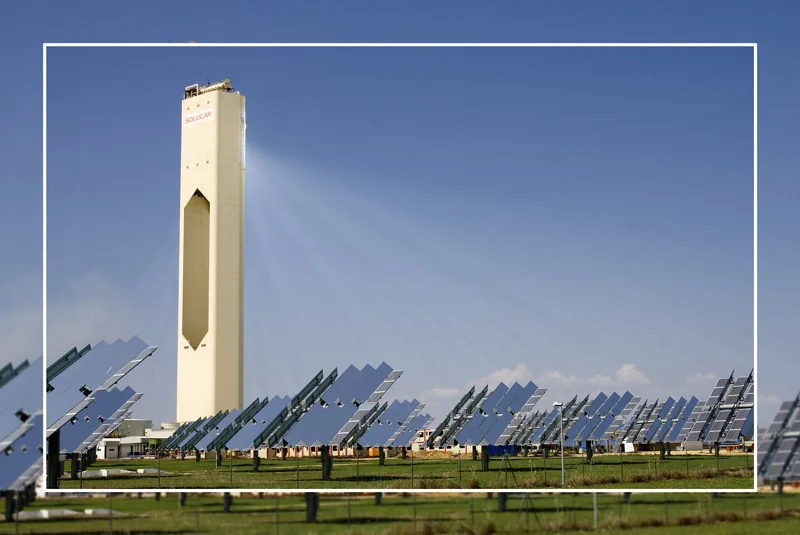 Photo: afloresm · Creative Commons Attribution 2.0 Generic (CC BY 2.0) · Image resized and converted to WebP.
Define objectives, scope, stakeholders and time horizons before listing items.
 Photo: Makoto Lin / Office of the President (Taiwan Presidential Office) · Creative Commons Attribution 2.0 Generic (CC BY 2.0) · Image resized and converted to WebP.
Map factory processes, stakeholders, external dependencies and initial ESG signals.
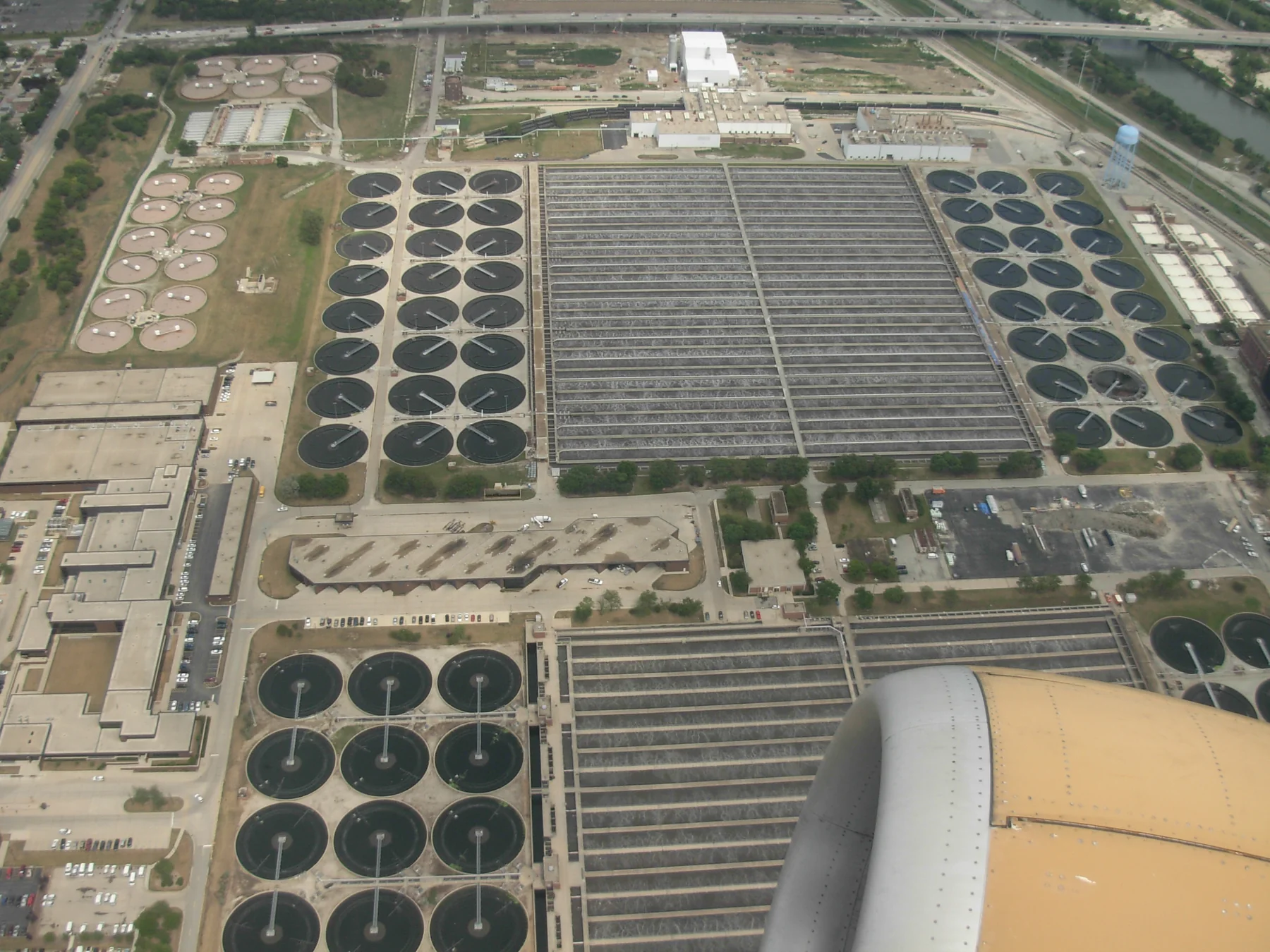 Photo: brewbooks · Creative Commons Attribution-ShareAlike 2.0 Generic (CC BY-SA 2.0) · Image resized and converted to WebP; this adaptation is shared under CC BY-SA 2.0.
Examine controls, records and assumptions for each selected issue.
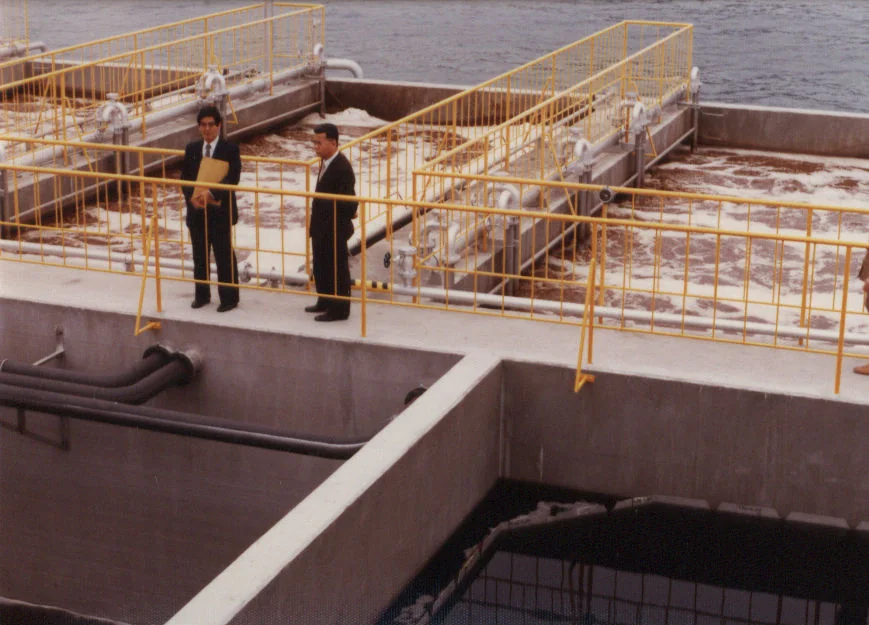 Photo: Fanghong · Creative Commons Attribution-ShareAlike 3.0 Unported (CC BY-SA 3.0); also GFDL 1.2+ · Image resized and converted to WebP; this adaptation is shared under CC BY-SA 3.0.
Prioritise responses and opportunity actions with rationale, dependencies and triggers.
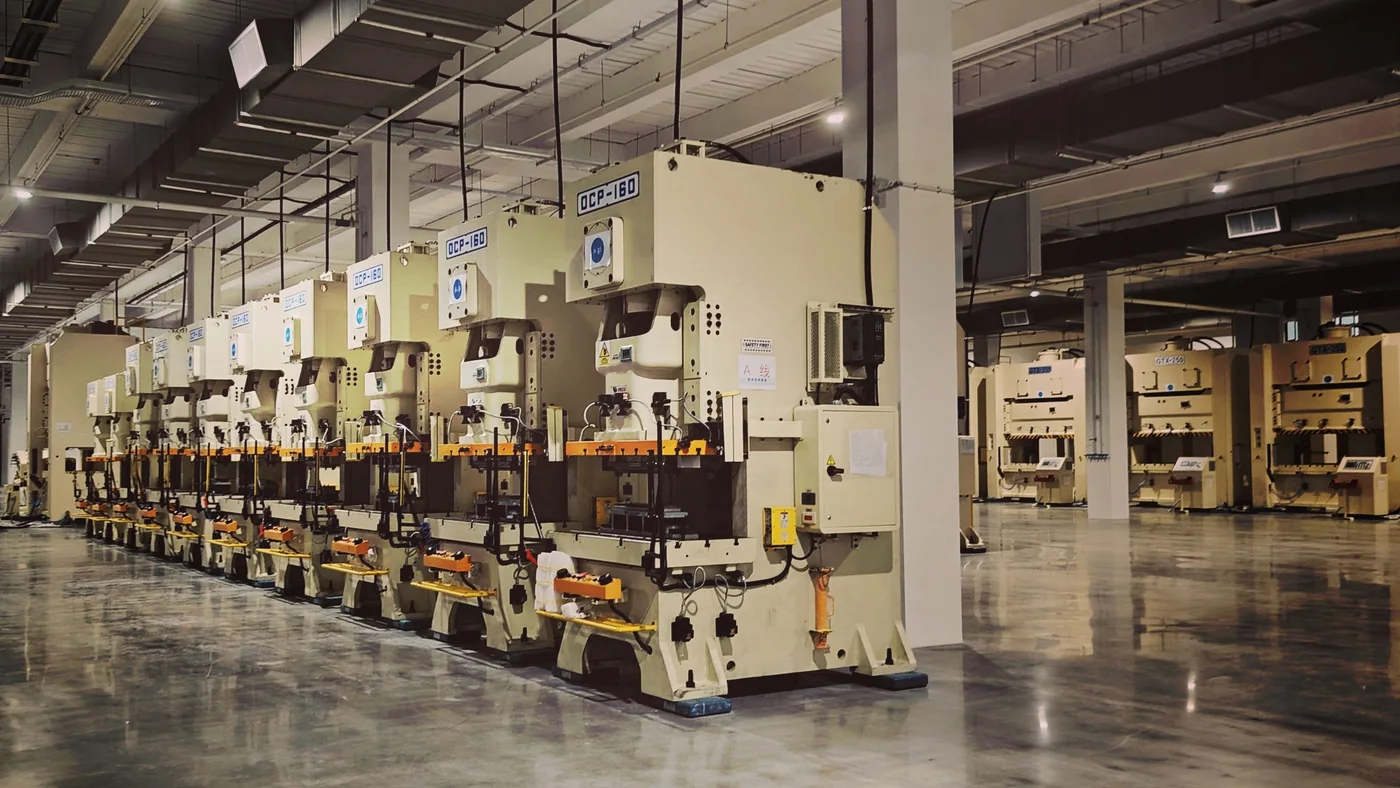 Photo: Mazhar Ulazhar · Pexels License · Image resized and converted to WebP.
Prepare a review-ready register and agree the next monitoring conversation.
Human review: This exercise is not evidence of carbon reductions, cost savings, compliance, certification, assurance or financing eligibility.
Confirm the final syllabus, duration, dates, format and fees for your manufacturing team.
