


Define assessment scope
Set a clear boundary for activities, sites, business relationships and time horizon, then record assumptions, exclusions, evidence sources and a responsible owner before discussing material topics.
ESG Fundamentals & Strategy
A practical course for Malaysian manufacturing SMEs to identify significant impacts, prioritise material topics, plan meaningful stakeholder engagement and document defensible decisions. Participants practise an impact-and-stakeholder map, evidence log, scoring discussion and engagement record using fictional factory cases, while keeping reporting, assurance and legal applicability questions separate for later confirmation.
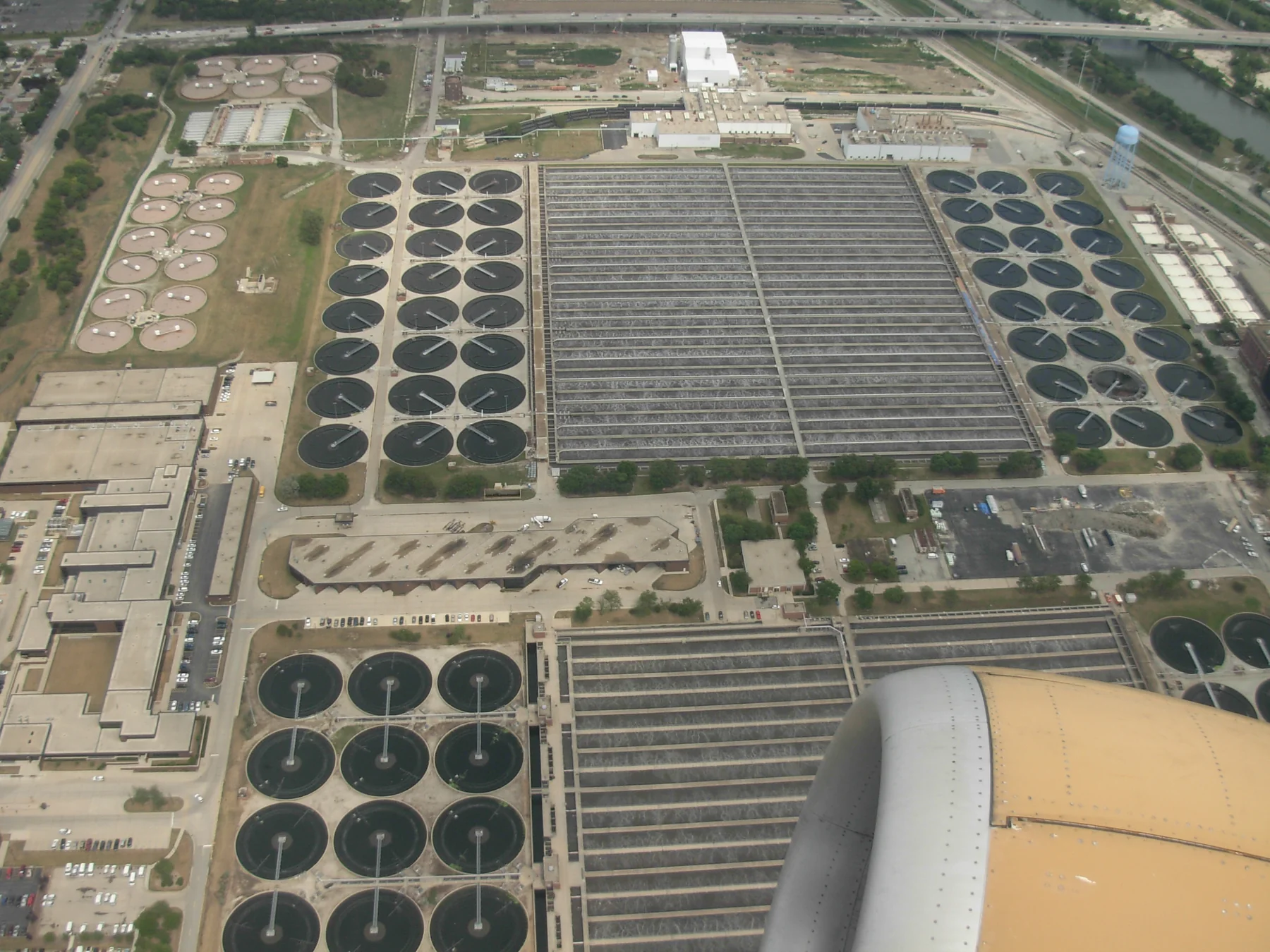
Category covers and course photos are illustrative licensed photographs, not AIGreen Plus staff, facilities or client results. Required creator and licence credits appear with each course photograph.
Materiality work is stronger when impact significance, stakeholder perspective and decision evidence are considered together within a stated scope.
| Decision / evidence | Impact significanceHow serious or widespread an impact may be | Stakeholder perspectiveWhose interests and experience inform the view | Decision evidenceWhat supports, records or limits the conclusion |
|---|---|---|---|
| Assessment question | What impacts occur or could occur? | Who is affected or has relevant insight? | What source, scope and assumption are recorded? |
| Factory example | Wastewater quality and worker exposure | Operators, contractors, nearby community | Logs, interviews, permits context and date |
| Engagement role | Test significance and missing impacts | Use safe, accessible participation | Capture feedback, response and unresolved gaps |
| Output | Ranked impact register | Stakeholder map and engagement plan | Decision paper with review triggers |
This matrix is a learning aid for an organisation's impact-oriented assessment; it is not a universal materiality verdict, legal determination, assurance conclusion or certification. Course content is educational; verify current requirements against the linked official sources and the organisation's circumstances.
This course teaches Malaysian manufacturing SME owners and cross-functional managers how to identify actual and potential impacts, map affected and interested stakeholders, assess significance, prioritise material topics and plan proportionate engagement. Participants practise creating a scope note, impact register, prioritisation record, stakeholder plan and decision trail from fictional factory information. It is a proposed learning course, not a certification, assurance engagement, site audit or guarantee; confirm final delivery format, duration, fees and syllabus by enquiry.
Set a clear boundary for activities, sites, business relationships and time horizon, then record assumptions, exclusions, evidence sources and a responsible owner before discussing material topics.
Build an impact register linking factory activities to actual or potential positive and negative effects on people, the environment and the economy, with affected stakeholder groups.
Use transparent qualitative and simple quantitative discussion to compare significance, severity, scope, likelihood and business context without presenting a classroom score as a legal conclusion.
Draft a proportionate engagement plan that names stakeholder categories, purpose, methods, timing, accessibility considerations, feedback handling, decision owners and records to retain.
A fictional electronics assembler maps soldering, cleaning, packaging and outsourced logistics across two sites. The team records actual and potential impacts, affected groups, evidence sources and time horizons. Participants then identify missing voices, distinguish a material-topic decision from a risk register, and prepare questions for a follow-up discussion without claiming that the exercise represents a real company.
A sanitised metal-finishing case presents worker feedback, contractor concerns and nearby community questions about wastewater and shift patterns. Learners choose engagement purposes, accessible methods, representatives, privacy safeguards and feedback routes. They document what can be concluded from the available evidence, what needs direct engagement and who should review the record before any external communication.
A fictional food-packaging SME compares water use, worker safety, supplier practices and product complaints using a simple significance worksheet. Groups explain their provisional prioritisation, record dissenting views, assign evidence owners and define change triggers. The exercise demonstrates a transparent decision trail; it does not produce certification, assurance, compliance clearance or a claim about actual impacts.
This is a fictional learning example, not client results.
Stated basis: Twelve evidence items available for a draft impact assessment · 6 ÷ 12 and 9 ÷ 12.
Absolute difference: 25 percentage points. This is a comparison of the stated exercise values, not proof of improvement.
The comparison shows how many agreed evidence items were checked at two review points; it does not measure impact significance or prove stakeholder views are representative.
This exercise is not a carbon reduction or cost-savings calculation, compliance or certification result, assurance opinion, or financing eligibility assessment.
Final depth, exercises and delivery details are confirmed with AIGreen Plus before delivery.
On a small screen, scroll horizontally inside the course-outline table.
| Module | Focus | Key points | Practice |
|---|---|---|---|
| 01Assessment Scope and Decision Rules | Set the assessment boundary before collecting views, including factory activities, sites, relationships, time horizon, impact lens and decision rules for prioritisation. |
| Using a fictional electronics plant, mark assessment boundaries for two sites, a contract manufacturer, maintenance contractors and a twelve-month review period. |
| 02Impact Identification in Factory Flows | Trace inputs, processes, outputs and business relationships to identify actual and potential positive and negative impacts affecting people, environment and economy. |
| Review a sanitised factory flow diagram and create six impact statements, labelling affected groups, evidence sources, time horizon and uncertainty. |
| 03Stakeholder Mapping and Voice | Identify stakeholders by affected interests, influence, vulnerability and relationship to impacts, then choose inclusive ways to hear relevant perspectives. |
| For a fictional metal-finishing factory, map workers, nearby residents, suppliers and customers, then flag who needs direct, representative or accessible engagement. |
| 04Significance and Prioritisation | Apply a documented prioritisation discussion that considers impact severity, scope, likelihood, remediability and relevant stakeholder or expert input before final selection. |
| Score a fictional wastewater concern with qualitative notes and simple ratings, then write why the ranking is provisional and what evidence could change it. |
| 05Engagement Design and Safeguards | Turn stakeholder needs into proportionate engagement objectives, methods, timing and feedback routes while protecting confidentiality, safety and meaningful participation in factory settings. |
| Design an engagement plan for contract workers and a nearby community, including purpose, format, language support, privacy controls and feedback ownership. |
| 06Evidence, Records and Traceability | Build a traceable evidence pack connecting stakeholder input and impact judgements to sources, dates, owners, assumptions and approved decision records. |
| Convert fictional interview notes, incident logs and supplier questionnaires into an evidence register with anonymised references and follow-up owners for each gap. |
| 07Decision Trail and Review | Translate assessment results into a reviewable material-topic decision, showing governance input, stakeholder feedback, changes, limitations and next review triggers. |
| Using a fictional packaging plant, revise a draft topic list after new worker feedback and document the decision change, approver and next review trigger. |
| 08Communicating Scope Without Overclaiming | Practise explaining material topics and engagement methods clearly while separating internal prioritisation, external reporting, assurance, certification and legal conclusions. |
| Rewrite three fictional website statements about a factory materiality assessment, adding scope, evidence, process limits and a review contact without claiming assurance. |
This draft uses impact maps, stakeholder planning and documented decision exercises; it describes course design, not proven superiority or guaranteed results.
| Focus | Proposed approach | Factory relevance |
|---|---|---|
| Impact-first mapping | Participants trace factory activities and relationships before ranking topics, using impact statements rather than generic ESG checklists. | This helps smaller manufacturers see where evidence and stakeholder voice belong. |
| Voice with purpose | Exercises link each engagement method to a purpose, affected group, accessibility need, feedback route and record. | Teams can plan conversations that inform decisions instead of collecting unstructured opinions. |
| Documented judgement | Templates capture scope, assumptions, significance rationale, stakeholder input, dissent and review triggers in one decision trail. | Managers can explain how a priority was reached and what could change it. |
| Bounded communication | Case rewrites separate internal prioritisation from reporting, assurance, certification and legal conclusions. | Learners can communicate a process accurately without presenting a draft assessment as external validation. |
It is a documented process for identifying actual and potential impacts, assessing their significance and prioritising material topics for a defined organisation and period. Participants learn to record scope, evidence, stakeholder input and limitations; the exercise does not create a universal ranking or legal conclusion.
An impact-oriented assessment asks how activities affect people, environment and economy, while a financial risk register focuses on risks to the organisation. They can inform each other, but neither replaces the other; participants practise recording the distinction.
Relevant groups may include workers and other affected people, suppliers, customers, nearby communities, authorities, civil-society representatives and internal decision owners, depending on scope. The course teaches participants to explain why categories were selected and to consider representatives or independent experts where direct engagement is not suitable.
Participants link each conversation to a stated purpose, appropriate method, timing, accessibility and feedback route. They consider language, privacy, safety, representation and barriers to participation, then record what was heard and how unresolved points will be handled. The plan is proportionate to the case.
Bring only organisation-approved, anonymised or sanitised material such as process maps, incident or grievance themes, supplier questionnaires, complaints, environmental records and prior engagement notes. Each exercise can also use fictional evidence. The course emphasises source, date, scope, owner and limitations rather than unsupported estimates.
Participants use a transparent discussion of impact significance, including considerations such as scale, scope, likelihood and difficulty of remedy where relevant. They document stakeholder or expert input, assumptions, dissent and gaps. A classroom worksheet is a learning aid, not a regulatory threshold or assurance conclusion.
No. It introduces concepts reflected in GRI 3 and GRI 2 and practises a documented assessment and engagement record. Reporting choices, applicable Sector Standards, current requirements and any external review need separate assessment by the organisation and an appropriately qualified person; the course is not certification or assurance.
No. It is designed for Malaysian manufacturing SMEs to build an impact-focused assessment and engagement record. Listed-issuer disclosure obligations, framework choices and reporting requirements may differ and should be checked against current official guidance with an appropriate qualified person; this course does not determine applicability.
Only if the organisation approves the setting, participants, purpose and safeguards. Do not expose personal, confidential or commercially sensitive information. The draft course can be completed with fictional, anonymised or sanitised inputs, and it does not authorise live consultation, grievance handling or operational decisions.
This draft does not fix dates, duration, delivery format, fees, tools or final participant materials. Enquire with the exact course title, participant roles and learning priorities, then confirm the agreed scope and preparation requirements. Do not send confidential factory or personal information with the enquiry.
ESG Materiality Assessment and Stakeholder Engagement — proposed practice flow; people remain responsible for evidence, decisions and any operational change.
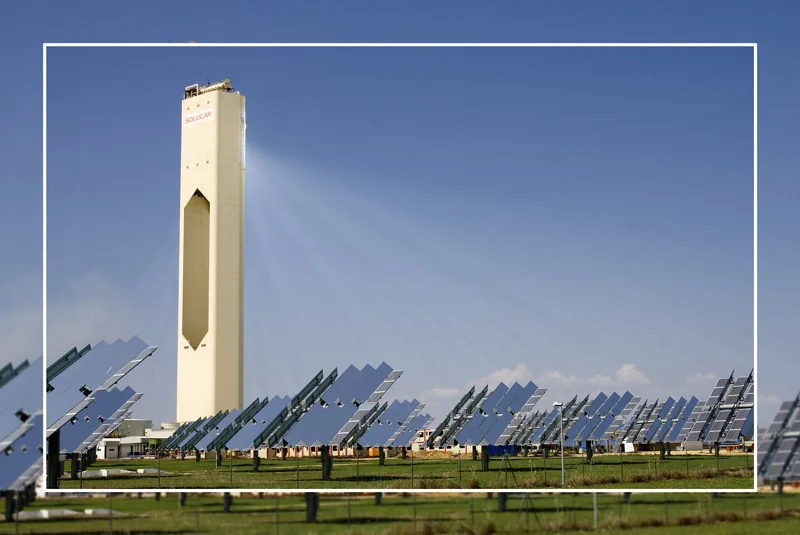 Photo: afloresm · Creative Commons Attribution 2.0 Generic (CC BY 2.0) · Image resized and converted to WebP.
Define sites, activities, relationships, time horizon and assessment lens before collecting views.
 Photo: Makoto Lin / Office of the President (Taiwan Presidential Office) · Creative Commons Attribution 2.0 Generic (CC BY 2.0) · Image resized and converted to WebP.
Trace factory processes to actual and potential impacts on people, environment and economy.
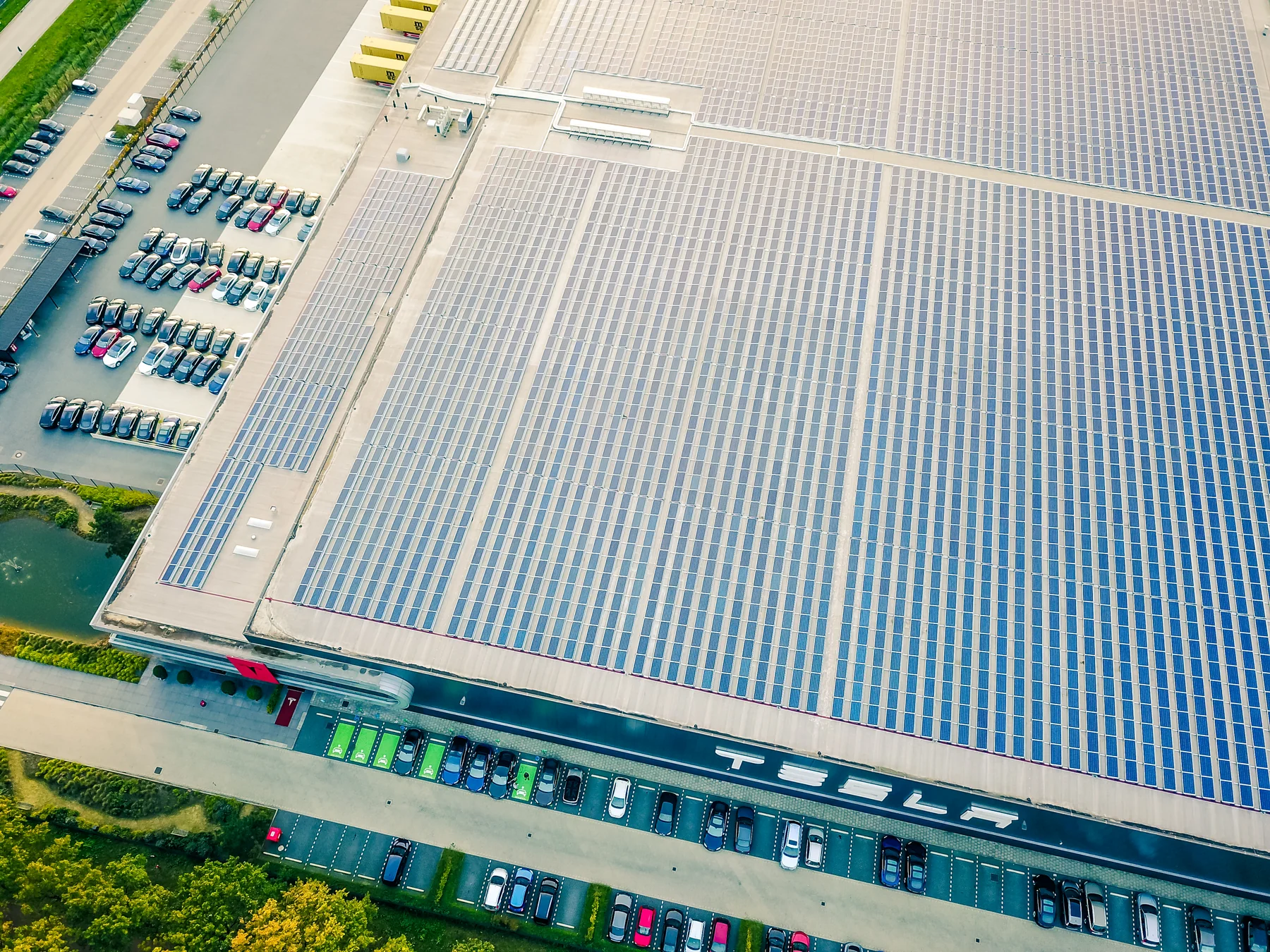 Photo: Jakob Härter · Creative Commons Attribution-ShareAlike 2.0 Generic (CC BY-SA 2.0) · Image resized and converted to WebP; this adaptation is shared under CC BY-SA 2.0.
Select relevant stakeholder groups and design safe, proportionate engagement around a stated purpose.
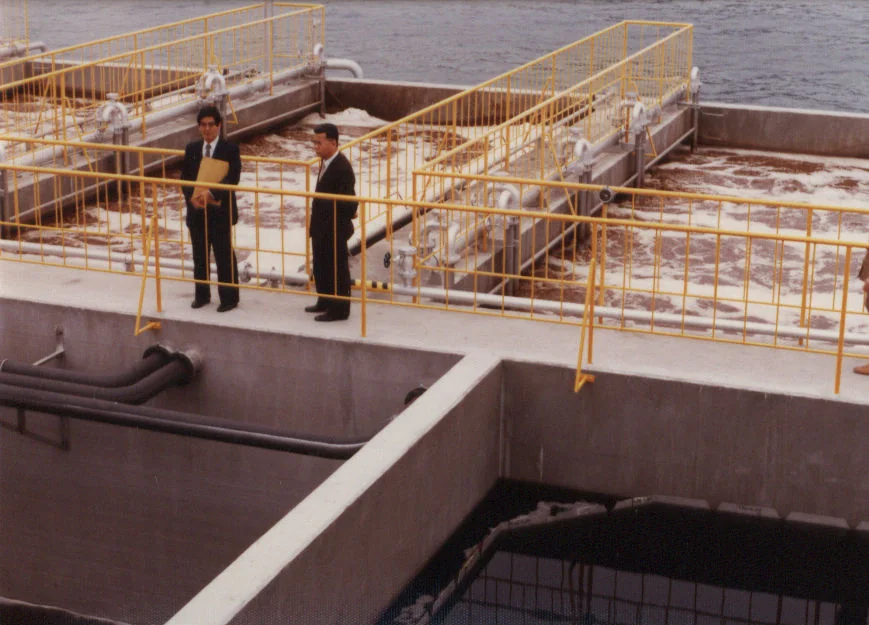 Photo: Fanghong · Creative Commons Attribution-ShareAlike 3.0 Unported (CC BY-SA 3.0); also GFDL 1.2+ · Image resized and converted to WebP; this adaptation is shared under CC BY-SA 3.0.
Compare significance and document the reasoning behind material-topic selections, deferrals and limitations.
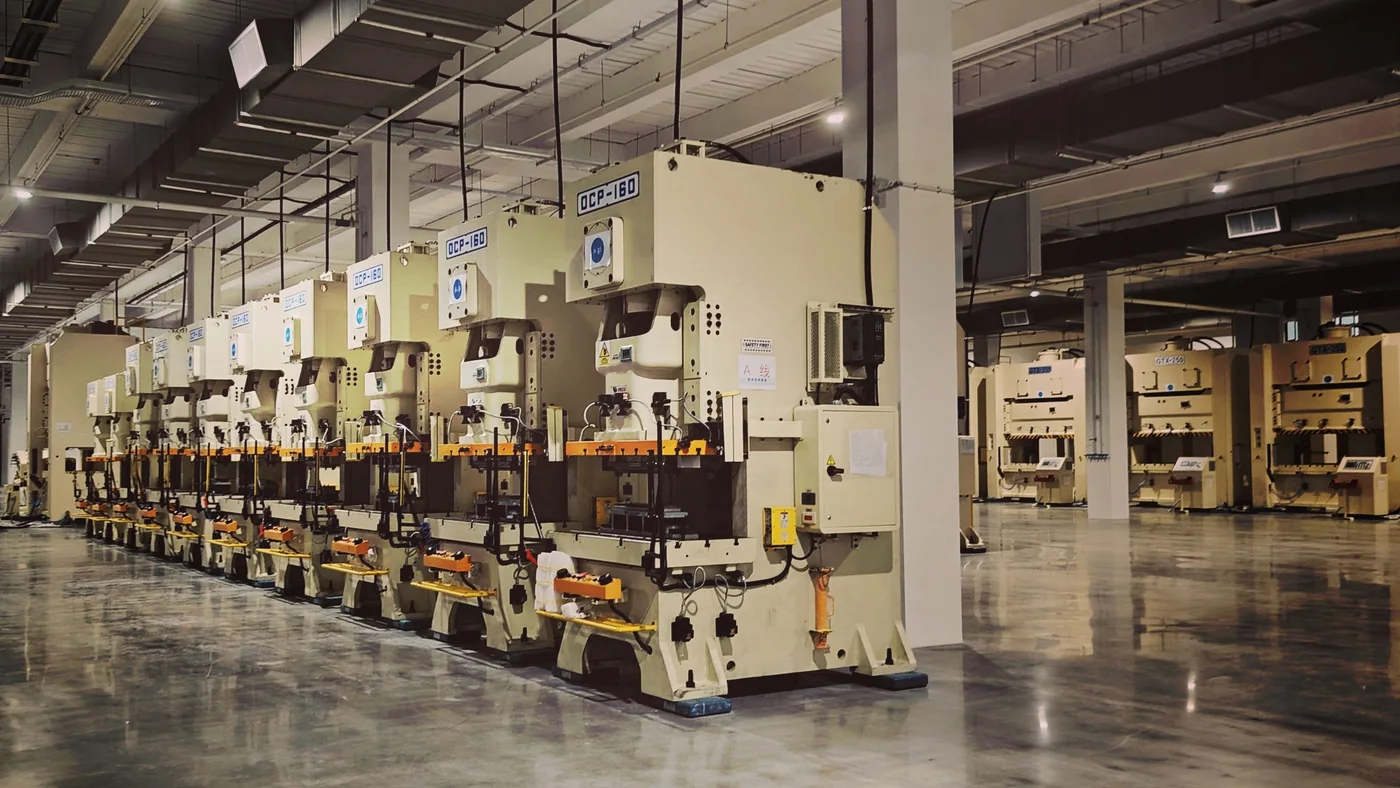 Photo: Mazhar Ulazhar · Pexels License · Image resized and converted to WebP.
Prepare a reviewable decision trail and identify triggers for updating the assessment as impacts or relationships change.
Human review: This exercise is not a carbon reduction or cost-savings calculation, compliance or certification result, assurance opinion, or financing eligibility assessment.
Confirm the final syllabus, duration, dates, format and fees for your manufacturing team.
