


Define roadmap scope
Set a practical boundary for sites, activities, people, suppliers and decision horizons so the roadmap is neither too broad nor detached from factory realities during the first planning cycle.
ESG Fundamentals & Strategy
A practical roadmap course for Malaysian manufacturing SMEs that need to move from scattered ESG intentions to sequenced action. Participants connect factory priorities with owners, evidence, controls, targets and review gates, then practise a manageable implementation plan that respects data quality, business capacity and the limits of training-based exercises.
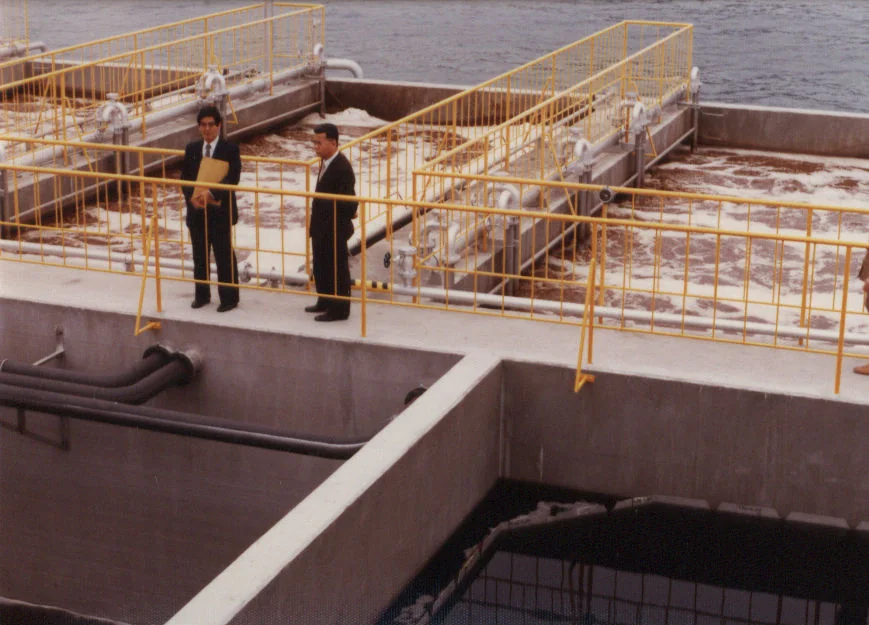
Category covers and course photos are illustrative licensed photographs, not AIGreen Plus staff, facilities or client results. Required creator and licence credits appear with each course photograph.
Use the Aqua Matrix to test whether each proposed action has direction, delivery ownership and evidence for review.
| Decision / evidence | DirectionWhy the action matters | DeliveryWho and what enables it | ProofHow progress is reviewed |
|---|---|---|---|
| Priority scope | Defined impact, risk or opportunity | Named function and accountable owner | Boundary, source and assumption recorded |
| Milestone design | Specific action and intended decision | Prerequisite, contributor and timing | Output or record that can be checked |
| Capacity choice | Urgency and business relevance considered | Resources, handoffs and constraints visible | Deferral reason and revisit point logged |
| Review gate | Question tied to the roadmap objective | Approver and escalation route identified | Versioned evidence supports the update |
A roadmap is a planning and learning tool; it does not by itself prove legal compliance, environmental performance, certification, assurance or completion of implementation. Course content is educational; verify current requirements against the linked official sources and the organisation's circumstances.
This course teaches Malaysian manufacturing SME teams how to design an ESG implementation roadmap from a defined scope, priority topics and available evidence. Participants practise sequencing actions, assigning owners, checking dependencies, choosing useful indicators and preparing a review rhythm for factory operations. Outputs include a draft roadmap, evidence register, responsibility map and review agenda. It serves owners, operations, quality, EHS, HR, procurement and finance contributors; it does not promise certification, compliance or measured performance results.
Set a practical boundary for sites, activities, people, suppliers and decision horizons so the roadmap is neither too broad nor detached from factory realities during the first planning cycle.
Rank ESG actions using impact, urgency, dependency, influence and evidence readiness, then record why an action is sequenced, deferred or escalated for the next review cycle.
Create a responsibility map linking each roadmap action to an accountable owner, contributors, an approver, required records and a defined review point for each priority workstream.
Assemble a draft roadmap, evidence register, indicator list and review agenda that distinguish plans, observations, estimates and verified organisational information for a regular management review cycle.
A fictional component manufacturer begins with a site scope, then links electricity records, waste controls, safety observations and supplier questionnaires to four workstreams. Participants sequence evidence ownership before target setting, mark dependencies and prepare a management review pack without claiming that any performance improvement has occurred.
In a sanitised exercise, a plating line team maps chemical handling, wastewater checks, worker training and emergency responsibilities. They distinguish existing controls from proposed actions, assign an accountable owner for each gap and choose review questions that can be answered from approved records rather than assumptions.
A fictional contract manufacturer tests a roadmap containing supplier screening, worker feedback, safety training and governance approvals. The group identifies a missing evidence owner, moves one dependent action later, records the rationale and drafts a cautious internal update that separates completed steps from planned work.
This is a fictional learning example, not client results. A team reviews whether roadmap evidence is sufficiently available before describing implementation progress.
Stated basis: Evidence items reviewed across approved priority workstreams · 12 ÷ 24 and 18 ÷ 24.
Absolute difference: 25 percentage points. This is a comparison of the stated exercise values, not proof of improvement.
The simple comparison shows how the share of reviewed items available for the draft roadmap changes between two fictional review points; it does not establish ESG performance or implementation success.
This exercise is not evidence of carbon reductions, cost savings, legal compliance, certification, assurance or financing eligibility.
Final depth, exercises and delivery details are confirmed with AIGreen Plus before delivery.
On a small screen, scroll horizontally inside the course-outline table.
| Module | Focus | Key points | Practice |
|---|---|---|---|
| 01Roadmap Scope and Starting Point | Frame an implementation roadmap around the factory boundary, operating model, stakeholders, available capacity and the decisions the business actually needs to make. |
| Draft a scope card for a fictional Malaysian component factory, including sites, functions, stakeholders, exclusions, assumptions and the first management decision. |
| 02Material Topics into Workstreams | Translate material ESG concerns into manageable factory workstreams that connect impacts, stakeholder input, business relevance and evidence needs for roadmap decisions. |
| Use a fictional factory topic set to group energy, waste, safety, workforce and supplier issues into workstreams with rationale and evidence prompts. |
| 03Baseline Evidence Register | Create a traceable register for policies, records, observations and data gaps before teams select proposed implementation milestones or describe progress. |
| Classify a sanitised set of factory records, then create evidence cards for waste manifests, training logs and utility data with follow-up owners. |
| 04Sequencing Dependencies and Capacity | Sequence roadmap actions by dependency, risk, effort and organisational capacity so early work strengthens later controls instead of creating parallel confusion. |
| Arrange fictional actions for a finishing line, showing how data ownership, waste controls, supplier checks and management review depend on one another. |
| 05Environmental Control Path | Connect roadmap actions to resource use, pollution prevention, waste, water, energy and environmental management controls without treating the course as certification. |
| Build an environmental workstream for a fictional metal-plating factory, linking aspects, controls, evidence, owner actions and a documented review checkpoint. |
| 06People and Governance Enablers | Embed workforce, safety, supplier, ethics and oversight considerations so environmental projects are supported by responsible roles, clear handoffs and decision processes. |
| Review a fictional factory readiness map and add worker consultation, safety ownership, supplier follow-up and management escalation to three roadmap actions. |
| 07Indicators Targets and Review | Turn roadmap milestones into useful indicators, cautious targets and review questions that help managers learn without claiming outcomes before evidence exists. |
| Convert three fictional roadmap milestones into indicator cards with scope, baseline field, target proposal, evidence source, review date and escalation question. |
| 08Roadmap Governance and Communication | Prepare a controlled roadmap pack that supports management review, responsible updates and transparent changes when priorities, evidence or capacity shift. |
| Run a fictional quarterly review, update delayed actions, record decisions and rewrite one progress statement so its scope and evidence are clear. |
This proposed course uses factory workstreams, evidence cards and review gates to practise roadmap design; it describes teaching scope, not proven superiority, certification or guaranteed results.
| Focus | Proposed approach | Factory relevance |
|---|---|---|
| Scope before sequencing | Learners define sites, activities, relationships, exclusions and decision horizons before placing actions on a roadmap. | A smaller manufacturer can see which work belongs in the first plan and which questions require later assessment. |
| Evidence-led workstreams | Each workstream pairs a priority with source, owner, status, evidence gap, dependency and proposed review question. | Teams can avoid building milestones around records that are unavailable, unapproved or not yet understood. |
| Capacity-aware sequencing | Exercises compare prerequisites, handoffs, effort and operational capacity while making deferrals and assumptions explicit. | Managers can discuss a manageable sequence instead of treating every ESG action as an immediate project. |
| Governed review pack | Participants assemble a versioned roadmap, responsibility map, indicator cards and management review agenda with an approval gate. | Decision-makers have a practical way to review movement, gaps and changes without confusing plans with achieved results. |
It is a sequenced planning document that links selected ESG priorities to actions, owners, dependencies, evidence, review points and decision records. The course treats it as a practical management-learning tool for a factory, not as proof that implementation, compliance or performance improvement has been achieved.
The intended participants are Malaysian manufacturing SME owners and cross-functional contributors from operations, EHS, quality, facilities, HR, procurement and finance. The most useful group can discuss factory processes, involve record owners and help decide which actions are realistic for the organisation's current capacity.
Prepare approved or sanitised examples of site boundaries, process maps, policies, energy or waste records, safety and training logs, supplier information, current action lists and review minutes. The course does not require confidential data; fictional or anonymised records are suitable for every exercise.
Participants consider operational impacts, stakeholder concerns, business relevance, influence, urgency, dependencies and evidence readiness. They record why a topic is prioritised, deferred or escalated. The exercise is not a substitute for a company-specific materiality assessment or advice on current legal applicability.
It introduces how environmental controls, responsibilities, indicators, review and continual improvement can fit a roadmap. ISO 14001 is used as an educational reference point, but the course does not interpret the standard for a site or promise certification, conformity or a completed environmental management system.
They define a boundary, baseline field, indicator, timeframe, owner, evidence source and review question before drafting a target. Proposed targets remain planning inputs until the organisation validates its data, approves the action and evaluates actual performance through its own controls.
Workstreams can include worker voice, safety responsibilities, training, supplier follow-up, ethics controls, approvals, escalation and management oversight. Participants connect each item to an accountable role and evidence check, while recognising that the course does not perform a social audit or legal review.
It can help organise topics, owners, evidence and review questions that may support later reporting work. GRI Standards describe reporting on an organisation's impacts and how material topics are managed; the course does not prepare or submit a report or determine which framework applies.
No. It is proposed training with fictional or approved learning exercises. A draft roadmap, evidence register and review pack are participant outputs, not an audit opinion, independent assurance, legal compliance determination, ISO certification or verified claim about the organisation.
Dates, duration, fees, delivery format, tools and final syllabus are not fixed in this draft. Please enquire with the course title, participant roles, sites and learning priorities. Confirm the agreed scope and preparation requirements before sharing any confidential factory information or planning delivery.
ESG Implementation Roadmap for Manufacturing Companies — proposed practice flow; people remain responsible for evidence, decisions and any operational change.
 Photo: afloresm · Creative Commons Attribution 2.0 Generic (CC BY 2.0) · Image resized and converted to WebP.
Define the factory scope, stakeholders, decision horizon and assumptions that the roadmap will address.
 Photo: Makoto Lin / Office of the President (Taiwan Presidential Office) · Creative Commons Attribution 2.0 Generic (CC BY 2.0) · Image resized and converted to WebP.
Convert material ESG concerns and operational observations into prioritised workstreams with a clear rationale.
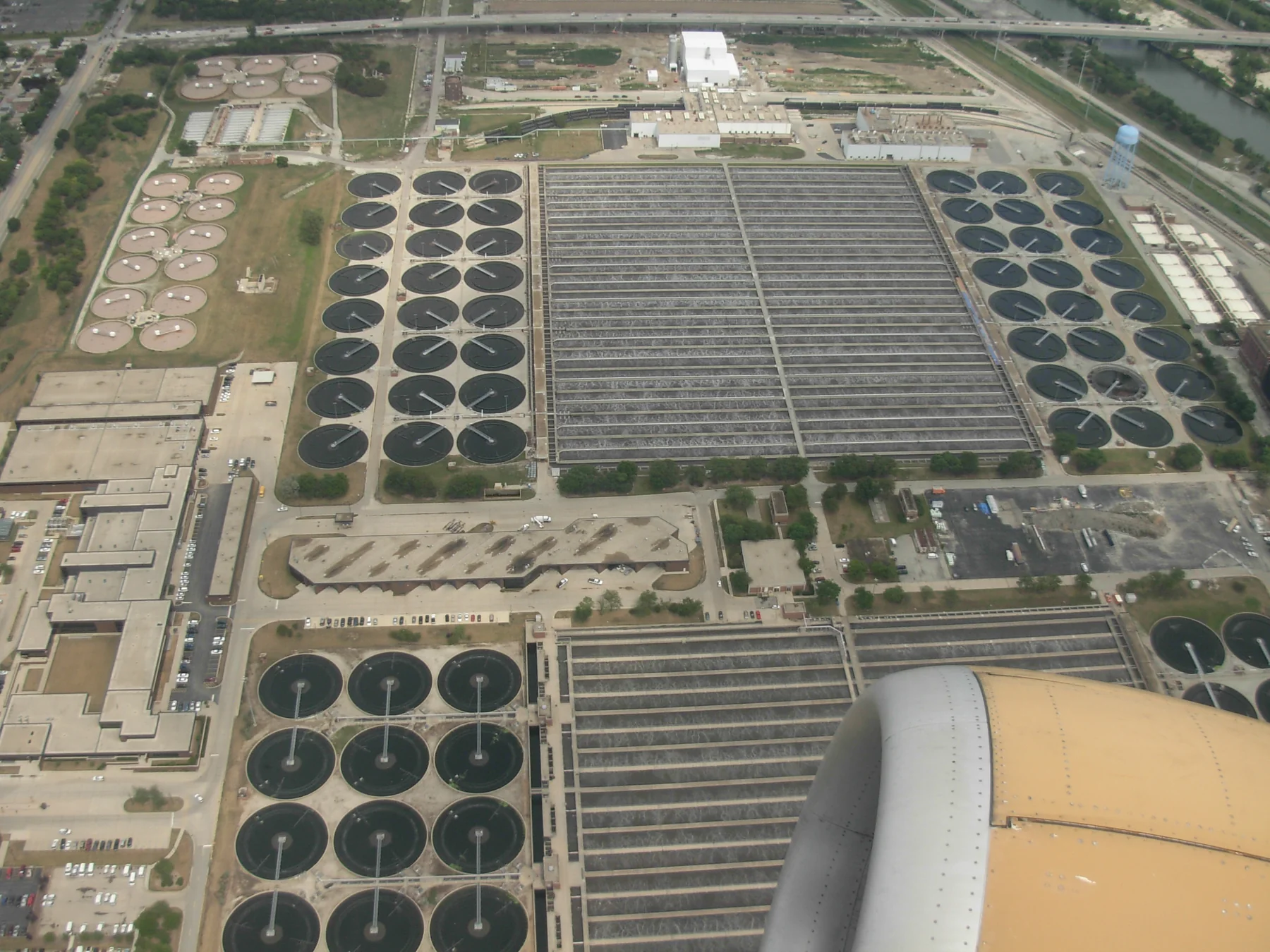 Photo: brewbooks · Creative Commons Attribution-ShareAlike 2.0 Generic (CC BY-SA 2.0) · Image resized and converted to WebP; this adaptation is shared under CC BY-SA 2.0.
Give every action an accountable owner, contributors, dependency, decision route and capacity assumption.
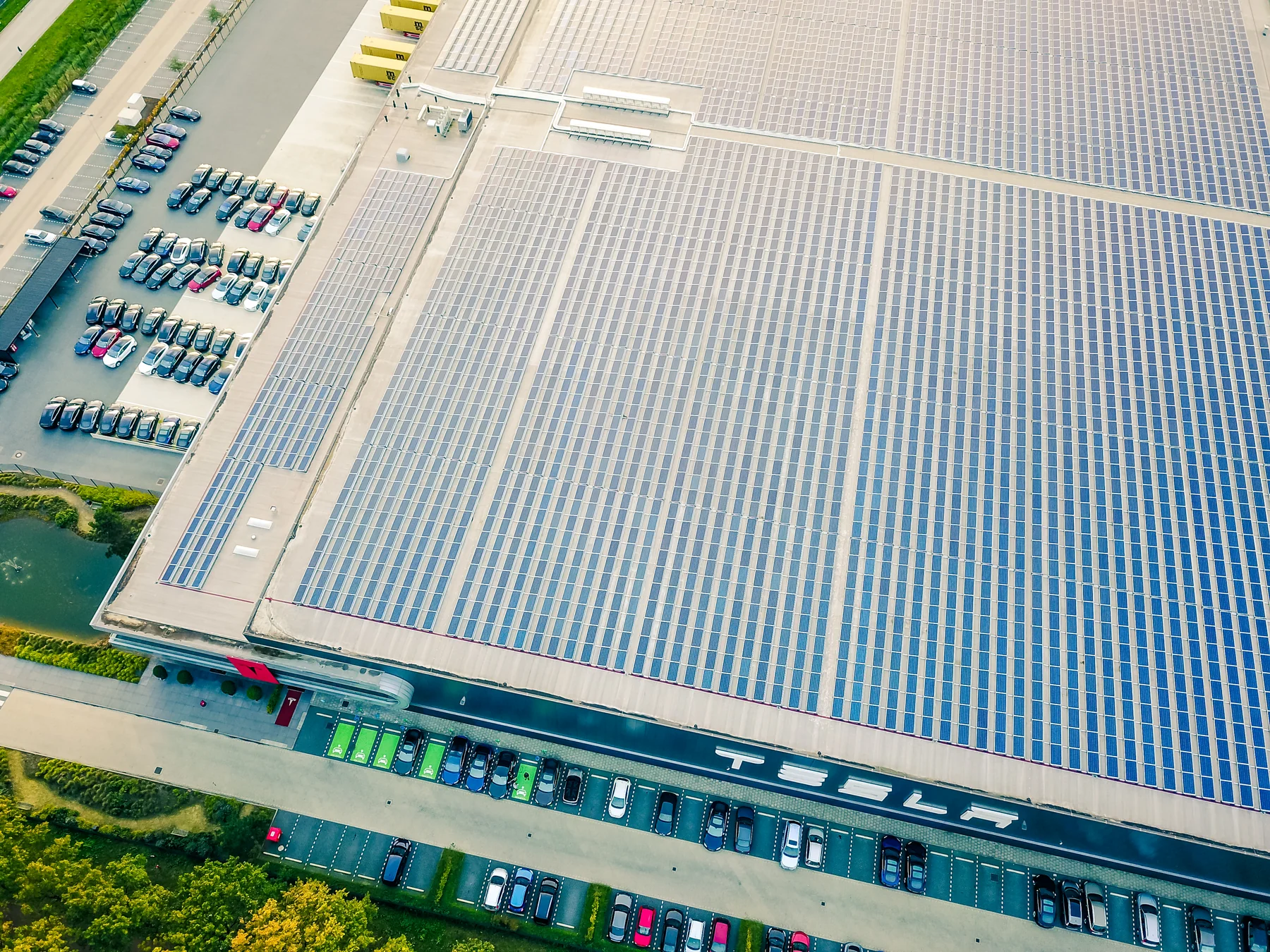 Photo: Jakob Härter · Creative Commons Attribution-ShareAlike 2.0 Generic (CC BY-SA 2.0) · Image resized and converted to WebP; this adaptation is shared under CC BY-SA 2.0.
Collect approved records and define indicators, baselines and gaps before describing progress or setting a target.
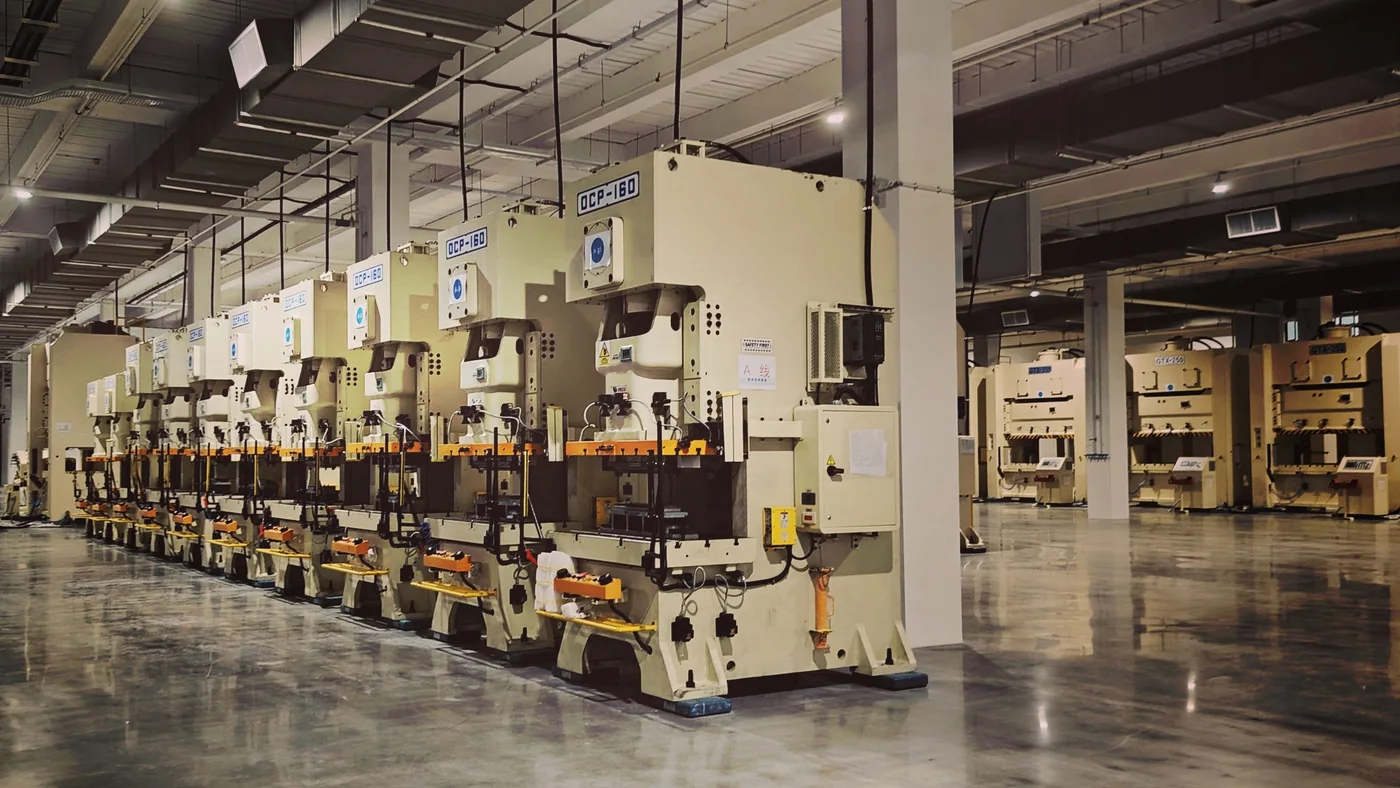 Photo: Mazhar Ulazhar · Pexels License · Image resized and converted to WebP.
Use a recurring management review to confirm decisions, revise sequence, close gaps and control roadmap communications.
Human review: This exercise is not evidence of carbon reductions, cost savings, legal compliance, certification, assurance or financing eligibility.
Confirm the final syllabus, duration, dates, format and fees for your manufacturing team.
