


Map material priorities
Create a simple view of environmental, people and governance topics relevant to the business, with stakeholders, impacts and decision owners.
ESG Fundamentals & Strategy
A practical, infographic-style introduction to ESG for Malaysian manufacturing SMEs. Map environmental, people and governance priorities, establish a defensible baseline, assign owners and set reasonable targets without overclaiming.

Category covers and course photos are illustrative licensed photographs, not AIGreen Plus staff, facilities or client results. Required creator and licence credits appear with each course photograph.
Compare three practical lenses so a leadership team can move from broad ESG themes to proportionate, evidence-led decisions.
| Decision / evidence | PriorityWhy the topic matters here | EvidenceWhat can support the discussion | AccountabilityHow work is owned and reviewed |
|---|---|---|---|
| Topic choice | Impact, risk or opportunity relevant to the factory | Stakeholder input and operating context recorded | Decision owner and contributors identified |
| Baseline | Selected scope and period stated | Source, unit, date and gap recorded | Custodian and review route named |
| Action | Priority converted into a manageable next step | Assumption and evidence check attached | Owner, timeframe and target documented |
| Communication | Fact, plan or aspiration labelled | Claim matched to scope and supporting record | Approver and update date recorded |
This matrix is a learning aid for prioritisation and evidence discipline; it is not a materiality determination, audit, assurance opinion, certification or regulatory assessment. Course content is educational; verify current requirements against the linked official sources and the organisation's circumstances.
This course helps Malaysian manufacturing SME owners and cross-functional leaders turn ESG concepts into a practical first plan. Participants map environmental, people and governance issues, collect baseline evidence, assign accountable owners, set reasonable targets and test public claims for greenwashing risk. Use the draft to align priorities; confirm dates, fees, duration, tools and final syllabus by enquiry.
Create a simple view of environmental, people and governance topics relevant to the business, with stakeholders, impacts and decision owners.
Organise available energy, waste, safety, workforce, supplier and governance records; label gaps, assumptions and evidence quality.
Turn selected priorities into measurable next steps with an owner, timeframe, baseline, review cadence and a proportionate target.
Draft clear internal and external messages that distinguish facts, plans and aspirations, and check claims for greenwashing risk before approval.
A fictional factory team sorts monthly utility records, waste notes and process observations into evidence cards. They identify the data owner, mark gaps and draft one reasonable environmental action without claiming a result that has not been measured.
Using anonymised mock information on safety observations, training, workforce feedback and supplier practices, leaders identify a people-related priority, assign an owner and define what evidence should be reviewed next.
A cross-functional group reviews a fictional ESG update, traces each statement to evidence or an action plan, records the approver and rewrites any overbroad claim as a proportionate, reviewable message.
This is a fictional learning example, not client results.
Stated basis: Ten priority topics in a fictional factory review · 8 ÷ 10 and 10 ÷ 10.
Absolute difference: 20 percentage points. This is a comparison of the stated exercise values, not proof of improvement.
The exercise illustrates how the completeness of reviewed evidence can be compared with the available topic list; it does not show ESG performance or training impact.
Not evidence of carbon reductions or cost savings, legal compliance, certification, assurance, or financing eligibility.
Final depth, exercises and delivery details are confirmed with AIGreen Plus before delivery.
On a small screen, scroll horizontally inside the course-outline table.
| Module | Focus | Key points | Practice |
|---|---|---|---|
| 01ESG in a Manufacturing SME | Build a plain-language view of environmental, people and governance responsibilities in a manufacturing business. |
| Create a one-page ESG map showing key activities, affected people, environmental aspects and governance touchpoints. |
| 02Priority Mapping and Material Topics | Choose a manageable starting set of issues using business relevance, stakeholder concern and available influence. |
| Place fictional manufacturing topics on a simple priority grid, then record why each topic was selected or deferred. |
| 03Baseline Evidence: Find, Label, Verify | Turn scattered records into a traceable baseline that shows what is known, estimated or still missing. |
| Build an evidence card for a mock energy, waste or workforce metric and assign a follow-up owner for each gap. |
| 04Environmental Foundations | Explore practical environmental controls across energy, water, materials, waste and relevant operational impacts. |
| Use a fictional factory flow to mark resource inputs, waste points, existing controls, evidence needs and a reasonable next action. |
| 05People, Safety and Responsible Work | Connect ESG planning with workplace safety, fair treatment, capability, engagement and responsible supply-chain relationships. |
| Review a fictional people-practices snapshot and turn three observations into owner-led actions with evidence checks. |
| 06Governance and Accountability | Make responsibilities, review routes and decision records visible so ESG work is governed rather than left as a slogan. |
| Draft a lightweight ESG responsibility map showing an accountable owner, contributors, reviewer and escalation point for each priority. |
| 07Targets, Action Plans and Review | Translate a verified baseline into proportionate actions, reasonable targets and a review rhythm that the business can manage. |
| Convert a fictional baseline into an action card with target, owner, timeframe, evidence source, review date and assumptions. |
| 08Greenwashing Checks and ESG Communication | Communicate progress carefully by separating current facts, work underway and future ambition before approval. |
| Review fictional ESG statements, classify each as fact, plan or aspiration, then rewrite one claim with a clear evidence note and owner. |
This draft uses concise visual maps, evidence cards and owner-led exercises. It describes course design, not a guarantee of outcomes or a comparison claiming other providers lack similar features; confirm the final scope by enquiry.
| Focus | Proposed approach | Factory relevance |
|---|---|---|
| Infographic-style learning | Each topic follows a visual path: issue, evidence, owner, target and review, before deeper discussion. | Leaders can see the decisions and next steps without wading through a catalogue of jargon. |
| Manufacturing SME context | Examples connect factory operations, workforce realities, suppliers and leadership oversight in one storyline. | The course starts from practical records and conversations a smaller business may already have. |
| Baseline before ambition | Exercises identify source, date, unit, owner and gaps before a target or message is drafted. | Teams can distinguish what is known, estimated or still needing validation. |
| Constructive claim discipline | Learners separate current facts, actions underway and future aims, then apply a greenwashing check and approval gate. | Communications remain proportionate and reviewable rather than overstating progress. |
It is a practical introduction to environmental, people and governance priorities for Malaysian manufacturing SMEs. The draft uses visual maps and short exercises to cover priority setting, baseline evidence, owners, targets, review and responsible communication.
It is designed for manufacturing SME owners and cross-functional leaders across operations, finance, people, procurement, quality and related functions. Participants should be able to involve the people who own relevant records and decisions.
Yes. The course begins with plain-language concepts and a visual ESG map, then moves into practical evidence, ownership and communication exercises. Advanced sustainability knowledge is not assumed.
Useful starting materials may include energy, water, waste, safety, training, workforce, supplier and governance records. Bring only information the organisation has approved for learning use; anonymised or sanitised examples are suitable.
Participants practise setting proportionate targets from a stated baseline, timeframe, owner and review method. The emphasis is on reasonable, evidence-led planning rather than automatic commitments or promises of savings.
Learners separate current facts, actions underway and future aspirations, then check whether each claim has suitable evidence, clear scope and an approver. Vague, absolute or unsupported statements are rewritten before circulation.
The draft is structured around visual maps, evidence cards, action cards and review prompts. Specific templates, software, participant materials and access requirements should be confirmed when the course is scoped.
Use only records approved for the learning setting, and remove or protect personal, confidential, proprietary and commercially sensitive details. Fictional, anonymised or sanitised information is appropriate for practice.
Dates, delivery format, duration and fees are not fixed in this draft. Please enquire with the course title, participant roles and learning priorities so the available arrangements and quotation can be confirmed.
In your enquiry, ask for the current syllabus, dates, fees, duration, delivery format, tools, materials and any preparation requirements. Share learning priorities rather than confidential factory data, and confirm the agreed scope before planning delivery.
ESG Fundamentals and Awareness for Business Leaders — proposed practice flow; people remain responsible for evidence, decisions and any operational change.
 Photo: Makoto Lin / Office of the President (Taiwan Presidential Office) · Creative Commons Attribution 2.0 Generic (CC BY 2.0) · Image resized and converted to WebP.
Identify a manageable set of ESG topics linked to the factory's impacts, risks, opportunities and stakeholders.
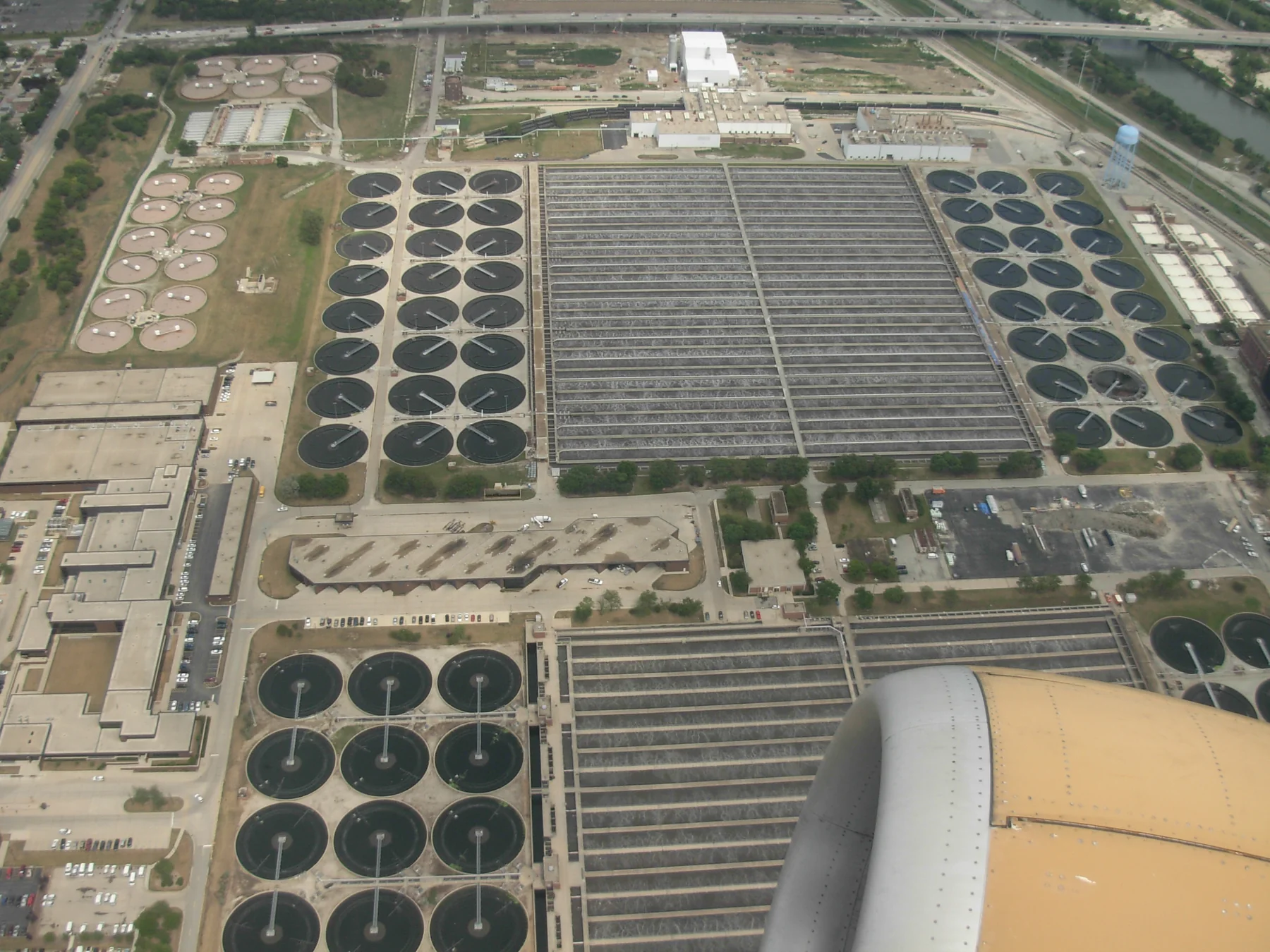 Photo: brewbooks · Creative Commons Attribution-ShareAlike 2.0 Generic (CC BY-SA 2.0) · Image resized and converted to WebP; this adaptation is shared under CC BY-SA 2.0.
Trace selected topics to available records while making gaps, estimates and evidence quality visible.
 Photo: Jakob Härter · Creative Commons Attribution-ShareAlike 2.0 Generic (CC BY-SA 2.0) · Image resized and converted to WebP; this adaptation is shared under CC BY-SA 2.0.
Turn priorities into coordinated work by naming the accountable owner, contributors and escalation route.
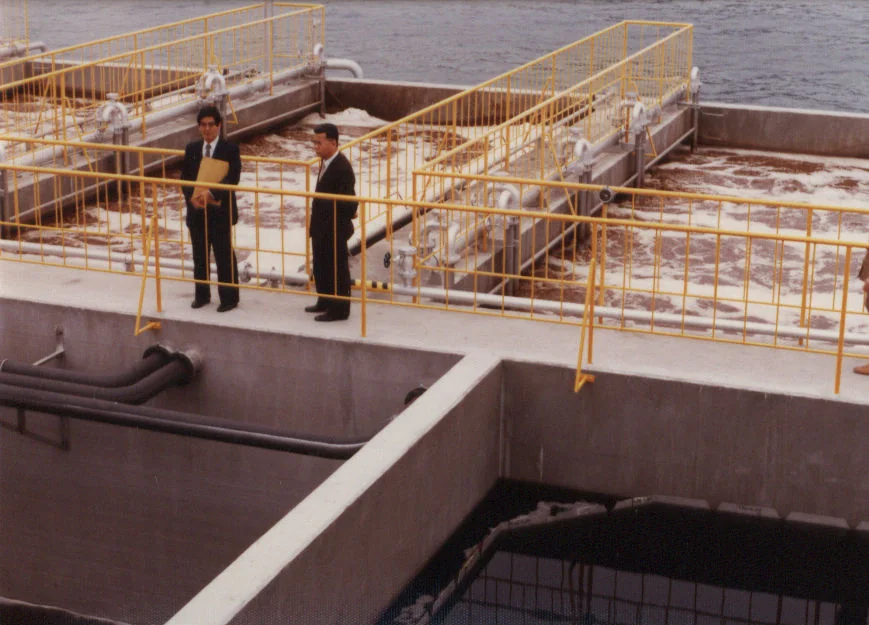 Photo: Fanghong · Creative Commons Attribution-ShareAlike 3.0 Unported (CC BY-SA 3.0); also GFDL 1.2+ · Image resized and converted to WebP; this adaptation is shared under CC BY-SA 3.0.
Practise converting a stated baseline into a proportionate action with a timeframe and review cadence.
 Photo: Mazhar Ulazhar · Pexels License · Image resized and converted to WebP.
Test draft ESG messages so facts, plans and aspirations are scoped, supported and approved before circulation.
Human review: Not evidence of carbon reductions or cost savings, legal compliance, certification, assurance, or financing eligibility.
Confirm the final syllabus, duration, dates, format and fees for your manufacturing team.
