


Map Factory Water
Map major intake, process, cleaning, utility, and discharge points on a simplified factory flow diagram, while marking assumptions and gaps that require measurement before making any efficiency claim.
Energy & Environmental Management
Designed for Malaysian manufacturing SMEs, this course connects water-use mapping, conservation opportunities, wastewater prevention, treatment-system monitoring, and practical evidence. Participants examine where water enters and leaves a factory, choose proportionate controls, and practise defining indicators and records without treating classroom exercises as a site audit, compliance determination, certification, or guaranteed savings programme.
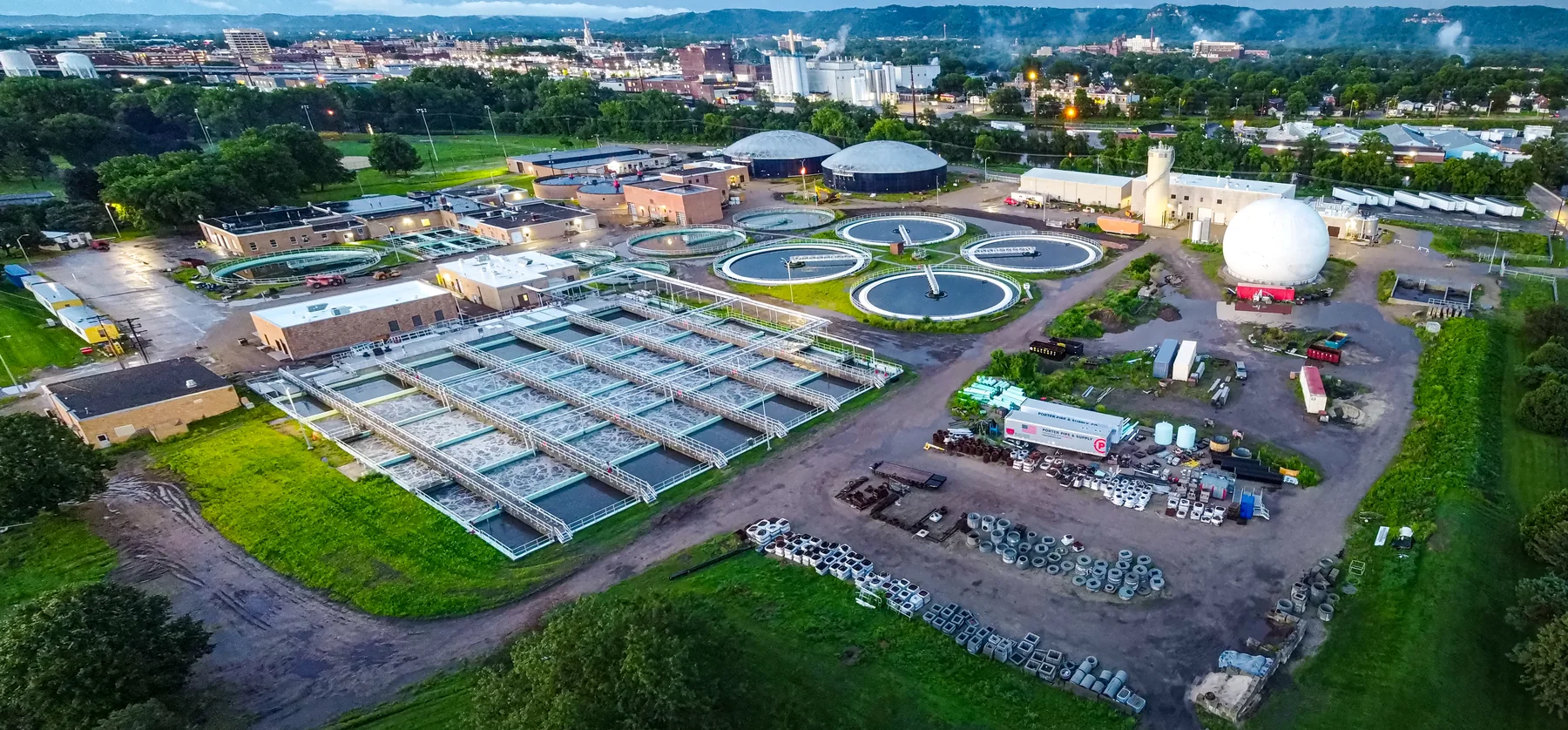
Category covers and course photos are illustrative licensed photographs, not AIGreen Plus staff, facilities or client results. Required creator and licence credits appear with each course photograph.
The matrix separates three linked lenses so a factory can connect water efficiency with wastewater control and evidence review without collapsing them into one claim.
| Decision / evidence | Source and UseWhere water enters and supports operations | Wastewater ControlWhat each stream carries and where it goes | Evidence and ReviewHow observations and records support decisions |
|---|---|---|---|
| Primary question | Where is water taken and used? | What enters each wastewater stream? | What record or observation tests it? |
| Boundary | Intake, process, utilities, cleaning | Segregated process, sanitary, stormwater | Meter, log, sample, maintenance scope |
| First response | Fix leaks and control flow | Prevent contamination at source | Verify data and investigate variance |
| Decision caution | Do not compare unlike products | Do not infer treatment performance from appearance | Do not call training evidence compliance proof |
The matrix supports classroom triage; it does not set discharge limits, approve reuse, replace engineering design, or establish legal compliance. Course content is educational; verify current requirements against the linked official sources and the organisation's circumstances.
This course teaches Malaysian manufacturing teams how to build a simple water balance, locate avoidable use, separate clean streams from process wastewater, and review basic treatment-system monitoring evidence. Learners practise selecting meters, records, reuse safeguards, sampling questions, and corrective-action priorities for a fictional factory. It serves owners, EHS and facilities staff, production supervisors, and maintenance or quality colleagues who need a shared, evidence-led starting point rather than a compliance decision, engineering design, audit, or promised performance result.
Map major intake, process, cleaning, utility, and discharge points on a simplified factory flow diagram, while marking assumptions and gaps that require measurement before making any efficiency claim.
Compare water-use indicators on a consistent production basis and distinguish a measured change from a hypothetical exercise result or unverified estimate for management discussion.
Review treatment-system monitoring records, maintenance evidence, and sampling questions to identify follow-up items without deciding regulatory compliance or redesigning equipment for a qualified review.
Draft a proportionate action register linking a water opportunity to an owner, evidence check, safeguard, named output, and review date for a fictional manufacturing line.
A fictional injection-moulding SME receives mains water for cooling, resin preparation, washdown, and staff facilities. Learners draw the boundary, label two existing meters, estimate an unmetered washdown branch, and list records needed to reconcile intake with discharge. The exercise ends with questions for facilities and production, not a claimed reduction or engineering recommendation.
A sanitised metal-finishing workshop separates rinsing, spent bath transfer, floor washdown, cooling water, and sanitary flow on a stream map. Learners identify where segregation and spill prevention matter, then review a fictional treatment log for missing flow and pH evidence. They prepare follow-up questions and escalation points without declaring compliance or selecting treatment equipment.
A fictional food-packaging plant considers using treated final-rinse water for non-product-contact floor cleaning. Learners define the proposed boundary, quality and hygiene safeguards, storage and labelling needs, monitoring checks, and stop-use conditions. They compare the idea with leak repair and rinse-control options, recognising that suitability depends on site-specific technical review.
This is an explicitly fictional learning example, not client results, a site finding, or a prediction of what training will achieve.
Stated basis: Same product family, meter boundary, production denominator, and review period · 120 ÷ 100 and 96 ÷ 100.
Absolute difference: 0.24 m³ per 100 production batches / denominator unit. This is a comparison of the stated exercise values, not proof of improvement.
The renderer compares 120/100 with 96/100, illustrating how a defined denominator can make two water-use observations comparable; it does not attribute the difference to training or prove a project result.
Illustrative water-use arithmetic only; it is not a wastewater compliance finding, verified saving, cost claim, certification, assurance, reuse approval, or financing eligibility.
Final depth, exercises and delivery details are confirmed with AIGreen Plus before delivery.
On a small screen, scroll horizontally inside the course-outline table.
| Module | Focus | Key points | Practice |
|---|---|---|---|
| 01Factory Water Context | Frame water as an operational input and environmental interface, distinguishing intake, use, loss, reuse, wastewater, and discharge boundaries in a factory. |
| A fictional metal-finishing SME sketches incoming mains water, cooling, rinsing, washdown, and effluent routes before selecting evidence to request. |
| 02Water Balance Mapping | Build a simple water balance around one production line, then reconcile meter readings, tank changes, product use, losses, and discharge records. |
| A sanitised food-processing line compares monthly intake, boiler make-up, cleaning water, product water, and effluent estimates using a worksheet. |
| 03Efficiency Indicators | Select practical indicators that connect water quantity and production context without hiding quality risks or comparing unlike products, shifts, or periods. |
| A fictional plastics plant tests three candidate indicators against changing batch sizes and rejects the one that masks rinse-water variability. |
| 04Conservation Opportunities | Prioritise conservation options through leak checks, control settings, housekeeping, process redesign questions, and reuse screening with product-quality safeguards. |
| A sanitised electronics assembler scores a leaking hose, rinse timer, and closed-loop proposal against volume, quality, risk, and evidence. |
| 05Wastewater Source Control | Trace wastewater sources and prevent contamination at the point of generation before relying on downstream treatment or dilution assumptions. |
| A fictional coating workshop colour-codes streams and investigates how a cleaning chemical could reach the industrial effluent line. |
| 06Treatment Monitoring | Review treatment-system monitoring as an operating discipline, linking process checks, instruments, maintenance, records, and escalation questions. |
| A sanitised textile factory reviews a week of pH, flow, sludge, and maintenance logs to identify missing evidence and follow-up. |
| 07Reuse Safeguards | Evaluate water reuse or recycling concepts with fit-for-purpose quality, segregation, monitoring, hygiene, and contingency questions before any implementation decision. |
| A fictional beverage-packaging SME screens treated rinse-water reuse for floor cleaning while preserving product-contact and hygiene boundaries. |
| 08Action and Evidence | Turn findings into a staged improvement register with owners, evidence checks, safeguards, and review points that support informed management decisions. |
| A sanitised factory converts four mapped opportunities into an action register with owners, evidence checks, safeguards, and review dates. |
This is a proposed course design focused on usable water evidence and factory decisions, not proven superiority or guaranteed results.
| Focus | Proposed approach | Factory relevance |
|---|---|---|
| Factory water map | Begin with a sanitised process-flow exercise that locates intake, uses, losses, reuse points, and wastewater streams. | A shared boundary helps different factory roles discuss the same evidence before selecting an indicator or action. |
| Evidence before claims | Pair every water opportunity with a meter, record, observation, assumption, or follow-up question. | Participants can see what is known and what must be checked before describing efficiency or improvement. |
| Quality-first conservation | Screen leak, flow, rinse, and reuse ideas against product, hygiene, corrosion, contamination, and process safeguards. | Water reduction is considered without treating quantity alone as permission to change a critical process. |
| Operator-ready actions | Convert findings into an owner-led register with evidence checks, escalation questions, safeguards, and review points. | SMEs receive a practical discussion structure without turning classroom work into an audit or engineering design. |
It means using water for its intended process purpose with a defined boundary, suitable quantity, and reliable evidence, while avoiding leaks, unnecessary flow, and preventable contamination. The course treats efficiency as a measurement and decision question, not as a guaranteed saving or permission to alter quality-critical operations.
Learners map intake, process, utility, cleaning, reuse, storage, and discharge points for a selected area. They assign a period, production denominator, and data owner, then compare readings with estimates and flag unexplained gaps instead of forcing the numbers to reconcile.
No. Conservation focuses on how water is sourced and used, while wastewater management follows streams, prevents contamination, supports treatment operation, and reviews discharge evidence. They interact, but a lower intake volume does not by itself prove good wastewater control, treatment performance, or regulatory compliance.
Start with process wastewater, cleaning and washdown, cooling or utility flows, sanitary sewage, stormwater, spills, and any treated or recycled stream. The exact boundary depends on the site. Learners practise separating streams so the appropriate owner, evidence, safeguard, and qualified review can be identified.
Useful starting records include water bills, meter readings, production quantities, shift or batch data, tank logs, flow or pH records, laboratory results where applicable, maintenance work orders, abnormal-event notes, and treatment-system checks. The course teaches participants to note coverage, frequency, assumptions, and missing evidence.
No. It provides an educational review structure and highlights questions about streams, monitoring, records, and escalation. Applicability, discharge conditions, sampling duties, and current Malaysian requirements must be checked against official sources and confirmed with an appropriately qualified person for the specific premises.
The course can help screen a reuse idea, but it cannot approve one. A decision needs fit-for-purpose quality criteria, segregation, hygiene and process safeguards, monitoring, storage controls, contingency triggers, and site-specific technical and regulatory review before any operational change.
Participants review the relationship between process checks, instruments, flow or pH observations, maintenance, sampling points, records, and follow-up actions. Monitoring is treated as operating evidence, not a substitute for laboratory work, engineering design, official submission, independent assurance, or a site audit.
No. The course uses proposed teaching, fictional exercises, and participant work outputs. It is not independent certification, assurance, a site audit, or a verification service, and it makes no promise about water volume, wastewater quality, cost, compliance, or financing eligibility.
Yes. Those delivery details are not fixed in this content file and should be confirmed directly with AIGreen Plus. Any discussion can clarify the intended participant roles and factory context without implying a fee, date, venue, funding eligibility, certificate sale, or guaranteed result.
Water Conservation, Wastewater Management and Water Efficiency — proposed practice flow; people remain responsible for evidence, decisions and any operational change.
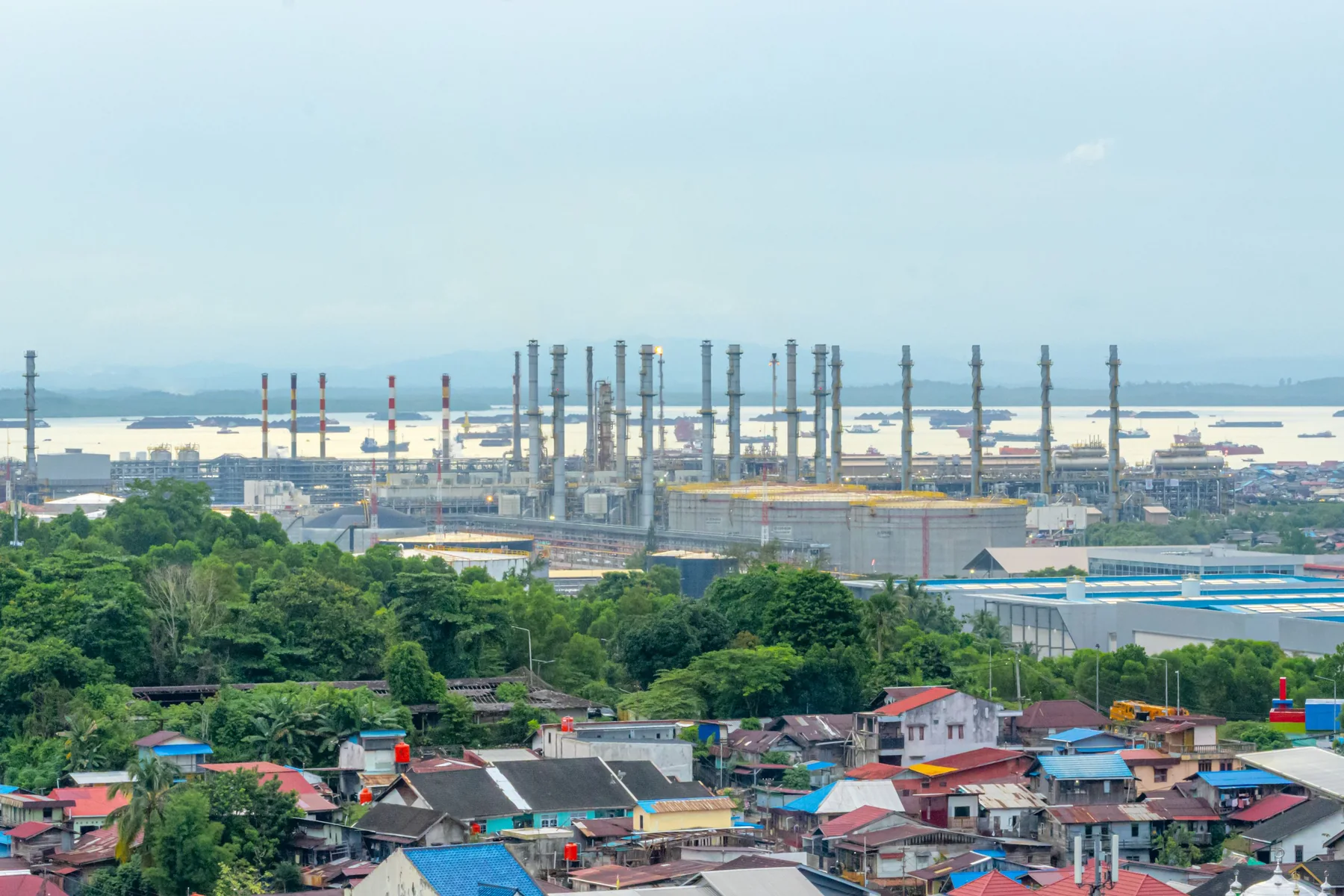 Photo: Andri Wijayanto · Pexels License · Image resized and converted to WebP.
Practise drawing a clear boundary around one factory water and wastewater pathway.
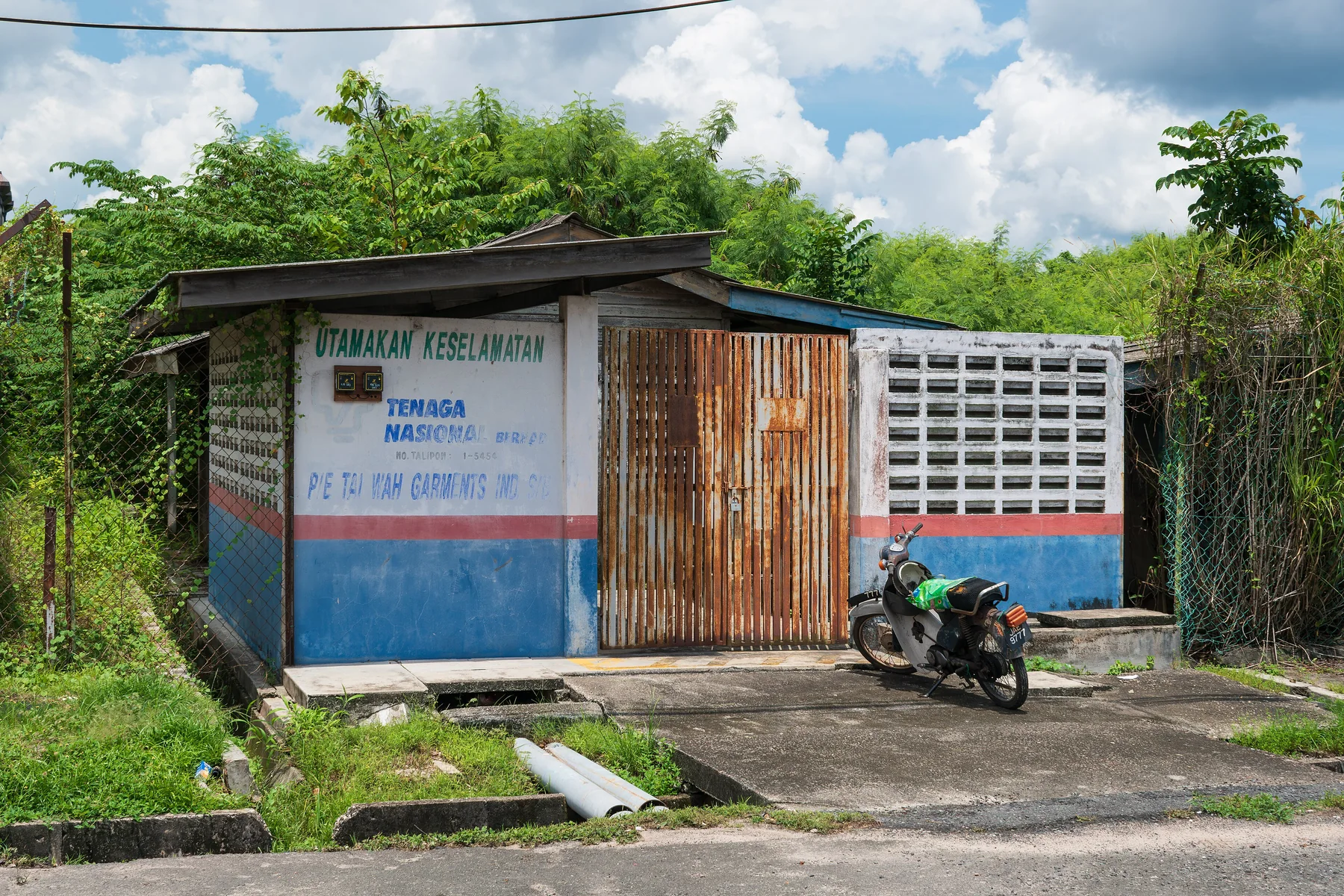 Photo: Dominic Nelson · Creative Commons Attribution-ShareAlike 4.0 International (CC BY-SA 4.0) · Image resized and converted to WebP; this adaptation is shared under CC BY-SA 4.0.
Reconcile a simple water balance while separating readings, estimates, and missing evidence.
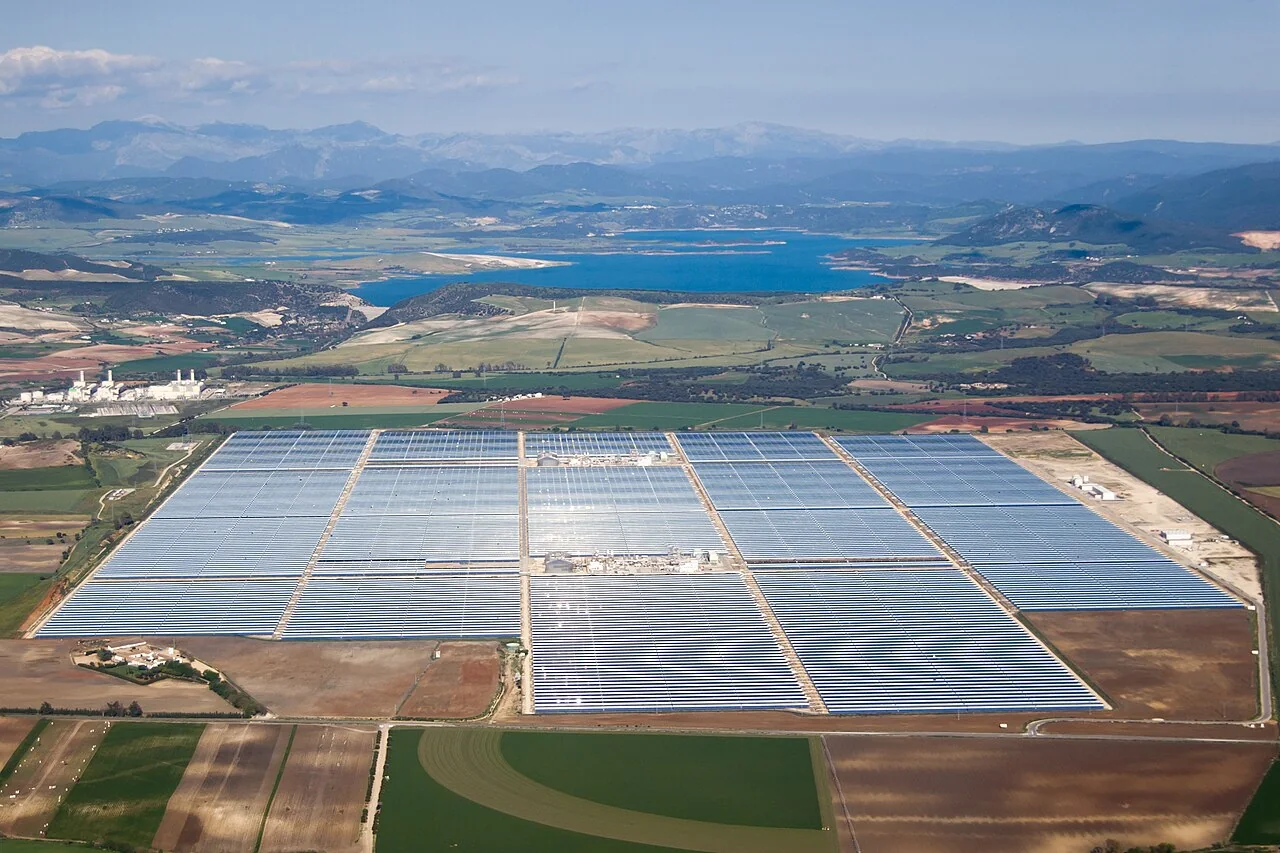 Photo: Arvydas Cetyrkovskis (Kukanotas) · Creative Commons Attribution-ShareAlike 4.0 International (CC BY-SA 4.0) · Image resized and converted to WebP; this adaptation is shared under CC BY-SA 4.0.
Compare practical conservation options with production, quality, hygiene, and contamination safeguards.
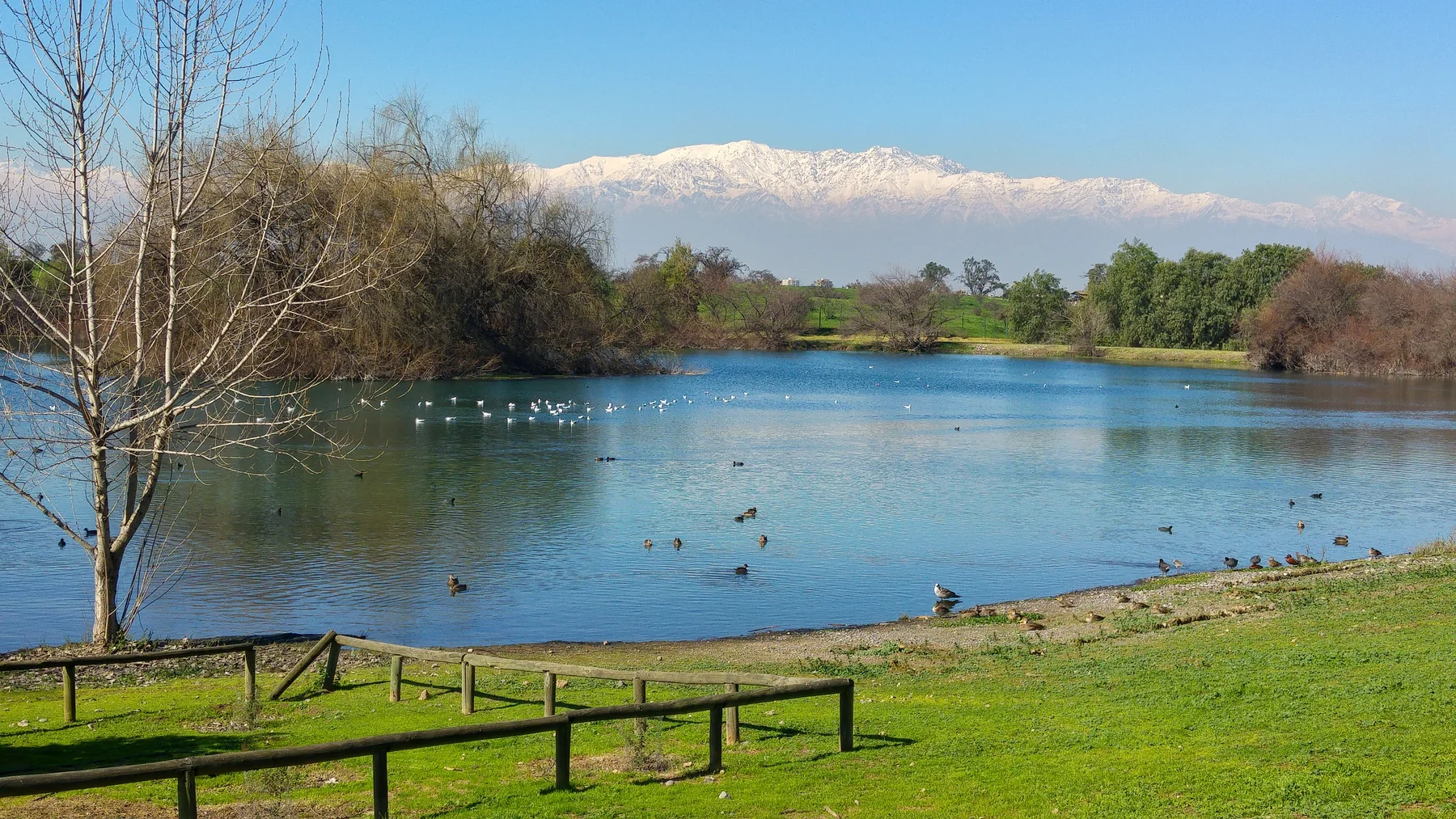 Photo: Periodista2252 · Creative Commons Attribution-ShareAlike 4.0 International · Image resized and converted to WebP.
Read treatment-system records as evidence of operating checks, maintenance, and follow-up needs.
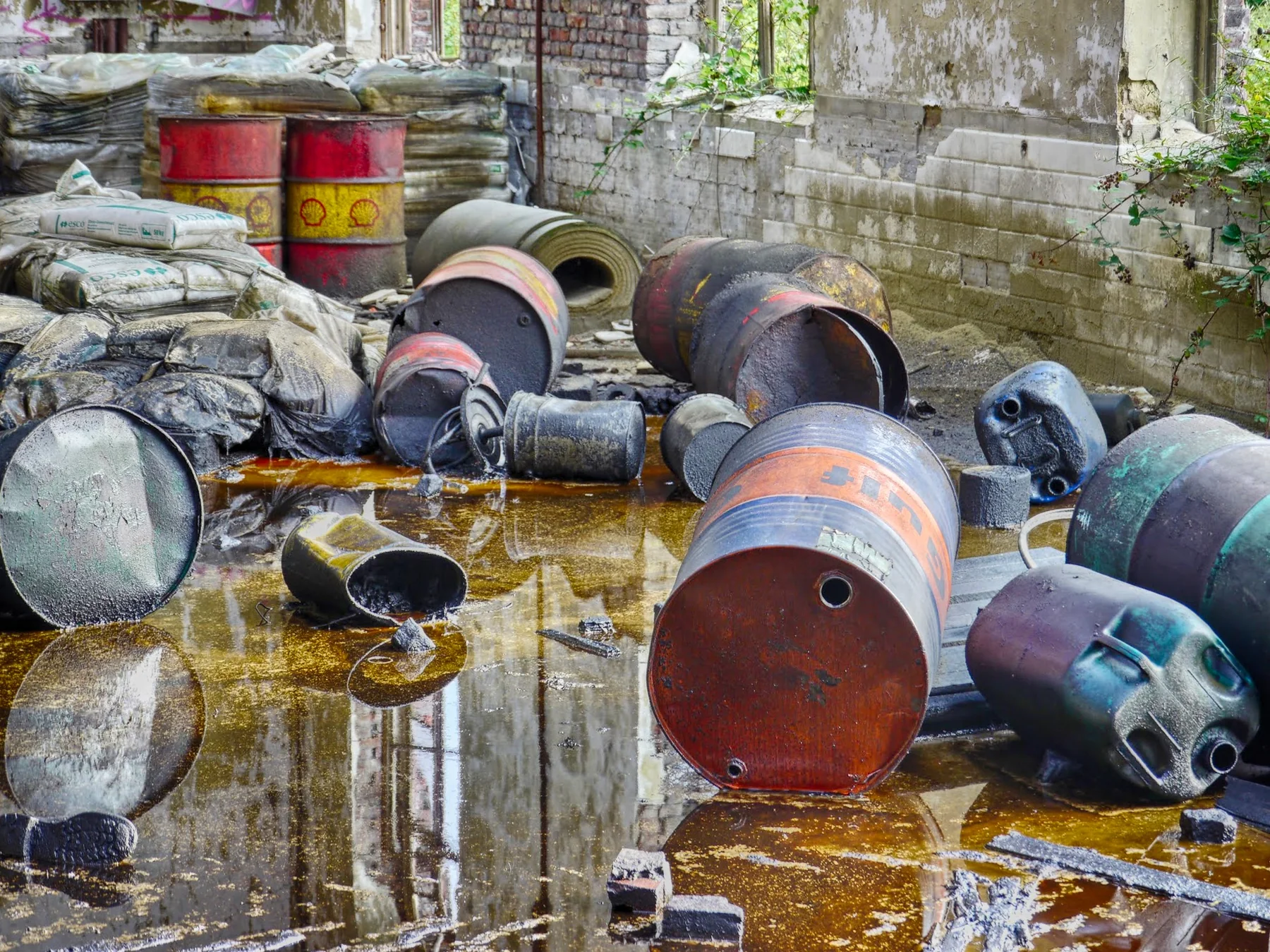 Photo: Fernost · Public domain (copyright-holder release) · Image resized and converted to WebP.
Turn a fictional finding into an owner-led action register with a review question.
Human review: Illustrative water-use arithmetic only; it is not a wastewater compliance finding, verified saving, cost claim, certification, assurance, reuse approval, or financing eligibility.
Confirm the final syllabus, duration, dates, format and fees for your manufacturing team.
