


Map material flows
Map key material inputs, process loss points, waste types, collection containers, handoffs and end destinations, separating measured records from estimates and identifying the evidence owner for each flow.
Energy & Environmental Management
A practical course for Malaysian manufacturing SMEs to reduce avoidable waste, improve segregation, strengthen recycling pathways and explore circular economy choices. Participants map material flows, check evidence, compare reuse and recovery options, and draft a proportionate factory action plan without claiming compliance, savings or certification.
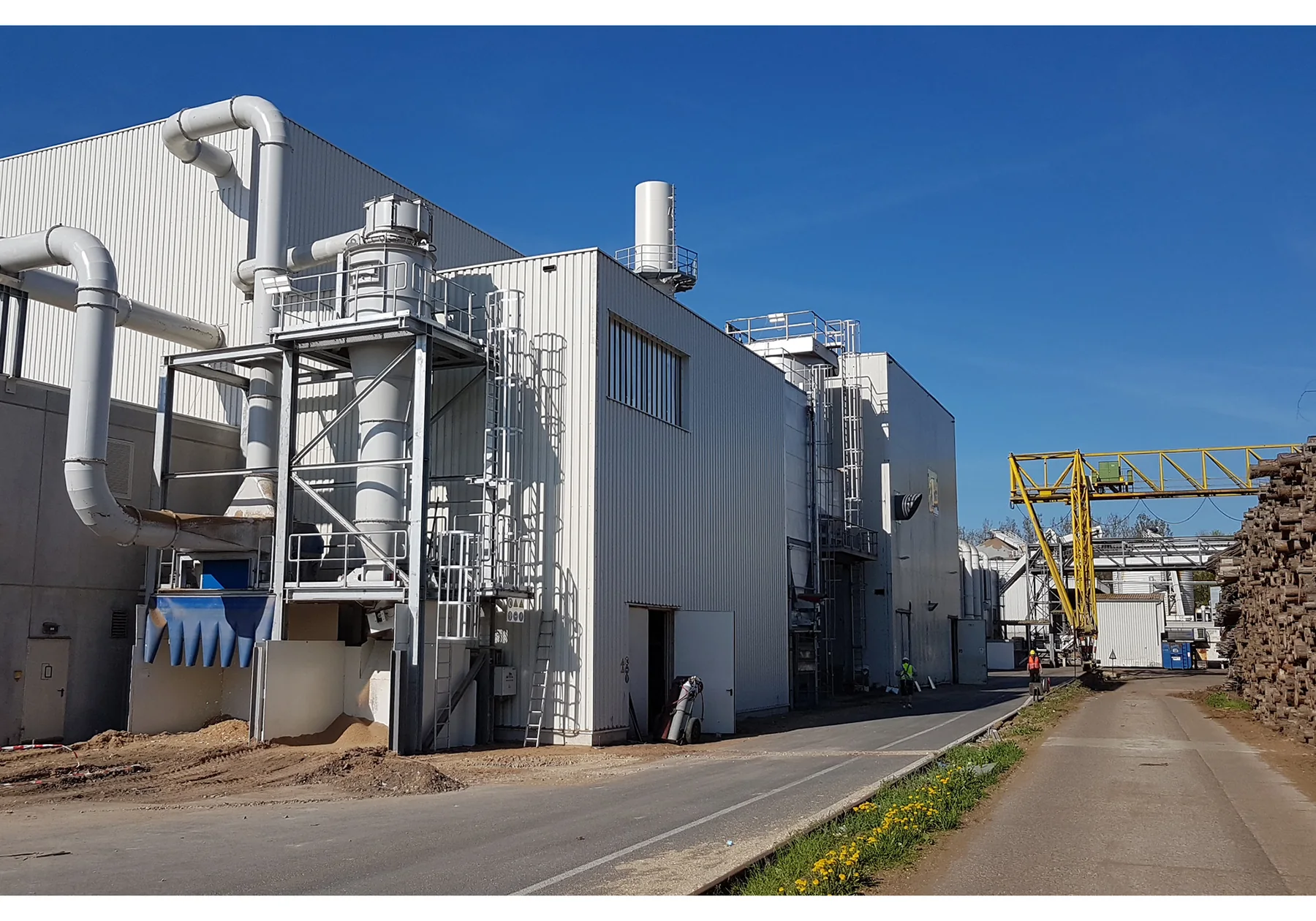
Category covers and course photos are illustrative licensed photographs, not AIGreen Plus staff, facilities or client results. Required creator and licence credits appear with each course photograph.
Use the matrix to ask whether a material can be prevented, kept in use or sent through a credible recovery route.
| Decision / evidence | Prevent and reduceStop loss at source | Reuse and recirculateKeep value in use | Recycle and recoverProcess separated material |
|---|---|---|---|
| First question | Can the input, defect or packaging be avoided? | Can it return safely to use? | Can a suitable route accept it? |
| Evidence to gather | Yield, defect, setup and material records | Condition, specification, return and ownership checks | Weights, contamination and destination records |
| Typical owner | Production or process engineering | Maintenance, procurement or production | EHS, stores or procurement |
| Boundary to state | A plan is not a measured reduction | Reuse needs quality and safety checks | Collection is not proof of recycling |
The matrix supports learning decisions; it does not determine Malaysian legal duties, certify a recycler, or substantiate a public environmental claim. Course content is educational; verify current requirements against the linked official sources and the organisation's circumstances.
This course teaches Malaysian manufacturing SME teams how to map material flows, prevent waste at source, separate materials at the point of generation, evaluate reuse and recycling routes, and consider circular input and output options. Participants practise a waste baseline, contamination check, simple recovery comparison, owner-led action plan and evidence trail using fictional or approved sanitised factory information. It serves owners, operations, EHS, quality, procurement and production leads; final scope, format, duration and fees require enquiry.
Map key material inputs, process loss points, waste types, collection containers, handoffs and end destinations, separating measured records from estimates and identifying the evidence owner for each flow.
Use a source-reduction and circularity screen to compare prevention, reuse, repair, recycling and recovery options against quality, safety, operational and information constraints in a fictional factory case.
Draft a practical segregation and contamination-control plan with labelled streams, responsibilities, checks, escalation points and records that can be reviewed by supervisors during routine operations.
Build an owner-led improvement card with a baseline, simple measure, timeframe, review point and careful communication that does not imply compliance, savings or certification outcomes.
A fictional metal-parts SME traces coil, cutting and packing flows on a floor map. The team separates usable offcuts from contaminated mixed scrap, checks container labels and weighs selected streams. They then compare prevention, internal reuse and recycling questions, recording assumptions and assigning follow-up owners rather than claiming a measured improvement.
In a fictional electronics assembly exercise, participants inspect rejected housings, solder residues and packaging. They classify each stream, identify contamination risks, test whether a return loop or recycler route is plausible, and draft acceptance criteria. The exercise highlights that a collection record alone does not prove material recovery or a compliant destination.
A sanitised training scenario gives a small factory three months of waste notes but incomplete weights. Learners label known and estimated quantities, build a simple stream dashboard, choose one source-reduction action and prepare a management-review card. The output is a practice plan, not evidence of client savings, compliance, certification or assurance.
This is a fictional learning example, not client results.
Stated basis: Same product family and 1,000-unit output window · 120 ÷ 1,000 and 90 ÷ 1,000.
Absolute difference: 0.03 kg mixed scrap per 1,000 units / denominator unit. This is a comparison of the stated exercise values, not proof of improvement.
The classroom arithmetic compares two hypothetical raw quantities on the same output basis; it does not establish why the difference occurred or predict future performance.
This fictional comparison is not a carbon reduction, cost-saving result, legal-compliance finding, certification, assurance conclusion or financing-eligibility assessment.
Final depth, exercises and delivery details are confirmed with AIGreen Plus before delivery.
On a small screen, scroll horizontally inside the course-outline table.
| Module | Focus | Key points | Practice |
|---|---|---|---|
| 01Material Flow Mapping | Trace material inputs, process losses and waste destinations so learners can see where prevention, reuse, segregation or recycling decisions begin. |
| Map a fictional metal-parts line from coil receipt to scrap collection, marking loss points, containers, handoffs, destinations and missing evidence. |
| 02Source Reduction at the Process | Compare process, material and packaging changes that prevent waste before it reaches a container or recycling contractor in a controlled production step. |
| Review a fictional injection-moulding loss log and propose two source controls, recording assumptions, responsible roles and evidence needed for a follow-up review. |
| 03Segregation and Contamination Control | Design clear waste streams and contamination checks that help people place materials correctly and protect the quality of recovered inputs. |
| Build a segregation map for a fictional electronics assembly cell, including labels, container locations, contamination triggers, inspection frequency and escalation owner. |
| 04Reuse, Repair and Industrial Symbiosis | Assess whether materials, components, containers or products can remain useful through return, repair, reuse or industrial exchange where suitable. |
| Compare fictional reusable pallets, rejected housings and clean solvent containers, then select one safe loop with acceptance criteria and records. |
| 05Recycling Route Evaluation | Evaluate recycling routes using material quality, collection arrangements, processor information, measurement methods and realistic destination evidence for each material stream. |
| Screen three fictional vendors for clean plastic, metal and mixed packaging, comparing acceptance criteria, records, destination claims and unanswered questions. |
| 06Circular Inputs and Product Choices | Connect circular economy choices with material specifications, procurement, product design, supplier dialogue and the practical needs of a smaller factory. |
| Use a fictional packaging brief to compare a virgin resin, recycled-content option and returnable tote, recording quality, supplier and end-of-use questions. |
| 07Data, KPIs and Review | Create a modest evidence system for quantities, contamination, destinations and actions without confusing waste metrics with carbon accounting or legal reporting. |
| Complete a fictional monthly waste dashboard, flagging missing weights, mixed-stream anomalies, uncertain destinations and the owner for each follow-up action. |
| 08Action Plan and Responsible Communication | Turn selected findings into a proportionate implementation plan with responsibilities, review dates, learning outputs and careful internal communication for management review. |
| Draft a fictional factory action card for reducing mixed packaging, including baseline, owner, control, evidence check, review date and cautious update wording. |
This proposed course design uses material-flow maps, stream controls and evidence-led exercises; it does not claim superior delivery, verified client results or guaranteed reductions.
| Focus | Proposed approach | Factory relevance |
|---|---|---|
| Source-first sequencing | Learners examine prevention and process control before selecting reuse, recycling or recovery pathways. | A factory can discuss downstream routes without overlooking avoidable material loss. |
| Three-way circularity matrix | The aqua matrix compares prevention, recirculation and recycling or recovery through distinct evidence and ownership questions. | Participants can see which decision lens fits a specific material stream. |
| Factory-ready records | Exercises use weights, labels, contamination checks, vendor information and destination records in fictional or approved sanitised cases. | Smaller teams practise with records they may already recognise, while exposing gaps. |
| Careful claim boundaries | Draft outputs separate measured quantities, plans and assumptions from claims about recycling, savings, compliance or certification. | Managers receive clearer review prompts before sharing environmental statements. |
Waste reduction prevents material from becoming waste, often through process control, better specification, yield improvement or packaging changes. Recycling collects and processes material into inputs for new products. The course treats source reduction and reuse as decisions to examine before recycling, while still checking whether a recycling route is credible.
For this course, circular economy means keeping materials and product value in use through thoughtful inputs, efficient processes, reuse, repair, recirculation and suitable recovery. Participants practise applying these ideas to material flows and evidence. The course does not claim that every material can be circular or that a circular option is automatically safer or cheaper.
Start with one defined product, area, period and material stream. Map inputs, losses, containers, handoffs and destinations, then verify a few quantities and contamination points. A narrow, traceable baseline is more useful for learning than a broad waste ambition supported only by estimates or unreviewed contractor statements.
Use clearly labelled containers, compatible-material instructions, sensible locations, routine checks and an escalation route for contamination. The exercise also assigns an owner and records what happens when a stream is mixed. Local collection arrangements and any applicable requirements must be confirmed with the appropriate Malaysian authority or qualified person.
No. The course uses a decision sequence that asks whether material can be prevented, reduced, reused or safely recirculated before selecting recycling or recovery. Recycling can still be appropriate, but a recycling symbol, collection arrangement or vendor statement alone does not prove the material was actually recovered.
Useful learning inputs may include material purchase records, production or yield notes, reject data, waste weights, container maps, collection records, contractor information and approved process observations. Bring only organisation-approved information. Fictional, anonymised or sanitised records are suitable, and missing data should be labelled rather than guessed.
Yes, as a source to review rather than unquestioned proof. Compare the contractor information with weights, stream descriptions, contamination notes, collection dates and destination evidence. The course does not certify a contractor or determine legal compliance. Confirm current Malaysian requirements and any due diligence with an appropriate qualified person.
It can help participants examine waste streams, controls and evidence needed for responsible planning, but it cannot substantiate a zero-waste claim. Any public statement needs defined boundaries, current supporting records, appropriate review and careful wording. Do not treat a classroom exercise, target or intention as verified performance or certification.
No. Waste quantities, recycling destinations and circularity indicators answer different questions from a greenhouse-gas inventory or product life-cycle assessment. The course may identify information relevant to later environmental analysis, but it does not calculate a GHG inventory, product carbon footprint, emissions reduction or offset.
They are not fixed in this proposed content. Please enquire with the exact course title, participant roles, factory context and preferred format. Confirm the current syllabus, duration, materials, preparation, dates and fees before planning delivery; no funding, qualification, certification or performance outcome is promised.
Waste Reduction, Recycling and Circular Economy Practices — proposed practice flow; people remain responsible for evidence, decisions and any operational change.
 Photo: Andri Wijayanto · Pexels License · Image resized and converted to WebP.
Define the product, period, areas and material streams included in the learning exercise.
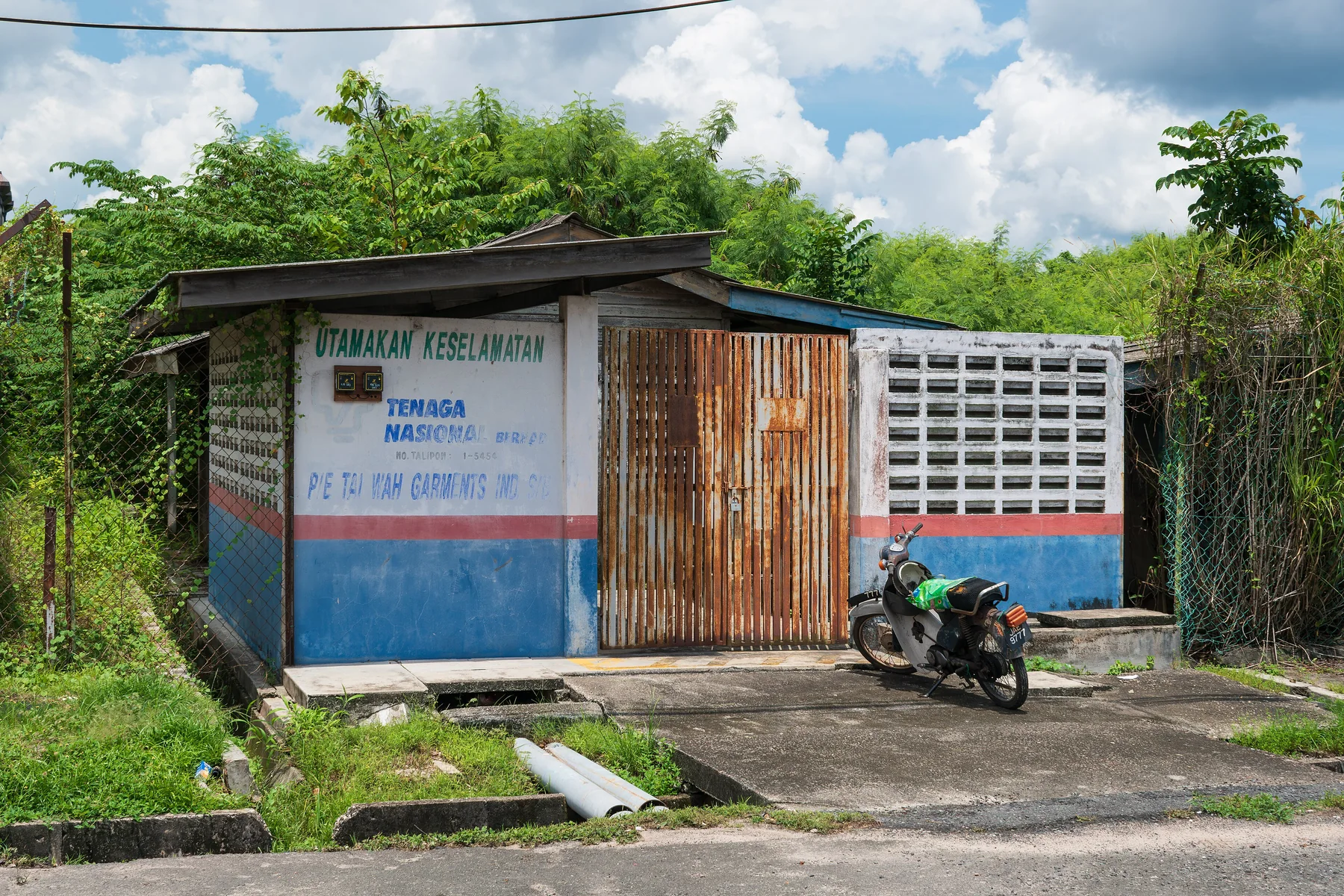 Photo: Dominic Nelson · Creative Commons Attribution-ShareAlike 4.0 International (CC BY-SA 4.0) · Image resized and converted to WebP; this adaptation is shared under CC BY-SA 4.0.
Trace process losses and identify where prevention, reuse, segregation or recycling questions arise.
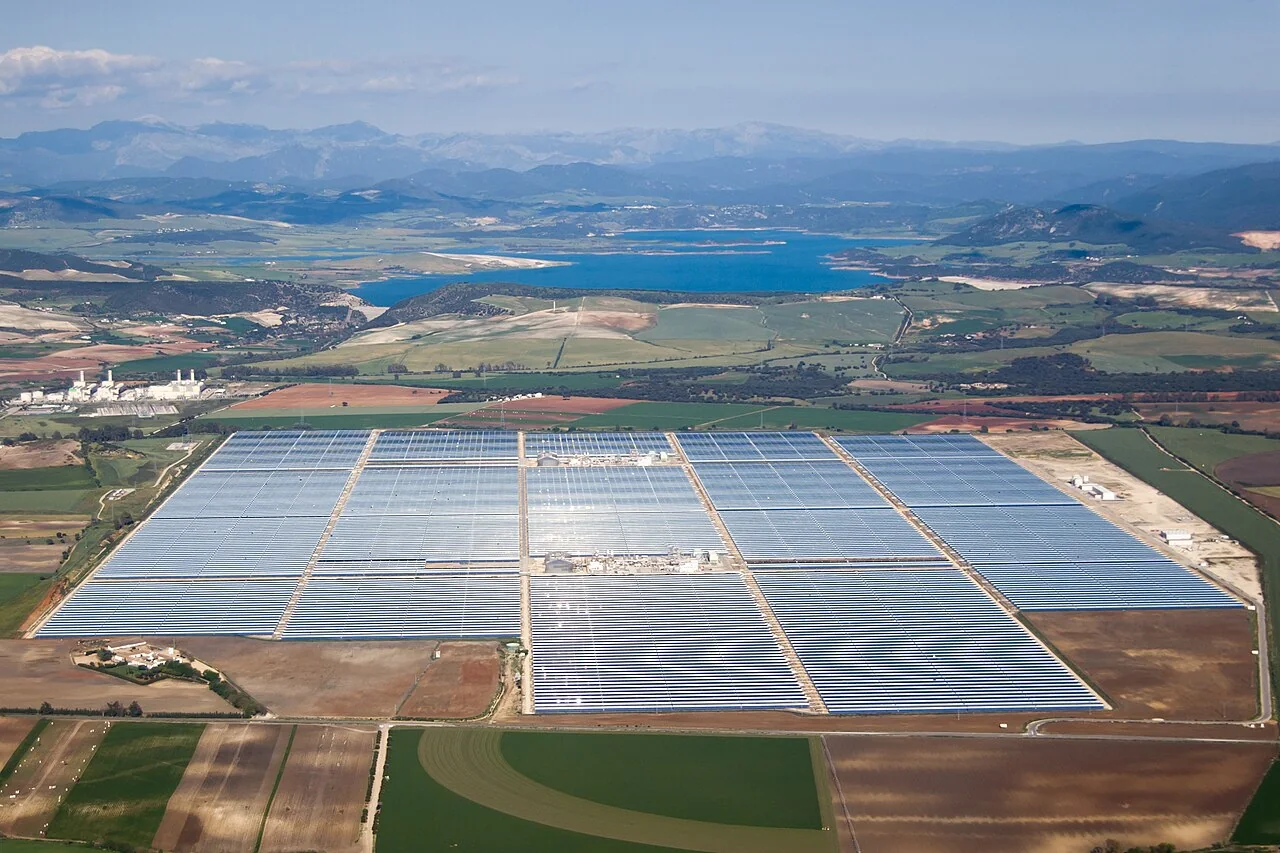 Photo: Arvydas Cetyrkovskis (Kukanotas) · Creative Commons Attribution-ShareAlike 4.0 International (CC BY-SA 4.0) · Image resized and converted to WebP; this adaptation is shared under CC BY-SA 4.0.
Draft labels, container locations, contamination checks and escalation steps for selected waste streams.
 Photo: Periodista2252 · Creative Commons Attribution-ShareAlike 4.0 International · Image resized and converted to WebP.
Compare prevention, internal reuse and recycling routes using quality, safety, vendor and destination evidence.
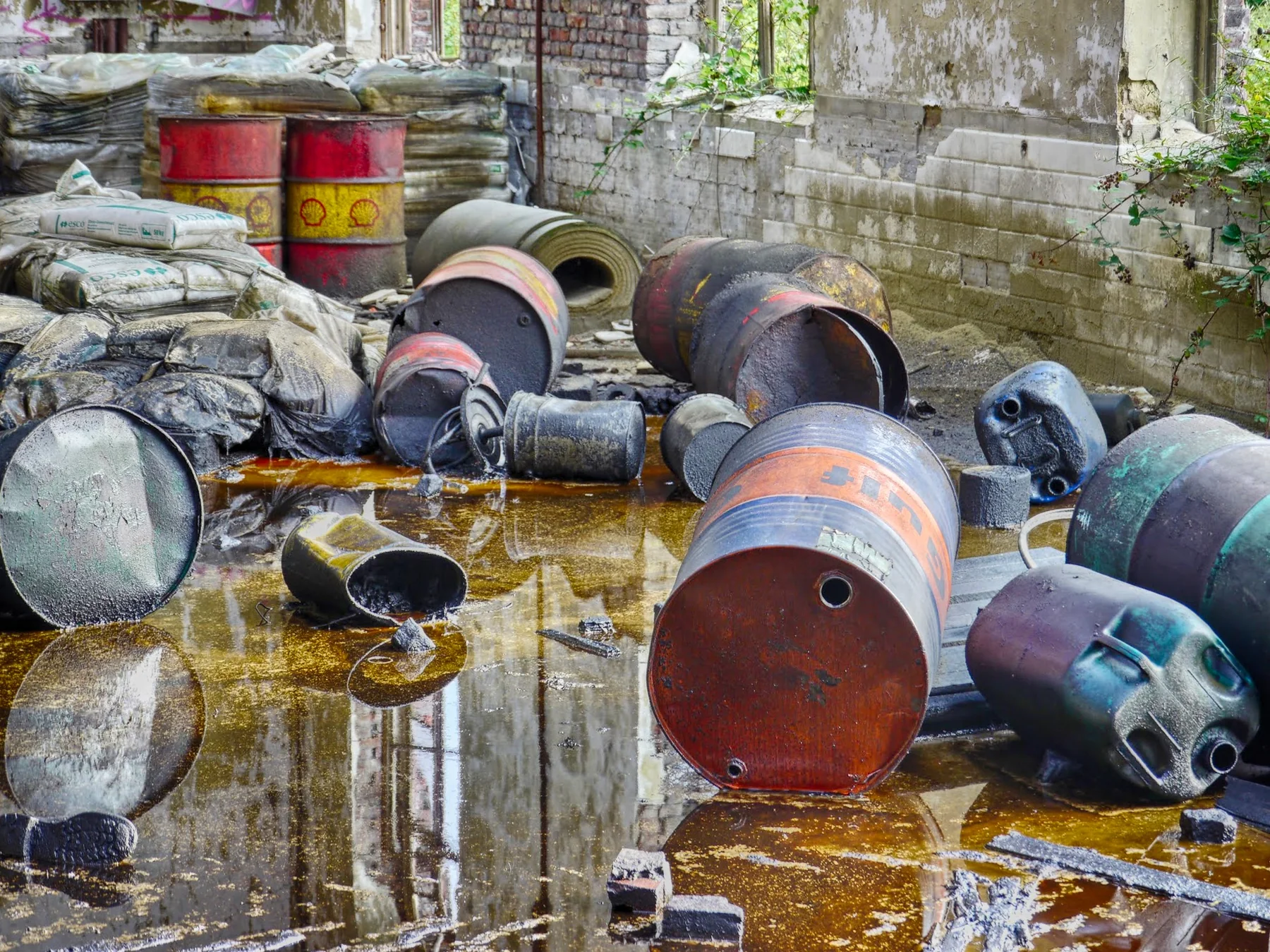 Photo: Fernost · Public domain (copyright-holder release) · Image resized and converted to WebP.
Convert one selected opportunity into an owner-led plan with baseline, review date and cautious update wording.
Human review: This fictional comparison is not a carbon reduction, cost-saving result, legal-compliance finding, certification, assurance conclusion or financing-eligibility assessment.
Confirm the final syllabus, duration, dates, format and fees for your manufacturing team.
