


Build a waste-stream register
Build a source-to-storage waste-stream register that records process origin, proposed code, physical state, owner, evidence status and questions requiring competent review before any classification decision is adopted.
Energy & Environmental Management
An applied course for Malaysian manufacturing SMEs to understand scheduled waste duties, map waste streams, review classification evidence, improve storage and labelling controls, use inventory and consignment records, and prepare a practical compliance file. Participants work with fictional factory scenarios while separating learning exercises from legal advice, certification, assurance and live site audits.
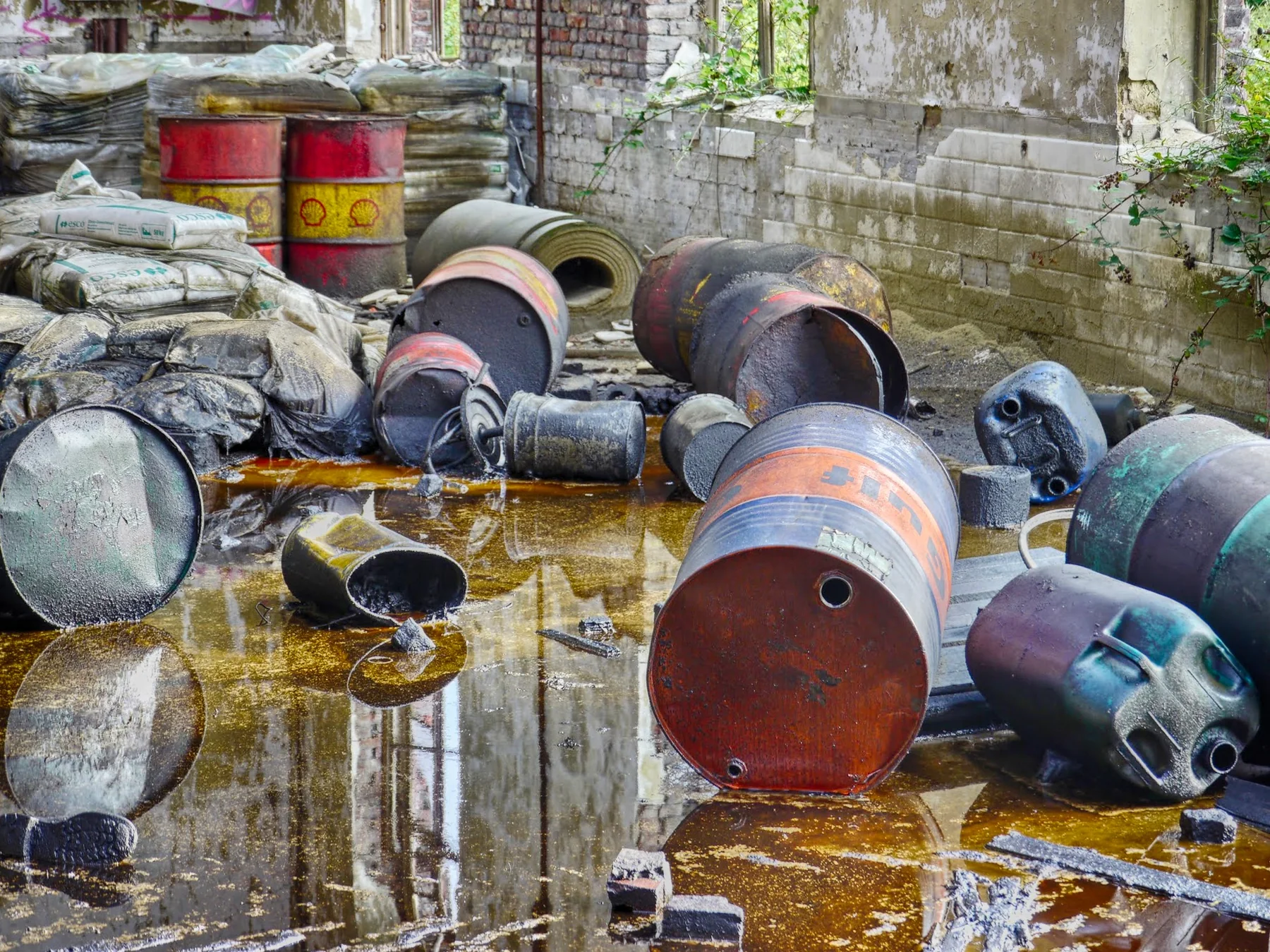
Category covers and course photos are illustrative licensed photographs, not AIGreen Plus staff, facilities or client results. Required creator and licence credits appear with each course photograph.
The matrix follows one waste stream from its operational origin to evidence that management can review.
| Decision / evidence | Source and classifyUnderstand the process and waste description | Store and moveControl containers, labels and handoffs | Record and reviewMaintain traceable evidence and actions |
|---|---|---|---|
| Starting question | Where is the waste generated? | How is it contained and transferred? | What record proves the step? |
| Primary evidence | Process note and material information | Container, label and inspection record | Inventory, movement and receiving record |
| Decision focus | What needs qualified classification review? | What control or handoff is missing? | Who checks, updates and closes the gap? |
| Learning output | Waste-stream evidence card | Storage and movement checklist | Compliance action and review queue |
The matrix supports learning and internal preparation; it does not determine a waste code, approve a facility, complete an eSWIS filing or establish legal compliance. Course content is educational; verify current requirements against the linked official sources and the organisation's circumstances.
This course teaches Malaysian manufacturing SME teams how to organise a scheduled waste management process around waste identification, evidence, compatible storage, labels, movement records, eSWIS awareness and management review. Participants practise a waste-stream register, storage inspection, consignment evidence map and corrective-action plan using fictional data. It is designed for owners, EHS, production, maintenance, stores and quality roles; current legal applicability and site-specific decisions must be confirmed with the Department of Environment or another appropriately qualified person.
Build a source-to-storage waste-stream register that records process origin, proposed code, physical state, owner, evidence status and questions requiring competent review before any classification decision is adopted.
Use a practical storage-control checklist to examine container compatibility, closure, segregation, label completeness, spill readiness and inspection evidence without treating the exercise as a site audit.
Map inventory, movement, receiving and eSWIS-related records into an evidence trail that highlights missing fields, approval points, handoffs and follow-up owners for a fictional factory.
Draft a proportionate environmental compliance action plan that distinguishes confirmed facts, assumptions, current requirements to verify and proposed improvements, with management review points and clear limits.
In a fictional metal-finishing SME, operators generate spent treatment liquid, contaminated absorbents and empty chemical containers. Learners trace each stream to its process, describe what is known, identify classification questions, and design a storage-and-label review card. The exercise ends with an owner list and evidence requests, not a legal classification or site compliance conclusion.
A sanitised factory maintenance team handles used oil, oily filters and contaminated rags. Participants compare the process description with available records, practise container and segregation checks, and map the information needed for movement and receiving records. They then draft corrective actions that can be reviewed internally, without claiming that a contractor, facility or legal pathway has been verified.
A fictional electronics assembler has an inventory extract, container labels and sample transfer documents that do not fully agree. Learners reconcile the records, identify missing handoff information, and create a review queue for the environmental coordinator. The exercise illustrates traceability and record quality only; it is not an eSWIS submission, regulatory filing, assurance engagement or audit result.
This is a fictional learning example, not client results.
Stated basis: A defined sample of labels, inventory entries and movement records reviewed for one mock factory · 80 ÷ 100 and 60 ÷ 100.
Absolute difference: 20 percentage points. This is a comparison of the stated exercise values, not proof of improvement.
The renderer compares complete records in each review sample against the same available record count. It illustrates evidence completeness only and does not imply improved legal compliance or a training result.
This exercise is not a legal compliance conclusion, certification, assurance, site audit, eSWIS filing, contractor approval or financing eligibility assessment.
Final depth, exercises and delivery details are confirmed with AIGreen Plus before delivery.
On a small screen, scroll horizontally inside the course-outline table.
| Module | Focus | Key points | Practice |
|---|---|---|---|
| 01Scheduled Waste Concepts and Factory Sources | Introduce scheduled waste as a regulated waste category and connect process inputs, maintenance activities and residues to a controlled factory management workflow. |
| Map a fictional metal-finishing line from chemical input to spent bath, contaminated containers and housekeeping residue, then mark evidence gaps and responsible owners. |
| 02Waste Stream Identification and Classification Evidence | Practise building a defensible waste-stream record from process knowledge, material information, physical characteristics and approved technical review for each candidate stream. |
| Compare three fictional waste descriptions with process notes and safety information, then prepare a classification question sheet without declaring a legal code. |
| 03Storage, Segregation and Spill Readiness | Apply a storage-control lens to compatibility, containment, closure, labels, access and emergency readiness while avoiding unsupported site-compliance conclusions and site context. |
| Review a fictional storage-area sketch, identify incompatible placements and missing labels, then prioritise corrective actions with evidence owners and a review owner. |
| 04Labelling, Inventory and Record Integrity | Turn container labels and waste inventories into consistent records that preserve dates, codes, quantities, ownership and traceable updates for internal review. |
| Reconcile a mock container log with an inventory sheet, flag conflicting codes or quantities, and create a review queue for the environmental coordinator. |
| 05Movement, Consignment and eSWIS Awareness | Follow the information handoffs around scheduled waste movement and use eSWIS concepts to practise complete, reviewable transfer and receiving records. |
| Walk through a fictional solvent-waste transfer, compare generator and receiver records, and note where a missing field could interrupt traceability. |
| 06Contractor and Prescribed-Premises Evidence | Examine how a manufacturing SME can organise contractor information, facility evidence, approvals and communication without treating a course exercise as verification. |
| Review a sanitised contractor file and mock receiving document, then build an evidence checklist for management follow-up and management review. |
| 07Incident Response and Corrective Action | Prepare a fact-based response workflow for spills, damaged containers, record gaps and recurring control failures, with escalation and learning loops. |
| Use a fictional leaking-container scenario to draft an incident record, escalation route, immediate controls and follow-up verification questions for management review. |
| 08Compliance Review and Management Readiness | Assemble a proportionate review pack that separates current requirements, internal controls, evidence gaps and improvement actions for management discussion and agreed owners. |
| Build a mock management review pack from inventory, inspection and consignment extracts, then prioritise three evidence-led actions with owners and review dates. |
This proposed course design uses evidence cards, factory scenarios and decision checkpoints; it does not claim proven superiority, certification, legal advice or guaranteed compliance.
| Focus | Proposed approach | Factory relevance |
|---|---|---|
| Process-to-record mapping | Every exercise starts with a generating process and follows the waste stream through container, label, inventory and handoff evidence. | Teams can see where ownership and traceability break between shopfloor activity and management records. |
| Control-room storage lens | Participants use a compact checklist for compatibility, closure, segregation, containment, labels, inspection and spill readiness. | SMEs can discuss practical controls using observed evidence rather than broad environmental slogans. |
| Uncertainty made visible | Classification questions, missing fields and assumptions are logged for qualified review instead of being hidden inside a completed form. | Managers can prioritise follow-up without mistaking a learning draft for a legal decision. |
| Handoff-ready records | Mock inventory, consignment and receiving records are reconciled across generator, transporter and receiver information. | The factory can identify ownership and evidence gaps before an internal management review. |
Malaysia's Environmental Quality (Scheduled Wastes) Regulations 2005 define scheduled wastes by reference to categories listed in the First Schedule. This course uses that definition as a learning reference, but participants do not assign legal status from a slide; current interpretation should be confirmed with DOE or an appropriately qualified person.
It is intended for manufacturing SME owners, operations leaders, EHS or environmental personnel, quality teams, production and maintenance supervisors, stores staff and others who own waste records or controls. Participants should be able to involve relevant internal owners and use approved or sanitised information.
Participants start with the generating process, material information, waste description, physical form and contamination clues. They record uncertainties and prepare questions for competent review instead of guessing a regulatory code. The exercise is educational and does not issue a legal classification, approval or compliance opinion.
The course practises checking compatible and durable containers, closure, segregation of incompatible streams, containment, labels, inspection evidence and spill readiness. These are learning checks rather than a site inspection. Current requirements, amendments and site-specific controls should be verified through official DOE information and qualified advice.
Yes. Participants practise comparing container labels, waste descriptions, dates, quantities, codes and ownership with an inventory record. The course explains the record topics addressed by official regulations, while exact requirements, amendments and applicability must be checked against current DOE information before operational use.
DOE describes eSWIS as an online portal for recording scheduled waste inventory and filing scheduled waste consignments for transfer and receiving. This course uses fictional records to practise traceability and handoffs; it does not submit information, operate an account or confirm a user's filing obligations.
It teaches participants to organise contractor details, receiving information, service documents and open questions in an evidence checklist. It does not approve a contractor or prescribed premises, verify a licence, or replace the organisation's current due diligence and official confirmation process.
Useful approved materials may include process maps, material information, container labels, inventories, storage inspections, incident notes and transfer or receiving documents. Remove confidential, personal and commercially sensitive details. Fictional, anonymised or sanitised records are fully suitable for the exercises.
No. It is proposed educational training with fictional exercises and draft workplace outputs. It is not legal advice, a site audit, independent certification, assurance engagement, regulatory filing or proof of compliance. A qualified person should review current requirements and site-specific decisions before use.
Dates, duration, delivery format, fees, tools and final syllabus are not fixed in this draft. Enquire with participant roles, factory context and learning priorities, then confirm the current scope and preparation requirements before planning delivery.
Scheduled Waste Management and Environmental Compliance in Malaysia — proposed practice flow; people remain responsible for evidence, decisions and any operational change.
 Photo: Andri Wijayanto · Pexels License · Image resized and converted to WebP.
Connect factory processes and materials to candidate scheduled waste streams and open classification questions.
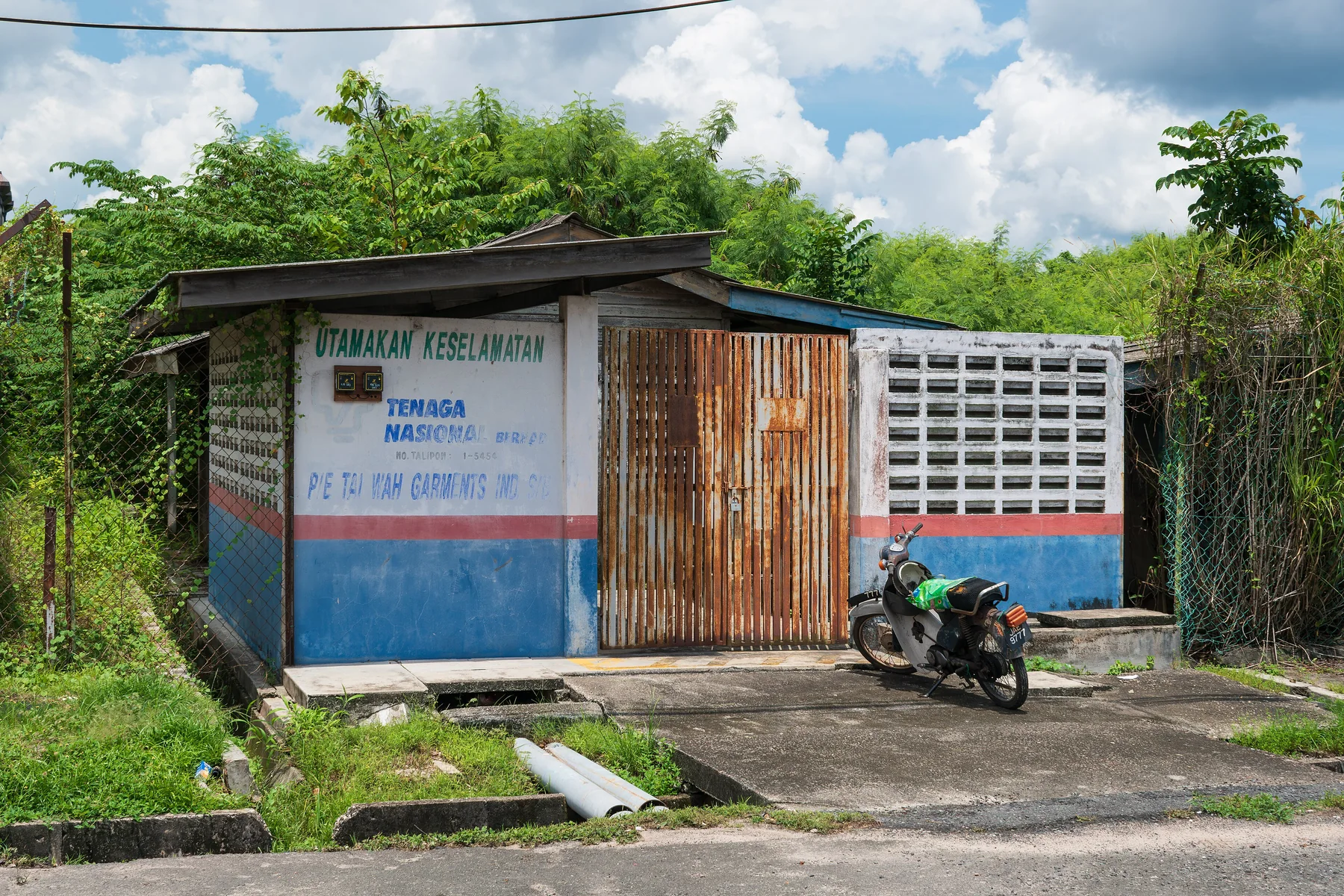 Photo: Dominic Nelson · Creative Commons Attribution-ShareAlike 4.0 International (CC BY-SA 4.0) · Image resized and converted to WebP; this adaptation is shared under CC BY-SA 4.0.
Practise reviewing containers, compatibility, segregation, labels, containment and spill readiness against current guidance.
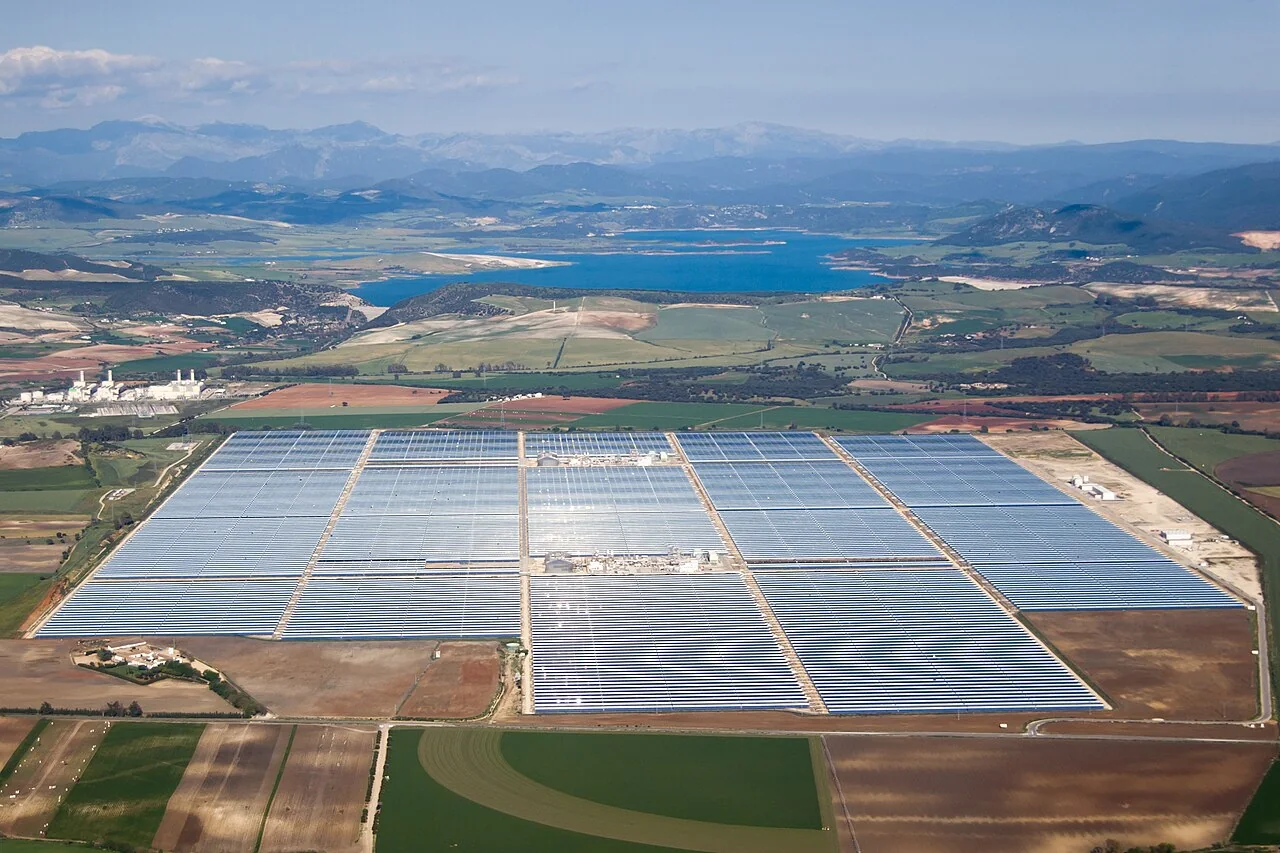 Photo: Arvydas Cetyrkovskis (Kukanotas) · Creative Commons Attribution-ShareAlike 4.0 International (CC BY-SA 4.0) · Image resized and converted to WebP; this adaptation is shared under CC BY-SA 4.0.
Reconcile inventory, labels and movement information across a fictional handoff sequence.
 Photo: Periodista2252 · Creative Commons Attribution-ShareAlike 4.0 International · Image resized and converted to WebP.
Turn gaps into prioritised actions with owners, review points and evidence requests.
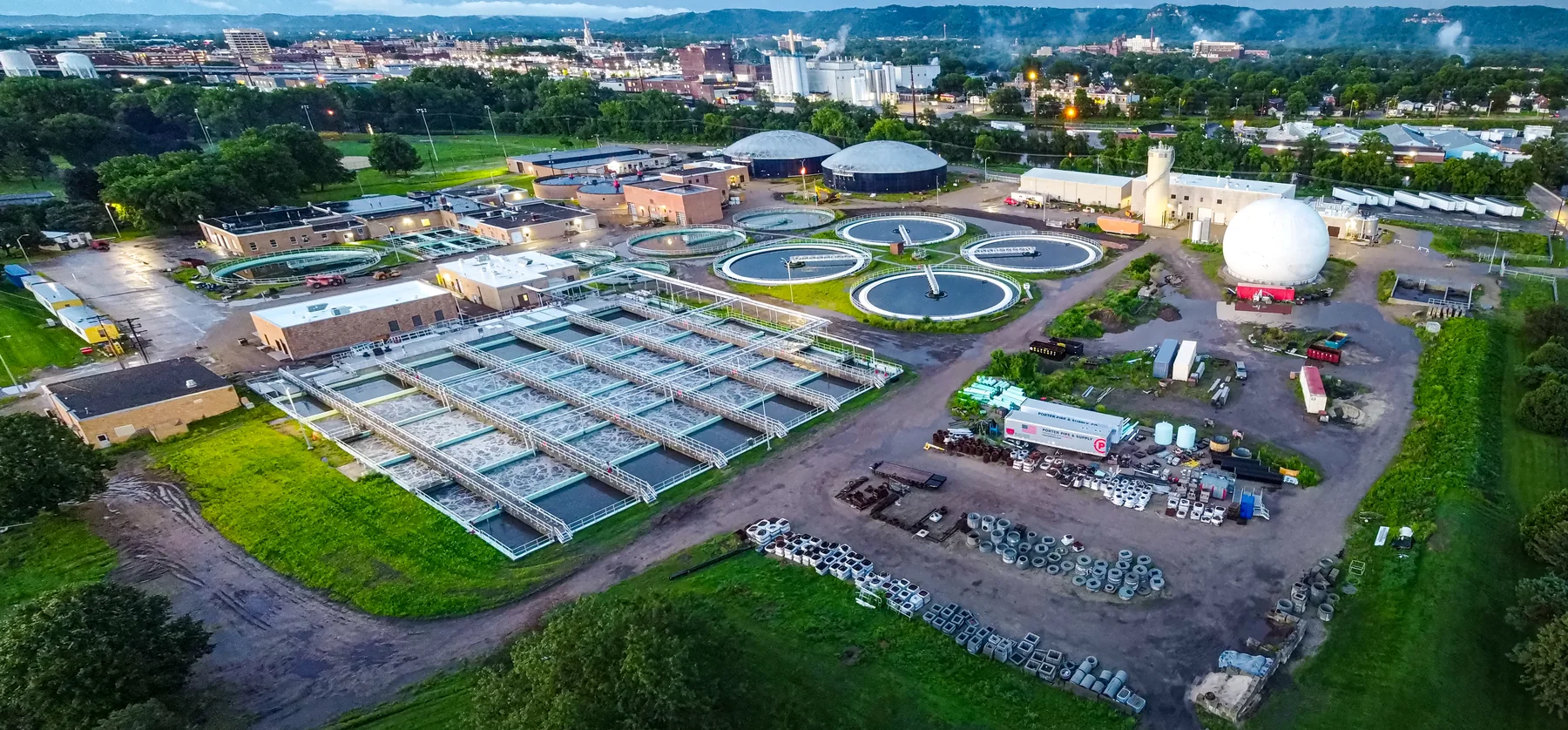 Photo: Wikideas1 · Creative Commons CC0 1.0 Universal Public Domain Dedication · Image resized and converted to WebP.
Assemble a management-ready pack that distinguishes facts, assumptions, current requirements to confirm and proposed improvements.
Human review: This exercise is not a legal compliance conclusion, certification, assurance, site audit, eSWIS filing, contractor approval or financing eligibility assessment.
Confirm the final syllabus, duration, dates, format and fees for your manufacturing team.
