


Read the energy baseline
Organise interval or monthly electricity records, operating hours, production context and known constraints to describe a factory energy profile for discussion and screening.
Energy & Environmental Management
An applied course for Malaysian manufacturing SMEs to understand renewable electricity, solar PV, energy-use baselines and transition choices. Participants compare self-consumption, procurement and operational measures, map technical and organisational evidence, and practise a staged decision brief that separates feasibility questions from confirmed requirements, financial assumptions and claims that need specialist review.
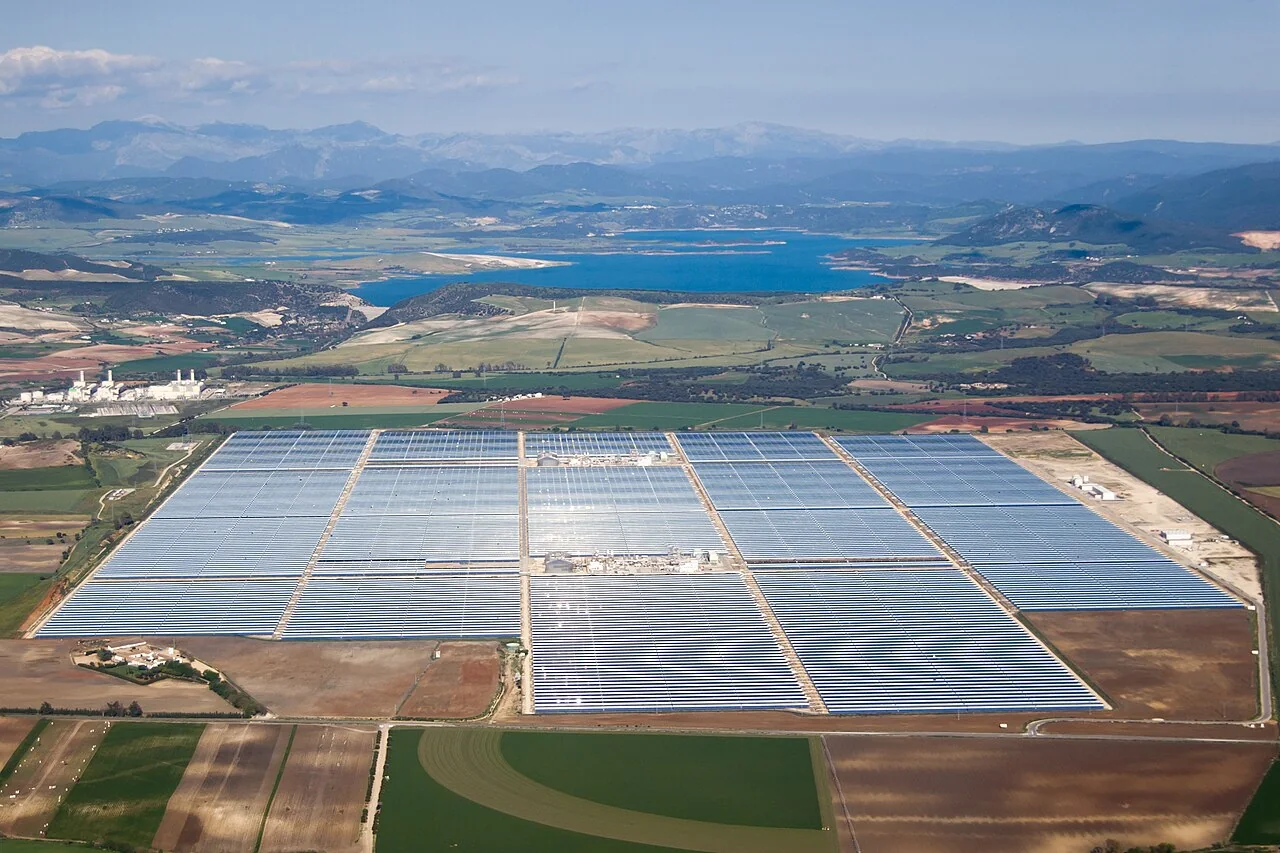
Category covers and course photos are illustrative licensed photographs, not AIGreen Plus staff, facilities or client results. Required creator and licence credits appear with each course photograph.
This matrix helps a team compare a demand-first route with on-site solar and external renewable-electricity procurement using the same evidence questions.
| Decision / evidence | Use energy betterReduce or shift factory demand first | Generate on siteUse solar PV for a facility load | Procure renewable powerConsider an external renewable route |
|---|---|---|---|
| Primary question | Where can demand be avoided or shifted? | Can a site and load support a solar screen? | What current route and terms could fit? |
| Evidence to gather | Load records, process steps and operating hours | Roof, connection, shading, safety and load information | Consumption profile, contract questions and official programme information |
| Decision gate | Owner confirms a practical demand action | Qualified review confirms technical questions and constraints | Management reviews scope, terms, dependencies and authority |
| Claim boundary | An action is not a measured reduction | A screen is not a design or approval | A procurement intention is not verified renewable use |
This is an educational comparison, not a technical feasibility study, legal or tariff determination, investment recommendation, emissions assurance conclusion or financing-eligibility test. Course content is educational; verify current requirements against the linked official sources and the organisation's circumstances.
This course teaches Malaysian manufacturing SME owners and cross-functional teams how renewable energy and solar PV can fit a factory energy-transition plan. Participants examine load profiles, site constraints, generation timing, self-consumption, procurement routes, records and decision gates. Exercises produce a solar-screening worksheet, options matrix, transition action card and review questions. The draft supports informed learning, not engineering design, regulatory advice, investment advice, a quotation or a promise of savings or emissions reduction.
Organise interval or monthly electricity records, operating hours, production context and known constraints to describe a factory energy profile for discussion and screening.
Build a first-pass solar PV screening view using roof or land information, load timing, shading questions, connection considerations and evidence gaps, without presenting it as an engineering study.
Compare self-consumption, renewable electricity procurement, efficiency measures and staged combinations against operational fit, decision criteria, responsibilities and questions for qualified providers.
Draft a transition action brief that records assumptions, owner, review gate, evidence needed and claim boundaries so management can decide what to investigate next.
A fictional components factory has twelve months of utility bills, two production shifts and several unmetered process loads. Participants organise the records, identify timing and measurement gaps, then create a baseline card that supports screening without treating estimates as measured performance or promising lower bills.
A sanitised packaging site sketch shows a flat roof, shaded service areas, access routes and a daytime production pattern. Learners mark questions for roof condition, electrical connection, maintenance and safety, then prepare a provider brief while keeping the exercise separate from an engineering design or approval.
A fictional metalworking SME compares efficiency sequencing, on-site solar self-consumption and an external renewable-electricity route. The team uses the same criteria for control, evidence, continuity and review, records unresolved official requirements, and drafts a management question list rather than choosing an investment or claiming an emissions result.
This is a fictional learning example, not client results. It shows how a common basis can structure an energy-transition discussion.
Stated basis: Same hypothetical line, month and 100-unit production basis · 1,200 ÷ 100 and 960 ÷ 100.
Absolute difference: 2.4 kWh per 100 production units / denominator unit. This is a comparison of the stated exercise values, not proof of improvement.
The simple comparison illustrates how a shared production basis can frame an energy-intensity discussion; it does not attribute any difference to this training or establish a causal result.
This illustration is not a measured carbon reduction or cost saving, engineering assessment, compliance decision, certification, assurance conclusion or financing-eligibility test.
Final depth, exercises and delivery details are confirmed with AIGreen Plus before delivery.
On a small screen, scroll horizontally inside the course-outline table.
| Module | Focus | Key points | Practice |
|---|---|---|---|
| 01Factory Energy Baseline | Build a traceable picture of factory electricity demand before comparing renewable-energy or solar options. |
| Create an evidence card for a fictional factory using monthly bills, shift patterns, production notes and clearly marked missing readings. |
| 02Renewable Energy Concepts | Clarify renewable energy, solar PV, renewable electricity and energy transition as related but distinct planning concepts. |
| Sort fictional factory energy statements into technology, electricity source, operational action, aspiration or evidence question categories. |
| 03Solar PV Site Screening | Use a disciplined first screen for roof, ground, load, shading, safety, connection and maintenance questions without designing a system. |
| Annotate a sanitised factory roof sketch with candidate areas, access concerns, shading observations, information gaps and provider questions. |
| 04Load, Generation and Self-Consumption | Explore how demand timing and solar generation timing shape operational fit, storage questions and the boundaries of a first-pass comparison. |
| Compare a fictional two-shift load profile with an illustrative solar-generation pattern and record timing mismatches needing further analysis. |
| 05Options for Renewable Electricity | Compare on-site generation, external renewable-electricity procurement and efficiency sequencing using transparent criteria rather than a preferred route. |
| Score three fictional transition routes against control, evidence, operational fit and review needs, then document why no route is preselected. |
| 06Business Case Assumptions and Risks | Make financial, technical, operational and organisational assumptions visible before a manufacturer requests quotations or makes a decision. |
| Build a hypothetical assumption register covering roof condition, operating hours, tariff treatment, maintenance responsibility and unresolved specialist checks. |
| 07Transition Governance and Claims | Set decision owners, review gates and evidence boundaries so renewable-energy plans and environmental statements remain proportionate and traceable. |
| Review fictional solar claims, trace each to evidence or an assumption, assign an approver and rewrite one statement with narrower scope. |
| 08Roadmap, Review and Specialist Questions | Turn learning into a staged investigation plan with checkpoints, owners, records and questions for current official requirements and qualified advisers. |
| Draft a fictional six-step transition roadmap that names owners, evidence checks, review gates and questions requiring current official confirmation. |
This draft uses factory records, comparison cards and staged decision exercises. It describes proposed course design, not proven superiority, engineering advice or guaranteed results; confirm the final scope by enquiry.
| Focus | Proposed approach | Factory relevance |
|---|---|---|
| Demand before technology | Learners start with bills, operating timing, production context and evidence gaps before discussing solar or procurement routes. | Manufacturers can frame options around actual factory conditions instead of selecting a technology from a generic checklist. |
| Comparable transition lenses | The same criteria cover efficiency sequencing, on-site generation and renewable-electricity procurement without prescribing one route. | Decision teams can see trade-offs, dependencies and questions that require different owners or advisers. |
| Screening with boundaries | Exercises label assumptions, technical questions and provider checks rather than presenting a classroom screen as a feasibility study. | Participants know what their records can support and where a qualified technical review is still needed. |
| Governed claims and gates | Action cards connect each proposed step with an owner, evidence check, review gate and careful statement boundary. | Management discussions can distinguish an idea, an approved action and a measured result. |
It covers factory energy baselines, renewable-energy and solar PV concepts, site-screening questions, demand timing, self-consumption, procurement routes, assumptions, governance and staged transition planning. Participants practise usable worksheets and decision records without treating classroom work as engineering design, regulatory advice or a guaranteed business result.
The draft suits owners and managers from operations, engineering, facilities, finance, procurement and sustainability. A cross-functional group is useful because energy records, site constraints, commercial questions and management approvals often sit with different people. Participants should be able to involve qualified advisers when specialist checks are required.
Solar photovoltaic systems convert sunlight directly into electricity through PV cells, modules and associated electrical equipment. The course uses that basic concept to discuss factory load timing and screening questions. It does not calculate a system size, approve equipment or predict site performance.
No. Participants learn how to organise roof, shading, access, structural, electrical, safety and maintenance questions for a first screen. A qualified provider or competent professional must assess actual site conditions, connection requirements, design, installation and applicable approvals before any operational decision.
Useful approved materials may include utility bills or intervals, operating hours, production context, major-load information, roof plans and existing energy procedures. Bring anonymised or sanitised records where possible. Label estimates and remove confidential or personal information; gaps are acceptable and should be recorded rather than guessed.
The course compares demand measures, on-site solar self-consumption and external renewable-electricity procurement against control, evidence, operational continuity, dependencies and review questions. It does not select a route, recommend a contract or state that a current Malaysian programme will fit a particular company.
No. Exercises use simple hypothetical values to make assumptions and decision gates visible. They are not investment recommendations, quotations, financing advice, tariff calculations, cost or savings forecasts, or evidence that a solar or procurement choice will deliver a particular return.
It introduces the kinds of questions a Malaysian manufacturer should ask about self-consumption, renewable-power procurement, technical assessment, current programme terms and approvals. Requirements can change and applicability depends on facts, so confirm the current official position with the relevant authority and a qualified person.
No. Training exercises are not an engineering certification, regulatory approval, site audit, emissions verification, assurance engagement or renewable-energy certificate. Any system, claim or disclosure should follow the relevant current requirements and be reviewed by the appropriate qualified professional or authority.
Format, duration, dates, fees, materials and final scope are not fixed in this draft. Please enquire with the course title, participant roles and factory learning priorities. Share only approved information, and confirm the agreed syllabus and practical boundaries before planning delivery.
Renewable Energy, Solar Energy and Corporate Energy Transition — proposed practice flow; people remain responsible for evidence, decisions and any operational change.
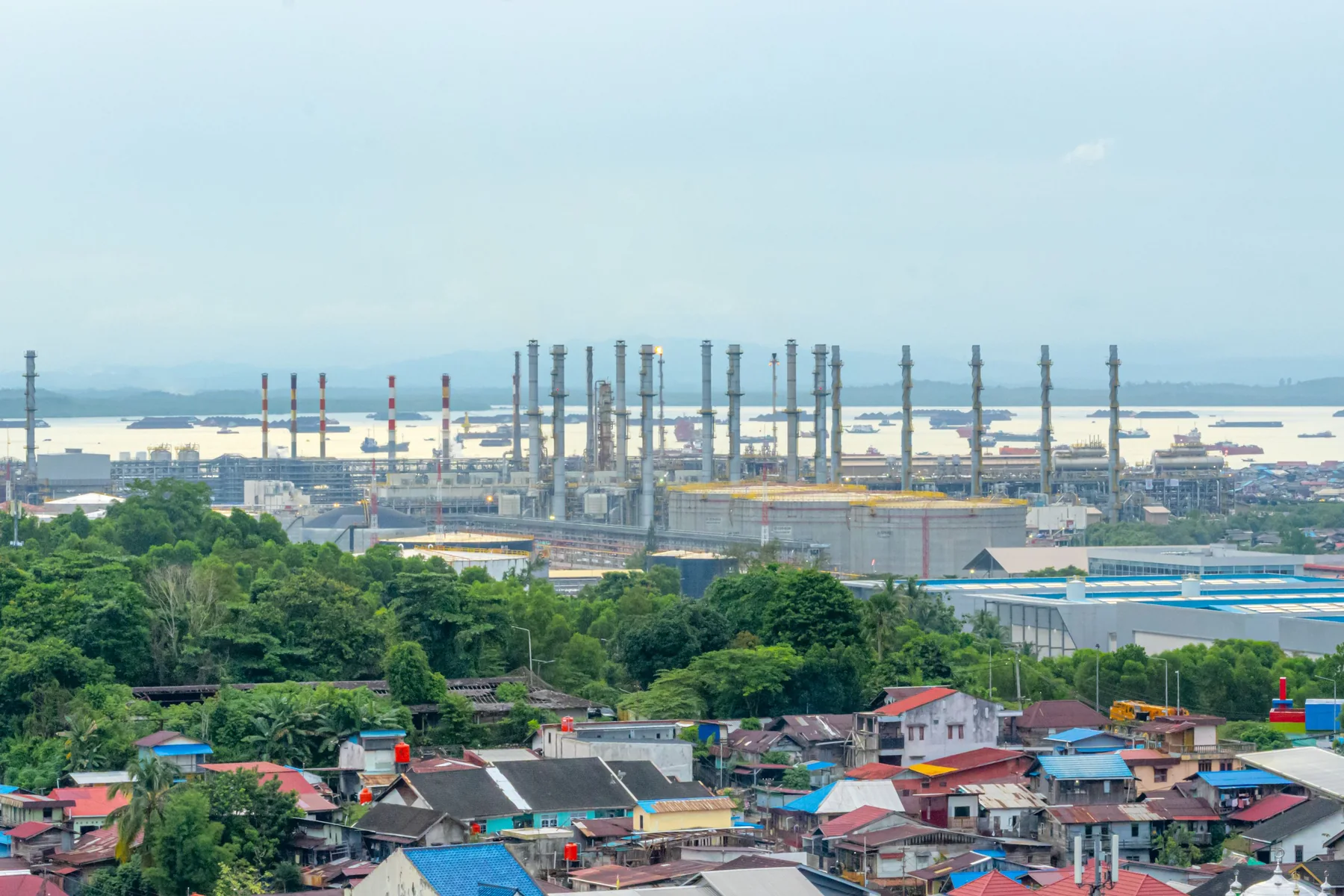 Photo: Andri Wijayanto · Pexels License · Image resized and converted to WebP.
Assemble a shared view of electricity use, operating timing and evidence quality.
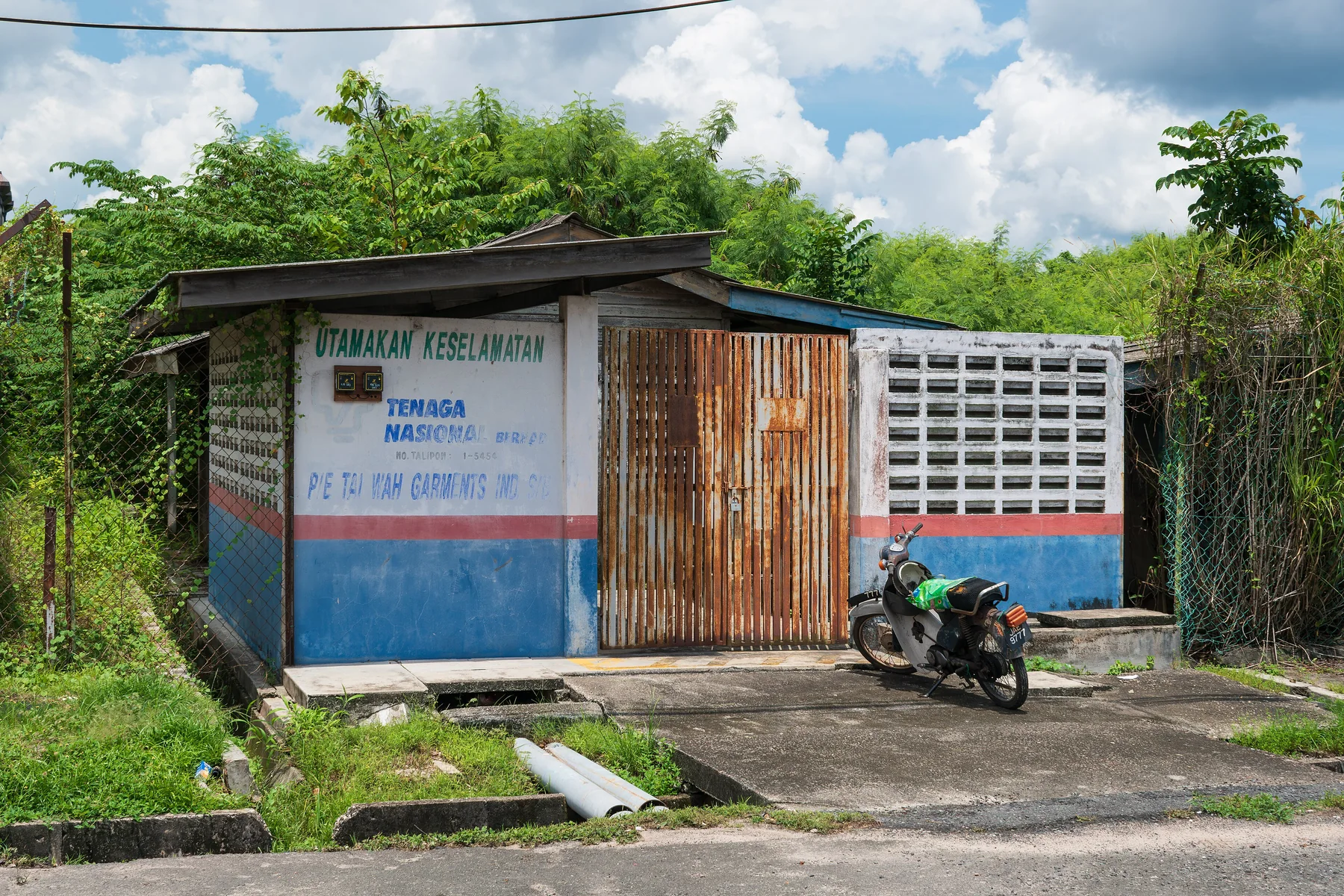 Photo: Dominic Nelson · Creative Commons Attribution-ShareAlike 4.0 International (CC BY-SA 4.0) · Image resized and converted to WebP; this adaptation is shared under CC BY-SA 4.0.
Relate production schedules and major loads to possible renewable-generation timing.
 Photo: Periodista2252 · Creative Commons Attribution-ShareAlike 4.0 International · Image resized and converted to WebP.
Compare demand measures, on-site solar and procurement routes against agreed decision lenses.
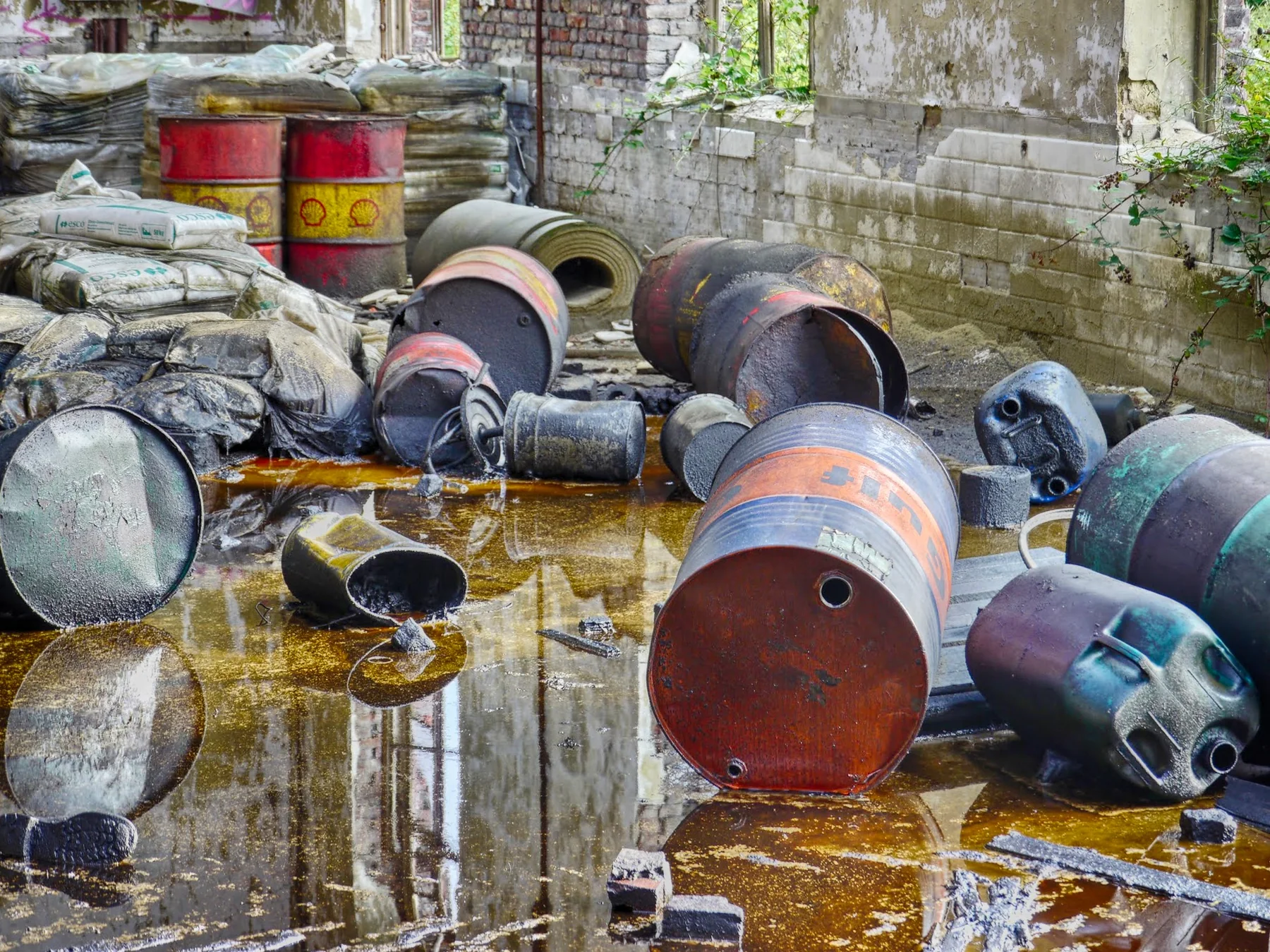 Photo: Fernost · Public domain (copyright-holder release) · Image resized and converted to WebP.
Separate learning assumptions from checks that require current official information or qualified advice.
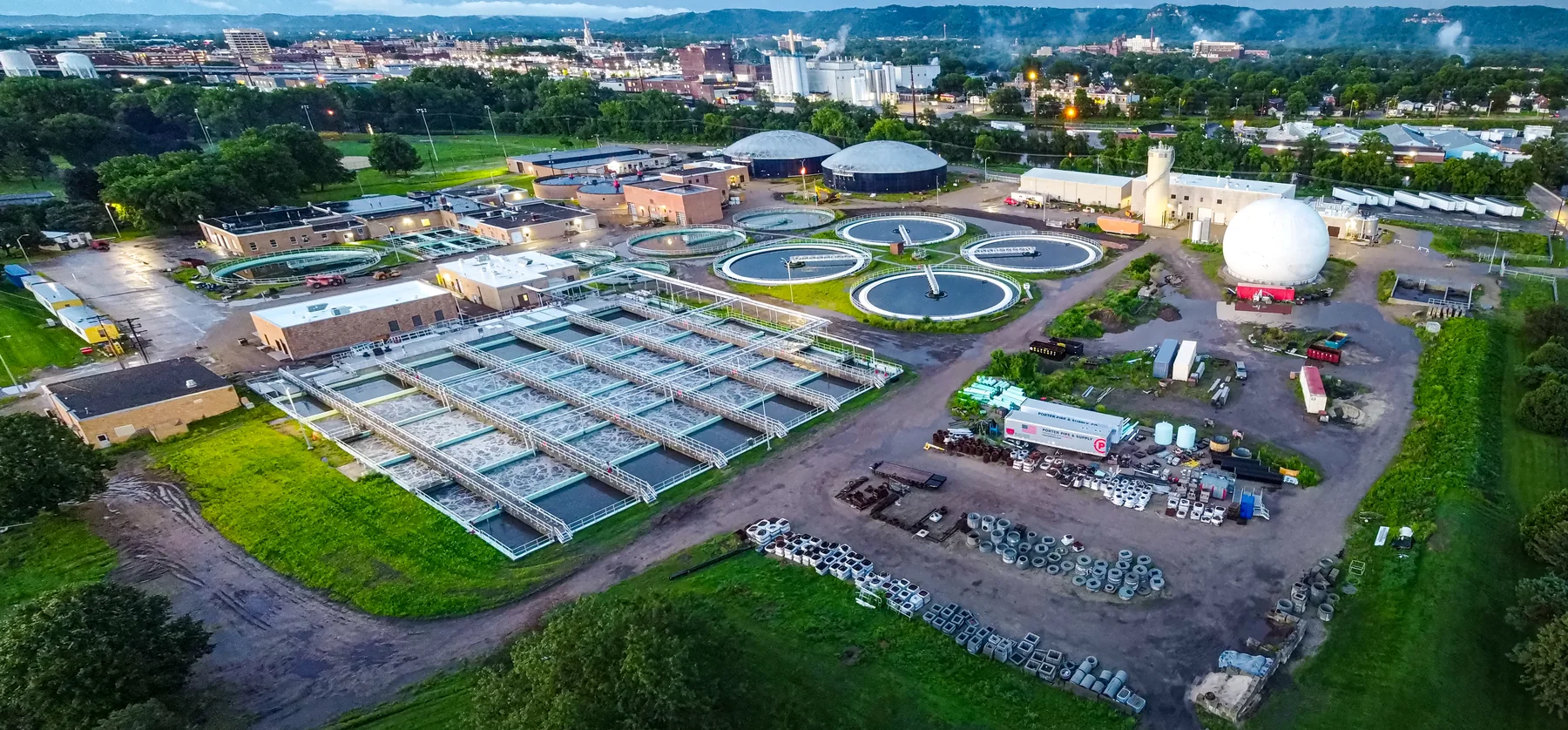 Photo: Wikideas1 · Creative Commons CC0 1.0 Universal Public Domain Dedication · Image resized and converted to WebP.
Set a proportionate next-step sequence with owners, evidence checks and review points.
Human review: This illustration is not a measured carbon reduction or cost saving, engineering assessment, compliance decision, certification, assurance conclusion or financing-eligibility test.
Confirm the final syllabus, duration, dates, format and fees for your manufacturing team.
