


Map an EnMS boundary
Map an initial EnMS boundary and energy review by linking utilities, processes, relevant variables, and significant energy uses to accountable factory roles and supporting records for follow-up.
Energy & Environmental Management
This course gives Malaysian manufacturing SMEs a practical introduction to ISO 50001 implementation. Participants map energy uses, establish an energy review, select performance indicators, plan controls, and prepare review evidence. The learning path links management commitment with shop-floor records so teams can discuss a realistic EnMS scope without treating training as certification or an operational audit.

Category covers and course photos are illustrative licensed photographs, not AIGreen Plus staff, facilities or client results. Required creator and licence credits appear with each course photograph.
An ISO 50001 implementation discussion is stronger when leadership intent, energy evidence, and operational follow-through are considered together.
| Decision / evidence | Policy and commitmentDirection, scope, roles | Energy review and controlUses, variables, actions | Performance evidenceMeasures, review, improvement |
|---|---|---|---|
| Starting question | What does management want controlled? | Where and how is energy used? | How will the team know and review? |
| Typical evidence | Policy draft and assigned roles | Bills, meters, process map | EnPIs, logs, review records |
| Factory decision | Set scope and authority | Prioritise significant energy uses | Define checks and escalation |
| Learning caution | Commitment is not certification | Data gaps shape conclusions | Trends are not verified results |
This matrix teaches connected decisions; it does not reproduce the ISO standard, determine conformity, or replace qualified implementation or certification work. Course content is educational; verify current requirements against the linked official sources and the organisation's circumstances.
ISO 50001 Energy Management System Implementation teaches manufacturing teams how to organize an EnMS around policy, energy review, significant energy uses, objectives, controls, measurement, internal review, and continual improvement. Participants practise turning utility and production records into an energy baseline, EnPIs, action plan, and evidence checklist. It serves SME owners, operations, engineering, facilities, and sustainability staff who need a shared implementation language, not a certification promise or site audit.
Map an initial EnMS boundary and energy review by linking utilities, processes, relevant variables, and significant energy uses to accountable factory roles and supporting records for follow-up.
Draft an energy policy briefing with measurable objectives, action ownership, and decision points that management can review before any implementation choice is made.
Build a simple baseline and energy performance indicator exercise from matched utility and production records, with clear scope, assumptions, units, and data limitations.
Prepare a practical monitoring, internal review, and continual-improvement checklist that separates participant learning outputs from certification, assurance, and operational responsibilities at the factory.
In a fictional injection-moulding plant, learners receive two months of electricity invoices, machine run hours, production quantities, and a simplified process map. They identify the proposed EnMS boundary, flag cooling and compressed-air uses for closer review, and list missing evidence. The exercise ends with a review worksheet, not a verified baseline or savings claim.
A sanitized food-processing case includes batch output, refrigeration hours, boiler fuel, and scheduled maintenance notes. Participants compare candidate EnPIs, state the relevant variables and data limitations, and decide which records should be checked before management review. The classroom result is a documented reasoning trail; it does not establish compliance, certification readiness, or realized energy performance.
In a fictional metal-finishing SME, a team maps ovens, ventilation, lighting, and purchased electricity to responsible roles. It then drafts one objective, an action plan, an operating-control check, and a monthly evidence list. Facilitators use the exercise to surface ownership and measurement questions, not to conduct a site audit or promise cost savings.
This is a fictional learning example, not client results.
Stated basis: One production line, same product family, matched monthly meter scope · 100 ÷ 100 and 84 ÷ 100.
Absolute difference: 0.16 kWh per 100 finished units / denominator unit. This is a comparison of the stated exercise values, not proof of improvement.
The simple comparison shows how a defined EnPI exercise can be expressed for matched output; it does not attribute any change to the course or prove an improvement.
Not evidence of carbon reduction, cost savings, ISO 50001 conformity or certification, assurance, or financing eligibility.
Final depth, exercises and delivery details are confirmed with AIGreen Plus before delivery.
On a small screen, scroll horizontally inside the course-outline table.
| Module | Focus | Key points | Practice |
|---|---|---|---|
| 01Why an EnMS | Connect ISO 50001’s management-system logic to factory priorities, decision rights, energy policy, and the boundary between training, implementation, and certification. |
| Using a fictional plastics plant, learners draft a one-paragraph EnMS scope covering buildings, processes, utilities, exclusions, and responsible functions. |
| 02Context and Commitment | Translate organizational context, interested-party needs, leadership commitment, and energy policy into a workable starting brief for a Malaysian manufacturing SME. |
| A sanitized electronics assembler maps production shifts, landlord boundaries, utility contracts, and management decisions into an initial context-and-commitment worksheet. |
| 03Energy Review | Use utility, production, equipment, and process information to identify energy uses, relevant variables, opportunities, and evidence gaps for an energy review. |
| Learners review fictional monthly bills and line data from a food factory, then mark significant uses and missing evidence without estimating savings. |
| 04Baselines and EnPIs | Practise selecting an energy baseline and energy performance indicators that relate consumption to production or other relevant variables within a defined scope. |
| A metal-parts case compares kWh, operating hours, and finished units; learners choose an EnPI and document why the denominator fits. |
| 05Objectives and Action Plans | Turn energy review findings into objectives, targets, action plans, responsibilities, resources, and review points without promising financial or energy outcomes. |
| Teams build a fictional compressed-air action plan with an owner, inspection record, measurement point, review date, and unresolved assumption. |
| 06Operational Control | Design proportionate operating, maintenance, procurement, and design controls that keep energy considerations visible in daily manufacturing decisions. |
| A textile mill team revises a boiler start-up checklist and supplier specification to include energy-related controls and approval evidence. |
| 07Measurement and Review | Create a monitoring plan that checks meters, data quality, EnPIs, action progress, compliance-related obligations, and management review inputs. |
| Learners inspect a fictional monthly dashboard with missing readings and inconsistent units, then propose checks before interpreting the trend. |
| 08Improvement and Audit Readiness | Connect internal review, corrective action, documented information, and continual improvement while keeping independent certification and audit decisions outside the course. |
| A mock internal review of a machining site finds incomplete training records; learners write a corrective-action log and verification question. |
This is a proposed course design for practical learning, not evidence of superiority, certification, or guaranteed energy results.
| Focus | Proposed approach | Factory relevance |
|---|---|---|
| Factory-scale EnMS mapping | Use anonymised utility, production, and equipment records to sketch a proportionate system boundary. | SMEs can see how management-system scope connects to actual departments and energy uses. |
| Evidence before interpretation | Require a source, unit, period, owner, and limitation for each classroom data point. | Teams learn to challenge weak records before selecting EnPIs or discussing improvement. |
| Decision-focused matrix | Compare policy and commitment, energy review, and performance evidence through one aqua decision view. | The matrix keeps leadership choices connected to shop-floor measurement. |
| Implementation without overclaiming | Use exercises, checklists, and review questions while separating training outputs from certification and operational decisions. | Participants gain a safer starting structure for internal discussion and qualified follow-up. |
ISO 50001 is a management-system framework for improving how an organization manages energy. It supports an energy policy, objectives, data-informed decisions, measurement, review, and continual improvement. This course explains those ideas for manufacturing SMEs without reproducing the standard or determining conformity.
A project may target one equipment change or operating practice. An EnMS embeds energy responsibilities, information, controls, measurement, review, and improvement into how the organization works. The course uses both perspectives so participants can connect projects to a repeatable management process rather than treat them as isolated actions.
A recent electricity or fuel record, matching production or operating information, a simple process or equipment list, and any existing meter or maintenance notes are helpful. Use only records the organization is permitted to share. The exercises can also use fictional data when real records are unavailable.
The course provides educational explanations and exercises, not the copyrighted standard text. Teams should consult the current official standard and qualified advisers for implementation decisions. The source-based exercises help participants formulate questions and evidence lists; they do not substitute for reading applicable requirements.
No. Training participation and classroom outputs are not certification, assurance, an internal audit, or a conformity decision. ISO states certification is possible but not obligatory, and certification is performed by independent certification bodies rather than ISO. Any organization considering certification must plan and verify its own system.
It can demonstrate a simple, bounded EnPI comparison using fictional or sanitized records and clear assumptions. That exercise is not a verified energy saving, carbon reduction, or cost result. Real interpretation requires suitable data boundaries, relevant variables, measurement quality, and the organization’s own technical review.
A useful working group can include an owner or plant manager, engineering or utilities, production, maintenance, procurement, quality or environmental coordination, and data support. Attendance should reflect the site’s scope and responsibilities. The course does not prescribe a fixed organization chart or staffing level.
Yes, the course discusses aligning common management-system practices such as roles, documented information, review, and corrective action where appropriate. Integration choices depend on the organization’s scope and current systems. Participants should confirm detailed requirements against the current standard and obtain qualified implementation advice.
An EnPI is a defined measure used to discuss energy performance for a stated boundary, period, and relevant variable, such as energy per unit produced. The course focuses on choosing a defensible denominator and documenting assumptions; it does not claim that one metric suits every process.
Please enquire with AIGreen Plus about the proposed delivery format, duration, fee, and scope options. Those commercial and scheduling details are not established by this course content. Any request should also clarify site context, participant roles, records available, and whether separate qualified certification support is needed.
ISO 50001 Energy Management System Implementation — proposed practice flow; people remain responsible for evidence, decisions and any operational change.
 Photo: Andri Wijayanto · Pexels License · Image resized and converted to WebP.
Frame the fictional facility boundary and roles for an EnMS discussion.
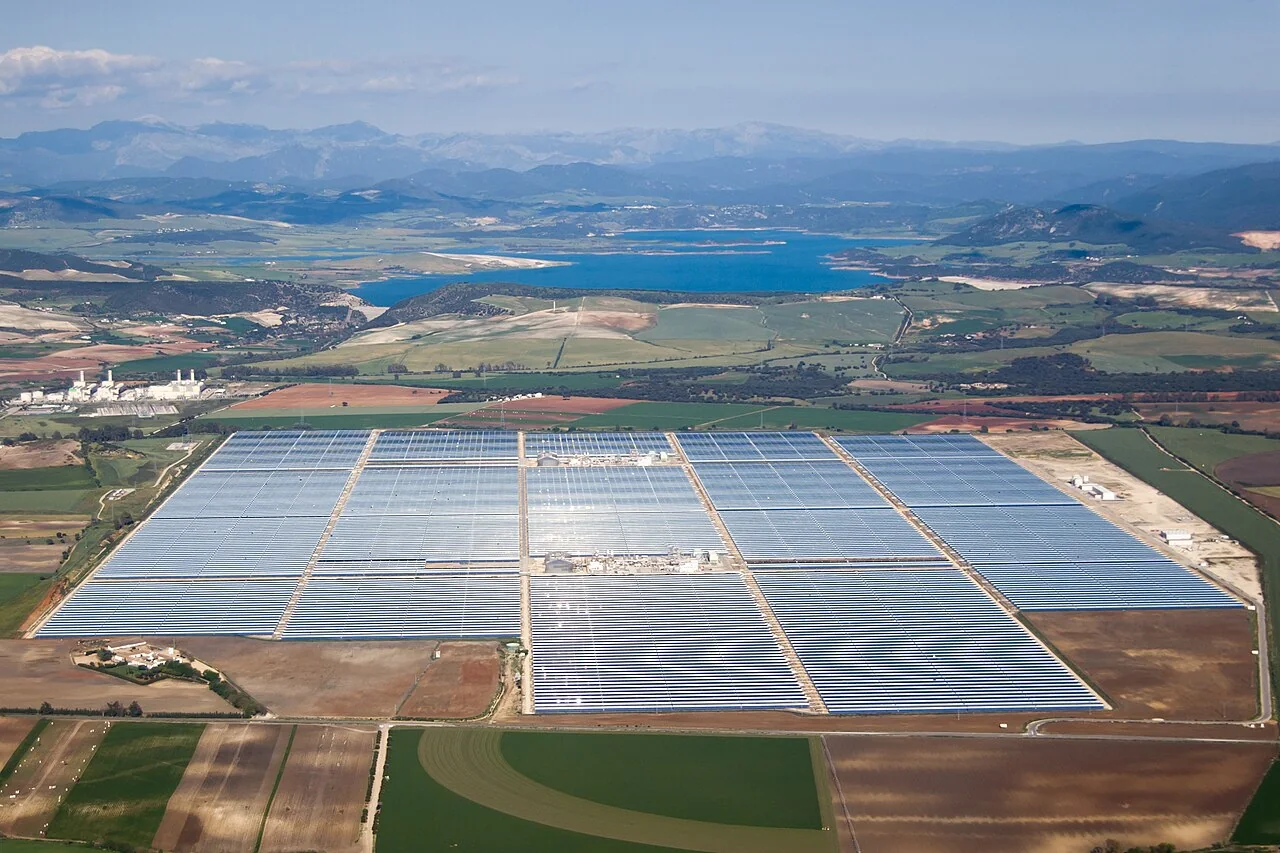 Photo: Arvydas Cetyrkovskis (Kukanotas) · Creative Commons Attribution-ShareAlike 4.0 International (CC BY-SA 4.0) · Image resized and converted to WebP; this adaptation is shared under CC BY-SA 4.0.
Classify energy sources, significant uses, relevant variables, and information gaps.
 Photo: Periodista2252 · Creative Commons Attribution-ShareAlike 4.0 International · Image resized and converted to WebP.
Turn priorities into objectives, action ownership, operational controls, and procurement questions.
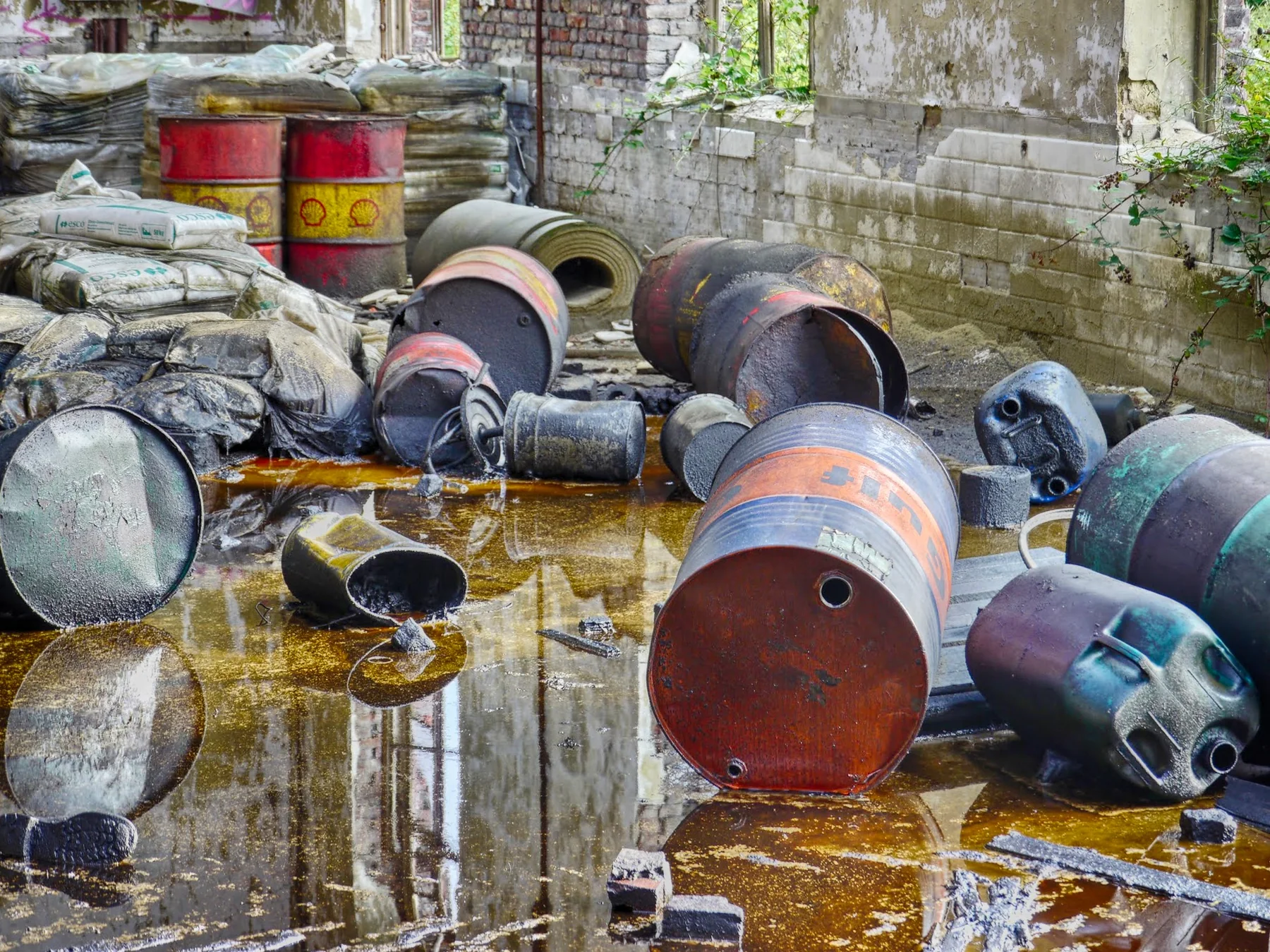 Photo: Fernost · Public domain (copyright-holder release) · Image resized and converted to WebP.
Test data coverage, units, EnPIs, meter checks, and progress records in a classroom dashboard.
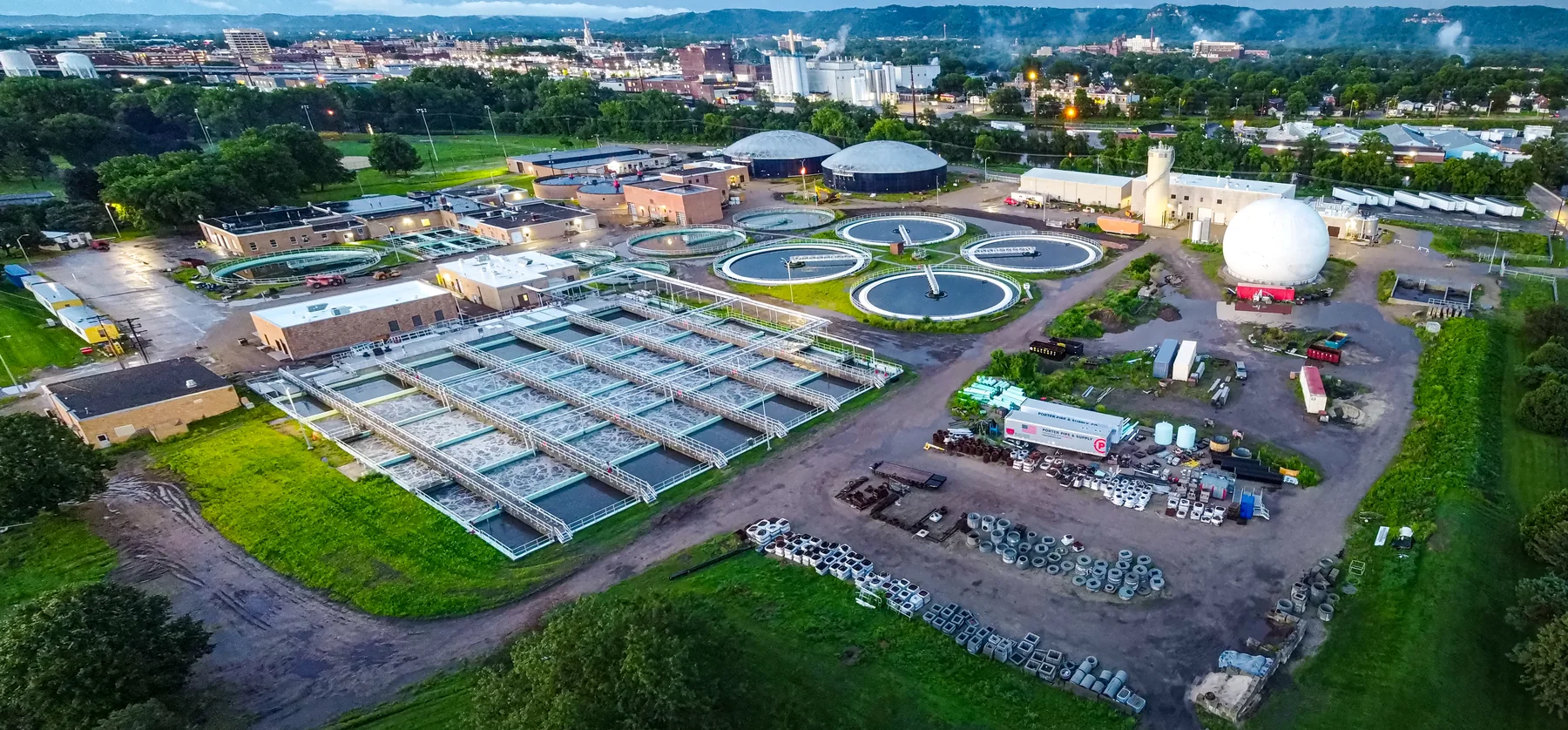 Photo: Wikideas1 · Creative Commons CC0 1.0 Universal Public Domain Dedication · Image resized and converted to WebP.
Use internal review questions and corrective-action logic to plan continual improvement.
Human review: Not evidence of carbon reduction, cost savings, ISO 50001 conformity or certification, assurance, or financing eligibility.
Confirm the final syllabus, duration, dates, format and fees for your manufacturing team.
