


Map environmental aspects
Build an environmental-aspects register linking factory activities, impacts, significance criteria, existing controls and evidence owners within a defined operational scope and review cycle.
Energy & Environmental Management
An applied course for Malaysian manufacturing SMEs that turns ISO 14001 concepts into a workable environmental management system. Participants map aspects and impacts, identify legal and operational controls, organise evidence, set objectives, practise internal-audit interviews and record follow-up actions without treating training as certification or a site audit.

Category covers and course photos are illustrative licensed photographs, not AIGreen Plus staff, facilities or client results. Required creator and licence credits appear with each course photograph.
Use the three-lens matrix to connect environmental significance with operational evidence and an impartial improvement cycle.
| Decision / evidence | Process and impactWhat can affect the environment | Control and evidenceWhat manages and demonstrates it | Audit and improveWhat review should test next |
|---|---|---|---|
| Starting question | What activity can affect the environment? | What control and record address it? | What evidence supports the conclusion? |
| Core artefact | Aspects and impacts register | Control, objective and monitoring card | Audit plan, notes and findings log |
| Review moment | Significance criteria review | Monitoring and compliance evaluation | Corrective-action follow-up |
| Boundary | Defined site and process scope | Applicable obligations confirmed with guidance | Training practice, not certification or site audit |
The matrix is a learning aid; legal applicability, current requirements, certification and audit independence require the organisation and appropriate qualified parties to confirm. Course content is educational; verify current requirements against the linked official sources and the organisation's circumstances.
This course teaches Malaysian manufacturing SME teams how to plan an ISO 14001-aligned EMS, connect environmental aspects to controls and objectives, manage documented evidence, and practise an impartial internal audit. Participants work through factory scenarios and produce an aspects register, control checklist, audit plan, findings log and corrective-action tracker. It is proposed training, not certification, assurance or a live audit; confirm scope and delivery details by enquiry.
Build an environmental-aspects register linking factory activities, impacts, significance criteria, existing controls and evidence owners within a defined operational scope and review cycle.
Draft a practical EMS structure covering policy intent, objectives, roles, competence, operational controls, documented information, monitoring and management review inputs for a selected factory process.
Plan and conduct a role-play internal audit using criteria, sampling, interviews, records and observations, then distinguish objective evidence, findings, corrective action and follow-up.
Assemble a proportionate implementation roadmap assigning owners, timing, evidence checks and escalation points while keeping legal applicability and certification decisions for qualified review.
A fictional Malaysian metal-finishing SME maps incoming chemicals, rinsing, air emissions, wastewater and hazardous-waste interfaces. Participants define the EMS boundary, rate aspects using stated criteria, identify operational controls and mark which records need owner confirmation. The exercise ends with a short priority register, not a compliance conclusion or certification recommendation.
A mock plastics component plant has an incomplete waste log, contractor handover gap and overdue inspection record. Learners trace each issue to a process control, documented-information need and responsible role, then draft a corrective-action card with evidence, due date and follow-up method. No real facility data or legal finding is used.
In a fictional internal-audit role play, one participant interviews production, maintenance and environmental coordinators while another samples spill checks, training records and waste-transfer evidence. The group compares notes with audit criteria, writes a factual finding and tests whether proposed action evidence would close it.
This is a fictional learning example, not client results.
Stated basis: Two fictional audit-sample lists within the same agreed EMS scope · 18 ÷ 30 and 24 ÷ 30.
Absolute difference: 20 percentage points. This is a comparison of the stated exercise values, not proof of improvement.
The exercise compares evidence completeness between two fictional review points; the figures illustrate the method and do not attribute any measured effect to training.
This is not evidence of carbon reductions, cost savings, legal compliance, certification, assurance or financing eligibility.
Final depth, exercises and delivery details are confirmed with AIGreen Plus before delivery.
On a small screen, scroll horizontally inside the course-outline table.
| Module | Focus | Key points | Practice |
|---|---|---|---|
| 01EMS purpose and scope | Introduce ISO 14001 as a management-system framework and define a realistic factory boundary, interested parties, process interfaces and environmental commitments. |
| Define the EMS boundary for a fictional Malaysian metal-finishing plant, noting shared utilities, contractors, products, excluded activities and reasons. |
| 02Aspects, impacts and significance | Translate activities, products and services into environmental aspects and impacts, then apply transparent significance criteria suited to a smaller manufacturing site. |
| Score a fictional coating line's solvent use, wastewater, scrap and spill scenarios, then justify two priority aspects with evidence needs. |
| 03Obligations and compliance evaluation | Create a controlled way to identify applicable environmental obligations, assign owners, check evidence and escalate uncertainty without presenting legal advice as settled. |
| Review a sanitised obligations list for a mock plastics factory and design a periodic evaluation checklist with missing-evidence flags. |
| 04Objectives, controls and operations | Turn significant aspects into measurable objectives, operational controls, competence needs and monitoring plans that fit production realities and available resources. |
| Build an objective-and-control card for a fictional boiler-house fuel and emissions issue, including measure, owner, trigger and record. |
| 05Documented information and records | Design a lean evidence architecture that keeps procedures, forms, approvals and records current, identifiable, protected and retrievable for review. |
| Organise mock inspection logs, training records and waste consignment documents into a controlled index with owners and retention notes. |
| 06Performance evaluation and review | Use monitoring results, compliance checks, incidents, objectives and management review inputs to assess EMS performance and choose proportionate improvements. |
| Interpret a fictional factory dashboard with missed inspections and rising waste, then draft three review questions and one evidence request. |
| 07Internal audit planning and fieldwork | Practise risk-based audit programming, impartial assignment, sampling, interviews, observation and evidence notes for an EMS internal audit. |
| Plan a role-play audit of chemical storage and waste handling, selecting interviewees, samples, criteria and an evidence trail. |
| 08Findings, correction and continual improvement | Convert audit evidence into clear findings, corrective-action analysis, follow-up checks and an implementation roadmap that supports continual improvement. |
| Classify three fictional audit notes, draft one finding and agree a corrective-action follow-up test without declaring certification readiness. |
This proposed course uses factory-flow maps, evidence cards and audit rehearsals to teach ISO 14001 implementation, not proven superiority or guaranteed certification; confirm final scope by enquiry.
| Focus | Proposed approach | Factory relevance |
|---|---|---|
| Factory-flow mapping | Start with process steps, inputs, outputs, controls and interfaces before introducing EMS terminology. | Participants can relate environmental aspects and evidence to familiar production routines. |
| Evidence-first implementation | Pair each objective, control and requirement with an owner, record, review point and stated assumption. | Small teams see what must be available before claiming system maturity. |
| Audit rehearsal | Use scripted interviews, sampling prompts and anonymised records to practise impartial internal-audit fieldwork. | Learners gain a safe way to separate evidence, findings, correction and follow-up. |
| Proportionate roadmap | Sequence scope, aspect review, controls, monitoring, review and improvement activities around a manageable factory boundary. | The plan supports prioritisation without promising certification, savings or compliance status. |
The course is framed around the current ISO 14001:2026 edition and uses the standard's public overview for educational orientation. Because requirements and transition arrangements can change, participants should obtain the applicable standard and confirm current interpretation with an appropriate qualified person.
The outline covers scope, environmental aspects and impacts, obligations, objectives, controls, competence, documented information, monitoring, management review, internal audit and corrective action. Exercises use fictional factory evidence so learners can practise a proportionate approach without assuming that one template fits every site.
No. An internal audit is a first-party evaluation of an organisation's management-system processes against agreed criteria. Certification is a separate conformity assessment by an independent certification body. This course rehearses audit planning and evidence evaluation; it does not certify a company, auditor or EMS.
Suitable participants include owners, management representatives, EHS or quality leads, operations and maintenance managers, process owners and people assigned to internal audits. A cross-functional group is useful because environmental controls and records often sit across production, utilities, contractors and support functions.
Helpful approved materials may include process maps, environmental registers, objectives, permits or obligation references, procedures, inspection logs, monitoring results, training records, incident notes and corrective-action records. Use anonymised or sanitised examples only, and do not share confidential information that is unnecessary for learning.
The course practises how to identify sources, assign owners and evaluate evidence, but it does not give a definitive legal opinion or settle applicability. Participants should confirm current Malaysian requirements, permits and interpretations with the appropriate regulator or qualified professional for their operations.
No. Training can provide concepts, exercises and draft work outputs, but it is not certification, assurance, a site audit or a guarantee of compliance. Any decision to implement, self-declare or seek certification requires the organisation to assess its system and use appropriate independent parties.
Use live information only when the organisation has approved it for the learning setting and the material is necessary. Remove personal, confidential, proprietary and commercially sensitive details. Fictional, anonymised or sanitised data is suitable for practising aspect reviews, interviews, sampling and findings.
Yes, the draft includes audit criteria, scope, impartial role assignment, sampling, interviews, observations, objective evidence, factual findings, correction, corrective action and follow-up checks. The practice follows the educational scope of ISO 19011 guidance, while the organisation remains responsible for its audit programme and competence decisions.
Yes. Delivery format, duration, fees, materials, tools and preparation requirements are not fixed in this draft. Please enquire with the course title, participant roles and learning priorities, then confirm the agreed scope and current arrangements before planning delivery.
Environmental Management System — ISO 14001 Implementation and Internal Audit — proposed practice flow; people remain responsible for evidence, decisions and any operational change.
 Photo: Andri Wijayanto · Pexels License · Image resized and converted to WebP.
Define the selected site, processes, interested parties and EMS interfaces before listing controls.
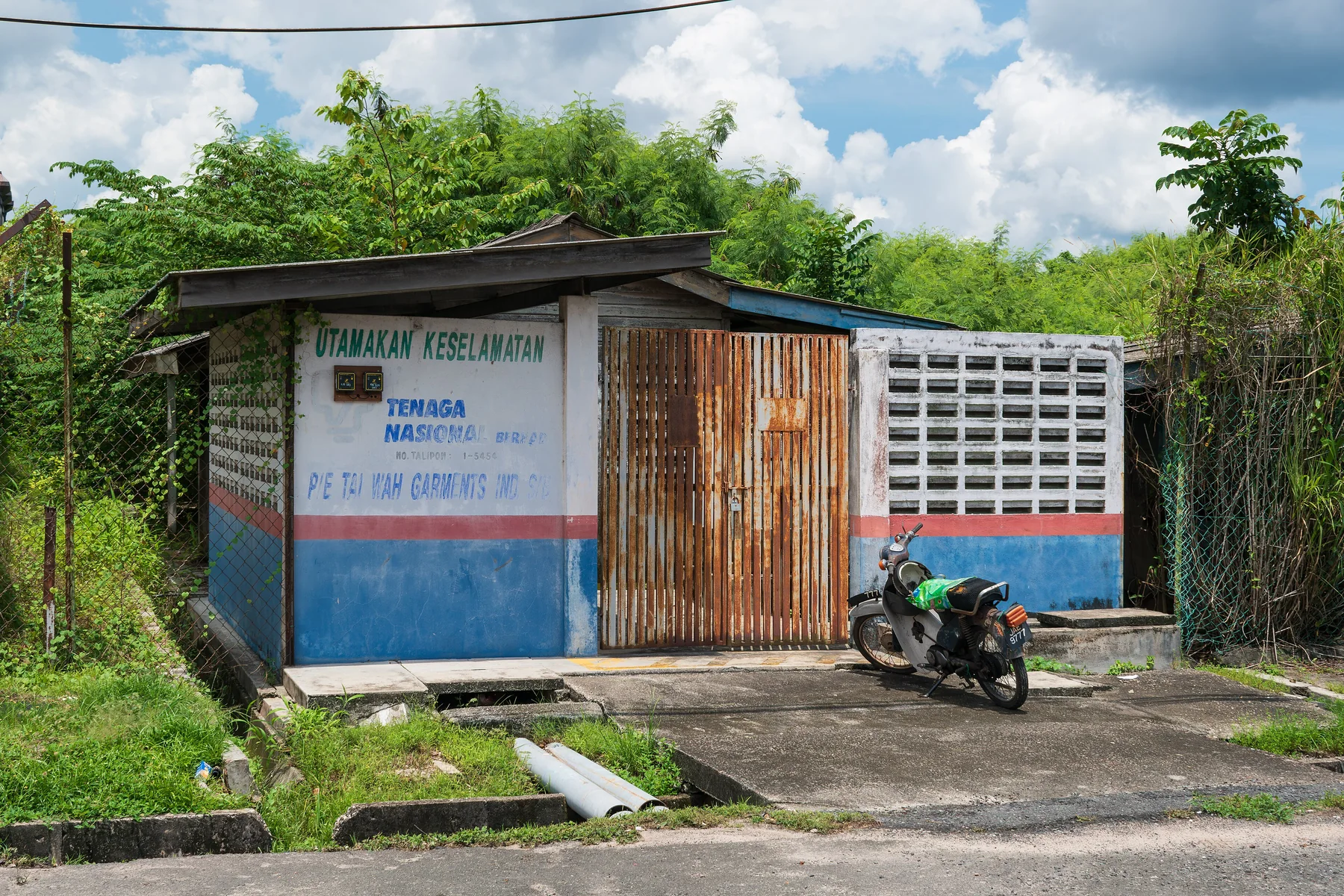 Photo: Dominic Nelson · Creative Commons Attribution-ShareAlike 4.0 International (CC BY-SA 4.0) · Image resized and converted to WebP; this adaptation is shared under CC BY-SA 4.0.
Connect activities, conditions, aspects, impacts and significance criteria using a stated review method.
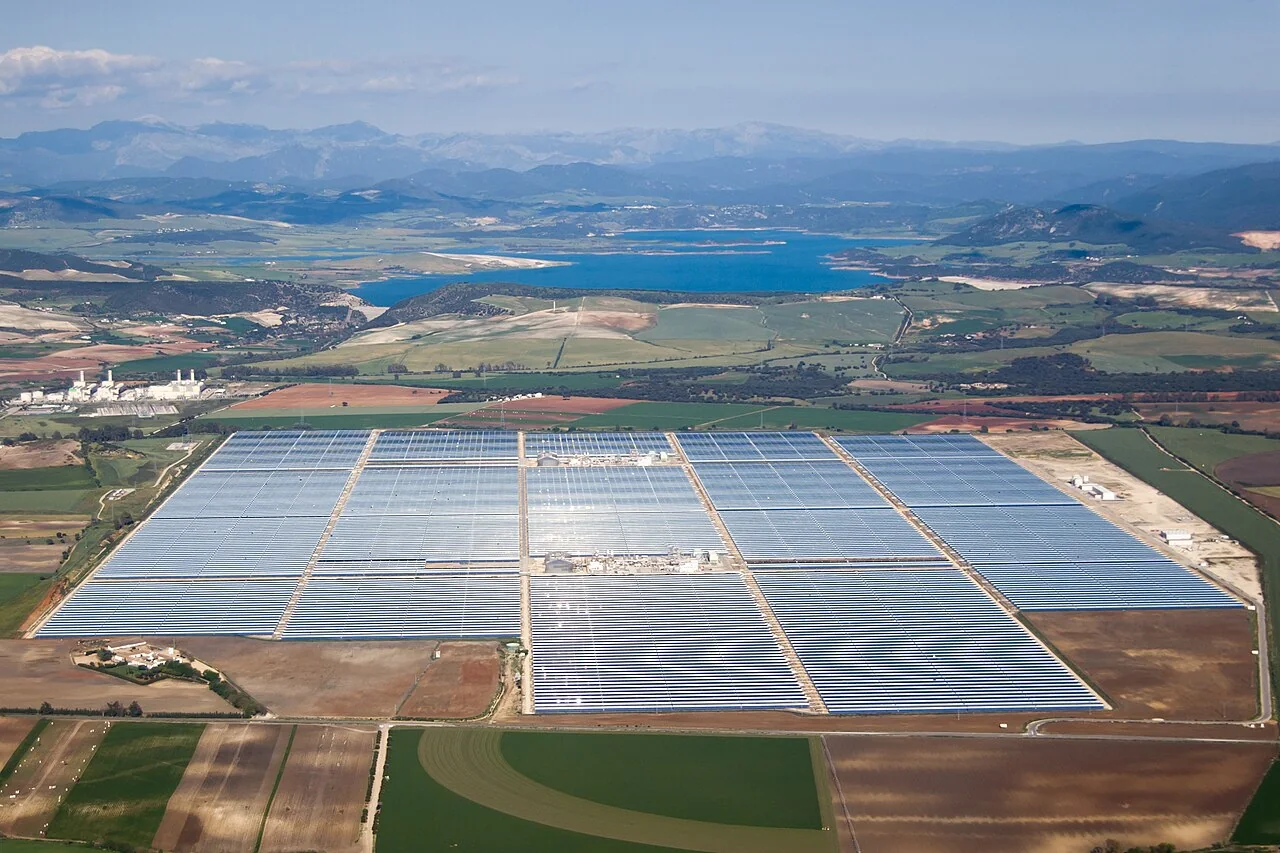 Photo: Arvydas Cetyrkovskis (Kukanotas) · Creative Commons Attribution-ShareAlike 4.0 International (CC BY-SA 4.0) · Image resized and converted to WebP; this adaptation is shared under CC BY-SA 4.0.
Translate priority aspects into objectives, controls, competence, emergency readiness and monitoring arrangements.
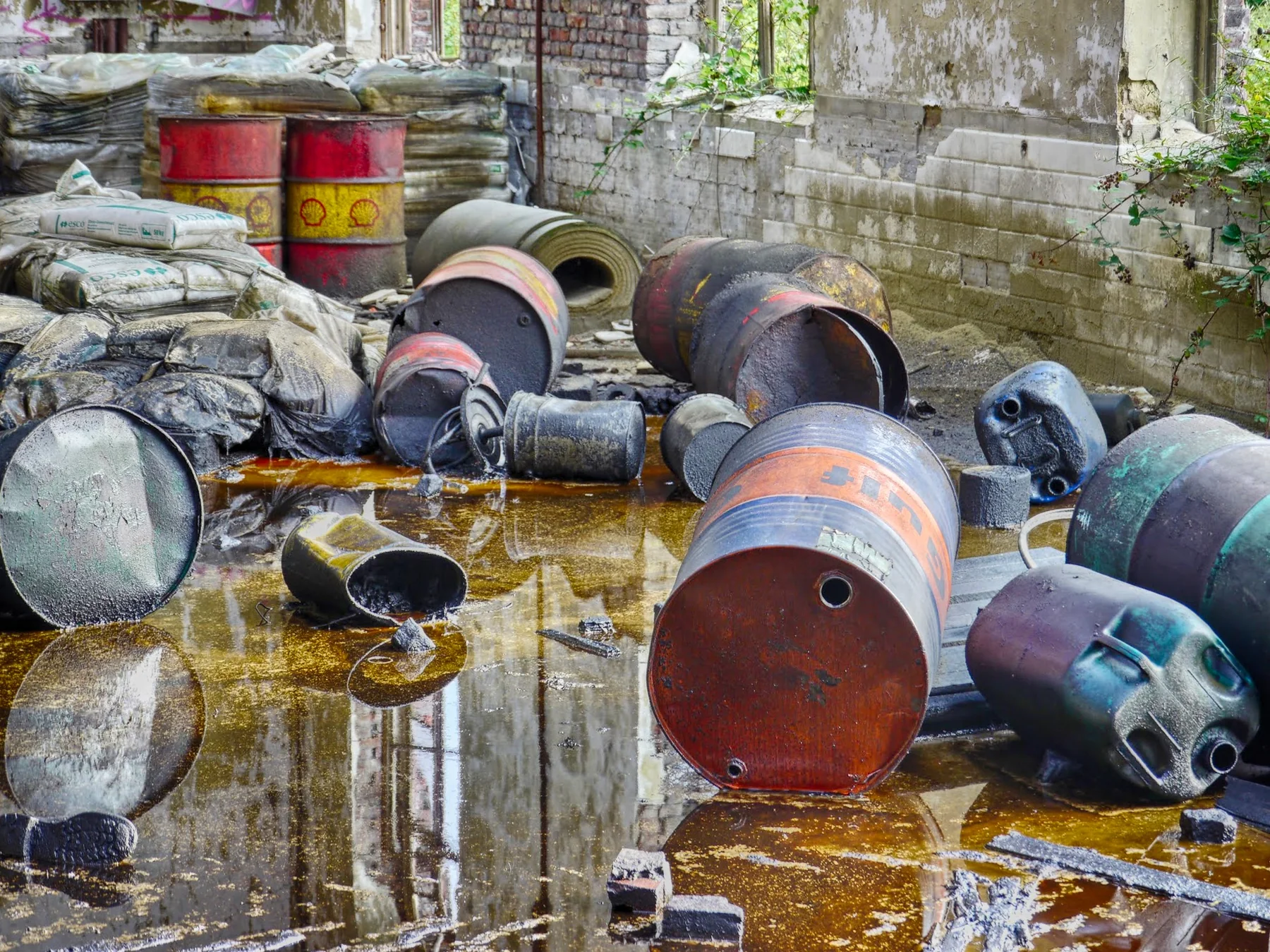 Photo: Fernost · Public domain (copyright-holder release) · Image resized and converted to WebP.
Plan and conduct a sampled audit using criteria, impartial roles, interviews, observations and records.
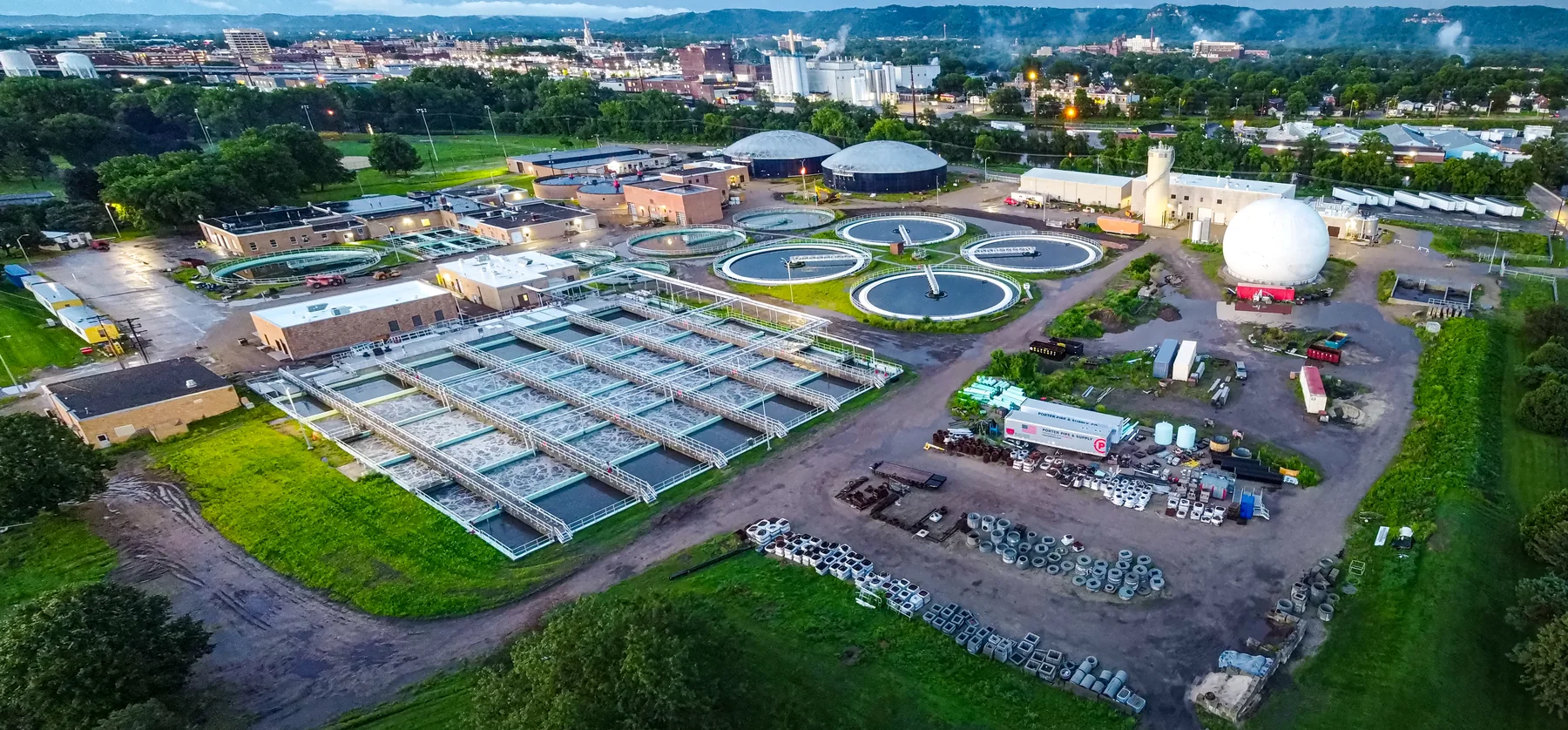 Photo: Wikideas1 · Creative Commons CC0 1.0 Universal Public Domain Dedication · Image resized and converted to WebP.
Turn findings into corrections, root-cause actions and follow-up checks for management review.
Human review: This is not evidence of carbon reductions, cost savings, legal compliance, certification, assurance or financing eligibility.
Confirm the final syllabus, duration, dates, format and fees for your manufacturing team.
