


Map energy boundaries
Map major factory energy inputs and production drivers, then document a clear boundary for a simple baseline exercise using available records without claiming a verified inventory.
Energy & Environmental Management
This course helps Malaysian manufacturing SMEs connect shop-floor energy use with practical cost decisions. Participants learn to establish a usable baseline, interpret meters and bills, investigate major energy users, compare efficiency opportunities, and build an evidence-led action list. The emphasis is learning and structured practice, not guaranteed savings, certification, engineering design, or a site audit.

Category covers and course photos are illustrative licensed photographs, not AIGreen Plus staff, facilities or client results. Required creator and licence credits appear with each course photograph.
The course connects measurement to prioritisation and follow-up, while keeping tariff assumptions and technical decisions visible.
| Decision / evidence | MeasureWhat the records show | PrioritiseWhich question comes first | SustainHow learning is checked |
|---|---|---|---|
| Evidence | Bills, meters, output and shifts | Quality, scale and relevance | Same basis and review record |
| Energy signal | Use, load, timing or intensity | Likely driver or loss to test | Trend with operating context |
| Cost lens | Units, charge lines and assumptions | Controllable action versus clarification | Observed pattern, not promised saving |
| Decision | Boundary and data gap | Owner, next safe check | Follow-up date and learning note |
The matrix is a learning aid: it does not replace an energy audit, engineering assessment, utility advice, financial approval, certification or assurance. Course content is educational; verify current requirements against the linked official sources and the organisation's circumstances.
Participants learn a practical way to map factory energy flows, check the quality of bills and meter records, set a production-aware baseline, and assess where energy intensity or avoidable operating time may be reduced. Exercises cover utilities, equipment, controls, maintenance evidence, opportunity ranking and simple review measures. It is designed for Malaysian manufacturing SME owners, managers and staff who need a shared starting point, not a promise of financial results.
Map major factory energy inputs and production drivers, then document a clear boundary for a simple baseline exercise using available records without claiming a verified inventory.
Compare meter, bill and production data for completeness, units and timing, identifying gaps that could distort energy-intensity or cost interpretation before any opportunity is prioritised for further review.
Screen process and utility opportunities using evidence, operational context, maintainability, safety considerations and simple decision criteria rather than untested savings assumptions or vendor promises.
Prepare a short energy action brief that names owners, checks, records, review timing and learning questions for a Malaysian manufacturing SME team to test before operational decisions are made.
An injection-moulding SME brings twelve months of electricity bills, monthly resin output and shift schedules. Learners map the boundary, test kWh per kilogram as a draft indicator, then investigate idle hours and start-up routines. The exercise asks what additional meter or operator evidence is needed before treating the pattern as an efficiency opportunity. It does not estimate actual savings.
A metal-parts workshop compares compressed-air readings taken during production, breaks and overnight shutdown. The fictional exercise pairs observations with maintenance logs and production schedules, then asks learners to separate a leak hypothesis from normal process demand. The output is a ranked evidence list and a safe follow-up plan, not a repair instruction, engineering design or verified cost result.
A small food processor reviews refrigeration, boiler and cleaning-cycle records across two products. Learners compare energy per batch while noting product mix, operating hours and temperature-control requirements. They then prioritise questions for facilities, production and finance colleagues. The fictional case demonstrates disciplined comparison and evidence gathering; it does not claim a tariff outcome, compliance status or carbon reduction.
This is a fictional learning example, not client results: a plant compares energy per batch before and after a hypothetical operating change.
Stated basis: Same line, product mix, batch definition and comparison period basis · 100 ÷ 100 and 80 ÷ 100.
Absolute difference: 0.2 kWh per production batch / denominator unit. This is a comparison of the stated exercise values, not proof of improvement.
The comparison value is lower on the defined basis, so learners discuss what evidence could explain the difference and whether the operating context stayed comparable.
Illustrative energy-intensity exercise only; it is not evidence of carbon reductions, cost savings, compliance, certification, assurance or financing eligibility.
Final depth, exercises and delivery details are confirmed with AIGreen Plus before delivery.
On a small screen, scroll horizontally inside the course-outline table.
| Module | Focus | Key points | Practice |
|---|---|---|---|
| 01Map energy flows and boundaries | Define the factory, process and time boundaries for an energy review so participants separate production energy from offices, warehouses or unrelated activities. |
| Use a fictional plastics plant layout to mark incoming electricity, gas, compressed air, production lines and excluded administrative loads for a first review. |
| 02Build a usable energy baseline | Turn monthly energy records and production quantities into a transparent baseline, noting units, periods, product mix and data gaps before comparisons begin. |
| Calculate a fictional metal-parts line baseline from three bills, batch counts and one estimated meter month, then annotate the evidence quality. |
| 03Use production-aware performance indicators | Test simple indicators such as energy per batch or unit while checking whether output, product mix and operating conditions make comparisons meaningful. |
| Compare two fictional food-processing weeks with different volumes, product mixes and start-up hours, then list questions before interpreting the ratio. |
| 04Find significant energy users | Prioritise equipment and utilities that deserve investigation by combining consumption evidence, operating time, process importance and observed loss signals from the floor. |
| Review a fictional compressed-air trend and operator notes to distinguish production demand from overnight leakage and identify evidence needing confirmation. |
| 05Screen practical efficiency opportunities | Translate findings into low-risk learning options, separating operational controls, maintenance actions, equipment changes and measures requiring specialist assessment before implementation. |
| Rank fictional motor scheduling, insulation inspection and variable-speed-drive ideas by evidence, operational constraint, owner and next safe confirmation step required. |
| 06Connect energy use with cost evidence | Read bills and internal cost records without assuming a universal tariff, then distinguish controllable consumption patterns from charges requiring finance or utility clarification. |
| Use a fictional Malaysian SME bill with two tariff periods to reconcile energy units, charge categories and questions for the finance team. |
| 07Measure, verify and sustain learning | Plan simple follow-up checks that compare like periods, confirm operating context and show whether an action remains in use without claiming independent verification. |
| Design a four-week fictional check for compressed-air shutdown practice, pairing meter trends with shift logs and a question about production interruptions. |
| 08Build an action and review plan | Combine selected opportunities, owners, checks and review dates into a realistic learning brief that management can refine with plant-specific evidence. |
| Prepare a fictional one-page action brief for a small electronics plant, linking one energy opportunity to evidence, owner, check and review question. |
A proposed, practice-led course design for Malaysian manufacturing SMEs; it is not a claim of proven superiority or guaranteed savings.
| Focus | Proposed approach | Factory relevance |
|---|---|---|
| Factory-specific evidence | Uses bills, meters, output and operator context in one exercise. | SMEs can see which assumptions need confirmation before prioritising work. |
| Decision-ready energy indicators | Practises production-aware ratios and like-for-like comparison. | A clear denominator reduces misleading comparisons across shifts or products. |
| Opportunity screening | Separates operating, maintenance, equipment and specialist-review options. | Teams can choose a sensible next check without treating a concept as a promise. |
| Ownership and follow-up | Builds owner, evidence, review timing and learning questions into each brief. | Actions are easier to discuss and revisit within existing factory routines. |
It means using energy in a way that supports the required production output with less avoidable use, loss or idle operation. The course treats efficiency as an evidence question involving equipment, process conditions, operating practice and data quality, not as a guaranteed percentage improvement or a single technology purchase.
Efficiency concerns the relationship between energy use and production activity. Cost reduction also depends on tariff structure, demand or fixed charges, production timing and billing records. Participants learn to keep those lenses separate, document assumptions and involve the appropriate finance or utility contact rather than assume that lower energy intensity automatically means a specific bill reduction.
Useful preparation includes recent electricity or fuel bills, meter readings where available, production quantities, product mix, shift schedules, equipment lists and maintenance notes. Participants may anonymise sensitive figures. The course does not require a perfect dataset; it uses gaps and uncertainty as part of the learning exercise.
Choose a clearly stated boundary and period, pair energy records with an appropriate production denominator, and note product mix, shifts, weather or process changes that affect interpretation. A draft baseline is a learning aid. It should be revisited when conditions change and should not be presented as independently verified performance.
Not necessarily. Start by understanding existing bills, main meters, operating schedules and the questions the team needs answered. Sub-metering may be useful where a decision cannot be supported by available evidence, but its suitability, installation and data quality need technical review. The course teaches prioritisation, not metering design.
No. It introduces practical energy-management habits that can inform a factory’s discussions about boundaries, objectives, data, review and continual improvement. ISO 50001 implementation has its own requirements and may involve additional work. This course is training and structured practice, not implementation consultancy, certification or an audit.
They can help participants organise available evidence and formulate questions about significant energy users, such as process equipment or utilities. A classroom exercise cannot confirm site conditions or replace a detailed energy audit. Any operational, electrical, safety or equipment decision should be reviewed by the responsible competent person.
Participants compare the strength of evidence, production relevance, operating constraints, safety considerations, maintainability, likely data needs and the effort needed for the next check. The approach deliberately avoids ranking projects by an invented payback or savings number. Finance, engineering and management review remain important before commitments.
No. Learners practise simple comparisons and follow-up checks using fictional or participant-supplied records, but training does not independently verify savings, certify an energy-management system, provide assurance or establish eligibility for financing or recognition. Results require appropriate data, methods and qualified review outside the course.
Those commercial details are not specified in this course content. An enquiry can ask AIGreen Plus about the intended audience, delivery format, duration, fee and evidence participants should prepare. Any operational energy decision, technical assessment, certification or external review would require a separately agreed scope.
Energy Efficiency and Energy Cost Reduction for Manufacturing — proposed practice flow; people remain responsible for evidence, decisions and any operational change.
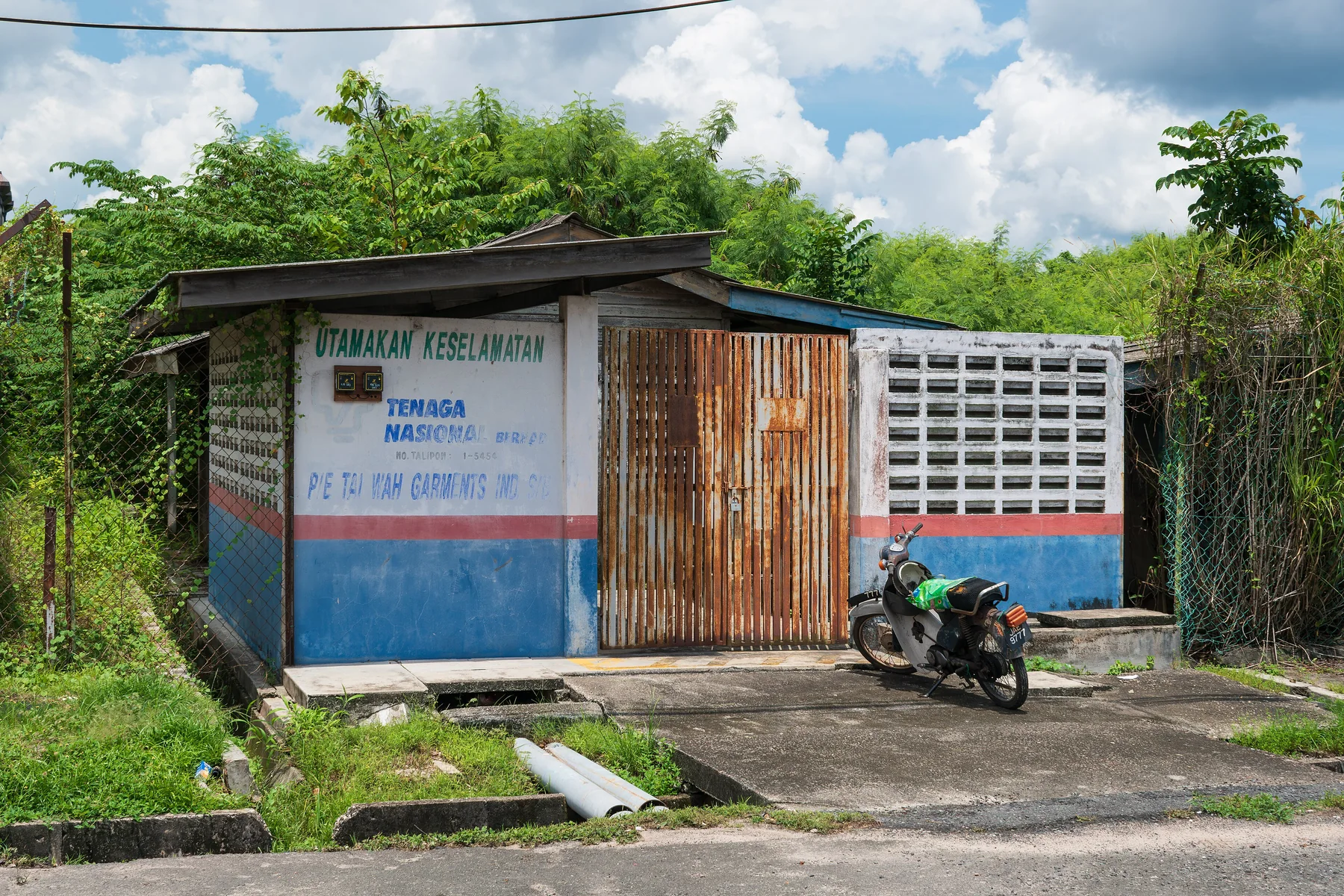 Photo: Dominic Nelson · Creative Commons Attribution-ShareAlike 4.0 International (CC BY-SA 4.0) · Image resized and converted to WebP; this adaptation is shared under CC BY-SA 4.0.
Set the factory boundary and sketch energy flows before analysing records.
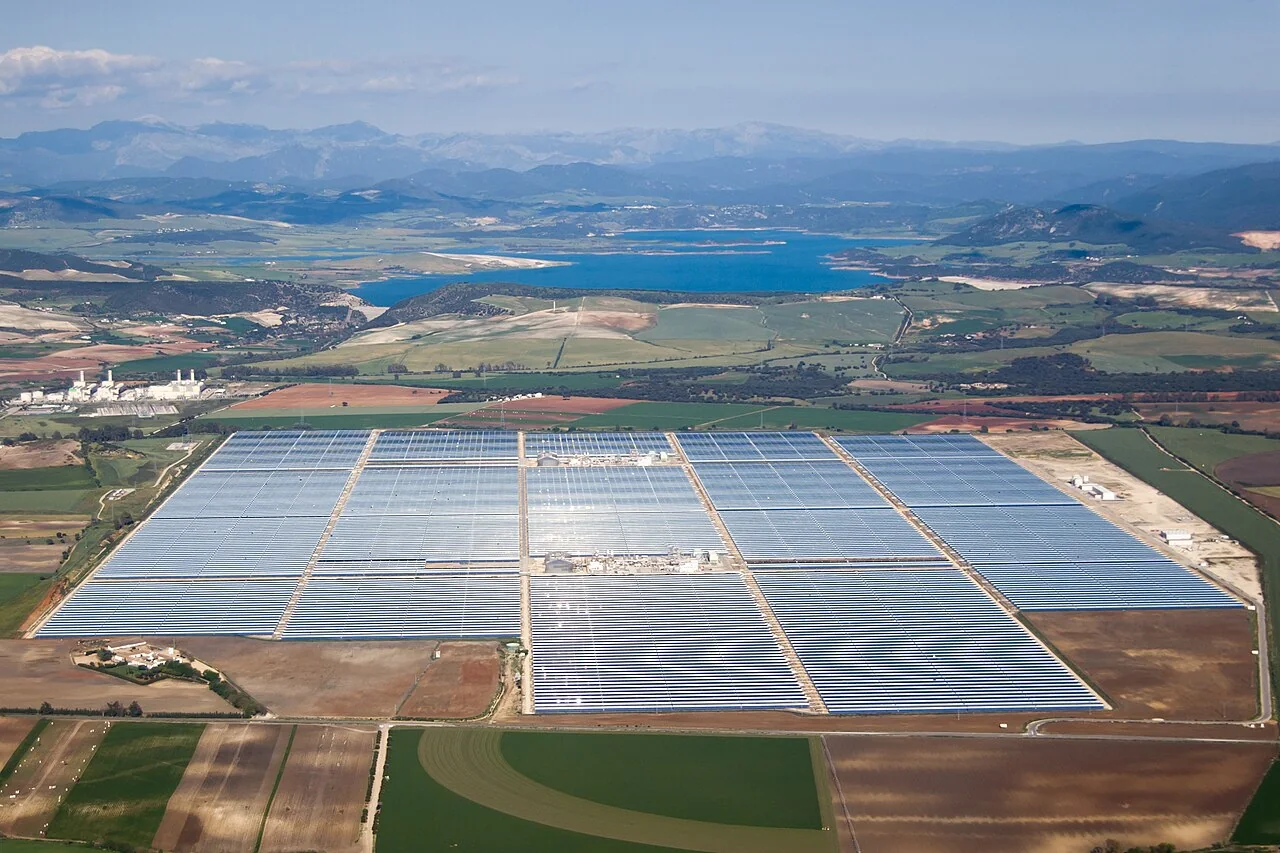 Photo: Arvydas Cetyrkovskis (Kukanotas) · Creative Commons Attribution-ShareAlike 4.0 International (CC BY-SA 4.0) · Image resized and converted to WebP; this adaptation is shared under CC BY-SA 4.0.
Align bills, meters, output and periods, then flag gaps or unusual conditions.
 Photo: Periodista2252 · Creative Commons Attribution-ShareAlike 4.0 International · Image resized and converted to WebP.
Use data and operator observations to identify energy-use questions worth investigating.
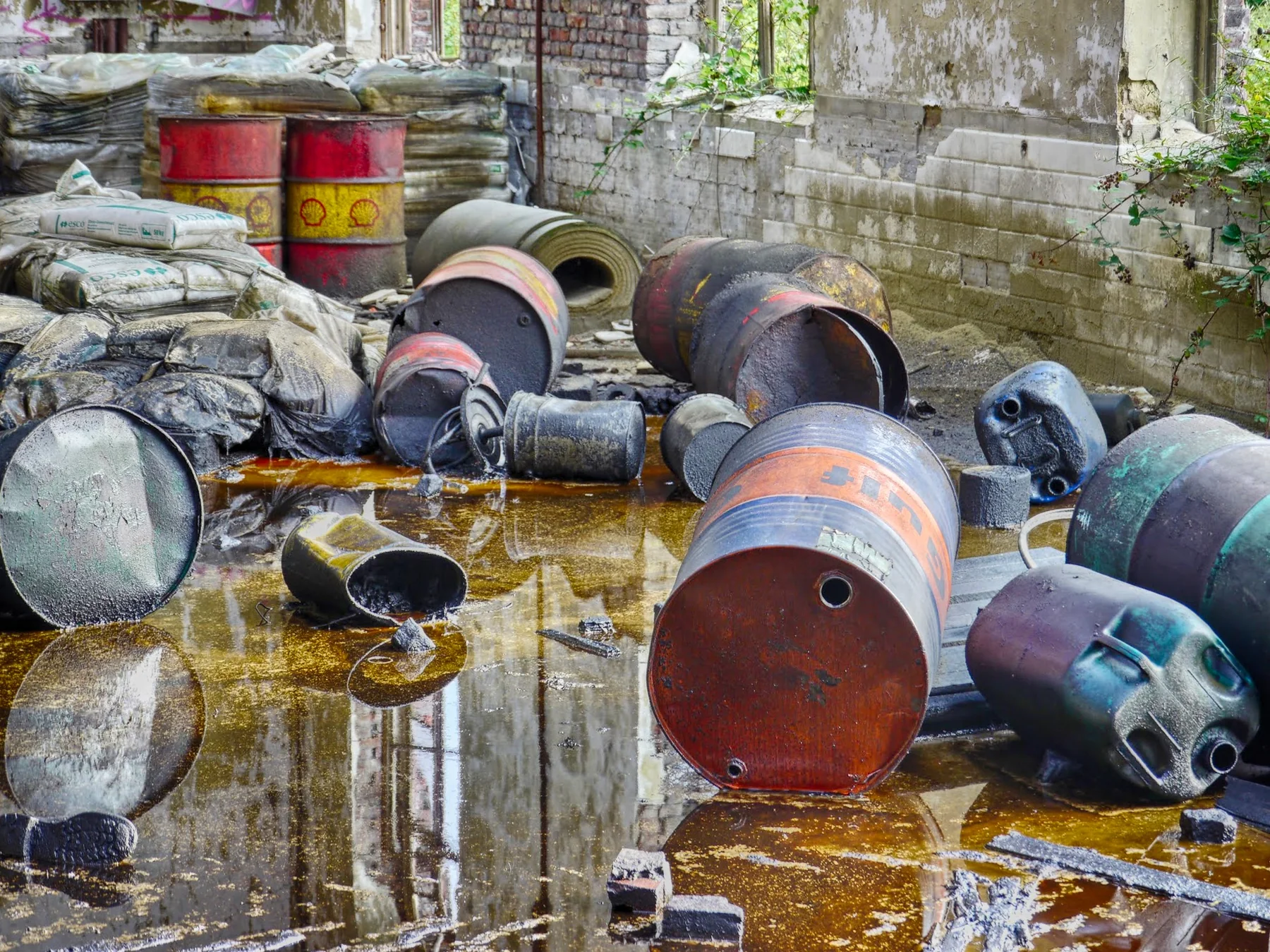 Photo: Fernost · Public domain (copyright-holder release) · Image resized and converted to WebP.
Rank options by evidence, operational fit, safety and next confirmation step.
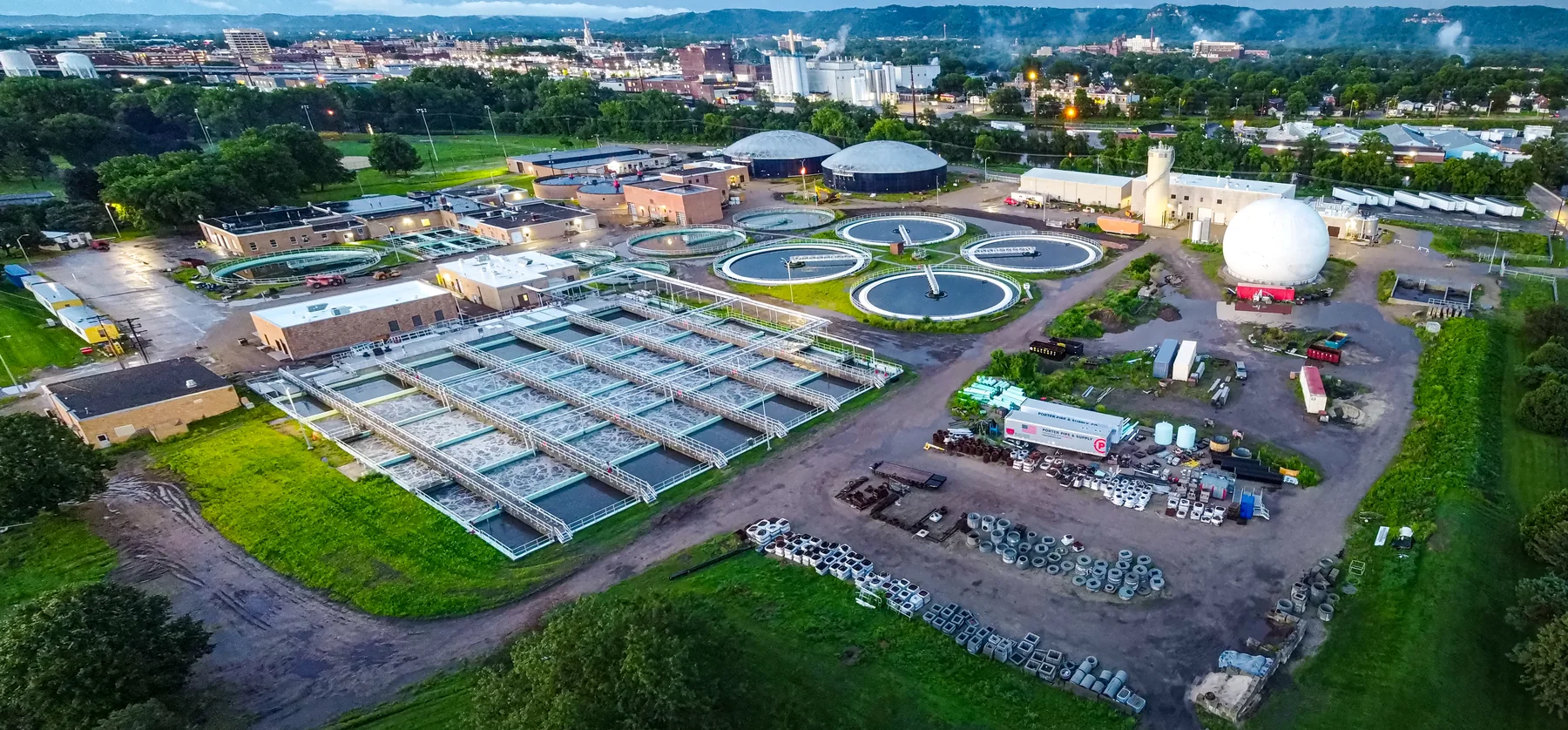 Photo: Wikideas1 · Creative Commons CC0 1.0 Universal Public Domain Dedication · Image resized and converted to WebP.
Plan a like-for-like follow-up that records context and updates the team’s learning.
Human review: Illustrative energy-intensity exercise only; it is not evidence of carbon reductions, cost savings, compliance, certification, assurance or financing eligibility.
Confirm the final syllabus, duration, dates, format and fees for your manufacturing team.
