


Classify claim status
Label a proposed statement as a measured fact, current action or future intention, then record the scope and conditions that give it meaning.
Digital ESG, AI & Emerging Topics
A practical course for Malaysian manufacturing SMEs to spot greenwashing, define claim scope, trace supporting records and apply a proportionate review before environmental messages reach customers. Participants practise distinguishing measured facts, current actions and future intentions through fictional factory cases and a simple evidence register rather than making legal, certification or performance promises.
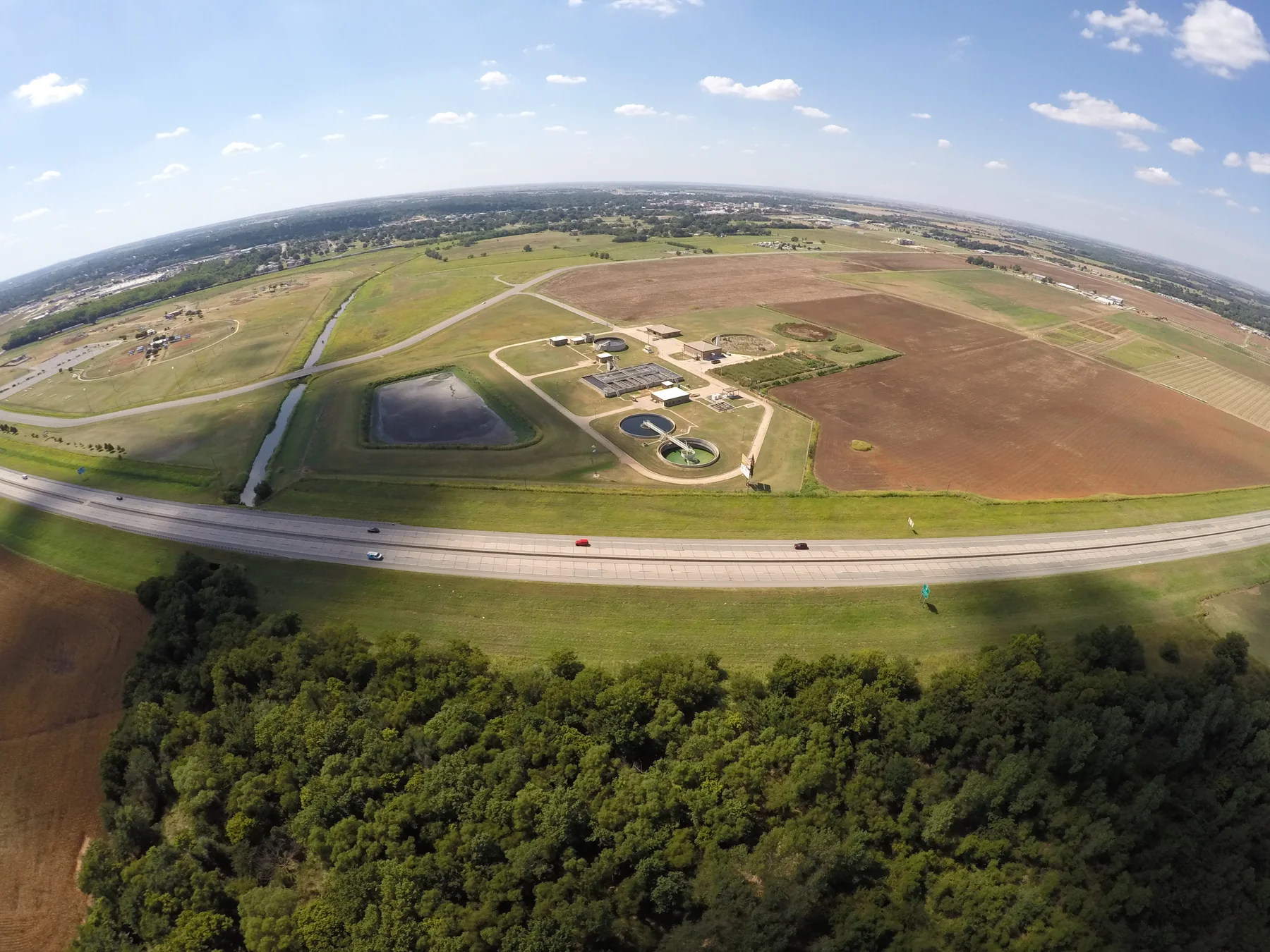
Category covers and course photos are illustrative licensed photographs, not AIGreen Plus staff, facilities or client results. Required creator and licence credits appear with each course photograph.
Use this Aqua Matrix to compare the claim wording, evidence trail and review decision that should travel together.
| Decision / evidence | Claim wordingWhat the audience is told | Evidence trailWhat supports the statement | Review gateWhat must be decided |
|---|---|---|---|
| Scope | Names product, activity, period and boundary | Shows source, method, unit and data owner | Confirms exclusions and intended audience |
| Specificity | States one environmental attribute clearly | Links the attribute to relevant records | Removes vague or absolute wording |
| Comparison | Explains baseline, function and time period | Uses like-for-like data for both options | Tests fairness and material limitations |
| Lifecycle | Does not imply more than the boundary shows | Notes relevant stages and trade-offs | Records qualifier, approver and refresh trigger |
This learning matrix is a review aid, not a legal test, independent assurance, certification decision or substitute for checking current Malaysian requirements with an appropriate qualified person. Course content is educational; verify current requirements against the linked official sources and the organisation's circumstances.
This course teaches Malaysian manufacturing SME owners and cross-functional teams how to screen environmental claims for vague wording, missing scope, weak evidence and misleading comparisons. Participants practise building a claim record, linking statements to approved evidence, adding meaningful qualifiers, checking lifecycle context and recording an owner and review decision. The exercises use sanitised factory scenarios and produce draft review tools; they do not provide legal advice, certification, assurance or a guarantee that any claim is compliant.
Label a proposed statement as a measured fact, current action or future intention, then record the scope and conditions that give it meaning.
Create a claim record linking wording to dates, boundaries, methods, source records, assumptions, limitations and a named internal evidence owner.
Apply checks for clarity, material qualifiers, fair comparisons, lifecycle context and trade-offs before a fictional environmental message moves to review.
Draft a proportionate review decision showing what is supported, what needs clarification, who should approve it and when the evidence should be revisited.
A fictional injection-moulding team wants to describe a component as made with recycled material. Learners identify the material percentage, source and boundary, then test whether the wording clearly distinguishes recycled content from recyclability or a broader environmental benefit. The exercise ends with a claim card and evidence-gap note, not a marketing approval.
A sanitised factory case compares two finishing processes after a process change. Participants align the product function, measurement period, units and lifecycle boundary, then record a fair comparison and a limitation where the available data does not cover every relevant stage. No emissions reduction or cost result is inferred from the exercise.
A fictional electronics manufacturer receives a supplier sustainability seal and drafts a website statement about being responsible. Learners trace the seal's stated basis, check what the supplier evidence actually covers, identify missing qualifiers and route the revised wording through technical and commercial review before publication.
This is a fictional learning example, not client results. Participants compare the completeness of review records before and after a drafting exercise.
Stated basis: Mock claim records reviewed for scope, evidence, qualifier and owner · 72 ÷ 100 and 90 ÷ 100.
Absolute difference: 18 percentage points. This is a comparison of the stated exercise values, not proof of improvement.
The comparison illustrates how a review team may track documentation completeness after a structured drafting pass; it does not establish claim truth, legal compliance or a business performance change.
This exercise is not evidence of emissions reductions, cost savings, compliance, certification, assurance or financing eligibility.
Final depth, exercises and delivery details are confirmed with AIGreen Plus before delivery.
On a small screen, scroll horizontally inside the course-outline table.
| Module | Focus | Key points | Practice |
|---|---|---|---|
| 01Greenwashing Risk in Factory Claims | Recognise how broad environmental impressions can outrun the evidence behind a product, process, facility or company statement. |
| Review a fictional metal-parts brochure and mark which words imply broad environmental benefits without stating a measurable basis. |
| 02Claim Scope and Boundaries | Turn an attractive environmental message into a precise statement with a product, process, period, geography and comparison boundary. |
| Convert a mock plastic-component claim into three scoped alternatives covering one product line, one reporting period and one comparison basis. |
| 03Evidence Register and Traceability | Organise records so each environmental statement can be traced to an appropriate source, method, owner, date and evidence-quality note. |
| Build a claim card for a fictional coating change using approved mock bills, process notes, supplier documents and a data-gap field. |
| 04Specific Wording and Qualifiers | Replace vague green language with clear wording that explains the environmental attribute, relevant conditions and material limitations. |
| Rewrite three fictional packaging statements so each names its attribute, scope, qualifier and evidence reference without claiming an overall environmental benefit. |
| 05Comparisons and Lifecycle Context | Check whether comparative and lifecycle statements use like-for-like boundaries and disclose relevant trade-offs instead of highlighting one isolated advantage. |
| Compare two fictional resin options using a shared product function, stated boundary and mock evidence, then note one material limitation. |
| 06Labels, Certifications and Offsets | Distinguish an environmental attribute claim from a label, third-party certification or offset statement and identify what each still needs to support. |
| Inspect a fictional product seal and offset message, then record the claimed basis, missing disclosure, evidence owner and safer wording. |
| 07Review Workflow and Governance | Create a repeatable cross-functional gate that routes draft claims to evidence owners, technical reviewers and an accountable approver. |
| Map a fictional launch team's claim workflow from draft to approval, including a quality hold when supporting evidence remains incomplete. |
| 08Responsible Publication and Refresh | Practise publishing only supported wording, retaining an evidence trail and revisiting claims when products, data, standards or communication channels change. |
| Use a fictional website update to choose which claims remain publishable, which need qualifiers and which require evidence refresh before release. |
This draft uses claim cards, evidence trails and decision gates as proposed course design; it does not claim proven superiority, compliance or guaranteed results.
| Focus | Proposed approach | Factory relevance |
|---|---|---|
| Claim-first learning | Each exercise starts with a real-world style factory statement and works backward to scope, evidence, qualifier and approval. | Teams practise the decisions that sit behind customer-facing wording rather than memorising disconnected greenwashing terms. |
| Evidence-owner mapping | Learners identify the record, method, date and accountable owner for every material part of a fictional environmental claim. | A manufacturer can see where technical, environment, quality and commercial knowledge must meet before publication. |
| Lifecycle and comparison lens | The matrix asks whether a claim uses a fair baseline, shared function, relevant lifecycle boundary and visible trade-off. | This reduces the risk that one favourable attribute is presented as an unsupported overall environmental advantage. |
| Approval and refresh trail | Participants record reviewer questions, decisions, version notes and a trigger for checking the claim when evidence or products change. | Messages become reviewable working records instead of static slogans detached from the information supporting them. |
Greenwashing is a misleading environmental impression created by wording, visuals, omissions or implied benefits that go beyond what the available evidence and stated scope support. The course treats it as a review risk, not a label to apply casually, and uses fictional factory claims to identify where clarity, evidence or qualifiers are missing.
A credible claim states a specific environmental attribute, identifies its product or process scope and has relevant, robust and current supporting evidence. It also makes material limitations visible, uses a fair comparison where relevant and records who reviewed the wording. These are educational review principles, not a legal conclusion for Malaysia.
A broad label such as green or eco-friendly can imply an overall environmental benefit without telling the audience which attribute was measured, over what boundary or against which baseline. The course practises replacing broad language with a specific, qualified statement supported by records, following the educational direction of the official FTC guidance.
Useful learning inputs may include product specifications, process records, utility or material data, supplier documents, calculation methods, dates, units, boundaries and approval notes. Use only organisation-approved information and mark estimates or gaps. The exact evidence depends on the claim, so a qualified reviewer should confirm what is sufficient for its intended use.
A fact describes a measured or otherwise supported current condition. An action describes work underway and should not be presented as a completed result. An aspiration describes a future intention with conditions and uncertainty. The course has learners label each status so a planned change is not advertised as an achieved environmental improvement.
Use the same product function, units, time period and relevant boundary for both sides, and state the baseline clearly. Check that the comparison is fair and meaningful and that evidence covers both options. If a material lifecycle stage or trade-off is outside the data, the wording should disclose that limitation rather than imply an overall advantage.
A claim about one production stage may be misunderstood as a claim about the whole product or service. Lifecycle thinking asks which stages are relevant and whether an improvement in one area creates a material trade-off elsewhere. The course uses boundary notes and qualifiers; it does not require a particular LCA method or provide an LCA result.
No. A seal should have a clear stated basis and scope, and any material connection with the certifying organisation may matter to how it is understood. The official FTC summary also says a third-party certification does not remove the need to substantiate express or implied claims. Confirm the specific scheme and current requirements before use.
No. It is proposed education with fictional or sanitised exercises, not independent certification, assurance, a site audit or legal advice. It does not approve a live claim or determine Malaysian applicability. Participants should route actual wording and evidence to the organisation's responsible technical, legal or compliance advisers and confirm current official requirements.
The course draft does not fix dates, delivery format, duration, fees, tools or participant materials. Enquire with the exact course title, participant roles and learning priorities, and ask for the current syllabus and preparation requirements. Share only approved information; confirm the agreed scope before planning delivery.
Greenwashing Prevention and Credible Environmental Claims — proposed practice flow; people remain responsible for evidence, decisions and any operational change.
 Photo: Tim Witzdam · Pexels License (free commercial use) · Image resized and converted to WebP.
Define the fictional statement, audience, product or process and intended environmental meaning before discussing evidence.
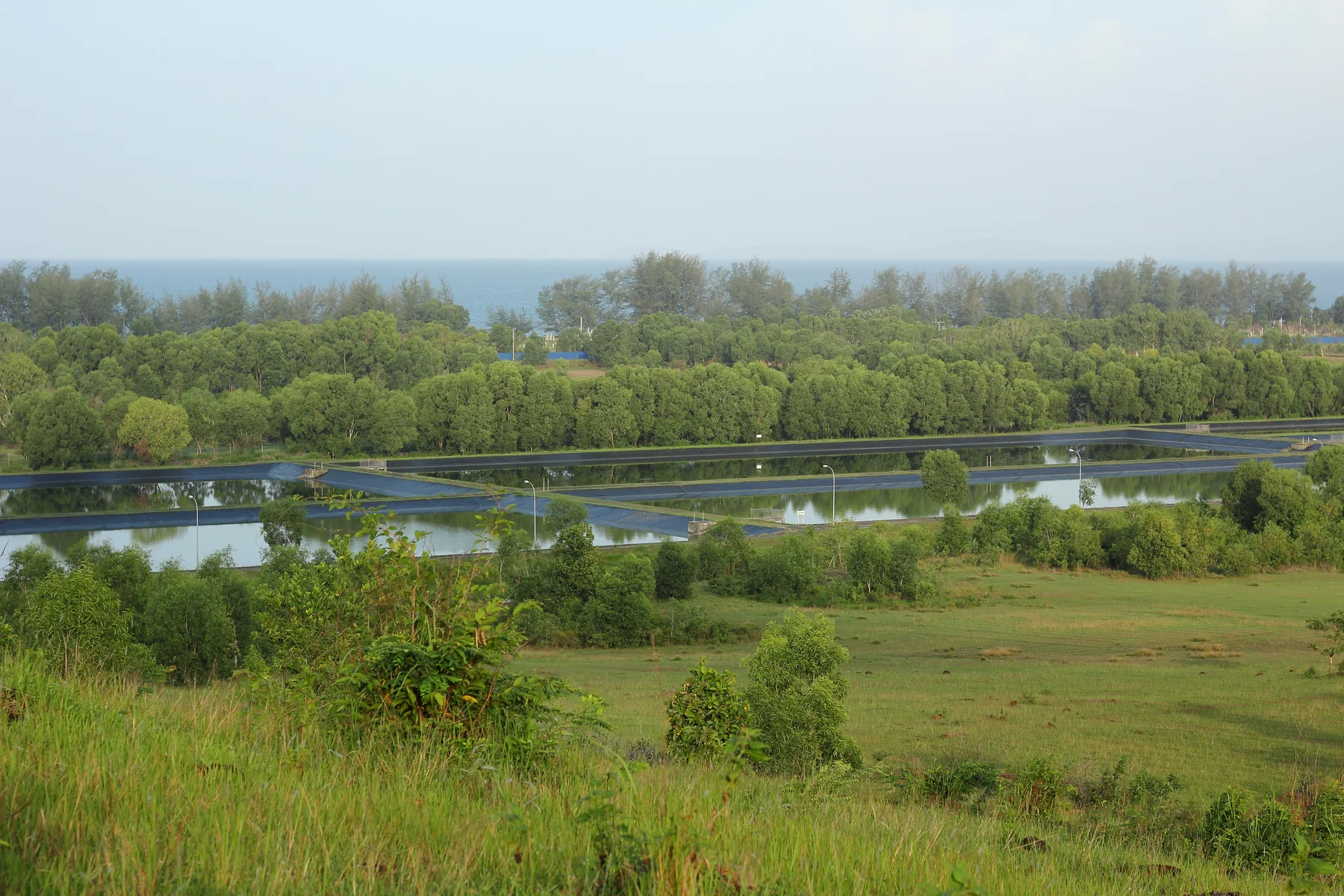 Photo: Dmitry Makeev (Knopik-som) · Creative Commons Attribution-ShareAlike 4.0 International (CC BY-SA 4.0) · Image resized and converted to WebP; this adaptation is shared under CC BY-SA 4.0.
Link each material assertion to an approved record, method, date, unit, assumption and evidence owner.
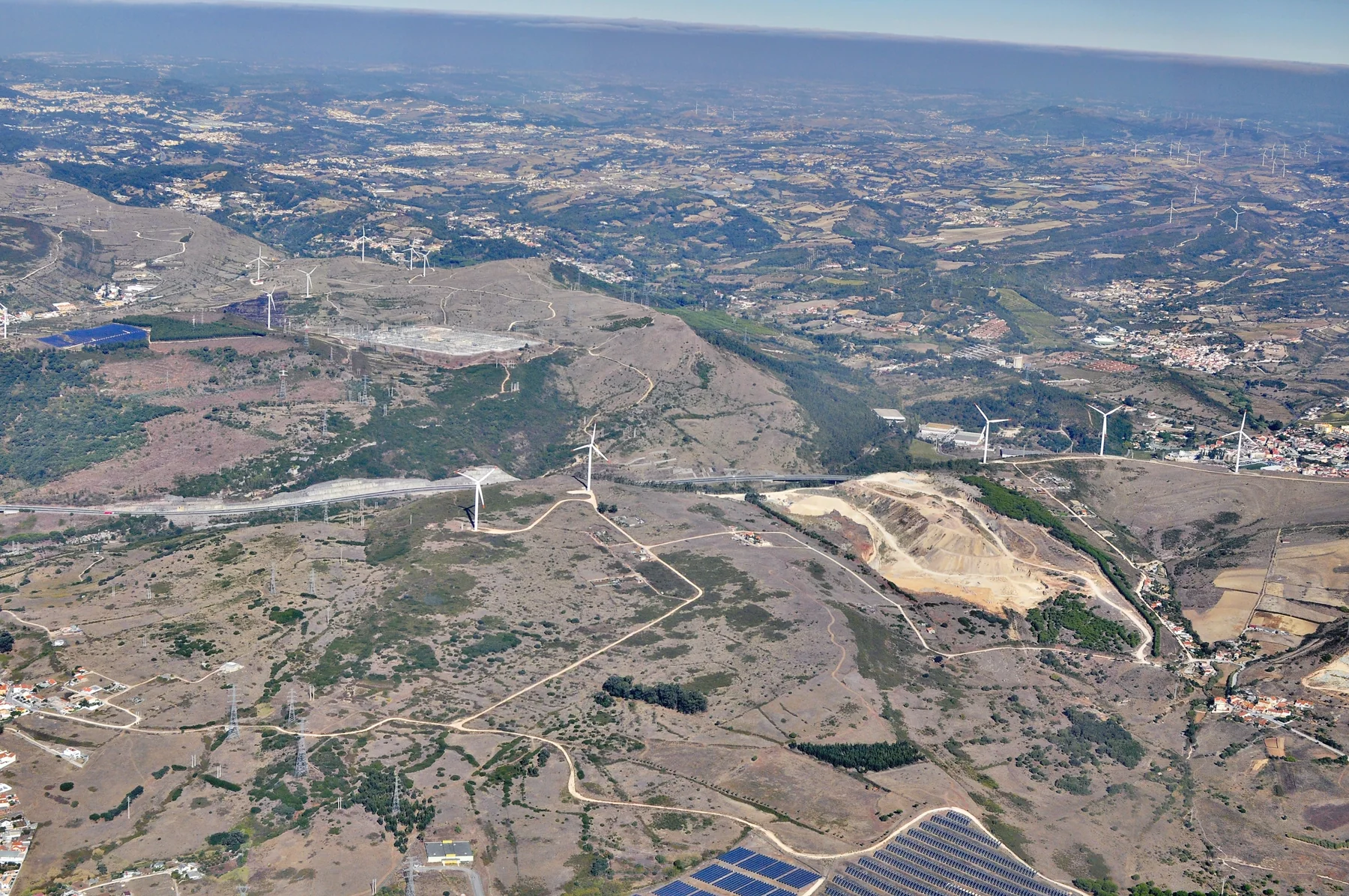 Photo: Pedro Mendes (Flickr user pedrik) · Creative Commons Attribution 2.0 Generic (CC BY 2.0) · Image resized and converted to WebP.
Check clarity, qualifiers, comparison basis, lifecycle context and possible trade-offs in a fictional draft message.
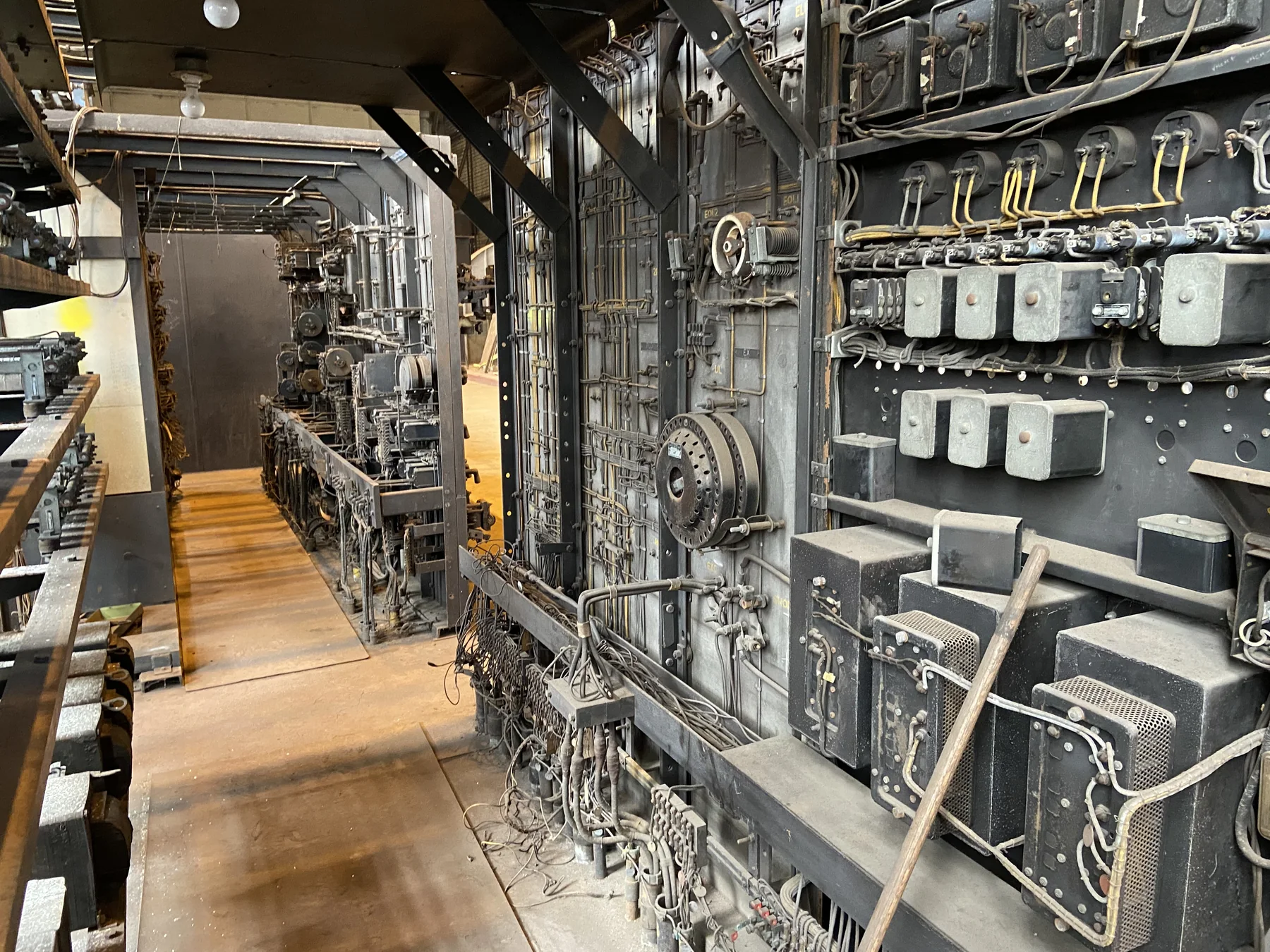 Photo: Nolabob · Creative Commons Attribution-ShareAlike 4.0 International (CC BY-SA 4.0) · Image resized and converted to WebP; this adaptation is shared under CC BY-SA 4.0.
Practise routing supported, revised or held wording to an accountable approver without treating training as approval.
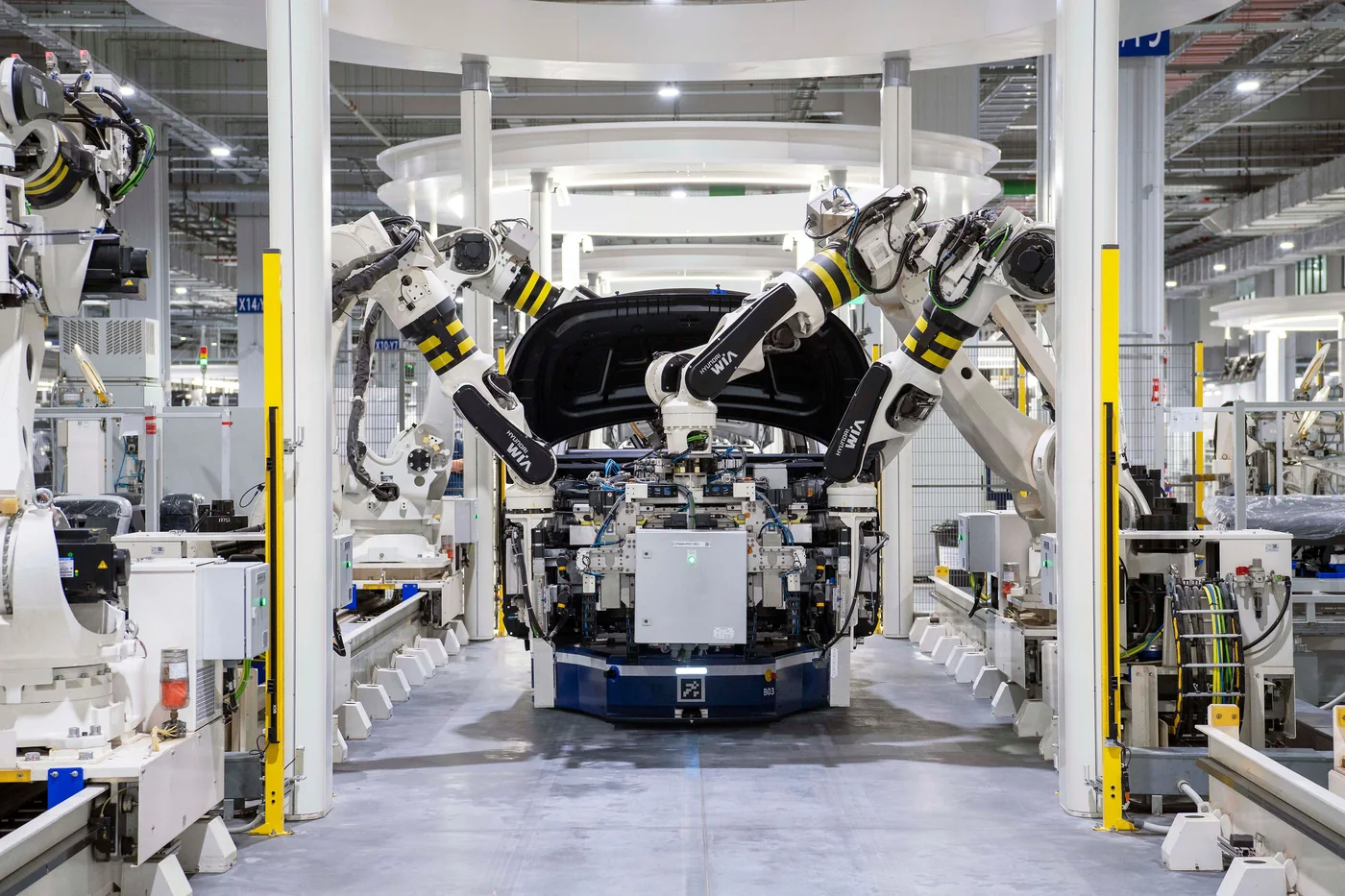 Photo: Hyundai Motor Group · Pexels License · Image resized and converted to WebP.
Set a learning review trigger for changed products, suppliers, evidence, standards or communication channels.
Human review: This exercise is not evidence of emissions reductions, cost savings, compliance, certification, assurance or financing eligibility.
Confirm the final syllabus, duration, dates, format and fees for your manufacturing team.
