For manufacturers in MalaysiaPractical AI. More capable teams. Thoughtful sustainability.
DESIGN A / AQUA MATRIX / ESG TRAINING MALAYSIA

Digital ESG, AI & Emerging Topics

Green Finance and Sustainable Financing Fundamentals

This course gives Malaysian manufacturing SMEs a practical foundation in green finance and sustainable financing. Participants compare green use-of-proceeds, sustainability-linked and transition approaches, map project and KPI evidence, and practise a screening conversation without treating training as approval, assurance or a financing offer from a provider.

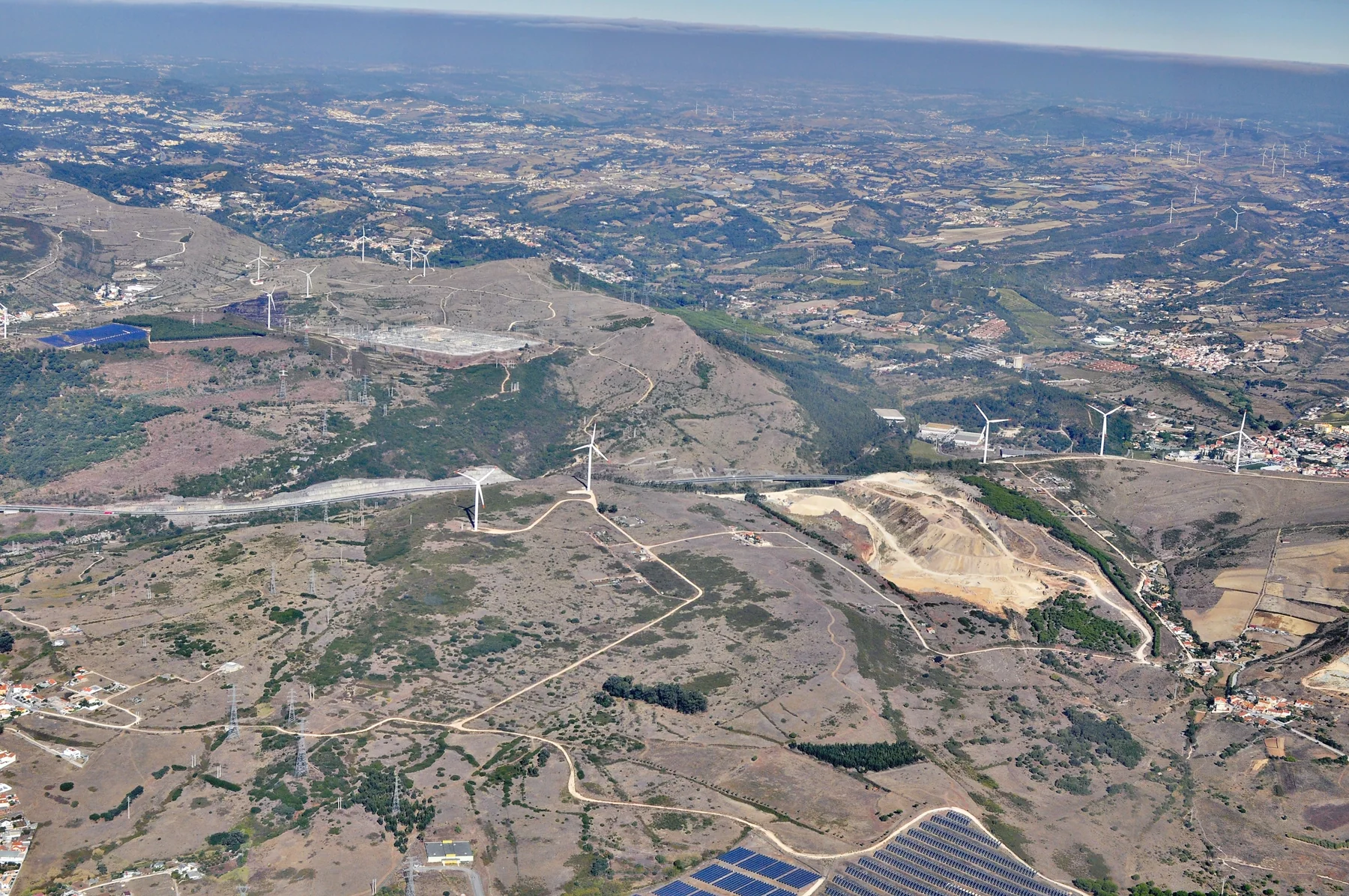
Aerial landscape showing rows of solar panels and wind turbines across agricultural fields under a blue sky.
Photo: Pedro Mendes (Flickr user pedrik) · Creative Commons Attribution 2.0 Generic (CC BY 2.0) · Image resized and converted to WebP.Illustrative stock photograph; not AIGreen Plus staff, facilities or client results.Illustrative photograph; not AIGreen Plus staff, facilities or client results.

Category covers and course photos are illustrative licensed photographs, not AIGreen Plus staff, facilities or client results. Required creator and licence credits appear with each course photograph.

E EnvironmentS PeopleG Accountability
AQUA MATRIX / TOPIC-SPECIFIC COMPARISON

Which financing logic fits the evidence?

Compare the purpose and evidence pattern before discussing products with a provider.

Green project, linked performance or transition pathway?
Decision / evidenceGreen use of proceedsFunds defined eligible projectsSustainability-linkedTerms connect to KPI performanceTransition pathwaySupports credible improvement over time
Primary questionWhat will the funds finance?Which KPI and target govern terms?What pathway moves the activity?
Core evidenceProject scope, cost and eligibilityBaseline, KPI method and monitoringBaseline, milestones and safeguards
Ongoing checkUse-of-proceeds and impact recordsKPI calculations and reporting datesProgress, assumptions and pathway review
Factory illustrationEfficiency equipment with defined scopeEnergy intensity target for a lineProcess change with staged milestones

A comparison aid for learning; product definitions, criteria and documentation depend on the provider and current applicable framework. Course content is educational; verify current requirements against the linked official sources and the organisation's circumstances.

DIRECT ANSWER / BUSINESS LEADERS

See the issue. Find the evidence.

It teaches the building blocks of green finance for a factory: environmental objectives, taxonomies, eligible activities, green loans, bonds, sukuk, sustainability-linked instruments and transition finance. Learners organise a fictional project file, define evidence and monitoring questions, and compare instrument logic before a provider discussion. The intended audience is Malaysian manufacturing SME owners, finance teams, sustainability leads and operations managers. The course supports informed preparation only; it does not recommend investments, arrange funding or certify eligibility.

PRACTICAL LEARNING OBJECTIVES

What participants can practise.

01

Classify financing logic

Distinguish green use-of-proceeds, sustainability-linked and transition approaches by their purpose, evidence expectations and monitoring questions for a hypothetical Malaysian manufacturing project before discussing options with a provider.

02

Map project evidence

Map a project’s environmental objective, boundary, baseline, safeguards, budget and records into a concise evidence pack that a financing conversation can examine without claiming eligibility.

03

Define practical KPIs

Draft a simple KPI definition with a baseline, denominator, data owner, review period and caveat so a factory team can discuss measurement responsibilities clearly.

04

Prepare responsible questions

Use a decision matrix to identify provider questions on criteria, monitoring, reporting, verification, costs and current requirements without making an investment recommendation or financing promise.

FACTORY-RELEVANT APPLICATION

Apply the concept to a manufacturing question.

Boiler replacement evidence map

A fictional food-packaging SME is considering a lower-emission boiler and wants to understand what a financing conversation may examine. Learners define the project boundary, record fuel and production data, identify approvals, separate expected environmental purpose from promised savings, and list questions about use of proceeds, monitoring and any provider-specific criteria.

Energy KPI classroom test

A hypothetical electronics assembler compares two ways to describe line performance: total electricity and electricity per finished unit. The class tests boundaries, production denominators, meter sources and review ownership, then records why a KPI definition needs context before it can support a sustainability-linked discussion or any external claim.

Transition pathway review

A sanitised metal-finishing scenario starts with an older process and a staged investment plan for efficiency, process controls and cleaner equipment. Participants build a milestone table, note safeguards and data gaps, and practise asking whether the proposed pathway is credible under the relevant provider framework rather than calling it automatically eligible.

FICTIONAL LEARNING EXAMPLE / NOT CUSTOMER RESULTS

Fictional evidence checklist review

This is a fictional learning example, not client results.

BASELINE / CASE A80%of reviewed set
COMPARISON / CASE B60%of reviewed set

Stated basis: Ten fictional project records assessed against the same classroom evidence checklist · 8 ÷ 10 and 6 ÷ 10.

Absolute difference: 20 percentage points. This is a comparison of the stated exercise values, not proof of improvement.

  • The records are fictional and cover one hypothetical facility’s proposed projects.
  • Each record is judged once against the same checklist.

The comparison shows that fewer reviewed records met the checklist in the second review set; it does not attribute a cause or indicate financing readiness.

This exercise does not establish emissions reductions, cost savings, compliance, certification, assurance or financing eligibility.

Educational source notes
  • Climate Change and Principle-based Taxonomy — Explains Bank Negara Malaysia’s guidance for financial institutions assessing and classifying economic activities, including transition categories and broader environmental considerations; used for classroom taxonomy concepts, not an eligibility determination or endorsement.
  • Sustainable and Responsible Investment — Provides the Securities Commission Malaysia’s official index for SRI taxonomy, sustainable and responsible investment instruments and related materials; used to introduce product and evidence concepts, not to promise access, approval or eligibility.
SELECTED OUTLINE B / EIGHT PROPOSED MODULES

A clear learning route.

Final depth, exercises and delivery details are confirmed with AIGreen Plus before delivery.

On a small screen, scroll horizontally inside the course-outline table.

Green Finance and Sustainable Financing Fundamentals — proposed course outline
ModuleFocusKey pointsPractice
01Finance Foundations for Factories

Explain how environmental objectives, risk, return, use of proceeds and evidence connect when a Malaysian manufacturer discusses sustainable financing with providers.

  • Separate environmental purpose from ordinary capital budgeting and lending decisions.
  • Identify evidence questions before labelling a project green or sustainable.
  • Record unknowns rather than assuming approval, pricing, or eligibility outcomes.

A fictional metal-parts factory maps a rooftop solar proposal, its energy baseline, budget owner and evidence gaps onto a financing conversation canvas.

02Taxonomies and Eligibility Signals

Use taxonomy thinking to classify an activity, test environmental contribution and note safeguards without treating a label as automatic financing approval.

  • Read a taxonomy as a classification lens, not a funding guarantee.
  • Check environmental contribution and potential no-significant-harm questions.
  • List evidence gaps requiring provider or qualified-person confirmation.

Teams classify a fictional coating-line upgrade against an educational taxonomy checklist and mark unresolved safeguards, data and interpretation questions.

03Green Instruments and Proceeds

Compare green loans, bonds and sukuk through use-of-proceeds logic, eligible project boundaries, recordkeeping and monitoring expectations.

  • Define the project pool and permitted use of proceeds.
  • Separate allocation records from environmental impact evidence.
  • Draft questions about reporting, review and documentation responsibilities.

A fictional food-packaging SME sorts equipment invoices, energy records and project approvals into a sample green-finance proceeds file.

04Linked Instruments and KPIs

Explore how sustainability-linked financing connects terms or monitoring to defined KPIs, baselines, targets, calculation methods and review processes.

  • Choose a KPI that reflects a material factory performance question.
  • Document baseline, boundary, unit, source and calculation method.
  • Identify review controls without promising pricing or financing outcomes.

A hypothetical electronics assembler drafts an energy-intensity KPI card, tests its denominator and assigns a monthly data owner for classroom review.

05Transition Finance in Manufacturing

Position transition finance as a credible improvement pathway supported by baseline evidence, milestones, safeguards and transparent assumptions.

  • Describe the starting activity and material environmental challenge.
  • Sequence near-term actions, milestones and decision points.
  • Flag lock-in, rebound and social-impact questions for review.

A fictional heat-treatment plant builds a staged pathway from baseline fuel use to equipment and process changes, noting evidence needed at each milestone.

06Evidence, Monitoring and Reporting

Build an evidence trail linking project scope, financial records, operational data, KPI calculations, approvals and periodic monitoring.

  • Assign each evidence item an owner, source and review period.
  • Keep financial allocation records separate from performance measures.
  • Log assumptions, changes and unresolved data-quality issues.

Teams assemble a fictional cold-storage upgrade evidence index covering invoices, meter readings, approval minutes, KPI calculations and review notes.

07Risk, Claims and Governance

Recognise greenwashing, data, governance and assurance risks when describing sustainable financing, environmental claims and provider-facing evidence.

  • Use precise wording for proposed activities and expected evidence.
  • Distinguish verification, assurance, certification and internal review.
  • Escalate legal, technical and product-specific questions appropriately.

A fictional plastics manufacturer edits three draft financing statements, removing unsupported eligibility, savings and certification claims before management review.

08Provider Conversation and Decision Matrix

Apply a structured matrix to compare purpose, evidence, monitoring, reporting and open questions before a Malaysian manufacturing SME contacts a provider.

  • Compare instrument logic against the project’s evidence readiness.
  • Prepare questions on criteria, costs, review and reporting.
  • Capture a decision as a learning note, not advice.

A fictional precision-machining SME completes a three-column matrix and writes a provider discussion brief with scope, evidence, assumptions and follow-up questions.

AIGREEN PLUS / PROPOSED TRAINING APPROACH

How AIGreen Plus's proposed approach fits this topic

This is a proposed course design for practical learning, not a claim of proven superiority or guaranteed financing results.

Proposed teaching practices and potential manufacturer relevance; not an independently proven superiority claim
FocusProposed approachFactory relevance
Factory-first evidenceStarts with a fictional project file, data boundary, budget and responsible owner.Manufacturers can see which records a financing conversation may need before chasing labels.
Instrument comparisonUses one matrix to compare proceeds, KPIs and transition pathways.Teams avoid treating every sustainable product as the same type of financing.
Measurement disciplinePractises baseline, denominator, source, review period and assumptions for simple KPIs.Clear definitions reduce avoidable confusion when operational data enters provider discussions.
Claim boundariesBuilds in questions about eligibility, safeguards, review and assurance limits.Managers can communicate carefully without turning a classroom exercise into a funding claim.
PARTICIPANT READINESS

Bring the relevant people and records.

Relevant roles

  • Manufacturing SME owners or directors who need a shared financing vocabulary.
  • Finance, treasury or accounting staff preparing project and lender information.
  • Sustainability, EHS or energy leads who can describe environmental projects and data.
  • Operations or engineering managers ready to test a fictional financing evidence checklist.

Before training

  • Bring a high-level view of one facility project, such as solar, efficiency, waste or process-change investment.
  • Know where basic project costs, energy or resource data, and management approvals are recorded.
  • Be ready to distinguish a learning exercise from provider-specific eligibility, due diligence or assurance.
TEN COURSE-SPECIFIC ANSWERS

Questions before you enquire.

01What is green finance?

Green finance refers to financing activities or projects with an environmental purpose supported by defined criteria and evidence. The label alone does not guarantee approval, better pricing, environmental performance or eligibility. This course teaches the questions a manufacturing SME can prepare before speaking with a provider.

02How is sustainable finance broader than green finance?

Green finance concentrates on environmental objectives such as energy, emissions, resources or pollution. Sustainable finance can also address social and governance considerations, depending on the product or framework. The course uses this distinction to help teams describe scope precisely rather than apply one label to every financing need.

03What does a taxonomy do for a manufacturer?

A taxonomy provides a classification lens for activities and their contribution to stated objectives, often alongside safeguards and evidence expectations. Malaysia’s official guidance is intended to support financial-institution assessment. It is not a universal approval certificate, and a provider must confirm the current framework and product criteria.

04Which sustainable financing instruments should an SME understand?

The fundamentals include green loans, bonds or sukuk tied to defined uses, sustainability-linked instruments connected to performance indicators, and transition finance for credible improvement pathways. Terms, access, review and reporting differ by provider and framework. The course compares their logic without recommending a product or promising funding.

05What is the difference between green use-of-proceeds and sustainability-linked financing?

Use-of-proceeds financing focuses on where funds are allocated, such as specified environmental projects. Sustainability-linked financing focuses on defined performance indicators and targets that may affect instrument terms. Both require careful boundaries, evidence and monitoring, and neither is automatically suitable for every factory project.

06What evidence might a manufacturing SME prepare?

Useful preparation can include project scope, environmental objective, budget, baseline data, calculation methods, approvals, safeguards, data owners and monitoring records. The exact evidence depends on the provider and instrument. The course treats these as discussion materials, not proof of eligibility, assurance or compliance.

07Is every solar or efficiency project automatically eligible for green finance?

No. A project may need to meet the relevant taxonomy, product criteria, safeguards and documentation expectations. Its context, boundary and evidence matter. A financing provider or appropriately qualified person must confirm current requirements; the course does not classify a real project or issue an eligibility decision.

08What does transition finance mean in a factory context?

Transition finance supports a credible pathway from a higher-impact activity toward improved environmental performance, with a baseline, milestones, assumptions and safeguards. It is not a blanket label for ordinary spending or a substitute for emissions management. The course practises pathway questions without judging a real company’s credibility.

09Does this course arrange funding, certification or assurance?

No. It is educational training with fictional and evidence-led exercises. It does not arrange or execute financing, provide investment recommendations, certify a project, perform assurance, submit applications or confirm eligibility. Participants should obtain product-specific and professional advice where appropriate before making business decisions.

10Can the course confirm a green loan, grant, fee or certificate for my company?

No. Course scope, format, duration and fees should be confirmed separately, and the course does not promise grants, loans, certificates, savings or eligibility. It helps a Malaysian manufacturing SME prepare questions and records for an independent discussion with a relevant provider or qualified person.

DESIGN A / FIVE WORKPLACE STAGES

From course learning to a reviewed next step.

Green Finance and Sustainable Financing Fundamentals — proposed practice flow; people remain responsible for evidence, decisions and any operational change.

  1. 01

    Map the Project

    A compact air-quality monitor displays CO2 and particle readings beside a leafy potted plant on a desk, illustrating environmental data capture.Photo: Tim Witzdam · Pexels License (free commercial use) · Image resized and converted to WebP.

    Describe one factory project and its environmental objective before discussing finance.

    OWNERProject sponsor
    WORKPLACE CHECKProject scope, site, spend and objective recorded
    STAGE OUTPUTProject profile card
  2. 02

    Check the Taxonomy

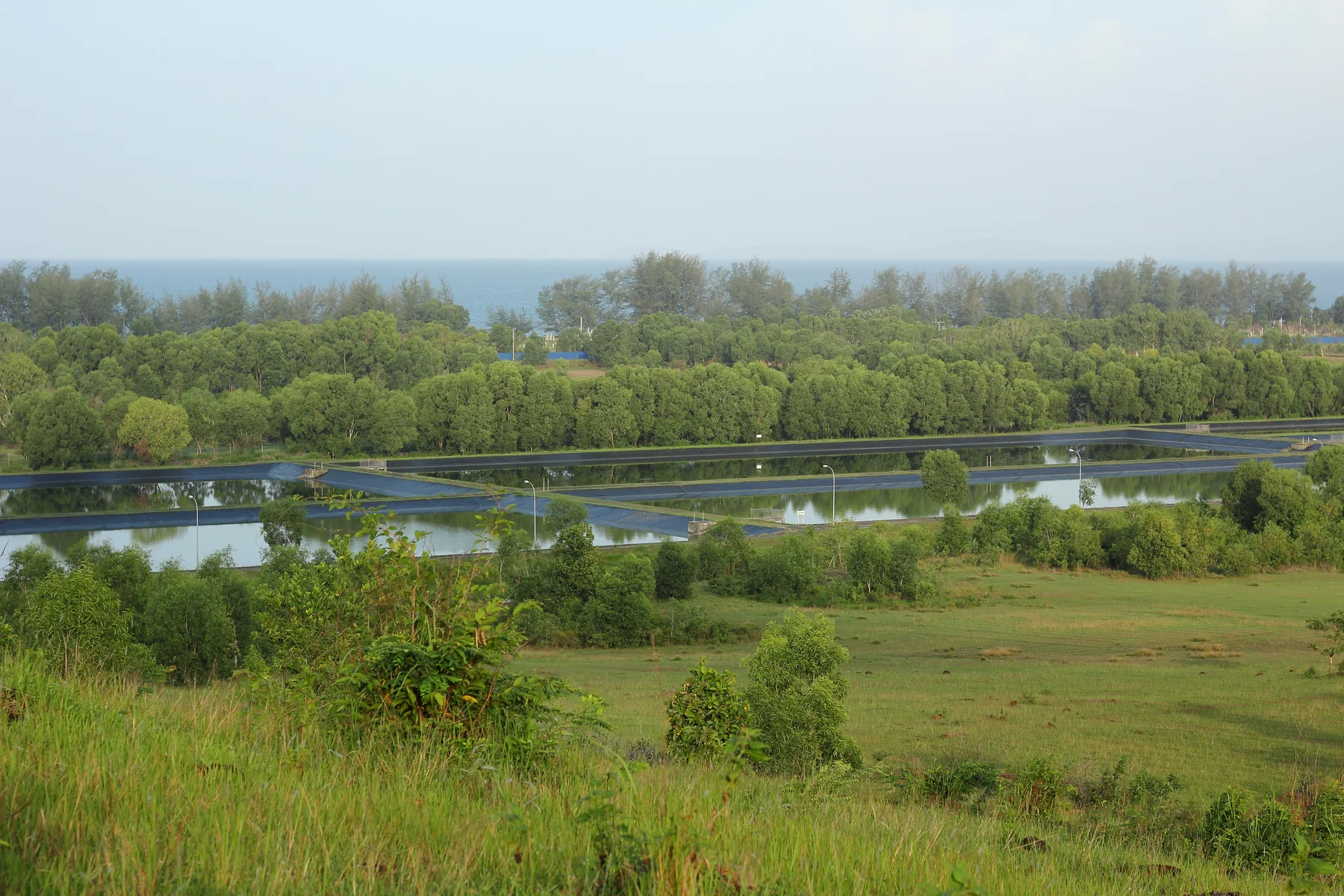
    Wide landscape view of circular wastewater treatment basins and rectangular settling ponds at a treatment plant, with trees in the background.Photo: Dmitry Makeev (Knopik-som) · Creative Commons Attribution-ShareAlike 4.0 International (CC BY-SA 4.0) · Image resized and converted to WebP; this adaptation is shared under CC BY-SA 4.0.

    Compare the activity with a selected educational taxonomy lens and record open questions.

    OWNERSustainability lead
    WORKPLACE CHECKContribution, safeguards and unknowns logged
    STAGE OUTPUTTaxonomy question log
  3. 03

    Choose the Logic

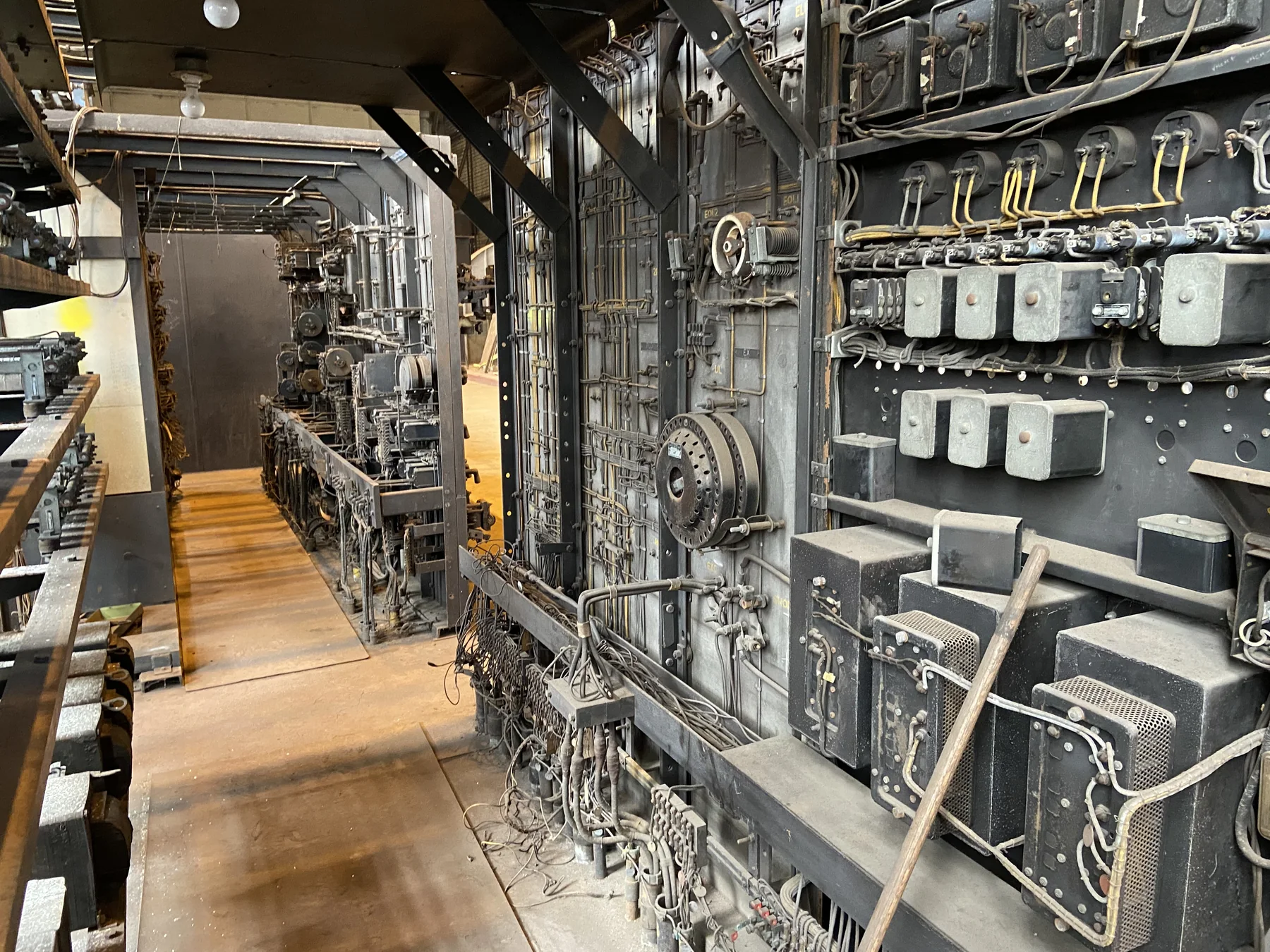
    Industrial electric control panel with rows of switches, meters, and wiring, illustrating equipment monitoring for an industrial IoT and energy course.Photo: Nolabob · Creative Commons Attribution-ShareAlike 4.0 International (CC BY-SA 4.0) · Image resized and converted to WebP; this adaptation is shared under CC BY-SA 4.0.

    Select a fictional instrument pathway based on purpose, KPI and transition evidence.

    OWNERFinance manager
    WORKPLACE CHECKUse-of-proceeds, KPI or pathway rationale stated
    STAGE OUTPUTInstrument comparison matrix
  4. 04

    Build Evidence

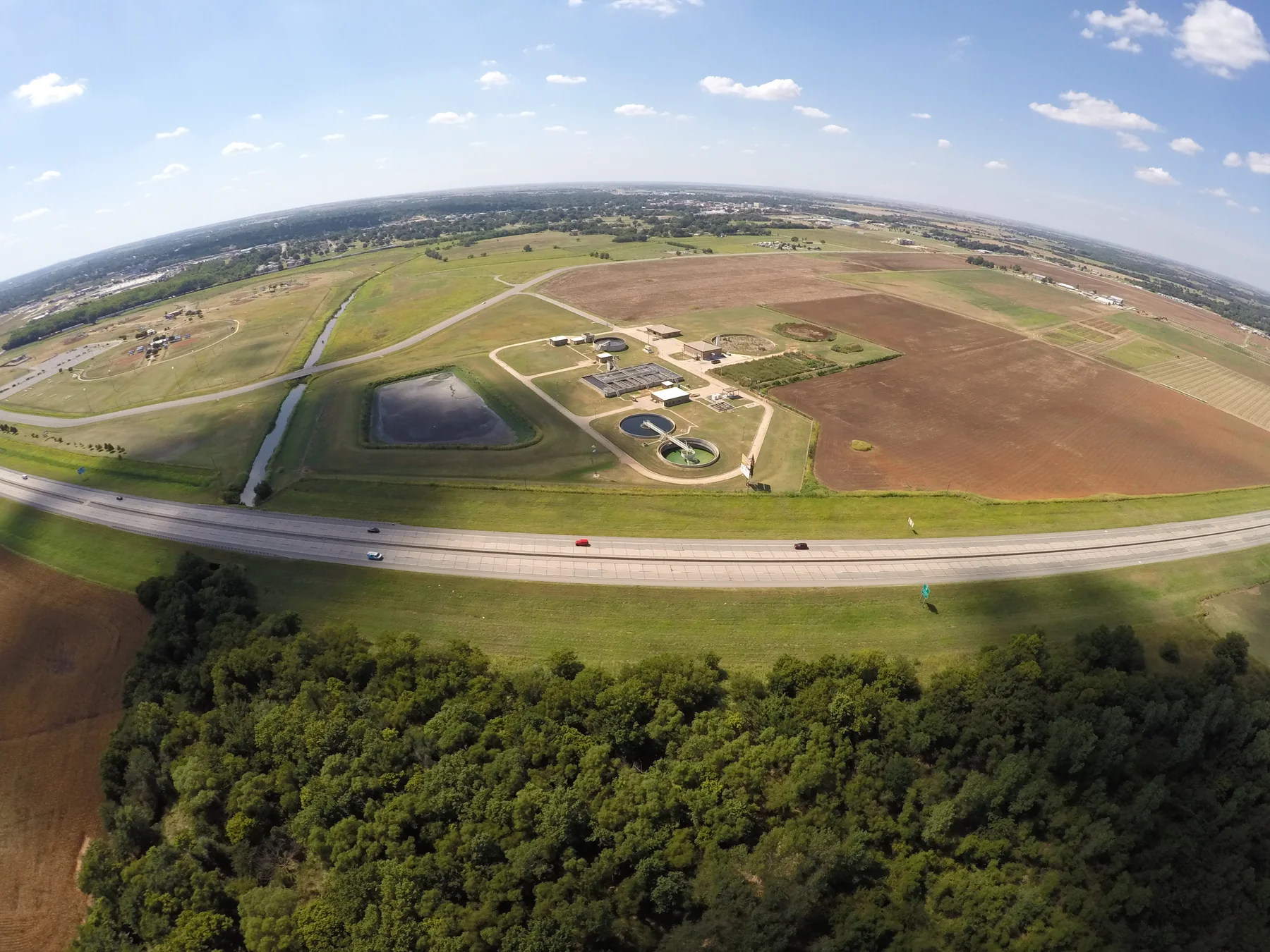
    Aerial view of circular wastewater treatment ponds, rectangular treatment beds, service buildings, roads, and adjacent agricultural fields.Photo: Environmental Health Program / USGS (photographer not individually named) · U.S. Public Domain (USGS Sources/Usage: Public Domain) · Image resized and converted to WebP.

    Organise baseline, budget, monitoring and governance records for a provider conversation.

    OWNERFinance and operations team
    WORKPLACE CHECKEvidence owner, source and period identified
    STAGE OUTPUTEvidence pack index
  5. 05

    Review the Claim

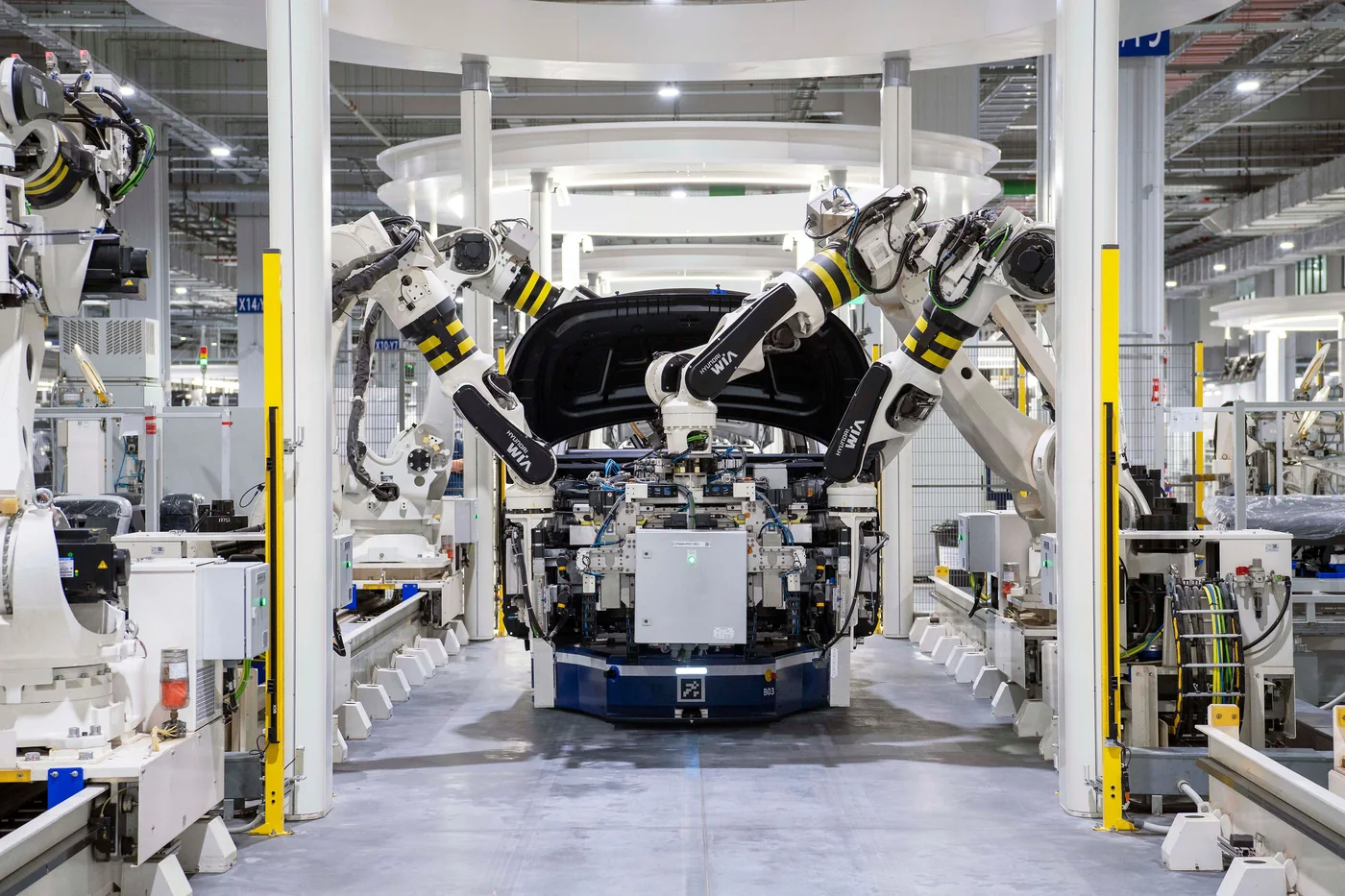
    Industrial robots assembling a vehicle body on an automotive production line.Photo: Hyundai Motor Group · Pexels License · Image resized and converted to WebP.

    Test wording, assumptions and follow-up questions before any external discussion.

    OWNERManagement reviewer
    WORKPLACE CHECKNo unsupported eligibility, savings or assurance claim remains
    STAGE OUTPUTProvider discussion brief

Human review: This exercise does not establish emissions reductions, cost savings, compliance, certification, assurance or financing eligibility.

PROPOSED ESG COURSE / ENQUIRE BEFORE BOOKING

Build a practical first ESG plan.

Confirm the final syllabus, duration, dates, format and fees for your manufacturing team.

Discuss ESG training