


Map the evidence flow
Create a source-to-indicator map that names owners, collection frequency, storage location, access boundary, and review evidence for selected factory ESG records and management decision use.
Digital ESG, AI & Emerging Topics
This course helps Malaysian manufacturing SMEs turn scattered environmental, social, and governance records into a traceable monitoring workflow. Participants map sources, define owners, set review rules, design exception alerts, and test a simple dashboard without treating automation as assurance. The learning focus is practical governance of data, tools, privacy, and human judgement.

Category covers and course photos are illustrative licensed photographs, not AIGreen Plus staff, facilities or client results. Required creator and licence credits appear with each course photograph.
A useful signal connects a defined source record to a transparent rule and a documented human decision.
| Decision / evidence | Source recordWhere the value comes from | Automated checkWhat the system tests | Human decisionWhat a person confirms |
|---|---|---|---|
| Definition | Named field, unit, period, and scope | Rule uses the same definition | Reviewer confirms context before use |
| Missing value | Record absent or not received | Completeness flag routes an exception | Owner explains, corrects, or records a limitation |
| Unusual change | Value differs from expected pattern | Range or change rule flags it without rewriting data | Reviewer checks source, process, and evidence |
| Closed issue | Corrected record or documented reason | Alert status and rule history are retained | Decision and supporting evidence are logged |
An automated flag is a prompt for review, not proof of ESG performance, compliance, assurance, or certification. Course content is educational; verify current requirements against the linked official sources and the organisation's circumstances.
It teaches Malaysian manufacturing teams how to inventory ESG data sources, choose useful indicators, structure evidence, and design automated checks for missing, late, or unusual records. Participants practise a monitoring workflow that links meter readings, workforce records, supplier evidence, and management review. The course serves SME leaders and operational owners who need clearer visibility while keeping privacy, approved-tool, access-control, and human-checking boundaries for informed management review.
Create a source-to-indicator map that names owners, collection frequency, storage location, access boundary, and review evidence for selected factory ESG records and management decision use.
Define completeness, timeliness, range, and change checks that flag records for review without treating an automated alert as proof of performance within a defined review cycle.
Build an exception workflow showing who investigates anomalies, records a decision, protects sensitive information, and escalates unresolved questions to an accountable management owner for review.
Prepare a concise dashboard specification with indicator definitions, units, scope notes, evidence links, and a responsible owner for informed management discussion and documented review notes.
A fictional Malaysian precision-components SME receives electricity invoices, sub-meter readings, production counts, and maintenance notes from different owners. Learners build a traceable chain from each source to an energy indicator, add unit and period definitions, and specify what an operator must check when a reading is missing or inconsistent. The exercise stops at a proposed workflow; it reports no client result.
A fictional apparel factory wants to monitor training completion, overtime exceptions, and safety observations. Learners separate identifiable records from aggregated indicators, assign role-based access, define an approved export, and create a human review step for unusual patterns. The exercise demonstrates governance choices only; it does not inspect real workers, diagnose legal compliance, or promise a safer workplace.
A fictional food-packaging SME collects supplier questionnaires, delivery records, waste declarations, and corrective-action notes in email and spreadsheets. Learners design a queue that marks missing evidence, routes follow-up to an owner, preserves source links, and records closure reasons. The activity is a sanitised classroom scenario, not a supplier audit, assurance engagement, or finding about any real company.
This is a fictional learning example, not client results.
Stated basis: Selected monthly records available with a named source and review status · 18 ÷ 24 and 23 ÷ 24.
Absolute difference: 20.83 percentage points. This is a comparison of the stated exercise values, not proof of improvement.
The simple comparison shows how a monitoring workflow can describe reviewed evidence availability; it does not measure ESG performance or prove that automation caused a change.
This exercise is not a carbon reduction, cost saving, compliance or certification result, assurance conclusion, or financing-eligibility assessment.
Final depth, exercises and delivery details are confirmed with AIGreen Plus before delivery.
On a small screen, scroll horizontally inside the course-outline table.
| Module | Focus | Key points | Practice |
|---|---|---|---|
| 01From Records to ESG Signals | Separate raw factory records, indicators, evidence, and decisions so automation supports a transparent monitoring chain rather than producing unexplained scores. |
| Using a fictional metal-parts plant, classify utility bills, incident logs, training records, supplier questionnaires, and board minutes into source, indicator, evidence, or decision. |
| 02Data Architecture for SMEs | Design a proportionate data architecture using shared definitions, identifiers, version control, and an evidence trail that fits limited SME systems. |
| A fictional electronics assembler merges three spreadsheets; learners reconcile duplicate energy fields and draft a controlled indicator dictionary before dashboard design. |
| 03Automated Quality Checks | Build rule-based checks for missing, late, duplicated, out-of-range, or changed values before a person decides what the exception clearly means. |
| In a fictional plastics factory, learners test rules against blank meter days, duplicate entries, and a sudden production-unit change event. |
| 04Monitoring Dashboards and Alerts | Translate approved indicators into dashboards and alert queues that show context, trend, ownership, and evidence instead of decorative traffic lights. |
| Learners sketch a fictional food-packaging dashboard linking wastewater checks, overtime records, waste weights, and supplier evidence to named review queues. |
| 05Privacy, Access, and Approved Tools | Protect personal, supplier, and operational information securely through least-privilege access, approved tools, retention decisions, and human review of automated outputs. |
| A fictional garment factory wants a cloud dashboard; learners mark sensitive fields, access roles, approved exports, and review gates before sharing. |
| 06Integrating IoT and Manual Evidence | Combine sensor feeds with invoices, inspections, interviews, and supplier documents while preserving source context and investigating gaps for accountable monitoring. |
| For a fictional machining line, learners reconcile an electricity sensor outage with utility invoices and an operator log without inventing readings. |
| 07Governance and Human-in-the-Loop | Assign decision rights for rule design, exception handling, data changes, and management review so automated monitoring remains accountable and explainable. |
| A fictional chemical-products SME receives conflicting waste records; learners assign roles and document a human decision path before dashboard closure. |
| 08Pilot Roadmap and Review Cycle | Prioritise a small pilot, test usefulness, capture lessons, and schedule review without claiming that a digital workflow is certification or assurance. |
| Learners propose a fictional six-week pilot for a furniture factory using energy, waste, safety, and supplier evidence with defined review questions. |
This is a proposed course design for Malaysian manufacturing SMEs, not evidence of superiority, client performance, or guaranteed digital outcomes.
| Focus | Proposed approach | Factory relevance |
|---|---|---|
| Factory-first data map | Learners start with familiar records, owners, units, and evidence links before discussing dashboards or automation. | SMEs can see what is already available and where a practical monitoring pilot would need better discipline. |
| Rules before visual polish | Exercises define completeness, timeliness, range, and change checks before choosing dashboard colours or alerts. | A clear rule makes an exception explainable and gives a person something specific to review. |
| Human and privacy controls | Activities mark sensitive fields, approved tools, access boundaries, override logs, and human decision points. | Automation must not expose personal information or turn an unverified signal into a conclusion. |
| Evidence-led pilot brief | Participants finish with a scoped pilot brief naming indicators, owners, review questions, stop conditions, and maintenance needs. | Managers receive a realistic decision aid rather than a promise of certification, assurance, savings, or reporting acceptance. |
It means structuring existing ESG records, definitions, owners, evidence links, review rules, and dashboards so information can be found and checked more consistently. It does not mean buying a particular platform, replacing professional judgement, or claiming that a digital workflow is an assurance or certification system.
Yes. Exercises can use sanitised spreadsheets, shared registers, or a simple prototype. The focus is on clear indicators, source ownership, quality checks, access controls, and review evidence. A proposed workflow should be sized to available records and approved tools rather than copied from a larger company.
It can flag missing, late, duplicated, out-of-range, or unexpectedly changed records when the rule and scope are defined. A flag is an exception prompt. A responsible person still investigates the source, records context, and decides whether correction, explanation, escalation, or limitation is appropriate.
The course can use monitoring examples for activity data, but it does not prepare a company inventory or make a reporting submission. The GHG Protocol Corporate Standard supports corporate-level inventory accounting; participants learn to preserve scope, unit, source, and review context for later specialist work.
Participants practise separating identifiable workforce or supplier information from aggregated indicators, using approved tools, least-privilege access, controlled exports, and human review. The course does not request real personal data or authorize sharing it. Each organisation must set its own lawful and policy-based controls.
No. A dashboard can organise evidence, show exceptions, and make review status visible. It cannot by itself establish legal compliance, assurance, certification, or the truth of an environmental or social claim. Applicable requirements and evidence need confirmation by the responsible organisation and qualified advisers where needed.
GRI describes its Standards as a modular framework helping organisations understand and report impacts on the economy, environment, and people. Here, that idea informs indicator definitions and evidence mapping. The course does not teach a complete GRI report, promise acceptance, or imply GRI endorsement.
Participants do not fill gaps with guesses. They mark missing evidence, identify the owner, test whether a source exists, document an estimation or limitation only when authorised, and route the issue for review. The resulting dashboard should show the evidence status rather than hide uncertainty.
No. It is proposed training with fictional or sanitised exercises. Participants may draft a map, rule sheet, exception log, and pilot brief, but AIGreen Plus does not perform a site audit, independent assurance, system deployment, certification, or reporting submission through this course.
Yes, enquiries can clarify the proposed delivery format, duration, scope, and fees. Those details are not fixed in this course content. Any discussion should also confirm the factory context, participant roles, approved tools, privacy boundaries, and whether separate specialist advice is needed.
ESG Digitalisation and Automated Sustainability Monitoring — proposed practice flow; people remain responsible for evidence, decisions and any operational change.
 Photo: Tim Witzdam · Pexels License (free commercial use) · Image resized and converted to WebP.
Choose a small set of factory ESG indicators and write their boundaries before selecting tools.
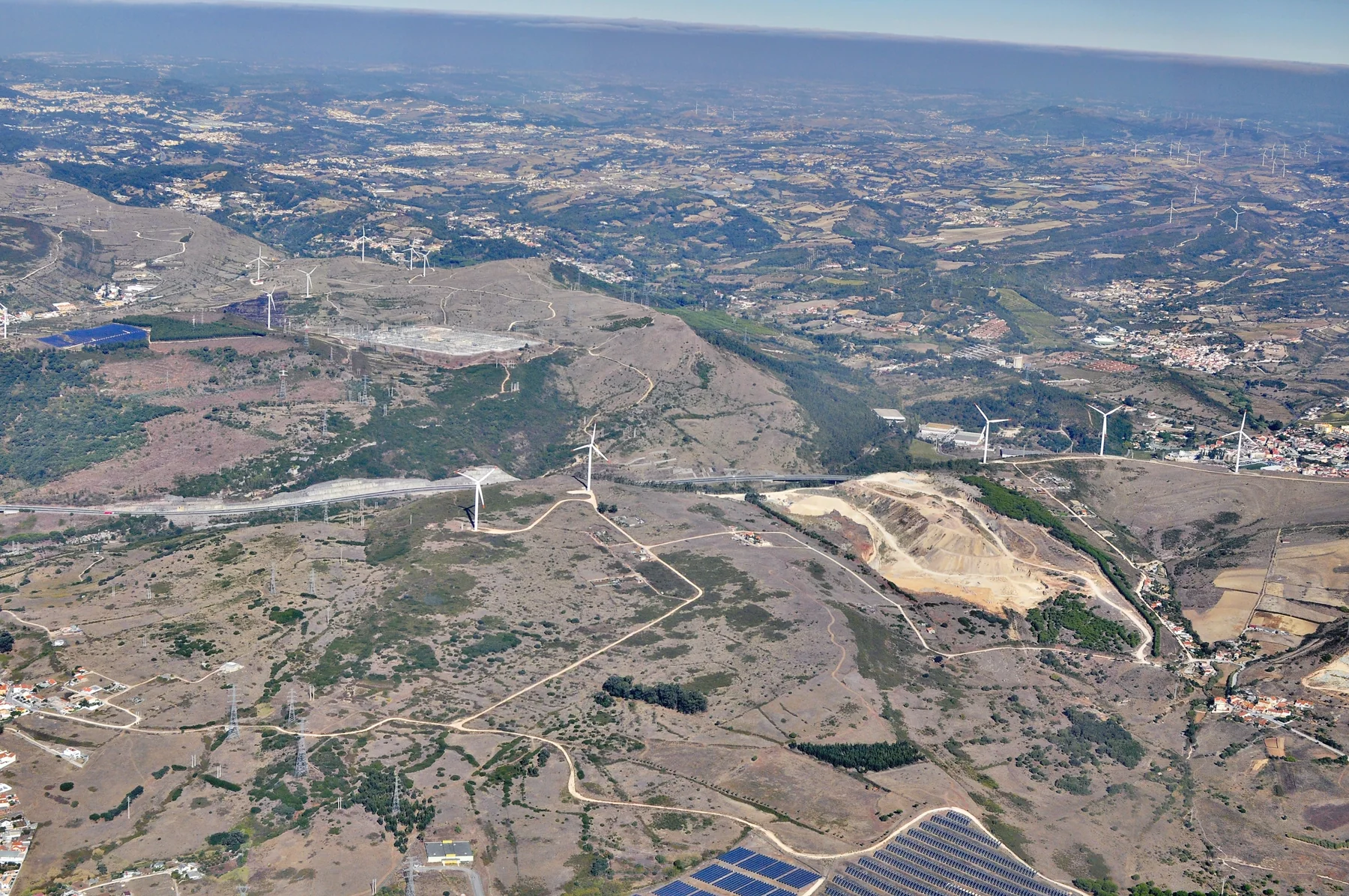 Photo: Pedro Mendes (Flickr user pedrik) · Creative Commons Attribution 2.0 Generic (CC BY 2.0) · Image resized and converted to WebP.
Trace each indicator to source records, owners, storage locations, and permitted access.
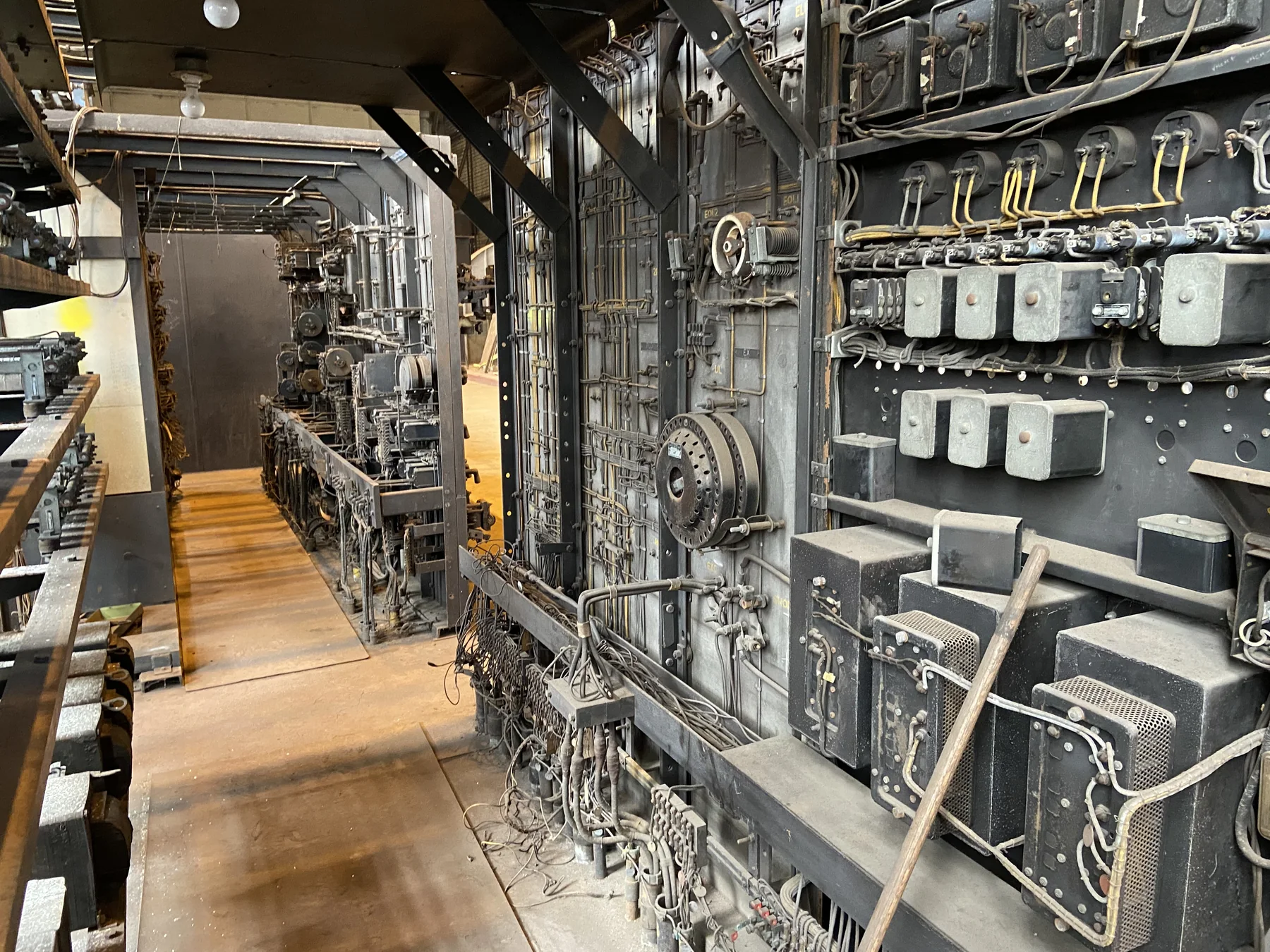 Photo: Nolabob · Creative Commons Attribution-ShareAlike 4.0 International (CC BY-SA 4.0) · Image resized and converted to WebP; this adaptation is shared under CC BY-SA 4.0.
Draft quality, exception, and escalation rules that a person can understand and test.
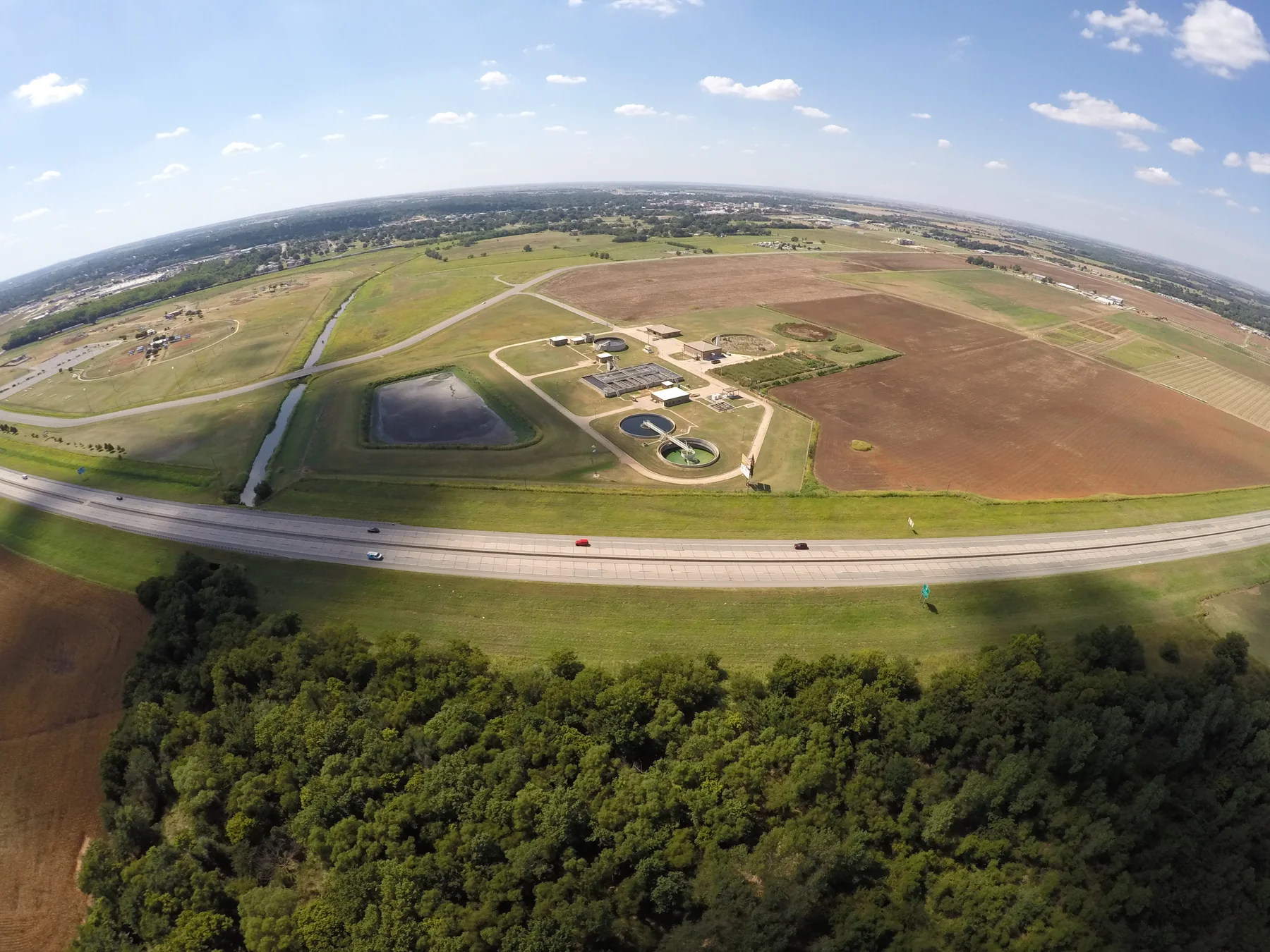 Photo: Environmental Health Program / USGS (photographer not individually named) · U.S. Public Domain (USGS Sources/Usage: Public Domain) · Image resized and converted to WebP.
Run fictional or sanitised records through a dashboard prototype and record manual review decisions.
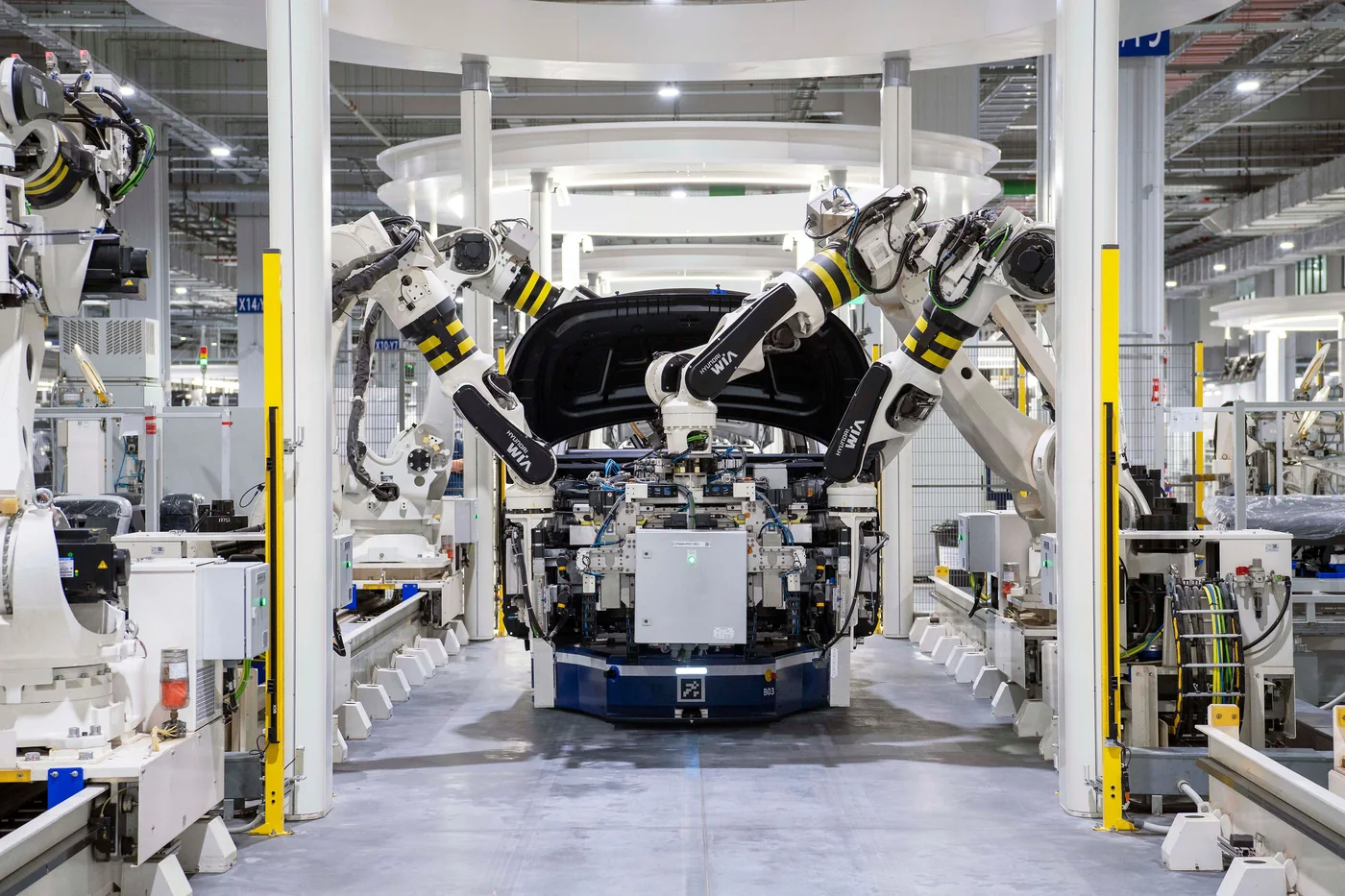 Photo: Hyundai Motor Group · Pexels License · Image resized and converted to WebP.
Agree a review cadence for definitions, access, rules, evidence retention, and pilot lessons.
Human review: This exercise is not a carbon reduction, cost saving, compliance or certification result, assurance conclusion, or financing-eligibility assessment.
Confirm the final syllabus, duration, dates, format and fees for your manufacturing team.
